
Best Trading Apps for Investors in Pakistan
📱 Find the best trading app in Pakistan with tips on features, security, costs, and regulations. Perfect for new and experienced investors alike! 💹
Edited By
Henry Walsh
Forex trading has definitely become a popular way for people in Pakistan to grow their money, but picking the right app to trade on can make a big difference. With so many options available, each boasting different features, it's easy to get overwhelmed. This guide will clear up the confusion, highlighting what to look out for when choosing a forex trading app that fits your needs.
Whether you're a seasoned trader, an investor, or just starting, the app you trade with needs to be reliable, user-friendly, and secure. In Pakistan, where internet speeds and regulations add extra layers of complexity, finding the right platform requires more careful thought than just picking the most popular or flashy app.
Choosing the right forex trading app is not just about convenience; it directly impacts your trading efficiency and safety.
We'll cover key features to watch for, introduce some notable apps used in Pakistan—both local and international—and share essential security tips. By the end, you’ll have a clearer understanding of how to pick an app that helps you trade smarter and safer.
Let's get straight into what really matters when selecting a forex trading app in Pakistan.
To really make the most out of forex trading in Pakistan, grasping what trading apps bring to the table is essential. These apps act as your personal gateway to the forex market, offering a hands-on experience that packs a punch with features tailored for both rookies and pros. Knowing how these apps operate and what makes them tick helps you navigate choices smartly, avoiding common pitfalls.
Forex trading apps are essentially software applications that let you buy, sell, and manage currency trades directly from your smartphone or tablet. They simplify complex market activities by bundling tools like price charts, order execution, and account management into one spot. For instance, MetaTrader 4, widely used in Pakistan, allows traders to check live currency prices, set up different order types, and track their portfolio performance all in one user-friendly place.
These apps focus on providing:
Real-time price updates
Order placement and modification
Access to trade history and analytics
Understanding these basics means you can trade confidently without needing to sit in front of a PC all day.
Forex trading apps serve as a direct bridge to the global currency markets, which operate 24/5. They connect your device to the broker’s servers, which in turn interact with interbank networks and liquidity providers. This connection ensures that when you place a trade, your order reaches the market promptly and reflects current prices.
For example, if you’re trading through an app linked to a broker like XM or FXTM — both accessible in Pakistan — your actions instantly affect your account based on worldwide market movements. This seamless connectivity means you can respond to sudden price swings or global events without delay, a key edge in forex trading.
One of the biggest perks of forex trading apps is the freedom they offer. Instead of being chained to a desktop or laptop, you can check on your trades whether you’re commuting in Karachi or enjoying a tea break in Lahore. This mobility allows you not only to monitor but also to react to market changes quickly, which is critical given the forex market’s nonstop action.
Imagine waiting out a meeting and spotting a currency pair that's about to spike — you can jump in and place a trade right away instead of missing the window.
Forex markets move fast—even a few seconds of delay can mean lost opportunities or bigger losses. Trading apps deliver live access to market data, streaming price changes and news updates instantly. This timely info keeps you informed about economic reports or political developments that impact currency values.
For instance, when Pakistan’s central bank announces a rate change, apps like cTrader or ThinkTrader update charts and price quotes instantly, helping you make well-informed moves.
Modern trading apps aren’t just about putting in orders; they come loaded with handy tools like technical indicators, economic calendars, and news feeds. These resources help you analyze market trends, spot entry and exit points, and stay updated without hopping between sites.
Having an app that integrates all these tools in one place cuts down on hassle. For example, MetaTrader’s built-in oscillators and moving averages allow Pakistani traders to use technical analysis on the go, boosting their decision-making.
In a market as dynamic as forex, having swift access to the right tools and information on your mobile device can make a real difference in your trading success.
When it comes to forex trading in Pakistan, the success of your trades can hinge heavily on the kind of app you use. Key features in a trading app aren’t just fancy add-ons; they’re what keep your investments safe, your trades swift, and your decision-making sharp. A solid trading app acts like your personal trader's toolkit, packed with everything you need to navigate the fast-moving forex market.
What stands out is not just the availability of features but how well they match your trading habits and local needs. For example, apps like MetaTrader 4 and 5 are popular for offering a good balance of tools and usability, but some local Pakistani brokers provide apps with special features tailored for the regional market, such as support for local deposit methods.
A straightforward, easy-to-navigate interface is the first thing you’ll notice—and appreciate—when using a forex trading app. Imagine you're trying to place a trade on the go, maybe during a commute or break, and you can’t find where to execute the order smoothly. That frustration can cost you money. A clean layout with clearly labeled buttons, minimal clutter, and intuitive menu systems helps you move quickly and confidently.
For instance, apps that let you place trades and check your account balance within two or three taps keep things simple. Features like guided prompts or a beginner mode can be a lifesaver for traders new to forex.
Trading isn’t one-size-fits-all. Customizable dashboards let you tailor the app's main screen to highlight what matters most to you — whether that's live currency rates, open positions, or economic news. Being able to rearrange widgets, add shortcuts, or choose what data shows up first helps you focus on your strategy and saves time.
Imagine a day trader in Karachi who needs minute-by-minute updates on USD/PKR rates but also keeps tabs on other pairs for long-term trades. A customizable dashboard ensures these details are at their fingertips without digging through menus.
Charts are your window into the market’s past and potential future moves. The common types include line, bar, and candlestick charts. Most good forex apps support all three, giving traders a choice based on their preferred analysis style.
Candlestick charts, for example, pack a ton of info into little bars that show open, close, high, and low prices. They're highly favored by traders worldwide for spotting trends and reversals quickly. Meanwhile, a simple line chart might be better for those who want to keep things minimal.
Good apps offer more than just charts—they include built-in technical indicators like Moving Averages, RSI (Relative Strength Index), and Bollinger Bands. These tools help gauge price momentum, volatility, and trend strength, which are crucial for making informed trade decisions.
A trader in Lahore using the MetaTrader 5 app might set an RSI indicator to spot overbought or oversold conditions before jumping into a trade. Access to these indicators within the app ensures you don’t have to switch platforms or use third-party software.
Forex trading isn’t just about buying and selling instantly. You need flexibility in how orders are placed. Common order types include market orders, limit orders, and stop-loss orders. Each serves a purpose—for example, stop-loss orders help in capping potential losses automatically.
An app that supports these options allows you to plan trades according to your risk tolerance. If your app only accepts market orders, you might miss opportunities or end up taking unwanted risks.
In forex, seconds can make a difference. Execution speed means how quickly your app communicates your trade to the broker and then the market. Delays can lead to slippage, where your order gets filled at a different price than expected.
Apps that rely on high-performance servers and have minimal lag give you a trading edge. During volatile times, like after a major economic announcement, fast execution helps in securing the best prices.
Your personal and financial information is gold to hackers. Top forex trading apps use strong data encryption protocols to protect this information as it travels between your device and the broker’s servers. This keeps your info safe from prying eyes or cyber attacks.
Look for apps that mention the use of SSL (Secure Socket Layer) or TLS (Transport Layer Security) encryption—these are reliable standards that most major financial apps use.
Passwords alone are often not enough to keep accounts secure. Two-factor authentication (2FA) adds an extra layer by requiring a second form of verification, like a code sent to your phone.
This is especially important if you’re trading from smartphones that can be lost or stolen. Apps incorporating 2FA protect your funds and personal data even if your login credentials fall into the wrong hands.
Choosing the right mix of these features isn't just about having the latest tech—it’s about making your trading journey smoother, safer, and better suited to your needs in the Pakistani forex market. Always test apps via demo accounts wherever possible to see how these features work in real life before going live.
Choosing the right forex trading app is a big deal for traders in Pakistan. With so many options buzzing around, knowing which apps are popular—and why—helps narrow down the list. These apps often come packed with features designed to fit the unique needs of Pakistani traders, like support for local payment methods and compliance with local regulations. Picking the right app means smoother trades, better insights, and fewer headaches down the road.
MetaTrader 4 (MT4) and MetaTrader 5 (MT5) are practically the backbone for countless forex traders worldwide, including in Pakistan. They’re favored because of their user-friendly interfaces and powerful tools. Both platforms support automated trading through Expert Advisors (EAs), which lets you run your strategies even when you’re away from your phone or computer.
What sets them apart is MT5’s extra features, like more timeframes, additional order types, and access to stocks and futures alongside forex. It’s a solid pick whether you’re deep into scalping or looking at long-term trends. MT4/MT5 apps support multiple languages and offer comprehensive charting tools, a big help for Pakistani traders juggling multiple markets.
cTrader has gained a solid reputation for its sleek design and advanced trading capabilities. It caters well to traders who want transparency and speed—two things that really matter when the market moves fast. The app offers features like Level II pricing (showing market depth) and superior order execution.
Traders in Pakistan find cTrader valuable because it supports a range of order types and allows easy customization of interface layouts. Plus, it’s known for sharp charting tools and seamless integration with automated trading via cAlgo, ideal for those who want to experiment with bots but still keep full control.
ThinkTrader is another internationally respected app that stands out with its smart approach to mobile trading. The app delivers over 80 technical indicators and multiple chart types, making it a favorite for traders needing detailed market insight on the fly.
Its standout feature is the ability to save different workspaces and access them across devices, so you’re not stuck staring at the same screen setup. Pakistani traders also appreciate the built-in economic calendar and integrated news feeds, which help keep track of events influencing the forex market.
Localized trading apps and platforms have tweaked their features to suit Pakistan’s market environment. For instance, apps often support deposit and withdrawal methods popular in Pakistan, like JazzCash, EasyPaisa, and bank transfers in Pakistani Rupees. They might also include customer support in Urdu, making communication easier.
Some platforms take local trading hours and regulations into consideration, adapting margin requirements or leverage options accordingly. This localized focus reduces friction and builds trust, which is crucial when dealing with your hard-earned money.
Several brokers operating in Pakistan offer their own trading apps, tailored specifically to their client base. These apps often come with tight integration to broker accounts, ensuring quick deposits, withdrawals, and claim processing.
For example, brokers like IG Group and XM provide apps designed for Pakistani users with features like local language interfaces and regional market insights. Having a broker-specific app means updates on promotions, spreads, and individual trading conditions come directly without delay.
When choosing a forex trading app in Pakistan, balancing international reliability with local adaptations often leads to the most efficient trading experience. Popular global platforms provide robust features, while local apps cater to regional nuances and payment options, ensuring smoother day-to-day trading.
In sum, being aware of both well-known international apps and trusted local platforms can help you pick a forex trading app that works best for your style and circumstances.
Choosing the right forex trading app is more than just picking one with flashy graphics or popular buzz. It’s about finding the platform that fits your unique trading habits, budget, and reliability standards. For traders in Pakistan, this means zeroing in on apps that not only offer the tools needed but also account for local market nuances and connectivity constraints.
Making the right choice here can save you headaches down the line, improve your trading outcomes, and keep your investments safe from avoidable risks. Whether you’re a beginner or a seasoned trader, this part of the decision process demands careful thought and practical testing.
Each trader operates differently depending on their goals, time commitment, and risk tolerance. Scalpers, for instance, are in and out of trades quick as a cat, aiming to grab tiny profits on very short-term price moves. Day traders may hold positions a bit longer but still close all trades by day’s end. On the flip side, long-term investors look for trends that play out over weeks or months.
Understanding where you fit helps narrow down app choices. Scalping demands super fast execution and minimal latency; any lag can mean lost profits. Day traders need apps with instant market news, clear charting tools, and reliable order types. Long-term investors benefit more from apps offering comprehensive analysis tools and a robust portfolio overview.
For example, the MetaTrader 5 app, widely available in Pakistan, caters well to scalpers and day traders with its quick order execution and variety of order types, whereas apps like ThinkTrader provide extensive charting suited for longer-term strategies.
Not every app plays nice with every trading style. If you’re a scalper, you want an app that supports one-click trading and can handle multiple quick trades without crashing. Long-term traders ideally need platforms that offer easy access to historical data and rich analytical tools.
Before settling, check whether the app supports the specific instruments you plan to trade (like USD/PKR or EUR/USD), and that the broker behind it fits your intended style. Also, consider device compatibility—some apps perform better on Android than iOS or the other way around. This can affect how smoothly you trade during crucial moments.
No matter how great an app looks, if the cost structure eats into your profits, it’s a bad deal. Many apps advertise zero commissions but make up for it with wider spreads—the difference between buying and selling prices. This spread is a hidden cost and can be especially expensive for scalpers or traders making many trades.
Compare fees carefully. For instance, apps linked with brokers like XM or IC Markets often offer tight spreads but may charge small commissions. Meanwhile, others like AvaTrade bundle their fees into slightly wider spreads but no extra charges.
Being aware means you can choose an app that aligns with your trading volume and style, preventing surprises on the account statements.
Beyond spreads and commissions, some apps sneak in additional fees that catch traders off guard. Watch out for:
Withdrawal fees: Some brokers charge for cashing out your profits.
Inactivity charges: If you don’t trade for a while, fees may start accruing.
Data feed charges: Rare but possible, certain platforms charge for premium data or add-ons.
Getting clarity on these costs upfront can save you from frustration and lost funds. Pakistani traders should also mind currency conversion fees if deposits or withdrawals happen in different currencies.
A smart move is always to try before you buy by using demo accounts. These simulate live trading using virtual money, letting you explore the app interface, test trade execution, and get a handle on available tools—all without risking real cash.
Using a demo account with apps like MetaTrader 4 or ThinkTrader helps spot any quirks or limitations early. Can you customize charts easily? Does the app respond quickly? How about setting stop losses or alerts? These are essential questions that demo trials can answer.
Even the best features won’t help if the app freezes mid-trade or disconnects when the market heats up. Responsiveness and reliability are non-negotiable. Pay attention to:
Load times: How fast does the app open and refresh data?
Stability: Does it crash frequently?
Order execution: Are your trades placed without lag?
You can sometimes gauge this from user reviews in app stores, but firsthand demo use remains the best test.
Remember, a slow or unstable app can cost real money, especially in fast-moving markets.
Trading forex through mobile apps is convenient, but it also opens doors to certain risks if you don’t stay cautious. Protecting your money and personal info should be your top priority while using any forex app. Whether you’re a newbie or a seasoned trader in Pakistan, understanding how to secure your account and spot scams can save you a lot of trouble down the road.
You might think it’s obvious, but sharing your password is one of the fastest ways to invite problems. Some traders, especially beginners, might feel comfortable sharing login details with a broker’s support team or even friends. Don’t do this. Good brokers never ask for your password directly, and sharing it puts your funds at risk of unauthorized access. If you get a call or message requesting your credentials, that’s a huge red flag.
Using the password '123456' or your birthdate might seem like a shortcut, but it’s practically handing over your account on a silver platter. Strong passwords mix letters, numbers, and symbols and avoid common words or sequences. Also, use a password unique to your trading app—not the same one you use for your email or Facebook. This way, if one account gets compromised, the others remain safe.
Setting up two-factor authentication (2FA) where available adds an extra security layer, making it tougher for hackers to break into your account even if they somehow guess your password.
Scam apps often promise unrealistically high returns or ultrafast profits with little risk. Watch out for apps with poor reviews, vague company info, or pushes to deposit large sums quickly. If the app is full of typos or outdated info, it’s usually better to steer clear. Also beware if customer support is slow or evasive when you ask questions.
Some brokers may lure you with irresistible bonuses but slap on hidden withdrawal conditions, making it nearly impossible to get your money out. Always read the fine print before committing.
Legitimate brokers operating in Pakistan will be registered with recognized financial authorities like the Securities and Exchange Commission of Pakistan (SECP) or international bodies such as the FCA (UK) or ASIC (Australia). Always verify broker licenses through official government databases or financial watchdog websites.
Using licensed brokers reduces the chance of fraud because they comply with regulations to protect traders’ interests. Don’t trust a broker just because they look slick or offer fancy apps—license verification is a must.
Trading FX is rewarding, but it requires vigilance. Guarding your account info and steering clear of scams isn’t just advisable; it’s absolutely necessary. Start with strong security habits, and you’ll be better positioned to focus on growing your trades rather than firefighting problems later.
By following these security tips, Pakistani traders can use forex apps with greater confidence and less worry about falling victim to fraud or hacking.
Using forex trading apps in Pakistan offers great convenience, but it's not without hurdles. Traders often encounter technical glitches and face emotional decision-making pitfalls on mobile platforms. Tackling these challenges head-on is essential. It not only smooths the trading experience but also helps protect your capital by preventing costly mistakes.
Forex apps aren’t immune to crashes. They can freeze, shut down unexpectedly, or fail to update price feeds on time. Such disturbances can result in missed opportunities or unexecuted trades. For example, imagine you're on MetaTrader 4, and just as a major market movement starts, the app crashes. This can lead to frustration and potential losses.
To deal with app crashes:
Keep your app updated. Updates often fix bugs causing crashes.
Clear cache regularly to prevent memory overload.
Restart your device before trading sessions to free up resources.
Have a backup app ready, like ThinkTrader or cTrader, to switch on if your primary app acts up.
Stable internet connection is a must-have. Unreliable connections in many areas of Pakistan can disrupt trade execution and data streaming, causing delays or wrong pricing. Using a mobile app without a steady connection is like trying to sail against the wind.
Recommendations to maintain good connectivity:
Use a reliable 4G or 5G network; wifi can be spotty depending on location.
Avoid trading in crowded areas where mobile networks can slow down.
Consider a portable hotspot device with a strong signal for critical trading times.
By ensuring your app runs smoothly and your connection holds steady, you create a much safer environment for your trades.
Trading via mobile devices makes it tempting to act on impulse. The constant notifications, price changes, and market noise can push you to make rash decisions based on emotions rather than strategy. For instance, seeing your position dip might cause you to panic-sell without proper analysis.
Avoiding impulsive decisions is crucial:
Stick to a well-defined trading plan.
Limit the number of trades you open at once.
Take breaks away from the screen when feeling overwhelmed.
Mobile apps also offer tools to help manage emotions, such as setting alerts and limits. These features act as guardrails.
Setting limits and alerts helps by:
Automatically notifying you when prices hit certain levels.
Enabling stop-loss and take-profit orders to lock in gains or cap losses.
Providing reminders to review your positions at set intervals.
Using these controls reduces the urge to micromanage trades constantly. For example, on MetaTrader 5, you can easily input stop-loss levels when opening a trade so that you’re not tempted to close it too early or too late.
Staying calm and using app features wisely can turn emotional challenges into manageable parts of your trading routine.
By understanding and addressing the typical technical problems and emotional traps, traders in Pakistan can make better use of forex trading apps. These actions not only safeguard your money but promote consistent and confident trading over time.
Using additional tools alongside your forex trading app can make a significant difference in decision-making and overall performance. These tools help traders in Pakistan stay ahead of market changes and tailor their strategies effectively. They range from live news feeds to automated alerts and trading bots — all designed to meet the practical challenges of trading in a fast-moving market.
Live news feeds embedded within trading apps offer up-to-the-minute information that can directly influence currency prices. Instead of toggling between multiple sources, traders get real-time headlines, economic releases, and central bank announcements right on their app interface. For instance, apps like MetaTrader 5 have partnerships with news providers such as Dow Jones or Reuters, delivering important market-moving news instantly.
By getting these updates instantly, traders can react quickly to unexpected events like a sudden change in oil prices or a surprise interest rate decision by the State Bank of Pakistan. This immediacy is crucial because forex markets often pivot in seconds when fresh information hits the wires.
The impact of global events on forex markets can’t be overstated. Economic crises, geopolitical tensions, or even announcements like U.S. employment numbers ripple through currency pairs worldwide. For example, if there’s unrest in the Middle East, oil-centric currencies like the Canadian Dollar (CAD) or the Saudi Riyal (SAR) are likely to see volatility. Pakistani traders who monitor these dynamics can adjust their positions to minimize risk or seize new opportunities.
Being aware of how specific global events connect with currency movements means you’re not flying blind. It goes beyond knowing rates and charts; it’s about understanding the broader moves, so you’re prepared when the unexpected happens.
Setting up trade alerts is a practical feature that many forex apps offer to help traders not miss critical price points or market conditions. You can configure alerts to notify you when a currency pair hits a certain price, when volatility spikes, or even when a technical indicator signals a buy or sell opportunity. This means you don’t have to stare at your screen all day; your app does the watching for you, which is especially convenient for traders in Pakistan who might be juggling other commitments.
For example, a trader might set an alert if USD/PKR breaks above 285. When the alert goes off, they receive a prompt to review or act on the position, avoiding missed chances caused by market noise or distractions.
Automated trading bots take this a step further by executing trades based on pre-set rules without human intervention. They can manage multiple trades simultaneously, operate around the clock, and stick to strategies unemotionally—qualities particularly useful in volatile markets. However, traders should be cautious and thoroughly test any bot on a demo account before going live, since bots can also magnify losses if poorly programmed or left unwatched.
In Pakistan, where internet stability can vary, relying solely on bots requires careful backup planning to avoid unwanted trades during connection dropouts. But when used wisely, automated trading can lighten the load and help maintain consistent trading discipline.
Practical tip: Combine news feeds and automated alerts to catch trade setups triggered by breaking economic updates. For instance, if the State Bank of Pakistan announces a policy change, your alert can prompt you to adjust your trades immediately.
These additional tools aren’t just luxury add-ons; they form a practical part of modern forex trading strategies, equipping traders with timely insights and hands-free monitoring that can improve results and reduce stress.
Understanding the regulatory environment is a must for anyone wanting to use forex trading apps in Pakistan. Regulations act as a safety net, ensuring that brokers and platforms follow fair practices and protect traders’ funds. Without this oversight, it’s easy to fall prey to scams or unreliable services that can wipe out your investments overnight.
Pakistan's forex market is overseen primarily by the Securities and Exchange Commission of Pakistan (SECP) and the State Bank of Pakistan (SBP). These bodies set the rules that brokers and apps must follow, focusing on transparency and protection of traders. For instance, SECP requires brokers to be registered and maintain certain financial standards — this helps weed out fly-by-night operators. Keeping an eye on updates from these authorities can help you avoid apps that don’t comply with local laws.
When a broker or a forex app has the proper license from Pakistani regulators, it means they have met specific criteria related to solvency, transparency, and ethical business conduct. Licensing isn’t just a formality; it ensures the broker adheres to a code of practice that protects the trader’s interests. For example, licensed platforms usually segregate client funds and submit to regular audits. Before downloading an app or depositing money, check if the broker prominently displays their license number and details of compliance.
One quick way to verify if a broker is legit is to check their registration status with SECP or international regulators like FCA (UK) or ASIC (Australia) if they claim to be regulated abroad. Genuine brokers will have their registration details available on official websites. This step is crucial to avoid falling into traps set by unregulated entities that often disappear with your money.
A red flag for many scams is the insistence on unusual or untraceable payment methods. Legitimate forex trading apps in Pakistan typically support authorized payment methods such as bank transfers through local banks, JazzCash, or EasyPaisa. These create a verifiable trail of transactions. Avoid brokers or apps that push for wire transfers through unknown foreign accounts or cryptocurrency payments without clear policies. Using authorized channels not only protects your funds but also complies with local financial laws.
Making sure your forex trading platform complies with Pakistani regulations and uses authorized payment options is a simple step that can save you from a ton of headaches later on.
In short, regulatory considerations are about protecting your money and ensuring your trading experience is fair and transparent. Always do due diligence around licensing, registrations, and payment methods before committing to any forex trading app.
Getting started with forex trading via a mobile app is straightforward but requires attention to some key steps to set yourself up properly. This section outlines the essential phases from downloading the app right through to placing your first trade, making it easier for traders in Pakistan to get started confidently and avoid common pitfalls.
Always opt for the official version of a forex trading app. This ensures you get a legit and secure platform supported by the broker. For example, MetaTrader 4 or 5 is widely used and available directly from official app stores like Google Play or Apple’s App Store. Beware of third-party sites offering APK files or apps with similar names but lacking proper verification—these can expose you to scams or malware. Confirming the developer's name and checking user reviews can help filter the genuine app from fakes.
Most forex trading apps run smoothly on Android and iOS devices, but it's important to check compatibility before downloading. If you’re using an older smartphone or tablet, the app might lag or not support all its features, affecting your trading experience. For instance, the latest ThinkTrader app recommends at least Android 7.0 or iOS 12 to access the full suite of tools and updates. Ensuring your device meets these minimum requirements will save frustration and prevent technical issues while trading.
After installing the app, you'll need to create an account to start trading. The registration steps usually include entering personal details, verifying your identity with documents like a CNIC or passport, and setting up security measures such as passwords and two-factor authentication. Pakistani traders should verify that the broker supports local regulations and customer protection. This process not only protects your account but also helps with withdrawals and deposits later.
Convenience in funding your trading account is vital. Popular brokers accessible in Pakistan often support multiple local deposit methods, such as bank transfers via HBL or UBL, Easypaisa, JazzCash, or even international options like Skrill and Neteller. It’s wise to choose an app and broker that offer payment methods you’re comfortable with, minimizing delays and additional fees. Double-check processing times too; some methods reflect instantly, while others can take a few business days.
When you're ready to trade, pick currency pairs wisely. Apps typically provide major pairs like USD/PKR, EUR/USD, and GBP/USD, as well as minor and exotic ones. Since Pakistani traders might be more familiar with USD/PKR, starting there could simplify understanding market movements and news impacts. Take time to research the volatility and liquidity of pairs, as some are riskier, which can be a challenge for beginners.
Once you've selected your currency pair and trade size, the app will let you execute the trade by choosing order types like market, limit, or stop orders. It’s crucial to learn how the app processes these to avoid costly mistakes. After placing the trade, use the app’s monitoring tools—such as price alerts or stop loss—to manage risk and keep track of market changes wherever you are. Many apps also allow customizing notifications, so you’re alerted to important price shifts without staring at your screen all day.
Starting forex trading with the right app and understanding the steps clearly can make all the difference between a smooth experience and one riddled with confusion or risk. Take the time to set up carefully, and you’ll be better equipped for successful trades.
By following these steps—downloading the official app for your device, completing a proper registration, funding your account through trusted local options, and proceeding cautiously when placing trades—you’re laying the groundwork for effective forex trading in Pakistan's dynamic market.
Wrapping up, it's clear that choosing the right forex trading app isn't just about picking the flashiest one on the shelf. What matters most is how well the app fits your trading style, offers strong security, and keeps you connected to the market in real time. For traders in Pakistan, where market conditions and regulations can vary widely, these factors become even more critical to your success.
Importance of research and due diligence: Before committing to any forex trading app, it's vital to dig deep and understand the app’s reputation and features. For example, check user reviews, verify broker credentials, and look out for fees that might sneak up on you. This groundwork saves you headaches later on—from botched trades to outright scams. Remember, an app might look easy to use, but if it’s not backed by solid licensing or lacks local payment options, you might find yourself stuck. Do your homework just like you’d research a business deal.
Balancing convenience with security: While having the freedom to trade anytime, anywhere is a real bonus, don’t compromise on security just to gain speed. A popular app might be tempting, but if it doesn't offer two-factor authentication or data encryption, your account can be vulnerable. Think of it as locking your front door when leaving home—you want both access and protection, not one without the other. Pakistani traders should especially watch out for apps that comply with local regulations and use trusted payment gateways like JazzCash or EasyPaisa.
Following market developments: Forex markets rarely stand still. Major world events or Pakistani economic updates can change markets on the blink of an eye. Keeping a close eye on news feeds within your trading app or through reliable news sources helps you stay ahead. Think of it as staying tuned to a local traffic report when driving—you want to avoid unexpected jams. This habit sharpens your ability to adjust strategies before losing money or missing opportunities.
Practicing on demo accounts: One of the smartest moves is to use demo accounts generously, especially when testing a new app or refining your skills. Demo trading simulates real market conditions without the risk of losing your hard-earned money. Many big-name apps like MetaTrader 4 and 5 offer demo modes for exactly this reason. It’s like learning to drive in an empty parking lot before hitting busy streets—practice builds confidence and helps avoid costly mistakes.
Smart trading relies on informed decisions backed by solid tools. Keep learning, stay safe, and use the right apps to give yourself the best shot in the forex market.
By sticking to these conclusions and best practices, traders in Pakistan can make more confident decisions with their trading apps, protect their investments better, and improve trading outcomes over time.
📱 Find the best trading app in Pakistan with tips on features, security, costs, and regulations. Perfect for new and experienced investors alike! 💹

Explore top forex trading apps in Pakistan 🇵🇰 with a focus on security, user-friendliness, local regulations, and essential trading tools for confident investing 📈.
📱 Discover top Forex trading apps for Pakistan 🇵🇰! Learn how to pick the right one with a focus on security, features, and helpful trading tools. 💹
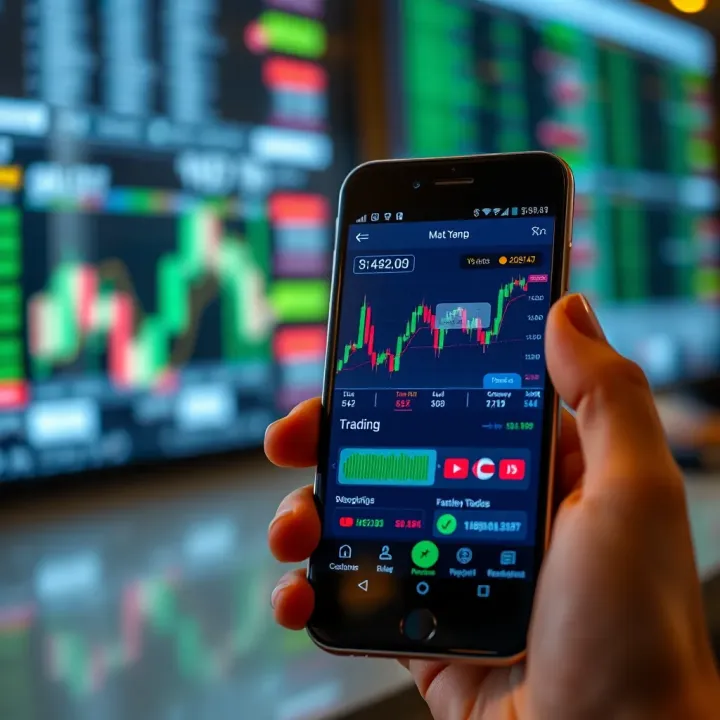
Choose the best forex trading app in Pakistan 📱Compare top options based on usability, security, local rules & get tips tailored for Pakistani traders 🇵🇰
Based on 13 reviews