
Forex Trading Training Guide for Pakistani Beginners
📈 Explore forex trading training essentials for Pakistani traders: skills, strategies, course structures, and tips to navigate market challenges confidently.
Edited By
Daniel Foster
Forex trading, also called foreign exchange trading, involves buying and selling currencies to profit from their changing values. In Pakistan, it’s become an increasingly popular avenue for investors looking to diversify beyond traditional assets like stocks and real estate.
The Pakistani forex market is unique due to specific local rules and the involvement of the State Bank of Pakistan (SBP). Unlike fully liberalised markets, forex trading here operates under tight regulations, aimed at preventing illegal money flows and protecting local financial stability.
Successful forex trading demands understanding both global market forces and Pakistan’s regulatory environment. Ignoring either could lead to unnecessary risks.
Most forex trading in Pakistan happens through platforms that offer access to global currency pairs, but the regulatory status of such platforms can vary. Traders usually rely on brokers registered with Pakistan’s Securities and Exchange Commission (SECP) or international brokers with a strong reputation.
For those starting out, it helps to get familiar with popular trading platforms such as MetaTrader 4 (MT4) and MetaTrader 5 (MT5), widely used due to their user-friendly interface and advanced tools.
Liquidity: The forex market operates 24 hours during weekdays, allowing flexible trading hours.
Low capital requirements: Traders in Pakistan can start with relatively small amounts, sometimes as low as a few thousand rupees.
Leverage: This amplifies gains but also increases risk, so it demands caution.
Currency control: SBP restricts free conversion of the Pakistani rupee, affecting some trading options.
Legal clarity: Forex trading is allowed only through authorised channels, but grey market platforms exist and carry risks.
Access to reliable information: Pakistani traders sometimes struggle with timely data due to internet issues and loadshedding.
In summary, forex trading in Pakistan offers promising opportunities for those who educate themselves about the market and local rules. By choosing regulated platforms and sensible strategies, traders can manage risks and work towards consistent results.
Getting a solid grasp of forex trading and why it attracts Pakistani traders helps you understand the local market dynamics better. Forex trading isn't just about buying and selling currencies; it reflects how the country's economy interacts with the rest of the world. For investors and traders alike, knowing the basics and why forex attracts interest can guide smarter decisions.
Forex trading, or foreign exchange, involves exchanging one currency for another. Imagine needing US dollars (USD) to pay for imports or Pakistani rupees (PKR) to send remittances back home. Forex makes this currency swapping possible. The exchange rates fluctuate based on supply, demand, economic indicators, and global events, influencing how much one currency is worth against another.
The forex market is the largest financial market worldwide, operating 24 hours a day across different time zones. Banks, businesses, governments, and retail traders participate in currency trading continuously. For example, trading starts in Asia, moves through Europe, and ends with the US session. This round-the-clock operation allows Pakistani traders to access the market at convenient times and react quickly to news or economic changes.
Forex trading offers profit chances by trading currency pairs like USD/PKR or EUR/USD. Traders speculate on whether a currency will strengthen or weaken, aiming to buy low and sell high. Even with small investments, leveraging tools can amplify gains, though risks are also higher. For instance, during political instability in Pakistan, PKR’s value can swing, creating opportunities for those watching closely.
Online trading platforms such as MetaTrader 4 and 5 make forex accessible to Pakistani traders with internet and mobile devices. These platforms offer user-friendly interfaces, charting tools, and demo accounts to practise without risking real money. Payment methods like JazzCash and Easypaisa facilitate deposits and withdrawals, overcoming local banking hurdles.
With traditional investments like property and stock markets sometimes slow or restricted, many Pakistanis look to forex as an alternative. It allows entry with relatively low capital and the ability to diversify. Traders seeking to hedge against inflation or rupee depreciation often turn to forex to protect or grow their assets.
Understanding forex trading’s core and why it appeals locally paints a clearer picture for anyone wanting to enter or advise in Pakistan’s evolving financial landscape.
Understanding the regulatory framework is essential for anyone involved in forex trading in Pakistan. It shapes how traders operate, the risks they face, and the protections available. Both the State Bank of Pakistan (SBP) and the Securities and Exchange Commission of Pakistan (SECP) play key roles in regulating forex trading activities and maintaining market integrity.
The SBP sets policies that directly affect retail forex traders, mainly through currency control and foreign exchange regulations. It regulates how Pakistani individuals and businesses can exchange foreign currencies, aiming to curb illegal currency flows and maintain market stability. For example, SBP rules restrict converting rupees into foreign currencies except for specified purposes like travel, education, or business imports.
Retail traders should be aware that these policies limit direct access to international forex markets using PKR. This means they often need to work through authorised channels or brokers complying with SBP rules. Trying to bypass official routes can lead to penalties or difficulties in funds transfer.
Additionally, the SBP places controls on capital flows to prevent excessive volatility in the Pakistani rupee (PKR). This affects forex trading strategies that depend on easy capital movement across borders. Traders should factor SBP’s limitations into their risk management plans, especially during times of currency pressure or economic uncertainty.
SBP enforces strict controls on currency exchange to prevent misuse such as money laundering or black market trading. Licensed exchange companies must follow detailed reporting requirements, and individuals must present valid identification like CNIC for currency conversions above certain thresholds.
These controls mean forex traders often face delays or limitations when transferring profits or deposits internationally. For example, withdrawing earnings in foreign currency from a Pakistani broker may require additional documentation and time because of SBP’s oversight.
Understanding these controls helps traders comply with the law and avoid unexpected disruptions. Engaging with authorised brokers and financial institutions reduces risks linked to restricted currency movements.
The SECP regulates the licensing and operation of forex brokers offering services in Pakistan. It ensures only brokers meeting strict criteria can advertise and accept local clients, helping to block fraudulent operators and scams.
Brokers must apply for a licence from SECP demonstrating their financial stability, transparency, and compliance with anti-money laundering laws. This licensing procedure protects traders by verifying that brokers follow legal and ethical standards.
For instance, an SECP-licensed broker is required to keep client funds segregated and provide clear contract terms. Clients should always check a broker’s SECP approval before investing to ensure their money is safer.
SECP has introduced several measures to protect forex traders, including mandatory disclosures of risks, clear complaint handling processes, and audits of broker operations. These rules prevent misleading marketing and protect traders from technical or financial malpractice.
Moreover, SECP monitors market practices to ensure fair dealing and transparency. If a trader encounters suspicious behaviour from a broker, they can contact SECP for investigation and possible sanctions.
In short, knowing the regulatory environment not only builds confidence but also helps traders avoid pitfalls that come from unregulated market operations or non-compliance with SBP and SECP rules.
Being informed about these frameworks is vital for forex trading success in Pakistan, where legal and financial systems have particular challenges and procedures distinct from global markets.
Choosing the right trading platform and broker is a key step for Pakistan-based forex traders. It influences not only ease of trading but also safety and reliability of funds. This section explores popular international platforms and local broker options, with insights into their pros and cons for Pakistani traders.
MetaTrader 4 (MT4) and MetaTrader 5 (MT5) are the most widely used platforms for retail forex trading worldwide, including in Pakistan. MT4 is preferred for its simplicity and robust charting tools, making it well-suited for beginners and technically inclined traders. MT5, while newer, offers additional features like more timeframes, an economic calendar, and support for stocks and commodities alongside forex. These platforms allow seamless order execution, indicator customisation, and automated trading strategies through Expert Advisors (EAs). Pakistani traders benefit from the extensive online support communities and the wide availability of these platforms through international brokers.
When using international brokers, Pakistani traders must be careful about regulatory compliance and trustworthiness. Many brokers serving Pakistani clients operate without local licencing, making funds vulnerable if disputes arise. Traders should look for brokers regulated by reputable authorities such as the UK Financial Conduct Authority (FCA), Australian Securities and Investments Commission (ASIC), or the Cyprus Securities and Exchange Commission (CySEC). Regulated brokers usually provide better consumer protection, transparent pricing, and safeguards against fraud or manipulation. It’s also wise to check broker reviews and verify withdrawal ease before committing significant capital.
Licensed forex brokers operating inside Pakistan are limited due to regulatory hurdles. Some local firms provide forex trading services but often lack the scale, technology, or exposure of international brokers. This limits product diversity and trading platforms. Also, political and economic developments sometimes lead to tighter restrictions on currency trading, making it harder for local brokers to maintain uninterrupted services. Still, emerging local brokers try to cater to traders who prefer familiar customer support in Urdu and regional languages along with local account funding options.
One advantage local brokers attempt to offer is easier deposit and withdrawal through popular Pakistani digital wallets like JazzCash and Easypaisa. These mobile payment systems reduce the hassle compared to international wire transfers or credit card payments, which often incur delays, high fees, or failure due to Pakistan's strict foreign exchange rules. Using mobile money also helps traders manage smaller amounts daily, reducing exposure. However, users must confirm if their chosen broker supports these wallets. Otherwise, they rely on intermediaries, which can add costs and delays.
Selecting the right broker and platform means balancing user-friendly features, regulatory safety, and convenient payment options to navigate Pakistan’s unique forex landscape effectively.
Effective trading strategies and practical tips form the backbone of success in Pakistan's forex market. With the volatility of the Pakistani Rupee (PKR) and local economic factors influencing currency pairs, traders must adopt approaches that fit these realities. Developing sound strategies helps mitigate risks and capitalise on market movements rather than guessing blindly.
Technical analysis involves studying past market data, mainly price and volume, to forecast future price movements. For beginners in Pakistan's forex trading scene, learning to read candlestick patterns and support/resistance levels on platforms like MetaTrader can make a significant difference. For example, spotting a double bottom pattern on the USD/PKR pair might suggest a potential bounce-back, which you can act on with timely entry and exit plans.
Besides patterns, indicators such as moving averages and Relative Strength Index (RSI) help confirm trends and overbought or oversold conditions. This practical use of charts enables more informed decisions rather than relying on tips from unreliable sources or emotional reactions to news.
Managing risk is crucial, especially for beginners who might be tempted to put large sums in a single trade. Setting stop-loss orders limits losses if the market moves against you. For instance, if you buy USD/PKR at Rs 280 and place a stop loss at Rs 277, your potential loss is capped.
Diversifying trades and not risking more than 1-2% of your capital on any single position keeps your portfolio safer during unpredictable swings. Many Pakistani traders learn this the hard way when a sudden geopolitical event hits the market. The discipline to control emotions and take losses quickly often separates consistent traders from losers.
The Pakistani Rupee tends to show considerable fluctuation due to import bills, remittances, and foreign debt servicing. Traders must watch PKR volatility closely as it directly affects forex positions, especially if trading USD/PKR or other local-cross pairs. For example, government announcements about IMF deals or SBP policy changes commonly cause sudden PKR swings.
Such volatility offers opportunities but also risks; understanding when the market is likely to be choppy helps avoid unnecessary trades. Traders should factor in these currency swings by adjusting position sizes and stay updated via credible sources such as business news channels or official SBP statements.
Events like elections, regional conflicts, or monetary policy decisions by the State Bank of Pakistan shift sentiment and market trends noticeably. For example, a sudden rise in interest rates by SBP often strengthens PKR against USD, impacting forex trades.
Keeping an eye on these developments not only helps anticipate long-term trends but also prepares traders for sudden market shocks. Pakistani traders often monitor updates from the Ministry of Finance and mainstream business news to align their strategies accordingly. Without this, trading becomes guesswork and can quickly lead to losses.
Consistent success in forex trading in Pakistan relies on combining basic technical skills with a solid grasp of local economic conditions and disciplined risk control.
By adopting technical analysis methods, managing risk with stop-loss and capital allocation, and staying aware of Pakistan's economic pulse, traders stand a better chance to profit in the often unpredictable forex market.
Forex trading in Pakistan offers opportunities yet comes with hurdles that traders must understand clearly. This section highlights common challenges related to regulations, operations, and technical aspects that impact trading success and safety.
One main challenge for Pakistani forex traders is the limitations on foreign exchange imposed by the State Bank of Pakistan (SBP). Currency controls restrict how much PKR can be converted to foreign currencies for trading, complicating deposit and withdrawal processes. For instance, traders often face delays when converting rupees into US dollars to fund accounts, affecting timely market participation. These restrictions also limit access to offshore brokers, forcing many to work through unofficial channels, which adds complexity and risk.
Another serious concern is dealing with unregulated brokers. Since SECP (Securities and Exchange Commission of Pakistan) does not licence forex brokers directly, many local traders rely on international platforms with varying degrees of oversight. Without proper regulation, the risk of scams and fraudulent practices increases. Traders sometimes fall victim to brokers who manipulate prices or delay withdrawals, eroding trust and causing financial losses. Due diligence is essential; always check brokers’ reputations and regulatory affiliations in their home countries before investing money.
Handling deposits and withdrawals poses practical issues for many Pakistani traders. Popular local payment options like JazzCash and Easypaisa are often unsupported by international brokers. This forces traders to use wire transfers, which may involve higher fees, longer processing times, and currency conversion challenges. For example, a trader in Lahore might deposit funds through a bank transfer, only to wait several days before seeing the amount reflected in their trading account. These delays hinder rapid response to market moves and can affect trading strategies.
Connectivity and loadshedding concerns add another layer of difficulty. Reliable internet and electricity access are critical for forex trading, especially for those relying on real-time data and order execution. In many areas of Pakistan, frequent power cuts disrupt trading sessions and cause internet shutdowns during peak market hours. This can lead to missed opportunities or unintended losses. Traders often rely on mobile data backups or UPS systems, but these are not failproof solutions, especially during major economic or political events requiring constant attention.
Understanding these challenges helps traders prepare better by choosing trustworthy brokers, organising flexible payment methods, and ensuring stable internet and power access.
Successfully navigating these barriers strengthens traders’ position and improves their chances in Pakistan’s forex market.
📈 Explore forex trading training essentials for Pakistani traders: skills, strategies, course structures, and tips to navigate market challenges confidently.
📊 Understand live forex trading with real-time tools, market insights, and risk management tips crafted for Pakistani traders seeking success in volatile markets.
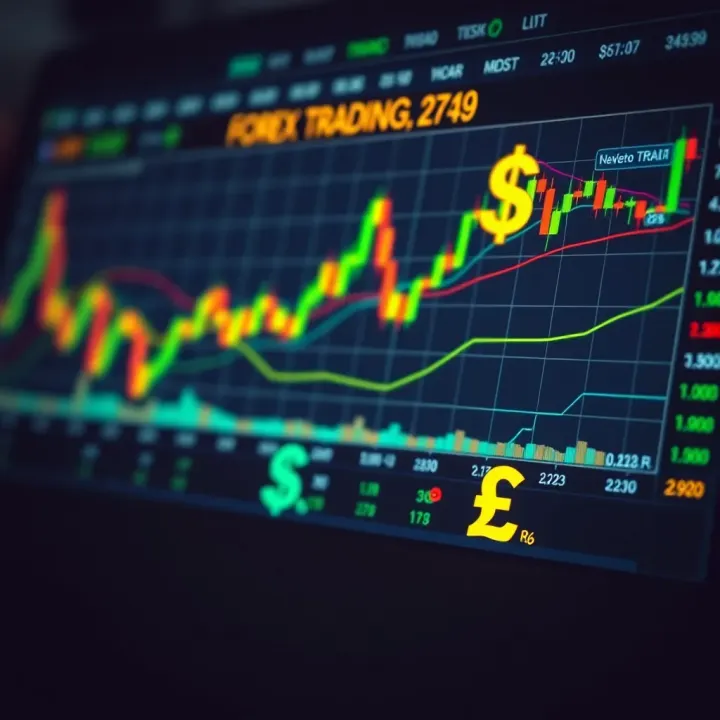
Learn forex trading basics in Pakistan 🇵🇰, from essential terms to risk strategies and technology use, with practical tips for confident trading in local markets 💹
Learn forex trading in Pakistan with Urdu language support 📈. Understand markets, legal steps, risks, and top platforms for confident trading today 🇵🇰.
Based on 8 reviews