
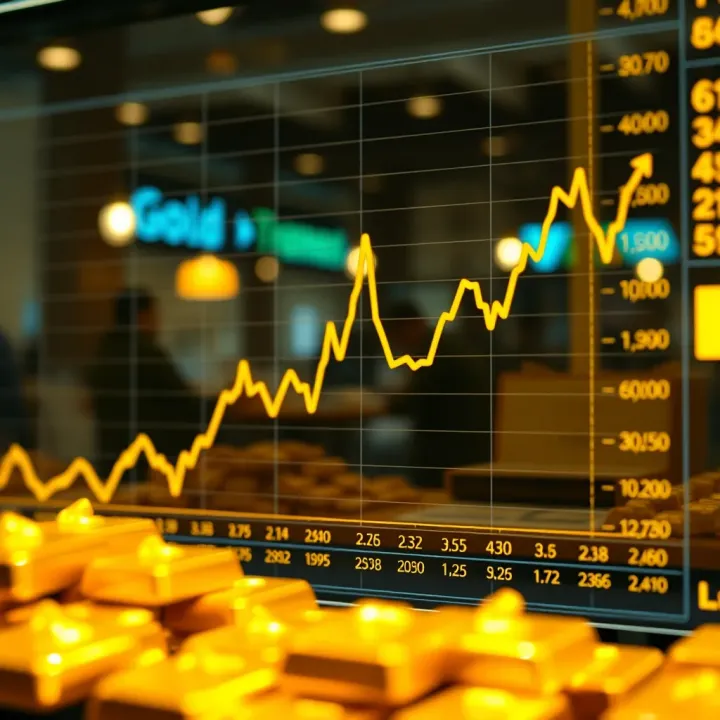
Gold Trading Prices in Pakistan Explained
Learn how gold trading prices in Pakistan shift with market trends, local demand, and policies. Get tips on tracking gold rates and making informed buying or selling choices 📈💰.
Edited By
William Harris
Gold trading in Pakistan holds a special place for both individual investors and financial experts. It is not just about purchasing gold jewellery but also about trading in gold as an asset class to preserve or grow wealth. Investors in Pakistan often turn to gold, especially during economic uncertainties or currency fluctuations, because it serves as a reliable hedge.
In Pakistan, the gold market operates through various channels including local bullion markets, government-approved banks, and the Pakistan Mercantile Exchange (PMEX). Unlike stock trading, gold trading can either involve physical gold or financial products like gold certificates and futures contracts. Understanding market prices, purity standards (measured in carats), and local demand is vital for success.
Awareness of regulations from bodies like the Pakistan Customs, Federal Board of Revenue (FBR), and the State Bank of Pakistan (SBP) is essential to navigate taxes, import duties, and compliance requirements when trading or investing in gold.
Key factors influencing gold prices in Pakistan include international gold rates, US dollar fluctuations, domestic demand during festive seasons like Eid, and geopolitical stability in the region. For instance, gold prices often peak before Eid as people increase purchases for gifts and weddings.
Portfolio Diversification: Gold tends to behave differently from equities and real estate, helping balance risk.
Inflation Hedge: Gold generally holds value against inflationary pressures particularly when the Pakistani rupee weakens.
Liquidity: Selling gold, either physical or traded via authorised exchanges, can be done relatively quickly.
Purchase physical gold from trusted jewellers or bullion dealers who ensure correct purity.
Trade gold futures or certificates via PMEX, which provides transparent price discovery and settlement.
Monitor international gold benchmarks closely; these affect local pricing due to import reliance.
By understanding these basics, investors can make informed decisions, reduce exposure to scams, and align gold trading with their financial goals effectively.
Gold trading matters a lot in Pakistan, not just as a business but also because of its cultural and economic significance. Many investors turn to gold when the local currency weakens or market volatility increases, making it a popular asset for preserving wealth. Understanding the basics of gold trading helps traders and investors make smarter decisions, avoid common risks, and seize opportunities specific to Pakistan’s market.
Gold trading involves buying and selling gold in different forms—physical bars and coins, jewellery, or financial products like ETFs and futures. Traders speculate on gold price changes to earn profits, while long-term investors use gold as a hedge against inflation or political uncertainty. In Pakistan, gold trading is widespread due to its accessibility and trust as a store of value, especially during periods of rupee depreciation or economic uncertainty.
Gold holds a special place in Pakistani society as both an investment and symbol of status. It features prominently in weddings and festivals, contributing to steady domestic demand. Economically, gold acts as a safe asset when stock markets or other investments seem unstable. For example, during periods of rupee weakness or rising inflation, many Pakistanis buy gold to protect their savings, driving up demand and prices locally. This interplay between culture and economics makes gold trading particularly relevant here.
Global demand and supply shifts influence gold prices everywhere, including Pakistan. When major economies like the US or China show signs of inflation or economic slowdowns, investors worldwide flock to gold as a refuge, pushing prices up. Conversely, if global stock markets perform well or interest rates rise, gold usually becomes less attractive, causing prices to drop. Pakistani traders keep a close eye on international gold prices, which affect local rates due to import costs.
Economic factors such as inflation, interest rates, and trade balances in Pakistan directly impact gold prices. For example, rising inflation erodes the rupee’s purchasing power, encouraging more people to buy gold to hedge against currency risk. Similarly, if the State Bank of Pakistan (SBP) raises interest rates, it might strengthen the rupee and reduce gold demand. Importantly, economic data releases like inflation reports and SBP policy announcements are closely watched by traders.
The value of the Pakistani rupee against the US dollar plays a pivotal role in gold pricing locally. Since gold is mostly imported and traded internationally in dollars, a weaker rupee makes gold more expensive in Pakistan. For instance, a drop of 1 rupee against the dollar can increase the local gold price by several hundred rupees per tola. Therefore, fluctuations in the PKR-USD exchange rate directly affect gold affordability and trading volumes.
Political uncertainty often drives gold demand higher in Pakistan. During times of unrest, elections, or geopolitical tensions, investors seek safe assets to protect their wealth. For example, ahead of general elections or during sudden political crises, gold prices usually rise as investors shy away from riskier assets. Stability, on the other hand, tends to reduce this premium and can temper gold prices.
Understanding these factors helps you stay ahead in gold trading by anticipating price movements influenced by local and global events.
Gold trading in Pakistan takes various forms, each with its own set of pros and cons. Understanding these methods helps investors and traders choose what fits their needs, risk appetite, and financial goals. From holding physical gold to trading gold through financial markets or paper instruments, each route offers different exposure, liquidity, and costs.
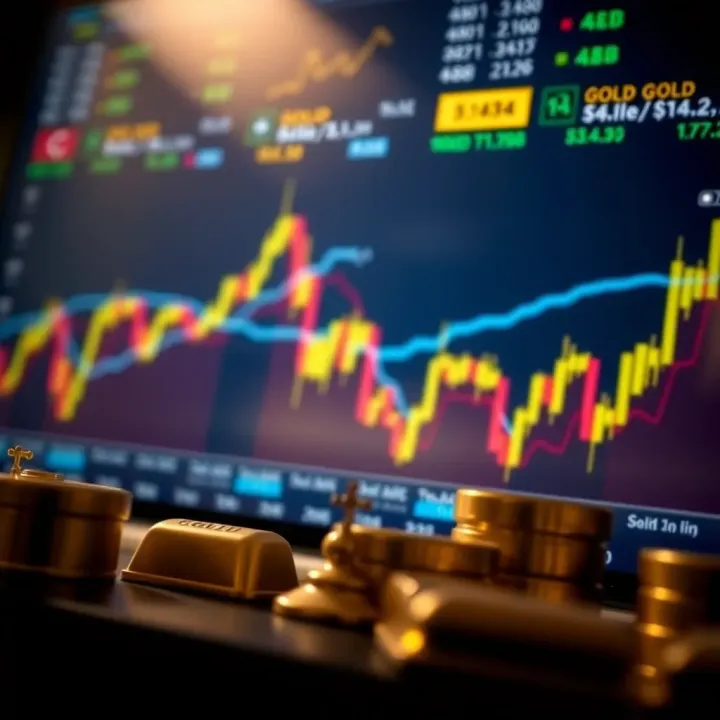
Physical gold remains the most popular method of investing in Pakistan. People traditionally buy gold coins, bars, and jewellery, partly due to cultural significance and simplicity. Gold coins and bars provide purer forms of investment with straightforward valuation based on weight and market price. For example, 24-carat coins like the Canadian Maple Leaf or local Pakistani gold coins are widely recognisable and easy to sell.
Jewellery, while cherished especially during weddings and festivals, presents some challenges as an investment. The making charges and craftsmanship mark-ups add to the cost, often not fully recoverable when reselling. Still, many Pakistanis prefer jewellery for its dual role as adornment and asset, particularly in rural areas and older families.
PMEX is Pakistan’s formal commodity exchange platform where gold futures are traded. Unlike physical gold, PMEX allows investors to trade gold contracts without owning the metal physically. This introduces more liquidity and easier market access for speculative or hedging purposes.
PMEX follows international standards and provides real-time pricing. It helps traders respond faster to price movements compared to physical gold, which requires finding buyers or sellers.
Trading gold on PMEX requires opening an account with a registered brokerage firm. Investors can participate in gold futures contracts specifying quantity and delivery dates. PMEX offers margin trading, so only a fraction of the total contract value needs to be deposited upfront.
This system suits traders interested in short to medium-term price movements without the hassle of storage or security risks related to physical gold. However, it demands understanding of futures markets and the discipline to manage margin calls.
Gold Exchange-Traded Funds (ETFs) track the price of gold and trade on stock exchanges. In Pakistan, ETFs like NBP Gold ETF offer investors exposure to gold price fluctuations without physical ownership. Investors can buy and sell ETF units on the stock exchange like shares.
ETFs are a cost-effective way for those looking to add gold to their portfolios with easy liquidity and no storage worries. They suit both retail investors and financial analysts seeking diversified exposure.
Sovereign Gold Bonds, issued by the government of Pakistan or linked schemes, allow investors to hold gold in bond form. These bonds pay periodic interest and track gold prices, making them attractive for both income and capital gain.
They eliminate physical storage problems and are backed by the state, reducing counterparty risk. Investors receive the redemption value based on prevailing gold prices at maturity.
Gold mutual funds pool investor money to invest in gold-related assets including physical gold, gold stocks, and ETFs. These funds let investors benefit from professional management and diversification within the gold sector.
For Pakistani investors who prefer not to buy gold directly or trade futures themselves, mutual funds offer a simpler alternative with lower minimum investments. They are useful for education sector portfolios or corporate investors aiming to hedge inflation risks tied to gold.
Choosing the right gold trading method depends on your objectives, risk tolerance, and convenience. Physical gold suits buyers valuing tradition and tangibility, while PMEX and paper instruments offer modern, efficient access to gold’s price moves. Understanding these options ensures smarter decision-making in Pakistan’s evolving market.
Understanding the rules and regulations governing gold trading is essential for any investor or trader in Pakistan. These guidelines ensure transparency, protect stakeholders, and maintain market stability. Having a clear grasp of the legal framework helps avoid penalties and facilitates smoother transactions.
The State Bank of Pakistan (SBP) plays a key role in regulating gold trading by managing monetary policy and overseeing foreign exchange controls. Its policies impact gold prices directly, especially through rupee valuation and foreign currency reserves. Meanwhile, the Ministry of Finance formulates tax policies and import regulations affecting gold trading. For example, decisions on customs duties or sales tax on gold imports come from the ministry, shaping overall market dynamics.
The collaboration between SBP and the Ministry of Finance ensures that gold trading aligns with Pakistan’s broader economic goals, such as controlling inflation and managing the balance of payments.
CNIC (Computerised National Identity Card) verification is mandatory for all registered gold traders and investors. This procedure helps authorities track transactions, prevent money laundering, and ensure legal compliance. When buying or selling gold, especially in significant amounts, presenting a valid CNIC is compulsory. For instance, jewellery shops and commodity exchanges require CNIC details to complete records, reducing the chances of fraudulent activity.
The Federal Board of Revenue (FBR) demands accurate reporting of profits from gold trading. Traders must maintain detailed records, file tax returns, and pay capital gains tax where applicable. Failure to comply attracts fines or legal action. For example, if an investor sells gold bars at a gain, the profit is subject to tax declaration according to FBR guidelines. Regular tax audits and challans ensure accountability in the gold sector.
Being aware of applicable tax slabs and keeping all transactions transparent can save traders from complications during FBR scrutiny.
Importing gold into Pakistan involves customs duties and taxes, which vary based on the form—whether coins, bars, or raw gold. Pakistan imposes import duties to protect local industries and regulate inflow. Traders importing gold must declare consignments and pay duties at customs checkpoints, such as Karachi Port or Islamabad International Airport.
For example, gold imports may attract customs duty ranging from 1% to 5%, plus sales tax and regulatory charges. Awareness of these duties helps traders price products competitively and avoid legal troubles. Compliance with import rules also involves submitting import permits and fulfilling documentation requirements prescribed by customs authorities.
Clear knowledge of Pakistan's gold trading regulations not only protects your investments but also promotes trust in the market, making every transaction smoother and legally sound.
This framework of regulatory oversight creates an environment where investors can trade confidently while respecting the law. Understanding the compliance landscape is therefore crucial for anyone serious about gold trading in Pakistan.
Success in gold trading depends heavily on informed decisions and adopting the right strategies. Pakistani investors must combine solid market analysis, risk management, and good timing to navigate the gold market effectively. This section highlights practical methods to improve your chances of profitable trades while avoiding common mistakes.
Technical Analysis relies on studying past price patterns, volumes, and market indicators to predict future price movements. Most traders in Pakistan use charts to identify trends, support, and resistance levels. For example, using moving averages can help spot when gold prices might be heading up or down. Technical tools like RSI (Relative Strength Index) also signal when gold is overbought or oversold, which may indicate potential reversals.
This approach suits short to medium-term traders who depend on price behaviour rather than economic news. However, technical analysis isn’t foolproof—it requires constant monitoring and understanding that global events can override chart signals quickly.
Fundamental Analysis looks at the bigger picture by examining economic indicators, geopolitical events, and demand-supply factors influencing gold prices. For Pakistani investors, key indicators include the PKR to USD exchange rate, inflation trends, and political stability within the country. For example, during times of high inflation or currency depreciation in Pakistan, gold often becomes more attractive as a hedge, pushing prices upward.
Keeping an eye on international factors like US Federal Reserve interest rates or Middle East tensions also helps. Fundamental analysis provides a longer-term view and helps investors decide when to increase or decrease exposure to gold based on broader economic trends.
Controlling risk is vital in gold trading. Never put all your funds into gold alone—diversify across other assets like stocks, bonds, or real estate. This way, if gold prices move unfavourably, your portfolio won’t suffer a heavy blow. Use stop-loss orders to limit losses on trades, especially if you trade gold on commodity exchanges like PMEX.
Diversification also means spreading investments among physical gold, ETFs, and sovereign bonds, balancing liquidity and safety. Remember, gold is generally stable but can be volatile in response to sudden global events, so protecting your downside is necessary.
Timing matters in gold trading. Buying at peaks or selling during deep dips often leads to losses. Pakistani traders should watch for seasonal trends too—for instance, gold demand tends to increase before Eid or wedding seasons, impacting price movements.
Be wary of scams or unofficial gold dealers promising unrealistic returns. Always verify credentials and conduct transactions through reliable platforms or recognised dealers. Avoid chasing quick profits based on rumours or unverified tips, which can result in significant losses.
Successful gold trading requires a blend of research, patience, and disciplined money management. Use analysis tools, diversify investments, and stay alert to Pakistan's economic shifts and global signals to trade smartly.
Gold price and demand in Pakistan do not operate in isolation; they react swiftly to global shifts and local happenings. Understanding these influences is crucial for traders and investors aiming to make informed decisions. Unexpected events like currency swings, political unrest, or economic reforms can reshape gold's performance quickly.
Since gold prices are generally quoted in US dollars, fluctuations in the Pakistani rupee against the dollar affect local gold prices directly. For example, when the rupee weakens—say it moves from Rs 280 to Rs 300 against the dollar—gold becomes more expensive domestically, even if the international price remains stable. Investors often watch currency trends closely; sudden rupee depreciation drives demand up as gold serves as a hedge against inflation and currency risk. This interplay means currency movements can create short-term price volatility, which traders should factor into their strategies.
Political uncertainty, such as election periods, government instability, or geopolitical tensions, usually pushes investors toward gold's relative safety. For instance, during the 2018 general elections in Pakistan, gold demand rose as people were cautious about the economic outlook. Similarly, economic events like sudden tax reforms, rises in inflation, or changes in import duties impact gold trading. When inflation in Pakistan ticks upward, people often turn to gold to protect their savings’ value. This demand surge during uncertain times tends to push prices higher, offering opportunities to investors who time their entry well.
In times of uncertainty, gold often outshines other investment avenues like the stock market or real estate in Pakistan. While stocks on the Pakistan Stock Exchange (PSX) can be volatile due to political news or economic policies, gold provides a more stable store of value. Unlike fixed investments in real estate that require large capital and time, gold is more liquid and accessible, especially through exchanges like PMEX or via jewellery purchases. During loadshedding crises that affect businesses, investors prefer gold for its resilience. Still, diversification remains key: mixing gold with other assets can balance risks and gains effectively.
Understanding how global currency shifts, local politics, and economic changes intertwine with gold trading enables smarter, timely decisions that safeguard investments against sudden shocks.
Traders and analysts should keep an eye on international financial news, SBP currency policies, and domestic political developments. In gold trading, a watchful eye on these factors often separates success from loss in a fluctuating market.
Learn how gold trading prices in Pakistan shift with market trends, local demand, and policies. Get tips on tracking gold rates and making informed buying or selling choices 📈💰.

Find the best trading app in Pakistan 🇵🇰 with tips on features, security, and user experience. Compare popular platforms to trade smartly and safely 📱💹.

Looking for the best trading app in Pakistan? Discover features, security, usability & local market fit to trade smarter 📈🔒🇵🇰
📈 Explore forex trading training essentials for Pakistani traders: skills, strategies, course structures, and tips to navigate market challenges confidently.
Based on 12 reviews