

Binary Options Trading Tips for Pakistani Traders
📈 Discover proven binary options trading strategies tailored for Pakistani traders. Learn risk management, practical tips, and improve your trading skills today!
Edited By
Henry Morgan
Binary trading has gained popularity across the globe, including Pakistan, but its legal footing here remains unclear to many. Unlike traditional stock or forex trading, binary options involve predicting whether an asset’s price will rise or fall within a certain time frame, often leading to quick gains or losses. This fast-paced nature draws attention but also raises questions about regulation and investor protection.
Currently, Pakistan lacks explicit laws or regulations that officially govern binary trading. The Securities and Exchange Commission of Pakistan (SECP) has not authorised any binary trading platforms locally. This means firms promoting binary options in Pakistan often operate without direct oversight, increasing risks for investors.
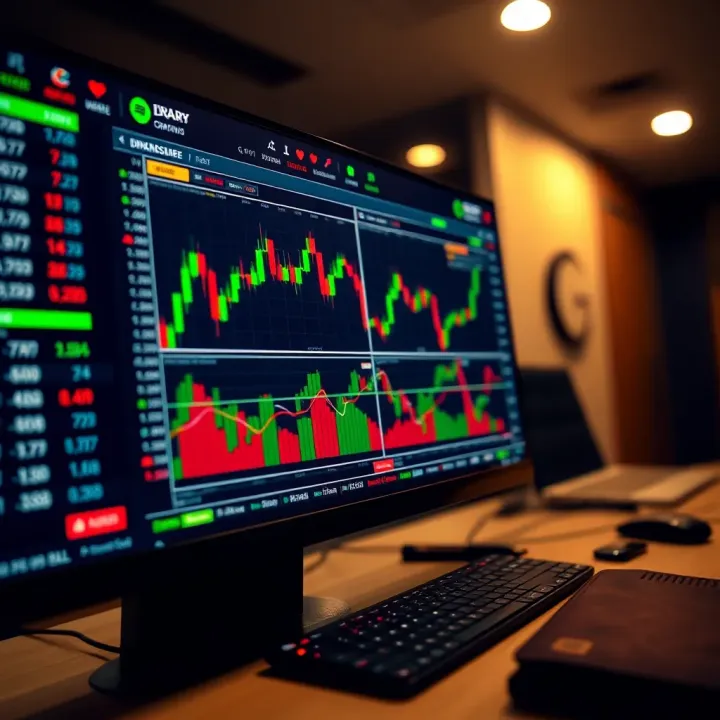
That said, financial regulators globally, including SECP’s counterparts, typically classify binary options as high-risk or speculative products. They often warn investors about potential fraud, unregulated brokers, and the likelihood of losing funds. In Pakistan, this caution is no different, especially since many binary trading websites are based offshore and might evade local legal scrutiny.
Important: Traders should know that without regulation, recovering lost money is extremely difficult if a platform proves to be a scam or shuts down abruptly.
Legality is murky: No clear laws permit or prohibit binary trading, but operating without SECP approval can be risky.
Platform legitimacy: Many brokers claim to serve Pakistani clients but lack local licences or offices.
Potential for scams: Unregulated platforms may manipulate prices or delay withdrawals.
Lack of investor protection: Unlike the Pakistan Stock Exchange (PSX), binary trading does not offer compensation schemes or regulatory safeguards.
Investors interested in binary trading should conduct thorough research, preferably consulting with licensed financial advisors or SECP notifications before committing capital. Using recognised brokerage firms with transparent operations—although rare for binary options—is safer.
In the following sections, we will explore the regulatory stance more deeply, associated risks, and practical steps for Pakistan-based investors to protect themselves while navigating this complex area.
Understanding binary trading is essential before considering any investment in this area, especially given its rising popularity in Pakistan's emerging digital finance space. It helps traders and investors recognise the risks and rewards, navigate the various platforms available, and distinguish it from traditional trading methods.
Binary trading is a financial instrument where the trader predicts whether the price of an asset will move up or down within a specified time. The return is fixed and either full or nothing, depending on whether the prediction is correct. For example, a trader might bet that the price of USD/PKR will rise within the next hour. If correct, they earn a predetermined profit; if wrong, they lose the initial investment.
In practical terms, binary trading is straightforward and popular because it requires no ownership of the underlying asset. Unlike buying stocks or forex, you only speculate on price movement, making execution quicker but also riskier.
Common platforms used globally include IQ Option, Binomo, and Olymp Trade. In Pakistan, many traders access these platforms through the internet, often using local payment services like JazzCash and Easypaisa to fund accounts. However, none of these platforms hold official registration or approval under Pakistani financial regulators, adding a layer of risk.
Compared to forex or stock trading, binary trading is simpler in execution but lacks flexibility. Forex trading involves buying one currency and selling another, with profits based on price differences. Stock trading means purchasing company shares that might pay dividends or appreciate over a long term. Binary trading offers fixed outcomes and often shorter trade durations, usually minutes or hours, unlike the holding periods in forex or equity markets.
Key features unique to binary trading include its all-or-nothing payoff and set expiry times. While this simplicity attracts some traders, it also increases the potential for loss. Other markets allow strategies like stop-loss or partial sell-offs, which are not possible in binary options. Therefore, binary trading is more akin to a bet or a wager on price movement than an investment.
Because of its structure, binary trading is riskier and less regulated compared to traditional markets, especially in Pakistan, where regulatory frameworks remain unclear.
Understanding these points is vital for traders in Pakistan to make informed decisions, weighing the ease of binary trading against the risks and legal uncertainties involved.
Understanding the legal framework surrounding binary trading in Pakistan is essential for anyone considering entering this market. This framework clarifies what rules apply, who enforces them, and how traders can operate within legal boundaries. Without this knowledge, investors may inadvertently cross regulatory lines, leading to financial loss or legal trouble.

Role of Securities and Exchange Commission of Pakistan (SECP)
The Securities and Exchange Commission of Pakistan (SECP) is the primary regulator for capital markets in the country. While SECP oversees stock exchanges and registered brokerage firms, binary trading platforms mostly fall outside its current licensing framework. SECP has issued statements reminding potential traders that many online binary platforms do not have proper authorisation, making investments risky. This means SECP’s role currently revolves around issuing warnings and potentially taking down fraudulent brokers, rather than regulating binary trading directly.
Central Bank of Pakistan's Stance
The State Bank of Pakistan (SBP) has expressed caution regarding trading in unregulated online platforms, including binary options. SBP’s main concern involves the use of foreign exchange and funds transfer, which may happen outside regulated banking channels. As a result, SBP prohibits banks and authorised dealers from facilitating transactions related to unapproved binary trading firms. This stance effectively restricts the flow of money for binary trading within Pakistan, acting as a control measure against possible scams and fund mismanagement.
FBR Guidelines and Tax Implications
The Federal Board of Revenue (FBR) treats binary trading earnings as taxable income under investment or trading revenues. Any profits from such activities must be declared in annual tax returns, and relevant taxes applied. However, since many binary platforms operate offshore, tracing and taxing these transactions becomes difficult. Pakistani traders are advised to maintain clear records of profits and consult tax experts to remain compliant. Ignoring tax obligations can lead to penalties during audits.
Public Advisories About Online Trading Risks
Both SECP and SBP regularly issue advisories cautioning the public about the risks of online trading platforms, especially those offering binary options. These notices highlight the potential for significant financial loss, unregulated brokers, and lack of legal recourse. They aim to educate investors to verify platform authenticity and avoid schemes promising guaranteed returns, which often turn out to be fraudulent.
Legal Actions Taken Against Unregulated Platforms
Authorities have taken steps against firms operating without approval, including blocking websites and pursuing legal cases. For example, SECP has issued cease orders to platforms falsely claiming affiliation with Pakistani institutions. These legal actions serve as deterrents, but enforcement remains limited due to cross-border jurisdiction challenges. Traders should stay alert to such updates and avoid platforms flagged by regulators.
Staying informed about the legal and regulatory landscape is the best defence against fraud and loss in binary trading. Pakistan's financial authorities provide warnings and impose restrictions, but traders must also exercise due diligence.
By understanding these regulatory positions and ongoing notices, Pakistani traders can better navigate binary trading's legal grey areas and protect their investments effectively.
When considering binary trading, it is crucial to understand the risks involved and the concerns that come with it, especially for traders in Pakistan. Unlike traditional investment methods, binary trading carries a unique set of challenges that can impact your financial safety and decision-making.
Binary trading is inherently risky because it works on an all-or-nothing principle—if your prediction is wrong, you lose your entire investment for that trade. This makes it easy for traders, especially beginners, to suffer significant losses quickly. Moreover, several online platforms operating in Pakistan lack proper regulation, opening the door for scams. For example, some brokers disappear with traders’ deposits or manipulate trade outcomes. It’s common to hear reports of Pakistani traders losing money to unreliable binary options brokers promising quick returns but failing to deliver.
Markets underpinning binary options, like foreign exchange or commodities, tend to be volatile. Prices can swing sharply in moments, making accurate predictions difficult. In Pakistan’s context, relying on binary trading to earn consistent income is risky since sudden market shifts often cause unexpected losses. For instance, while political developments or economic changes in neighbouring countries may affect an asset's price dramatically, binary trading does not give you the flexibility to adjust positions as you might in stock or forex trading. This unpredictability increases the chance of loss, underscoring why traders should approach binary trading with caution.
Many binary trading platforms available to Pakistani users operate without SECP approval or any licence. This lack of regulation means these brokers are not held accountable for fraud or malpractice. Cases of fake platforms luring people through aggressive advertising and then refusing to return their deposits are not uncommon. Without a system to oversee these entities, it becomes nearly impossible for traders to get legal recourse. Hence, using unregistered brokers exposes investors to severe financial and personal security risks.
Unlike regulated markets such as PSX or mutual funds, binary trading in Pakistan offers little to no protection for investors. The absence of a safety net means if you face a dispute with a binary options provider, getting assistance or compensation becomes difficult. The SECP and State Bank of Pakistan (SBP) have issued warnings against dealing with unregulated financial services, but enforcement is limited. This gap puts traders at disadvantage, especially those unaware of legal boundaries or risk management practices. In short, the Pakistani market currently doesn’t provide a safe infrastructure for binary trading.
Always check if a broker is regulated by the SECP before investing, and remember that no legitimate platform can guarantee profits in binary trading.
Understanding these risks can help you make informed decisions and avoid common pitfalls associated with binary trading in Pakistan.
Navigating the legal landscape of binary trading in Pakistan requires caution and careful decision-making. Since the regulatory environment is still evolving, knowing how to comply with local laws and choose reliable platforms protects you from scams and potential legal trouble. This section guides you through selecting trustworthy brokers, verifying platform legitimacy, and understanding your tax and legal responsibilities.
When picking a broker for binary trading, focus on those registered with recognised authorities. In Pakistan, the Securities and Exchange Commission of Pakistan (SECP) does not currently regulate binary trading platforms directly, but it's wise to prefer brokers licensed in established financial centres like the UK, EU, or Australia. Brokers should clearly disclose their regulatory status, offer transparent terms, and maintain proper customer support.
Look for platforms with a strong track record and positive user reviews, especially by Pakistani traders who understand local challenges like payment methods and currency conversions. Avoid brokers promising guaranteed returns or aggressive bonuses, as these are red flags common among fraudulent schemes.
Verifying the legitimacy of the platform means checking beyond flashy websites. Confirm if the broker's licence is from a reputable financial authority and cross-check with the regulator's official listings. You can also test withdrawal processes with minimal amounts before committing large sums. For instance, if a platform delays withdrawals or changes terms suddenly, it's better to exit early.
If you earn profits from binary trading, you're legally required to declare these earnings in your annual tax returns filed with the Federal Board of Revenue (FBR). Keeping detailed records of all trades, deposits, and withdrawals will help in accurate reporting. Since taxation on income from foreign platforms can get complicated, consulting a tax professional familiar with cross-border digital earnings proves beneficial.
Awareness of legal limits extends to understanding that certain online trading activities may fall under grey areas of Pakistani law. SECP and the State Bank of Pakistan have issued warnings about unregulated online trading and investment schemes. Therefore, avoid platforms that operate without clear licensing or urge quick investment decisions. Staying within legal boundaries means using only verified payment channels and not engaging with dubious offers.
Making informed choices about brokers and staying compliant with tax laws help you avoid pitfalls that have trapped many binary traders in Pakistan. Awareness and prudence go a long way in protecting your investments and reputation.
By following these practical steps, Pakistani traders can better manage risks while exploring binary trading opportunities, even as regulatory clarity improves over time.
Navigating binary trading in Pakistan demands caution and awareness. Practical advice can help traders reduce risks, understand local regulations, and adopt smarter approaches. It ensures that individuals don’t jump headfirst into uncertain markets without proper preparation or knowledge.
Start with demo accounts: Almost all reputable binary trading platforms offer demo accounts where you can practise trading without risking real money. This lets you understand the mechanics of binary options, test strategies, and see how market changes affect your positions. For instance, Pakistani traders can try demo accounts provided by platforms like IQ Option or Olymp Trade to build confidence before investing actual capital. Starting this way helps avoid costly mistakes that beginners often face.
Avoid high leverage and risky bets: Leverage amplifies gains but also intensifies losses. Binary trading inherently carries high risk, and layering excessive leverage only makes things worse. Beginners should avoid the temptation of placing large risky bets hoping for quick profit. In Pakistan, where investor protections are limited, it’s safer to place smaller trades within your comfort zone. For example, instead of risking Rs 50,000 on a single trade with high leverage, smaller, well-planned trades can protect your capital from sudden swings.
Local investment opportunities: For those looking to grow funds with less risk than binary options, local opportunities exist. Investing in real estate, agriculture projects, or government savings schemes can offer stability. Many Pakistanis also benefit from branchless banking schemes and pension funds that are regulated and carry lower uncertainty. Exploring these avenues allows investors to diversify assets beyond the volatile binary trading space.
Stock market and mutual funds: Pakistan Stock Exchange (PSX) provides access to equities that enjoy regulatory oversight by the Securities and Exchange Commission of Pakistan (SECP). Equity trading, though requiring more study, offers long-term growth potential. Mutual funds managed by SECP-licensed asset management companies pool investors’ money and spread risk across different stocks. For example, many Pakistanis invest in mutual funds through banks like MCB or UBL, gaining exposure to shares without actively managing trades. These alternatives provide regulated, relatively safer options than high-risk binary trades.
Practical steps such as starting with demo accounts, avoiding excessive leverage, and exploring local investments enable Pakistani traders to protect their capital and make informed decisions.
Following these pointers not only reduces risk but also aligns your trading or investing activities better with Pakistani regulatory and market realities.
📈 Discover proven binary options trading strategies tailored for Pakistani traders. Learn risk management, practical tips, and improve your trading skills today!

📈 Discover practical, clear strategies for trading binary options in Pakistan. Learn key success factors, risk control, and proven trading methods to improve results.

🔍 Explore binary option trading in Pakistan with this practical guide! Understand key features, strategies, risks & regulations for smarter decisions 🇵🇰📊

📈 Understand binary options trading in Pakistan with insights on legal status, risks, top platforms, and tips to trade smart and safe. 🇵🇰💡
Based on 6 reviews