
Best Trading Apps for Beginners in Pakistan
📊 Discover how beginners in Pakistan can pick the best trading app with low fees, user-friendly design, and local market options for smarter investing.
Edited By
Amelia Foster
Cryptocurrency trading has caught the attention of Pakistani investors looking for alternative ways to grow their wealth. With digital currencies like Bitcoin, Ethereum, and Ripple gaining value worldwide, many in Pakistan are curious about how to join the market safely and profitably.
Crypto trading means buying and selling digital coins with the goal of making a profit. Unlike traditional stocks, cryptocurrencies trade 24/7, which offers flexibility but also requires constant vigilance. For Pakistani investors, understanding the basics is essential before risking any capital.
To start trading, you'll first need to choose a reliable cryptocurrency exchange that operates in Pakistan or supports PKR deposits, like Binance, Coinbase, or local platforms such as Binance Pakistan's P2P service. Registering on these platforms involves KYC (Know Your Customer) verification using your CNIC, a necessary step to comply with Pakistani regulations.
Before diving in, it’s important to understand the risks involved. Cryptocurrencies are notoriously volatile. Prices can swing wildly within hours, influenced by global news, government policies, or even social media trends. For example, Bitcoin’s value dropped significantly after regulatory news from different countries, including Pakistan. Therefore, managing risk through small investments and diversification is wise.
Pakistani investors should also be aware of local regulatory concerns. While the State Bank of Pakistan (SBP) has expressed caution on digital currencies, trading itself remains unregulated but not illegal for individuals. However, banking channels for crypto purchases are often limited, so many rely on peer-to-peer (P2P) platforms or international exchanges.
Start with clear goals and test strategies using small amounts. Monitor your trades actively and keep records for tax purposes as the Federal Board of Revenue (FBR) has shown increasing interest in taxing crypto gains.
Trading crypto isn’t just about quick profits—it requires continuous learning, staying updated with market trends, and understanding regulatory developments in Pakistan.
Choose exchanges that support PKR or easy fund conversion
Complete your KYC verification for smoother transactions
Start small to manage volatility risk
Stay informed about SBP and FBR announcements
This guide will walk you through these fundamentals and offer practical trading tips tailored to Pakistan's unique financial landscape.
Getting a solid grasp of what cryptocurrency is and how its market operates is the first step for anyone keen on trading digital assets in Pakistan. This understanding helps you make smarter choices, avoid common pitfalls, and spot opportunities tailored to our unique financial and regulatory environment.
Cryptocurrency is a type of digital money that relies on cryptography to secure transactions and control the creation of new units. Unlike traditional currency issued by a central bank, cryptocurrencies work on a decentralised network using blockchain technology, which records transactions across many computers. This design makes it difficult to tamper with or counterfeit the currency.
For Pakistani investors, the key features to note are transparency, security, and the absence of intermediaries like banks. For example, using cryptocurrencies can enable quicker cross-border payments than traditional banking, although the regulatory environment in Pakistan still affects how easily such transactions can happen.
Bitcoin (BTC) leads the pack globally and is the most recognised in Pakistan too. Many consider it a digital store of value, similar to gold. Ethereum (ETH) is also widely used, especially because its blockchain supports smart contracts, enabling decentralised applications.
Besides these, stablecoins like Tether (USDT) have gained popularity among Pakistani traders. They peg their value to a stable asset, often the US dollar, which helps reduce the extreme volatility typical of cryptocurrencies. During loadshedding or banking delays, stablecoins offer a more reliable way to preserve value in PKR terms.
Cryptocurrency trading happens on exchanges, many of which accept users from Pakistan. Examples include Binance, Coinbase, and local peer-to-peer (P2P) platforms that allow direct trades between buyers and sellers. These platforms facilitate buying, selling, and sometimes even lending or borrowing digital assets.
Understanding which exchange suits your needs depends on factors like payment options (e.g., JazzCash, Easypaisa integration), security, and user experience. Since Pakistani banks rarely support direct crypto deposits, P2P exchanges are common as they allow PKR deposits through standard banking channels.
Crypto prices swing heavily due to supply-demand imbalances, news, global events, and shifts in investor sentiment. For example, a tweet by a global influencer or a regulatory announcement in the US can send Bitcoin’s price soaring or tumbling within hours.
In Pakistan, this volatility can be both a challenge and an opportunity. Sudden increases in price might tempt quick profits, but the market can quickly reverse. It’s essential to monitor news, understand market sentiment, and manage your risks carefully. Unlike the stock market, crypto trading runs 24/7, so prices can move even when the Pakistani stock exchange (PSX) is closed.
"Learning the basics of cryptocurrencies and market behaviour lays the groundwork for making informed trades and reducing costly mistakes in Pakistan’s emerging crypto scene."
Understanding these fundamentals will help you navigate the complex, fast-moving crypto market more confidently and set realistic expectations about potential gains and risks.
Setting off on your crypto trading journey requires careful groundwork. Without the right setup, you could lose both time and money, especially in a fast-moving market. Starting well means establishing a trustworthy trading account and handling your funds securely. For Pakistani investors, this process needs to consider local financial restrictions and regulatory norms.
Picking the right crypto exchange is your first step. Not every platform supports users from Pakistan, and some have restrictions on deposits or withdrawals in Pakistani Rupees (PKR). Platforms like Binance, Bybit, and Coinbase offer services worldwide, but you should confirm their accessibility and reputation here.

A reliable exchange must provide strong security measures and a user-friendly interface. For instance, Binance’s P2P feature allows direct PKR deposits via local banks or payment apps like JazzCash and Easypaisa. This reduces the hassle of currency conversion and high fees. Before committing, check the exchange’s customer support and withdrawal limits.
Regulations require crypto exchanges to verify your identity. This process, called Know Your Customer (KYC), usually involves submitting your Computerised National Identity Card (CNIC), a selfie, and proof of address. These steps prevent fraud and comply with anti-money laundering rules.
While verification might seem bothersome, it helps secure your account and avoid withdrawal issues later. Some Pakistani traders hesitate to verify their accounts but skipping it often leads to temporary blocks or limits. It's best to have all documents ready before registration and ensure they are valid and readable.
Once your account is ready, funding it is next. Several exchanges support deposit methods tailored for Pakistan, such as bank transfers, JazzCash, Easypaisa, or even credit/debit cards for foreign currency deposits. Keep in mind that currency conversion rates and transfer fees vary, so it’s wise to compare before proceeding.
For example, using P2P trading on Binance lets you buy crypto with PKR directly from other users using local transfer apps, avoiding hefty exchange fees. On the other hand, some platforms require converting PKR to USDT or BTC first, which can add layers of cost and delay.
Holding your crypto safely means setting up a wallet. Exchanges often offer built-in wallets, but storing large amounts there can be risky. Many Pakistani investors use hardware wallets or trusted mobile wallets like Trust Wallet for better control.
Setting up a wallet involves creating secure passwords and backing up private keys. Never share your private keys, and store backups offline if possible. Wallet security is a critical step that protects you from hacking or phishing attacks common in the region.
A secured wallet and verified trading account form the backbone of your crypto journey, especially given rising cyber threats in Pakistan.
Starting carefully not only supports smooth trades but also builds confidence to explore more advanced strategies ahead.
For beginners stepping into crypto trading in Pakistan, understanding the essential tools and strategies is key to staying ahead in a market known for its ups and downs. These basics help minimise losses while making the most of opportunities, especially when trading volatile assets like cryptocurrencies. Having the right tools and a solid grasp of fundamental trading concepts ensures you can navigate crypto markets with some confidence.
Every trader must first get comfortable with the three basic order types. A buy order is simply placing a request to purchase cryptocurrency at the current market price, while a sell order asks for selling at the going rate. Limit orders, however, are slightly more strategic: here, you specify a price at which you want to buy or sell, and the order executes only if the market hits that limit.
For example, say Bitcoin is trading at Rs 4 million but you want to buy if it dips to Rs 3.8 million. By setting a limit buy order, your purchase happens automatically if price touches Rs 3.8 million, saving you the trouble of constant monitoring. This tool is especially helpful in Pakistan where market hours overlap inconveniently with daily schedules.
Spot trading means you buy and sell the actual cryptocurrency and fully own the coins or tokens post-trade. Obviously, this is simpler and less risky — if you buy Rs 50,000 worth of Ethereum, that amount’s yours.
Leverage (or margin) trading lets you trade with borrowed funds, magnifying both gains and losses. For instance, 10x leverage means you control Rs 500,000 with Rs 50,000 capital. While tempting for higher profits, leverage demands caution, especially for beginners. The Pakistani market experiences sharp swings, so unexpected price drops can quickly wipe out your investment plus debt. It’s best to start with spot trading, get familiar with market behaviour, and move to leverage only after gaining experience.
Charts plot the price changes visually, often combined with indicators like moving averages or RSI (Relative Strength Index). These tools help predict possible price moves by identifying trends and momentum. For instance, if Ethereum’s price stays above its 50-day moving average, some traders view it as a sign of ongoing strength.
While charts provide clues, they aren’t foolproof. Beginners should combine chart readings with wider market context rather than rely on them alone. Pakistani investors often watch candlestick charts on platforms like Binance or Coinbase to spot entry and exit points clearly.
Crypto prices react strongly to global and local news. Updates about government regulation, exchange hacks, or major partnerships can move markets by large margins. For example, when the State Bank of Pakistan issues a new stance on cryptocurrencies, it influences local trading volumes and sentiment.
Keeping an eye on Pakistani financial news, international crypto-related developments, and social media channels can give advanced warning of price shifts. This helps traders avoid surprises and even spot buying or selling chances. A trader who follows events knows better when to hold or exit, reducing impulsive decisions caused by sudden volatility.
Successful crypto trading blends the right tools with a clear strategy, balancing technical insight with awareness of market news to manage risks and catch opportunities.
Managing risks and maintaining security are vital for anyone trading cryptocurrencies, especially in Pakistan's unique market environment. Crypto trading involves significant challenges due to price swings and the absence of comprehensive regulations. Taking steps to manage these risks protects your investments and ensures you trade with confidence.
Crypto markets are notoriously volatile, with prices sometimes shifting by double-digit percentages within hours. Unlike the relatively stable stock market, this means the value of your investment can rise or fall sharply without clear warning. For Pakistani traders, who often convert their holdings between PKR and foreign currencies, this volatility can impact both profits and losses significantly.
For example, Bitcoin’s price might jump from Rs 6 million to Rs 7 million in a day, but it can fall just as quickly. This unpredictability demands careful timing and readiness to act quickly or hold positions for the long term. Understanding this volatility helps you avoid panic selling during sudden drops or rushing in on rapid rises.
The crypto space in Pakistan has seen many scams targeting beginners. Fake investment schemes promise unrealistic returns, often asking people to invest through social media or WhatsApp groups. Some fraudulent platforms mimic real exchanges but are designed to steal funds.
A common scam involves Ponzi schemes, where profits of earlier investors are paid using the investments of new participants. Many fall prey to these, especially when lured by aggressive marketing or endorsement by so-called influencers. Being able to spot such traps can save you from losing your savings.
Your cryptocurrency wallet is the gateway to your funds, so securing it is non-negotiable. Always use wallets that are reputable and provide strong security features like two-factor authentication (2FA). Hardware wallets, such as Ledger or Trezor, are preferred for holding larger amounts because they store your private keys offline, making hacking nearly impossible.
Keep your wallet’s recovery phrase private and offline — never share it or store it digitally where it might be hacked. Regularly update your wallet software to protect against security flaws. Practice good password hygiene by using strong, unique passwords and changing them periodically.
Phishing attacks are common in Pakistan’s growing crypto community. These attacks usually come as fake emails, messages, or websites pretending to be trusted crypto exchanges or wallets. The goal is to trick you into revealing private keys, passwords, or clicking on malicious links.
Always double-check web addresses and avoid clicking on unsolicited links. Official platforms usually have straightforward URLs, and any slight difference can indicate a phishing attempt. Avoid sharing sensitive information via email or messaging apps. If in doubt, contact customer support directly using official channels.
Staying secure in crypto trading isn’t just about strong passwords; it means being vigilant against scams, protecting your wallet, and understanding market risks. With these measures, you can trade confidently even amid Pakistan’s fast-changing crypto scene.
By managing risks and keeping security tight, Pakistani traders can minimise losses and protect their gains, making crypto trading a safer and more rewarding experience.
Understanding the legal environment is critical for anyone involved in crypto trading in Pakistan. Clear knowledge of regulations helps traders avoid legal pitfalls and ensures compliance with local laws. Since cryptocurrency is an emerging topic here, following regulatory updates is especially necessary to protect investments and operate confidently.
The State Bank of Pakistan (SBP) has not yet authorised cryptocurrencies as legal tender. Their official position remains cautious, warning the public against using crypto for payments or remittances, mainly due to concerns over fraud and volatility. Practically, this means banks and financial institutions are barred from facilitating crypto transactions or offering services linked to them.
For traders, this stance restricts using traditional banking channels directly for crypto dealings. However, peer-to-peer platforms and some exchanges operate outside formal banking but remain exposed to regulatory scrutiny. Staying updated on SBP’s announcements helps avoid inadvertent violations.
Currently, Pakistan lacks specific legislation expressly governing cryptocurrencies or their trading. Nonetheless, general laws related to anti-money laundering (AML), counter-terrorism financing (CTF), and financial fraud apply. Traders must comply with Know Your Customer (KYC) and Anti-Money Laundering (AML) rules where applicable, typically enforced by reputable exchanges operating in the market.
Moreover, the legal ambiguity means traders should keep all transaction records and exercise caution in dealings. Some provincial authorities have advised considering cryptocurrencies under the purview of existing financial regulations until tailored laws emerge. Practically, this translates to treating crypto assets carefully and avoiding unverified platforms that may facilitate scams.
The Federal Board of Revenue (FBR) considers crypto trading income taxable under existing income tax laws, though no specific crypto tax rules are issued yet. Profits from trading cryptocurrencies are treated like capital gains or business income, depending on trading frequency and intent.
Practically, this means any gains you make from crypto trading should be reported in your annual tax returns. Ignoring this can lead to penalties or audits. Taxpayers involved in active trading would need to carefully calculate gains and losses to comply with FBR requirements.
Maintaining detailed records of all crypto transactions is crucial. This includes buy/sell prices, dates, wallet addresses, and transaction IDs. Proper documentation supports accurate tax reporting and can defend against any future tax questions.
Besides, since crypto transactions can be complex, using accounting software or professional tax advisors familiar with digital assets helps avoid errors in filing. Remember, transparency in declaring crypto gains strengthens your legal standing and helps you stay clear of trouble with tax authorities.
Staying informed about Pakistan’s evolving crypto laws and tax policies safeguards your investments and keeps your trading activities above board.
In summary, while the legal framework for cryptocurrencies in Pakistan remains in flux, understanding SBP's stance, complying with general financial regulations, and fulfilling tax obligations are essential steps for all crypto traders here.
📊 Discover how beginners in Pakistan can pick the best trading app with low fees, user-friendly design, and local market options for smarter investing.
Find the best crypto trading platform in Pakistan 🇵🇰 with tips on security 🔒, fees 💰, and user experience 👥 to trade confidently and wisely.
Explore top crypto trading platforms trusted by Pakistani investors 🔍 Learn about fees, security, and features to trade confidently in Pakistan’s digital market 🇵🇰
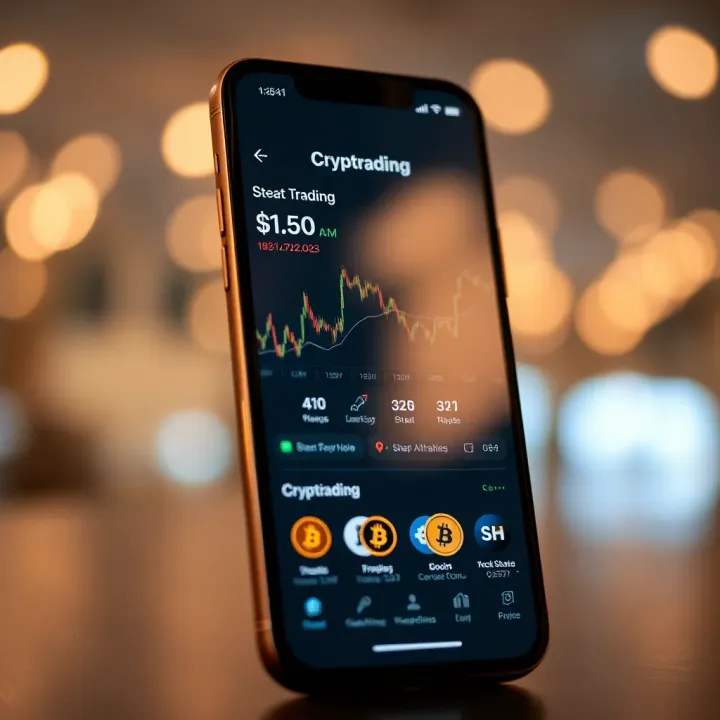
Discover how to pick the best cryptocurrency trading app in Pakistan 📱 Secure platforms, low fees, wide coin options & strong support help traders win safely!
Based on 14 reviews