

Benefits of Risk Management for Pakistani Businesses
📊 Discover how risk management in Pakistan businesses cuts losses, boosts smart decisions, saves costs, ensures compliance, and builds a stronger reputation.
Edited By
Sophie Mitchell
Project risk management plays a vital role in ensuring that projects in Pakistan meet their objectives despite uncertainties. Risks can emerge from various sources, such as political changes, economic shifts, supply chain disruptions, or infrastructure challenges common in local settings.
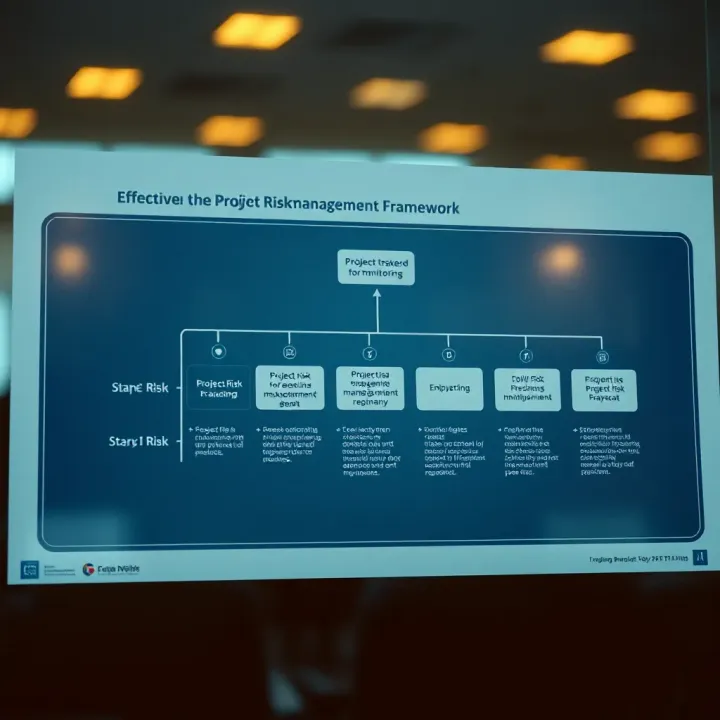
Managing these risks effectively requires a structured approach encompassing several stages: identifying potential threats, assessing their likelihood and impact, developing response strategies, and continuously monitoring risk factors throughout the project lifecycle.
Identifying risks early helps avoid surprises that could derail timelines or inflate costs. For example, a construction project near Karachi port might face delays due to unexpected customs strikes or monsoon-related floods. Recognising these risks upfront allows project managers to plan contingencies.
Assessing risks involves quantifying their potential effects. Pakistani project managers often use tools like risk probability-impact matrices or qualitative techniques such as expert judgment. These assessments guide prioritisation — focusing attention and resources on high-impact, likely risks.
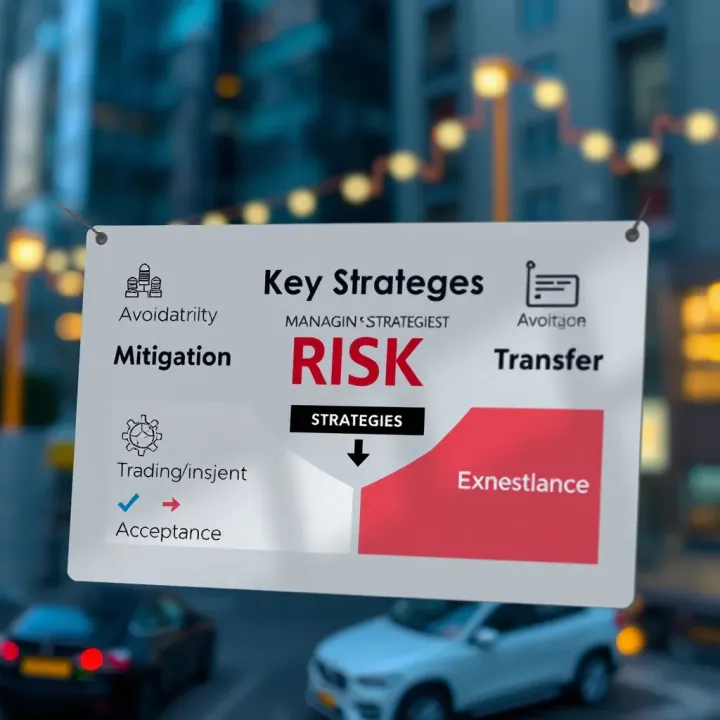
Response planning includes options like risk avoidance, mitigation, transfer (through insurance), or acceptance. In Pakistani infrastructure ventures, transferring risks via contracts with suppliers or contractors is a common practice to limit exposure.
Active monitoring ensures that new risks are caught early and responses remain relevant. Given Pakistan’s dynamic environment — including policy shifts or fuel price changes — this step is critical for adapting plans in real-time.
Effective risk management reduces uncertainties and enhances confidence among stakeholders, helping projects progress smoothly despite challenges.
Key takeaways:
Risk management is an ongoing process, not a one-time task.
Tailor risk techniques to local contexts, considering political, economic, and environmental factors.
Use practical tools like risk registers and regular team reviews to track risks efficiently.
By following these principles, Pakistani traders, investors, and project leaders can safeguard investments and improve chances of successful project delivery, even in a complex operating environment.
Grasping the concept of project risk and its potential impact is fundamental for anyone involved in managing or investing in projects. In Pakistan’s business environment, where factors like political shifts, regulatory changes, and infrastructure challenges frequently influence project outcomes, understanding risk helps prevent costly surprises. This understanding allows project managers, financial analysts, and investors to prepare proactive strategies that safeguard budgets, timelines, and quality.
Project risks vary widely but generally fall into categories such as technical, financial, environmental, and operational risks. For example, a construction project in Karachi might face technical risks like delays due to machinery breakdown or unforeseen soil conditions. Financial risks could include currency depreciation affecting imported materials costs. Recognising these types ensures risks are not lumped together; instead, specific risks are identified for targeted management.
Many confuse risks with issues, but the difference is clear: risks are potential problems that may or may not occur, while issues are problems happening now. For instance, anticipating a delay due to monsoon rains is a risk; however, a current shortage of cement on site is an issue to resolve immediately. Identifying this distinction helps teams prioritise their response and allocate resources correctly.
Risks can severely affect a project’s budget and schedule. Consider a software development project where unexpected changes in regulatory compliance demand extra coding and testing, inflating costs and extending deadlines. In Pakistan, fluctuating fuel prices impact logistics expenses significantly, often pushing projects over budget. Early identification of such risks keeps financial planning realistic and timelines manageable.
Risk also affects project quality and scope. If risks cause cuts in materials or workforce, a project might compromise on quality standards or reduce the original project scope. For example, a real estate development facing land acquisition disputes may shrink the project size, affecting overall returns. By understanding these risks early, stakeholders can negotiate project adjustments or find alternate solutions that maintain desired quality and deliverables.
Understanding risk allows informed decision-making, making it easier to keep projects on track despite uncertainties, especially in complex Pakistani business conditions.
Key takeaway: Differentiating types of risk and issues clarifies control measures.
Real example: Karachi port expansion delaying due to unexpected legal challenges impacting costs and deadlines.
Practical benefit: Project managers can allocate budgets and plan contingencies efficiently, avoiding cost overruns.
Identifying risks early is vital for managing potential threats to a project's success. Without knowing what could go wrong, traders, investors, and project managers only react to problems after they arise, often leading to cost overruns or missed deadlines. In Pakistan's business and infrastructure sectors, where markets are volatile and conditions change fast, risk identification helps anticipate challenges before they spiral out of control.
Internal risks originate within the project or organisation itself. These might include a lack of skilled labour, equipment failure, or poor communication between teams. For example, a construction project in Karachi might face internal risks like inadequate drainage design leading to flooding during monsoon season. On the other hand, external risks come from outside the project environment and are usually beyond direct control. Political instability, regulatory changes by the Securities and Exchange Commission of Pakistan (SECP), or fluctuating exchange rates affecting imported materials are typical external risks that project managers must monitor.
Both types require distinct approaches: internal risks can often be mitigated by improving processes, while external risks demand contingency planning and active monitoring of the macro environment.
Technical risks stem from uncertainties related to the project's technology, tools, or methods. For instance, a software development project might encounter delays due to untested technology or compatibility issues with older systems prevalent in local banks. Environmental factors include natural and socio-economic elements impacting the project. In Pakistan, unexpected heavy rain causing flooding or loadshedding disrupting operations are common environmental risks. Understanding these factors early helps in planning suitable safeguards, such as selecting reliable tech platforms or scheduling activities around expected power outages.
Gathering the project team and stakeholders in brainstorming sessions is a powerful way to uncover potential risks. These discussions encourage sharing diverse perspectives and unforeseen threats. For example, during the planning of a real estate development in Islamabad, brainstorming might reveal risks like delays in obtaining permits from local authorities or challenges with soil quality.
Brainstorming works best when all voices are heard, and no idea is dismissed early. Documenting every identified risk creates a broader pool to address later in the project.
Checklists are practical tools compiling common risks based on previous projects or industry standards. Using a checklist ensures no typical risks are overlooked. For instance, in Pakistani infrastructure projects, checklists may include risks like supply chain delays due to customs inspections or labour strikes.
The risk register, meanwhile, is a living document where identified risks are listed, described, and tracked throughout the project lifecycle. It allows teams and investors to monitor changes and responses systematically, supporting transparent decision-making.
Consulting with stakeholders—such as suppliers, regulators, or clients—provides valuable insights into risks that internal teams might miss. For example, feedback from WAPDA on power availability can highlight risks related to electrical supply for manufacturing projects.
Engaging stakeholders early builds trust and may even secure their assistance in risk mitigation. It ensures the project stays aligned with external expectations and regulatory requirements.
Proactive risk identification lays the foundation for effective risk management. Ignoring this step can undermine even the best-planned projects, especially in Pakistan's dynamic economic and regulatory environment.
Analysing and evaluating project risks form the backbone of sound project management. This stage ensures that risks aren't just listed but are understood in terms of their potential impact and likelihood. Without thorough analysis, project teams may waste resources on minor risks while failing to prepare for major threats that could derail timelines or budgets. For example, in construction projects around Karachi, failing to evaluate the risk of seasonal monsoon rains accurately can lead to costly delays and damage.
This matrix provides a straightforward way to visualise risks based on how likely they are to occur and how severe their impact would be. The probability axis might range from rare to almost certain, while the impact axis covers minor to critical effects on the project. Pakistani project managers often use this in workshops to quickly focus team effort on high-priority risks. For instance, if a risk is rated as 'high probability' and 'critical impact', it jumps to the top of the action list.
Once risks are assessed qualitatively, they need to be prioritised to allocate resources efficiently. Prioritisation helps prevent the common mistake of treating all risks equally, which is especially important in resource-constrained environments like Pakistani SMEs. By focusing on risks that can heavily affect cost or deadlines, teams save time and reduce stress. Using simple rank ordering or scoring systems can make this clear for everyone involved.
EMV assigns a financial value to each risk by multiplying its probability with possible losses or gains. This technique guides decision-making by highlighting where money should be invested to manage risks. For example, in a Rs 10 crore infrastructure project, if the risk of heavy equipment breakdown has a 10% chance causing Rs 1 crore loss, the EMV is Rs 10 lakh. Understanding such numbers helps sponsors grasp potential financial exposure.
This method identifies which risks have the largest influence on project outcomes by changing one variable at a time. It's particularly useful when there are many uncertainties. Pakistani project managers in sectors like IT or textile manufacturing may run sensitivity analysis to see how shifts in raw material costs or exchange rates affect profitability, helping them prepare for worst-case scenarios.
Simulation models, like Monte Carlo, use repeated random sampling to predict risk outcomes over many iterations. Though they require more data and technical skill, they offer a detailed risk profile. This approach is gaining ground in Pakistan's financial and energy sectors where projects face complex interdependencies and uncertainties. By simulating numerous outcomes, managers can better plan contingencies and allocate buffers effectively.
Effective analysis and evaluation of risks enable informed decisions, not only reducing the chance of unpleasant surprises but also maximising opportunities through better preparedness.
Ultimately, combining qualitative and quantitative analysis helps project teams in Pakistan navigate uncertainties with clarity and confidence, increasing the chances of project success without overspending on needless precautions.
Having a clear plan to manage project risks is essential to keep projects on track. Developing strategies to manage risks means deciding how to deal with the risks once they've been identified and analysed. Without this step, risks can derail progress, causing delays and increasing costs. This is especially true in Pakistan, where challenges like unstable power supply and currency fluctuations add complexity to project execution.
Avoidance means taking steps to completely remove a risk from your project. For example, if foreign exchange volatility threatens budget overruns, opting to contract local suppliers instead of importing materials can avoid this risk. Mitigation, on the other hand, reduces the impact or likelihood of a risk without eliminating it. If sudden loadshedding might disrupt work at a construction site, planning for backup generators helps mitigate delays.
Both approaches focus on proactive measures. Avoidance is often preferable but can limit opportunities, while mitigation accepts some risk but tries to keep it manageable. Choosing between them requires understanding the project environment and costs. In Pakistan’s infrastructure projects, combining avoidance and mitigation is common to tackle unpredictable risks effectively.
Acceptance involves recognising a risk but deciding not to act immediately, either because the risk is minor or because the cost of action is too high. For instance, a small chance of a minor delay due to monsoon rains might be accepted if the project timeline has built-in flexibility. This approach saves resources but requires continuous monitoring in case the risk escalates.
Transfer means shifting the risk impact to a third party, usually via insurance or outsourcing. A telecom project in Karachi might transfer the risk of equipment failure by using vendors who provide guaranteed after-sales support. This reduces direct exposure while maintaining project continuity. Both acceptance and transfer allow managers to handle risks without heavy upfront investment, but they also require clear contracts and reliable partners.
The project manager plays a central role in managing risks. They coordinate risk response planning, allocate resources, and ensure the risk management process stays on course. In Pakistan’s dynamic business environment, this role includes staying alert to sudden policy changes or market shifts that can affect risk profiles. A competent project manager not only plans responses but also fosters a risk-aware culture among teams, encouraging early reporting and quick action.
Risk management is a team effort. Involving project teams and stakeholders ensures diverse insights into potential risks and ensures everyone understands their part in dealing with them. For example, consulting local suppliers and community leaders can reveal risks overlooked from outside perspectives, such as regional unrest or transport disruptions.
Assigning clear responsibilities helps prevent gaps in handling risks. When each team member knows their duties—from monitoring specific risks to activating contingency plans—the project can respond faster and more effectively. This collaborative approach suits Pakistan’s complex project environments where stakeholder cooperation often determines success.
Clear strategies and shared responsibilities turn risk management from a mere checklist task into a powerful tool that improves project resilience and confidence.
Managing risks during the execution phase of a project is essential to keep the project on track. Once risks are identified and response plans are in place, ongoing monitoring ensures any changes or new issues are caught early. This helps avoid surprises that could derail timelines, budgets, or quality. For example, in infrastructure projects in Karachi, unexpected monsoon floods may introduce unplanned risks, requiring quick adjustment and control.
Risk Audits and Reviews involve regularly checking how well risk management processes are working. These audits assess whether the planned risk responses are effective and whether any operational gaps or oversights exist. For instance, a risk audit in a construction project might uncover that subcontractor delays are not being tracked closely enough, prompting immediate corrective measures. This process ensures accountability and keeps the team vigilant.
Updating Risk Registers means keeping the document that stores information about all identified risks current. As projects progress, some risks may fade while others arise. Updating the risk register helps reflect these changes and includes the status of mitigation efforts. For instance, a power outage risk originally flagged during planning might become less relevant after acquiring backup generators, but a new security threat may require inclusion. Accurate risk registers improve decision-making and prioritisation.
Contingency Planning prepares the project team for possible risk events that might happen despite preventive measures. This involves defining alternative plans ready to deploy if things go south. For example, a software development team in Lahore might set up a contingency for server failure to switch to cloud backup instantly, reducing downtime. Contingency plans minimise damage by providing clear, actionable steps during emergencies.
Communication During Risk Events focuses on timely and transparent information sharing when a risk becomes a reality. Prompt communication helps coordinate responses, manage stakeholder expectations, and reduce panic or confusion. In Pakistan's volatile economic environment, for example, if currency depreciation affects project costs, informing finance teams and sponsors immediately allows quick currency hedging or budget revision. Clear communication channels ensure everyone stays on the same page during critical moments.
Effective risk monitoring in project execution isn’t just a formality—it’s the safeguard that helps projects adapt and survive unforeseen challenges, especially in complex and dynamic environments like Pakistan’s business and infrastructure sectors.
By putting these practices into place, project managers can keep risks under control, reduce surprises, and improve the chances of successful project completion within scope, cost, and time.
📊 Discover how risk management in Pakistan businesses cuts losses, boosts smart decisions, saves costs, ensures compliance, and builds a stronger reputation.

Explore key actuarial science and risk management concepts 🧮 to assess and control financial risks, helping businesses in Pakistan make smarter decisions 📊.

📈 Discover practical, clear strategies for trading binary options in Pakistan. Learn key success factors, risk control, and proven trading methods to improve results.

📊 Understand binary quotes in financial trading, learn how they work, factors affecting them, and practical tips for Pakistani traders to make smart decisions.
Based on 14 reviews