
Best Trading Apps in Pakistan: A Practical Guide
Find the best trading app in Pakistan 🇵🇰 with tips on features, security, and user experience. Compare popular platforms to trade smartly and safely 📱💹.
Edited By
Sophia Bennett
Forex trading has become increasingly popular in Pakistan, especially with growing internet access and more digital payment options like JazzCash and Easypaisa. It allows traders to buy and sell foreign currencies, aiming to profit from exchange rate movements. However, understanding how forex markets work and the legal framework in Pakistan is essential before jumping in.
Forex trading is not like traditional stock trading where you buy shares of a company. Instead, you deal in currency pairs such as USD/PKR or EUR/USD. When you think the value of one currency will rise against another, you buy it, and when you expect it to fall, you sell. This offers opportunities but also risks due to the volatility involved.
Many beginners in Pakistan confuse online forex trading with unregulated platforms, leading to legal troubles or financial losses. Knowing how to operate within Pakistan’s rules is critical.
The State Bank of Pakistan (SBP) regulates forex activities, ensuring that trades comply with currency laws. Only brokers approved by the Securities and Exchange Commission of Pakistan (SECP) and Pakistan’s regulatory bodies should be trusted for forex trading. Using foreign brokers might be risky and possibly illegal if they don't have proper licences or local partnerships.
Open a trading account with an SECP-licensed brokerage firm.
Complete Know Your Customer (KYC) steps using your CNIC.
Fund your trading account through approved payment methods like bank transfers or mobile wallets.
Use compliant trading platforms offered by the broker to execute trades.
MetaTrader 4 and MetaTrader 5 are widely used for forex trading.
Some local brokers provide their own platforms customised for Pakistani traders.
Trading through these platforms with clear terms reduces the risk of scams or unexpected charges.
With the right approach, knowledge, and legal backing, forex trading in Pakistan can be a viable way to diversify income streams. The key is to stay informed, choose regulated avenues, and practise disciplined risk management.
Understanding forex trading is crucial for anyone in Pakistan looking to explore investment opportunities beyond traditional markets. This section lays the foundation by explaining forex basics, which helps readers navigate the complex world of currency exchanges confidently. Given the growing interest in forex among Pakistanis, knowing what forex trading entails, how it works, and why it appeals locally can save you from costly mistakes and open doors to earning potential.
Forex trading refers to buying and selling currencies against each other in the foreign exchange market. It operates 24/7 globally, providing liquidity and opportunities to trade currency pairs. For example, when a trader buys USD/PKR, they are buying US dollars while selling Pakistani rupees, aiming to profit if the dollar's value increases against the rupee.
This market itself is the largest financial exchange on earth, with daily volumes exceeding $6 trillion. Unlike stock markets, forex trading involves currency pairs, so understanding these basics is essential to participate effectively.
Currencies trade in pairs such as EUR/USD or USD/PKR. The first currency is the base, and the second is the quote currency. The pair's price shows how much of the quote currency is needed to buy one unit of the base currency. For instance, if USD/PKR is 280, it means Rs 280 are required to buy one US dollar.
This system helps traders speculate on either currency's strength. If you expect the rupee to weaken against the dollar, you would buy USD/PKR. If it strengthens, you might sell, aiming to buy back cheaper later.
The forex market is decentralized, operating through a network of banks, brokers, and financial institutions worldwide. It never sleeps as different time zones open and close, from Asia to Europe and America.
For Pakistanis, this means forex markets are accessible at almost any time, allowing flexibility to trade according to your schedule. The global reach also ensures constant price movements, enabling short-term profit possibilities.
Pakistan’s economy often experiences currency volatility due to factors like trade deficits, political changes, or foreign debt repayments. This volatility creates chances for forex traders to profit from price swings.
For example, when the rupee suddenly depreciates against the dollar, traders who anticipated this move can gain by holding USD/PKR positions. This makes forex attractive compared to fixed-income investments that don’t respond quickly to economic shifts.
Online trading platforms have made forex accessible to Pakistanis with just a smartphone and internet connection. Platforms like MetaTrader 4/5 and local brokers support Pakistani payment methods such as JazzCash and Easypaisa, simplifying deposits and withdrawals.
This digital ease removes barriers related to geography or banking constraints. So, even traders from smaller cities or rural areas can participate, provided they understand the risks involved and trade through authorised brokers.
Forex trading combines global market dynamics with local opportunity, but success depends on solid knowledge of currency behaviour and careful strategy. Start with the right information to trade smartly and avoid pitfalls.
Starting forex trading in Pakistan needs careful attention to legal, practical, and financial details. Pakistan’s growing interest in forex offers opportunities, but proper steps ensure safe and smoother trading. This section covers the legal framework, choosing a trustworthy broker, and setting up your account efficiently.
The State Bank of Pakistan (SBP) plays a key role in regulating forex-related activities. While SBP primarily controls the foreign exchange market for official transactions like imports, exports, and investments, it also monitors cross-border currency flows. Though SBP doesn’t regulate every aspect of retail forex trading, it remains the main institution ensuring that currency dealings follow Pakistan’s financial laws.
Pakistan's regulatory environment for forex is somewhat restrictive compared to other countries. Local laws only allow trading through authorised brokers that comply with SBP rules and often require foreign exchange transactions to be routed via legal channels. This framework helps prevent illegal money flows and fraud, but it means traders must stick to authorised routes for deposits and withdrawals.
Dealing only with authorised brokers is vital to avoid financial loss and legal trouble. Illegal brokers often promise high returns with little transparency, but trading through them risks your capital and can lead to regulatory penalties. Always verify whether a broker is registered with relevant authorities or holds an international licence recognised in Pakistan.
When selecting a forex broker, look for these features:
Valid regulatory licence recognised locally or internationally
Transparent fee structure without hidden charges
Strong customer support with Urdu-speaking staff
Convenient deposit and withdrawal methods suitable for Pakistanis
User-friendly and stable trading platforms
Popular brokers serving Pakistani traders include firms like FXTM, OctaFX, and XM. These brokers offer localised services such as deposits via JazzCash or Easypaisa and provide Urdu support at times. Such brokers also provide educational resources tailored for Pakistan’s market conditions.
To verify broker licences, check official regulatory websites such as the Securities and Exchange Commission of Pakistan (SECP) or international authorities like the Financial Conduct Authority (FCA) or Cyprus Securities and Exchange Commission (CySEC). Brokers with authentic licences publish licence details openly, making verification straightforward.
Opening a forex trading account in Pakistan usually requires valid identification, primarily the Computerised National Identity Card (CNIC). Some brokers may also ask for proof of address or income source to meet Anti-Money Laundering (AML) regulations.
The deposit and withdrawal process must be simple and secure. Most brokers accept international payment methods, but Pakistani traders prefer local options like bank transfers, JazzCash, and Easypaisa due to their convenience and reliability.
Using JazzCash and Easypaisa is becoming quite common for funding trading accounts. These platforms provide quick transfers and smaller minimum deposit options, making forex trading more accessible to investors without international payment cards.
Always ensure your chosen broker supports your preferred payment methods and confirm withdrawal timings to avoid surprises.
In short, starting forex trading in Pakistan needs clear understanding of legal restrictions, careful broker choice, and hassle-free account setup using locally familiar payment systems. This approach keeps your trading experience secure and efficient.
Starting forex trading without solid strategies and the right tools is like setting off on a long trip without a map. For beginners in Pakistan, understanding basic trading techniques and familiarising yourself with popular platforms can prevent common pitfalls and improve your chances of making consistent profits.
Understanding technical and fundamental analysis is essential for anyone keen on forex trading. Technical analysis involves studying price charts and using indicators to predict future market movements. For instance, Pakistani traders might observe the USD/PKR pair's price trends and use moving averages to spot when to enter or exit trades. Fundamental analysis, on the other hand, considers economic news, political events, and central bank policies—like the State Bank of Pakistan’s interest rate decisions—which directly impact currency values.
Familiarity with common chart patterns and indicators helps traders make informed decisions. Patterns like 'head and shoulders' or 'double top' signal potential reversals, while indicators such as the Relative Strength Index (RSI) highlight overbought or oversold conditions. These tools allow traders to spot opportunities early, manage risk, and time their trades better.
MetaTrader 4 (MT4) and MetaTrader 5 (MT5) remain the go-to platforms for most Pakistani forex traders. These platforms offer user-friendly interfaces, a variety of technical indicators, and automated trading options through Expert Advisors (EAs). For example, a trader in Karachi can use MT4 on their mobile to monitor the forex market and place orders whenever they want, even during loadshedding.
Many brokers also offer broker-specific platforms tailored to their services. These may have integrated learning tools, local payment options like JazzCash and Easypaisa, and dedicated customer support in Urdu. While MT4/5 are popular for their flexibility, using a broker's own platform can be advantageous when it comes to ease of deposits and withdrawals or specialised features.
Setting stop losses and take profits is a fundamental risk management technique. Stop loss limits your maximum loss on a trade by automatically closing it at a preset price, helping you avoid heavy losses during market swings. For instance, if you buy EUR/USD at 1.1000, setting a stop loss at 1.0950 means you won’t lose more than 50 pips if the market goes against you. Similarly, take profit ensures you lock in gains once the price reaches your target, preventing emotional decisions to hold or sell too soon.
Managing leverage carefully is another key to protect your capital. While leverage can multiply profits, it can also amplify losses, especially in volatile markets like forex. In Pakistan, brokers often offer leverage up to 1:500 or more, but beginners should start with lower leverage (like 1:10 or 1:20) to keep risks manageable. Overuse of high leverage has led many new traders to blow up their accounts quickly, so caution here is non-negotiable.
Smart trading is not about chasing big wins but managing risks and staying consistent.
With the right strategies and tools, you can navigate the forex market with more confidence and avoid common mistakes that beginners often face in Pakistan's trading environment.
Understanding the challenges and risks involved is critical for anyone trading forex in Pakistan. This section highlights common pitfalls and offers practical ways to navigate them, helping traders protect their investment and improve their chances of success.
Economic events such as changes in interest rates, political developments, or trade policies can drastically affect currency values. For example, when the State Bank of Pakistan adjusts its policy rate, the Pakistani Rupee can experience sudden shifts against other currencies like the US dollar. This volatility creates both opportunities and risks for traders.
Managing sudden price swings requires vigilance and a clear strategy. Traders should keep an eye on news from Pakistan and global markets to anticipate possible movements. Using stop-loss orders can limit potential losses when prices swing unexpectedly, while understanding typical market behaviour around major announcements helps avoid hasty trades.
Scams are a significant risk in forex, especially with unregulated or offshore brokers targeting Pakistani traders. Warning signs include promises of guaranteed profits, pressure to deposit large sums quickly, and lack of clarity about company regulations. For instance, if a broker refuses to provide a valid licence or hides their regulatory status, it should raise immediate red flags.
To protect yourself, always verify brokers through Pakistan's regulatory bodies or well-known international organisations. Use brokers registered with reputable authorities and never share sensitive information recklessly. Stay wary of unsolicited calls or messages promising easy earnings, and rely on official platforms to fund and withdraw money safely.
Emotional discipline plays a big role in trading success. It is easy to get swayed by excitement after a win or panic after a loss. Controlling emotions helps prevent decisions based on fear or greed, which often lead to losses. Regularly reviewing your trading plan and sticking to it reduces emotional trading.
Avoid impulsive decisions by setting clear rules for opening and closing trades. For example, decide your risk level before entering a trade and stick to stop-loss limits without second-guessing. Taking breaks when feeling overwhelmed and analysing your trades objectively helps maintain a balanced mindset.
By recognising these challenges and preparing accordingly, forex trading becomes a more manageable and informed endeavour for Pakistanis, increasing the chance of steady progress over time.
Access to quality resources in Urdu plays a vital role for Pakistani forex traders. Using learning materials in the local language helps break down complex forex concepts, making them more understandable and approachable. It also bridges the gap between theoretical knowledge and practical application, especially for beginners who may find English-heavy content challenging.
Recommended Urdu-language courses offer structured learning tailored to Pakistani traders’ needs. These courses usually cover the basics of forex trading, legal guidelines specific to Pakistan, and practical trading strategies. Platforms like Udemy and Coursera sometimes offer Urdu courses on forex basics, while local training centres deliver focused sessions in Urdu that explain using real-life examples relevant to Pakistan.
YouTube channels and websites provide free and accessible tutorials in Urdu, enabling learners to absorb information at their own pace. Channels such as "Arif Habib Forex" and "Forex Pakistan" offer step-by-step guides on meta trader platforms, technical analysis, and risk management. Websites dedicated to Urdu content often include blogs, forex news updates, and quick tips that are quite helpful for staying updated.
Popular books translated into Urdu are valuable tools for those who prefer reading offline or want detailed explanations. Books like "Forex Trading for Beginners" by John Smith or similar fundamental guides have Urdu editions that explain the workflow of currency pairs, leverage use, and market psychology in simple terms.
Where to find credible forex guides matters a lot since misinformation can mislead traders. Trusted sources include local finance magazines, Pakistani investment forums, and the official websites of reputable brokers who often provide downloadable PDFs or articles in Urdu. Checking content validity against recognised financial authorities like the SBP enhances confidence.
Local forums and social media groups allow traders to connect, share experiences, and discuss market movements in Urdu. Spaces on Facebook and Telegram where Pakistani traders gather offer real-time discussions, often sharing Pakistani-specific trading challenges such as effects of rupee fluctuations or sudden news impacting the market.
Mentorship options provide more personalised support, helping beginners avoid common pitfalls. Pakistani traders often find mentors through local trading clubs or online platforms, where seasoned traders offer one-on-one coaching in Urdu. This direct guidance can expedite learning by focusing on practical skills and local market nuances.
Using Urdu-based resources not only boosts learning but also builds confidence to trade effectively within Pakistan’s forex environment. Taking advantage of these materials helps traders approach markets with better understanding and reduced risk.
Find the best trading app in Pakistan 🇵🇰 with tips on features, security, and user experience. Compare popular platforms to trade smartly and safely 📱💹.
Looking for the best trading app in Pakistan? Discover features, security, usability & local market fit to trade smarter 📈🔒🇵🇰
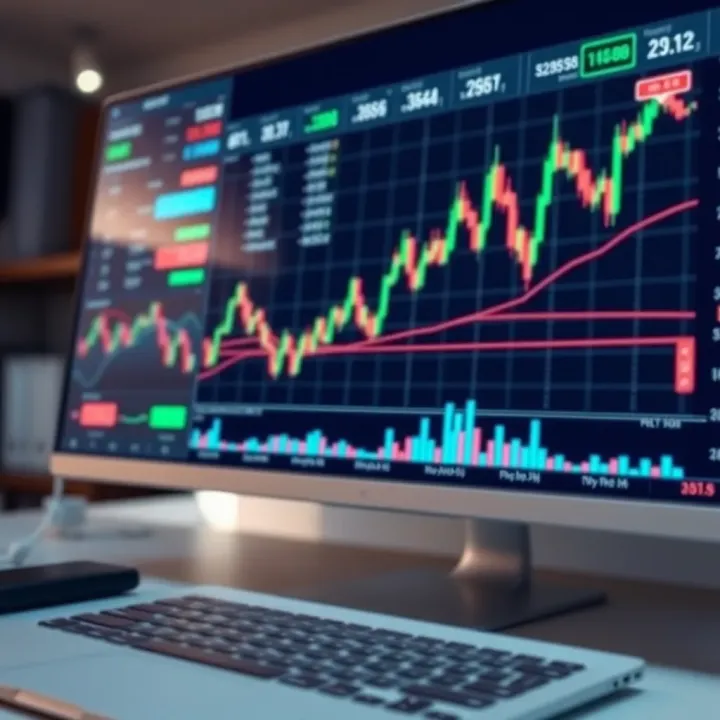
Explore how to pick the best Forex trading platform in Pakistan 💹. Learn about key features, security, regulations, and tips for beginners to trade smart.
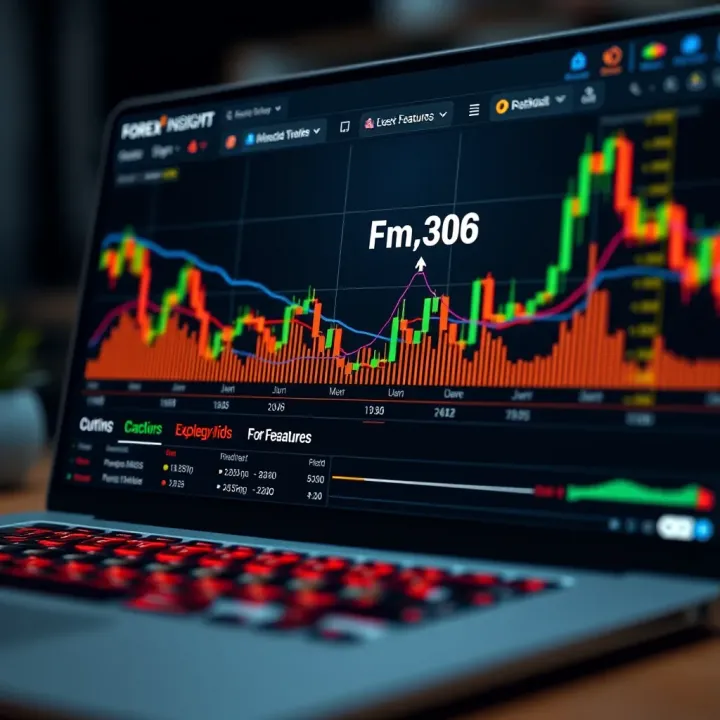
Find the ideal Forex trading platform in Pakistan 🇵🇰 with practical tips on features, security, and top choices tailored for every trader's style 📈💡
Based on 8 reviews