
Best Trading Apps in Pakistan: A Practical Guide
Find the best trading app in Pakistan 🇵🇰 with tips on features, security, and user experience. Compare popular platforms to trade smartly and safely 📱💹.
Edited By
Liam Foster
Forex trading has gained popularity in Pakistan due to rising internet access and mobile technology, offering people an opportunity to earn foreign currency alongside their regular income. However, success in this field depends heavily on proper training and a clear understanding of market dynamics. This section introduces the essential foundation required before jumping into live trading.
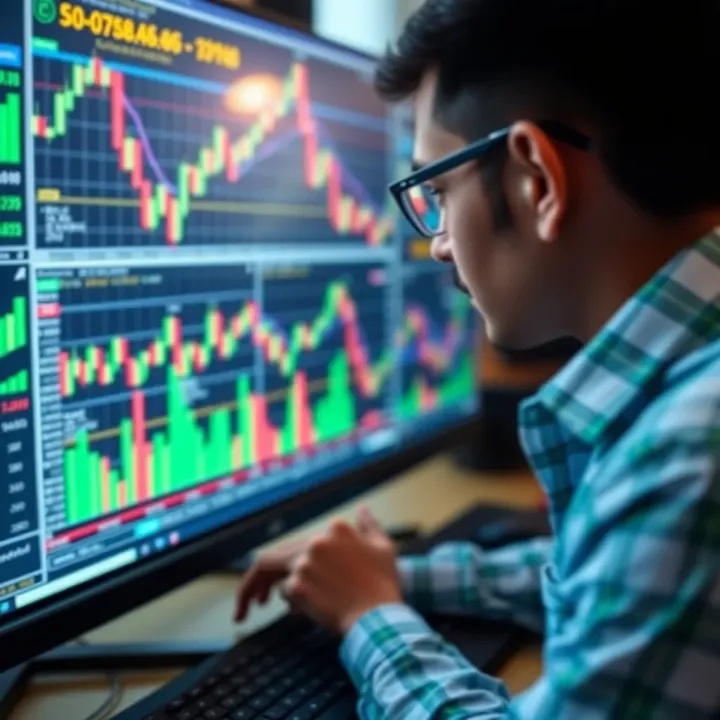
Many traders jump into forex markets without enough preparation, leading to costly mistakes. Training builds a solid base by covering key concepts like currency pairs, pips, leverage, and risk management. For example, without understanding leverage, a trader might use excessive borrowing, wiping out their capital quickly. Training also reduces emotional trading, which often causes poor decisions under volatile market conditions.
A well-organised forex trading course focuses on these areas:
Market basics: What moves currency prices and how global events affect supply and demand.
Technical analysis: Reading charts, recognising patterns, and using indicators like moving averages.
Fundamental analysis: Understanding economic reports from Pakistan and other countries.
Trading psychology: Managing stress and maintaining discipline.
Practical trading skills: Using demo accounts and practising entry and exit strategies.
Forex courses in Pakistan come in various forms:
Online classes: Flexible learning with video tutorials and live sessions.
Workshops: In-person or virtual classes that offer hands-on practice.
One-on-one coaching: Personalised guidance to address individual strengths and weaknesses.
Each format suits different traders depending on their learning style, time availability, and budget.
Remember: Training isn’t a one-time event but an ongoing process to adapt to changing market trends and strategies.
With the right foundation, Pakistani traders can avoid common pitfalls and build confidence to navigate the forex market successfully.
Understanding forex trading is the first step to navigating this vast and fast-moving marketplace. It involves grasping how currencies trade against one another and why this market operates differently from stocks or commodities. Knowing these basics helps Pakistani traders handle market volatility and maximise their opportunities.
Forex trading revolves around currency pairs, such as USD/PKR or EUR/USD. Each pair shows how much of the second currency you need to buy one unit of the first. This is crucial because your profit or loss depends on the movement between these two currencies. The forex market runs 24 hours a day, five days a week, toggling through different global centres in London, New York, Tokyo, and Sydney. For Pakistani traders, understanding market hours helps in timing trades, especially during more active sessions like London-New York overlap when volatility tends to rise.
The forex market is a decentralised, over-the-counter (OTC) system where currencies exchange hands directly between traders, brokers, and banks without a central exchange. Prices are set by supply and demand and influenced by economic data, geopolitical events, and central bank policies. For traders in Pakistan, this means prices can move quickly based on news both local, like SBP monetary decisions, and international, like US Federal Reserve interest rate changes.
Leverage lets you control a larger trading position with a smaller capital amount. For instance, with 1:100 leverage, Rs 10,000 in your trading account can control Rs 1,000,000 worth of currency. While leverage can boost profits, it also multiplies losses, making it vital for Pakistani traders to use it carefully. Margin is the money you must put up as collateral to open and maintain your positions. Proper margin management avoids sudden liquidation from margin calls when the market moves against your trade.
The PKR’s frequent fluctuations against the US dollar and other currencies create opportunities for profit. Savvy traders can benefit from these movements if they correctly predict trends or react to economic developments, such as changes in imports, remittances, or political stability. Forex trading offers a way to profit beyond the traditional savings routes, which may yield low returns in Pakistan’s economic landscape.
Today, Pakistani investors can enter the forex market easily through brokers offering online trading platforms like MetaTrader 4 and 5. These platforms are user-friendly, provide real-time data, trading tools, and even practice accounts. This ease of access breaks barriers, allowing smaller investors across cities and towns to participate without needing hefty capital or physical presence abroad.
Compared to stock markets or real estate, forex trading requires less initial investment and offers higher liquidity—traders can enter and exit positions quickly. While stocks need detailed fundamental knowledge and real estate locks your capital for months or years, forex is more flexible. However, forex demands quicker decisions and stronger risk controls because of its fast pace and high leverage.
Forex trading suits investors who are ready to learn market behaviour, manage risk carefully, and adapt quickly to changing conditions.
By understanding these core concepts and why forex appeals specifically to Pakistani traders, you lay a solid foundation before moving on to advanced training and strategies.
Effective forex trading training is essential to build a strong foundation for success in the currency markets. Without sound training, many traders fall into common traps such as poor strategy or mismanaging risks. Training equips traders with practical skills, sharp analysis methods, and disciplined approaches needed for consistently profitable trading.
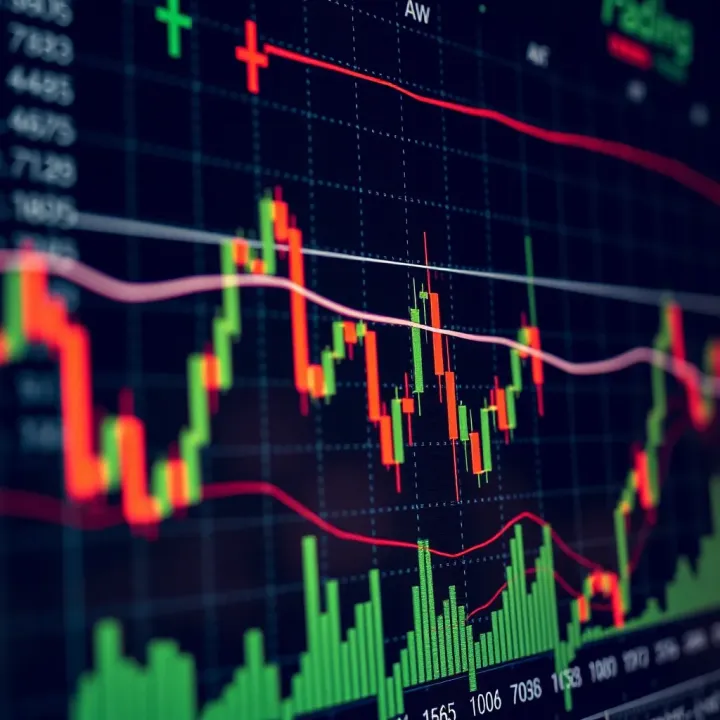
Technical analysis and chart reading form the backbone of forex trading education. This skill involves interpreting price charts, identifying trends, and understanding support and resistance levels. For example, recognising a clear upward or downward trend allows a trader to decide when to enter or exit positions. Chart patterns, candlestick formations, and technical indicators like moving averages help predict future price movements based on historical data. Learning these tools is practical since it’s how most trading decisions are made in real time on platforms like MetaTrader.
Fundamental analysis basics focus on evaluating economic data, geopolitical events, and central bank policies that affect currency values. For instance, a sudden change in Pakistan’s interest rate set by the State Bank of Pakistan can shift the rupee’s strength compared to the dollar. Training teaches how to monitor indicators like GDP growth, inflation rates, employment figures, and global events impacting currencies. This analysis complements technical skills by providing the context behind market moves, helping traders anticipate volatility or steady trends.
Risk management strategies are crucial to preserve capital and ensure longevity in trading. Traders learn to set stop-loss orders and define take-profit points to control losses and lock in gains. Position sizing relative to the trading account size prevents excessive exposure on a single trade. For example, risking only 1–2% of the account on each trade can prevent heavy losses that wipe out capital. A good training programme emphasises restraint and discipline, reminding traders that controlling risk is often more important than chasing big profits.
Online training offers flexibility and access to a broad range of resources at a lower cost. It suits beginners juggling work or study, allowing learning at their own pace. However, the downside is the potential lack of personalised feedback and interaction, which can slow the learning curve. On the other hand, in-person courses in cities like Karachi or Lahore provide direct mentorship and real-time clarifications. These classes may be more intensive but also costlier and less convenient for many.
Local expertise in forex training matters significantly for Pakistani traders. Trainers familiar with the national market environment, regulatory framework, and local economic indicators can tailor their teaching effectively. They can provide examples related to the PKR dynamics, Pakistani fiscal policies, or regional geopolitical challenges, making lessons more relevant and practical.
Pakistan has a growing number of forex education providers offering both online and offline courses. Platforms such as Udemy or Coursera feature international courses but often lack local context. Meanwhile, Pakistani firms and individual experts provide training that includes regional market nuances, CMA (Capital Market Authority) regulations, and PTAs approved forex brokerage insights. Prospective traders should assess the provider's credibility, course content, and reviews before enrolling.
A solid training programme balances technical knowledge, practical risk management, and local market awareness, setting traders up for a more confident and informed approach in the forex market.
Mastering the key skills and strategies is essential for anyone serious about forex trading. Proper training covers technical analysis, fundamental analysis, and risk management techniques, all crucial for making informed trading decisions while protecting your capital.
Recognising market trends and critical support or resistance levels is the foundation of technical analysis. Trends show the general direction of a currency pair's price movements, whether upward, downward, or sideways. For example, spotting a consistent uptrend in USD/PKR might encourage a trader to enter long positions. Support levels act like safety nets where the price tends to stop falling, while resistance works as a ceiling that halts price rises. Knowing these points helps traders decide when to enter or exit trades with better timing.
Indicators such as moving averages, Relative Strength Index (RSI), and oscillators help traders confirm trends and spot potential reversals. For instance, RSI can signal if a currency is overbought or oversold, guiding a trader whether to hold back or initiate a position. Technical indicators reduce guesswork, allowing traders to base decisions on data patterns. Since different indicators serve various purposes, training helps you combine multiple tools effectively.
Candlestick charts reveal market sentiment through visual patterns formed by price movements within a time frame. Patterns like Doji, Hammer, or Engulfing offer clues about potential trend reversals or continuations. For example, a Hammer near a support level might hint at an upcoming price rise in EUR/USD. Learning to read these patterns can significantly enhance decision-making, giving traders a clear edge over those relying solely on price lines.
Economic reports such as GDP growth, inflation, and employment figures directly influence currency values. In Pakistan’s context, announcements from the State Bank or changes in trade policy affect PKR’s value against other currencies. Geopolitical situations, like tensions in the Middle East, can also cause volatility. Training teaches how to interpret these complex factors and anticipate their impact on forex prices.
Central banks shape currency markets through interest rate decisions and monetary policies. For Pakistani traders, the SBP’s moves on policy rates or liquidity measures serve as crucial indicators. Understanding how these decisions influence market sentiment and currency strength is key to aligning your trading with broader economic trends.
Keeping an eye on indicators like inflation rates, foreign exchange reserves, and the trade balance helps gauge Pakistan's economic health. These numbers often reflect PKR’s potential strength or weakness, affecting currency pairs involving the rupee. Forex training ensures traders can read official data and use it to forecast market movements accurately.
Protecting your investment involves deciding clear exit points for each trade. Stop-loss orders limit losses by automatically closing positions when prices hit unfavourable levels, while take-profit targets lock in gains. This disciplined approach prevents emotional decisions, particularly in volatile markets like forex, where sudden swings may occur.
Effective money management means adjusting trade sizes relative to your total account balance. Trading too large increases risk, while very small positions can limit profits. Forex training guides you on calculating proper position sizes, ensuring you never risk more than a fixed percentage (like 1-2%) of your capital per trade.
Leverage lets traders control large positions with small capital, but it also magnifies losses. Pakistani traders often find tempting offers of high leverage, but without caution, this can lead to rapid account depletion. Training stresses using leverage wisely, balancing potential returns against risks to preserve your trading capital over time.
Mastering these skills through systematic training builds a solid foundation for forex trading success while safeguarding against common pitfalls.
Success in forex trading does not come by chance—it requires discipline, planning, and continuous learning. Practical tips provide the roadmap to develop these qualities. Whether you are a beginner or an experienced trader, focusing on key practices like creating a reliable trading plan, demo trading, and managing trading psychology can greatly improve your chances of making consistent profits.
Defining goals and risk tolerance is the foundation of any trading plan. Before entering the market, clearly decide what you want to achieve—is it steady income, capital growth, or just learning? Alongside, understand how much risk you can comfortably bear without disturbing your daily life or savings. For example, a trader with Rs 5 lakh capital may decide to risk only 1% per trade to avoid heavy losses. Setting these limits keeps emotions in check and prevents reckless decisions.
Consistency with trading strategies means sticking to your chosen approach rather than jumping between methods after a few losses. If you plan to use technical indicators like moving averages or RSI, maintain that strategy through different market conditions. Consistency allows you to gather enough data to measure effectiveness and make informed improvements.
Regular review and adjustment of plans ensure your trading adapts to changing markets. Markets evolve due to geopolitical events, economic cycles, or policy changes like SBP interest rate hikes. A monthly review can identify what’s working and what needs tweaking. For example, if your strategy performs poorly during high volatility, you might adjust your stop-loss to reduce risk.
Practising trades without financial risk through demo accounts lets you build confidence before risking actual money. Pakistani platforms like MT4 or MT5 offer practice accounts where you can try strategies and see the outcomes without losing Rs.
Familiarising with trading platforms is crucial as real market environments often overwhelm beginners. Demo trading helps understand order execution, chart tools, and indicators so you won’t be confused or make mistakes when the stakes are real.
Learning from mistakes in a controlled environment is priceless. When you see a losing trade in a demo account, you analyse it calmly and adjust without financial stress. This experience builds discipline and prevents repeated errors when you move to live trading.
Managing emotions like fear and greed is often the biggest challenge. Fear can stop you from taking good trades, while greed pushes you to take excessive risks. Recognising these emotions and having a plan—like fixed stop-loss orders—can keep you focused.
Maintaining discipline under pressure means following your trading plan even during losing streaks or market uncertainty. A disciplined trader won’t chase losses or overtrade just to recover but waits for setups that fit their strategy.
Building resilience to losses is part of the journey. Every trader faces losses; what matters is not letting them demoralise you. Viewing losses as learning opportunities helps maintain steady growth and mental balance.
Practical approaches, rooted in planning, practice, and psychology, turn forex trading from guesswork into a skill that grows over time. Without applying these tips, traders often find themselves struggling despite market potential.
Forex trading frequently appears like a quick way to earn, but it carries risks, especially for beginners unaware of common traps. Proper training highlights these challenges, helping traders avoid losses that come from mistakes rather than market movement. In Pakistan's growing forex community, understanding these pitfalls early on is the key to safer, smarter trading.
Overtrading and chasing losses often catch beginners off guard. Overtrading means making too many trades without clear reasons, driven by the urge to recover lost money. For example, a trader losing Rs 20,000 might jump into more risky trades without planning, hoping to win it back quickly. This behaviour not only drains capital fast but also amplifies emotional stress. Chasing losses erodes discipline, leading to poor choices and bigger setbacks.
Relying on unverified trading tips is another frequent mistake. Social media and messaging apps like WhatsApp and Telegram are full of so-called expert advice or hot tips. Many new traders believe these claims without checking credentials or testing strategies. This often ends in wasted deposits and frustration, as unproven tips lack context or proper strategy backing. It's vital that traders test any advice through demo accounts or credible sources before risking real money.
Ignoring risk management rules is risky and common in beginner circles. Some new traders ignore setting stop-loss levels or position sizing, exposing themselves to big losses on single trades. Effective risk management means you never risk more than a small, predetermined percentage of your capital on one trade, protecting you from wiping out due to a single bad market movement. Neglecting this can mean losing a substantial chunk of the trading account in just a few trades, making it hard to recover.
When picking a forex training centre, spotting red flags helps safeguard your money. Be cautious of providers promising guaranteed profits or high returns in a short time with minimal effort. Also, watch out for courses that lack clear curriculum details or use overly complex jargon to confuse rather than inform. Excessive pressure to pay upfront or buy expensive add-ons should raise suspicion.
Verifying credentials and reviews is essential to find genuine trainers. Check if the instructors have real trading experience, not just teaching skills. Online reviews from multiple sources, participant feedback on local forums, or testimonies on Pakistani trading communities provide clues about a provider’s legitimacy. Ask for sample lessons or references to ensure the course matches your learning needs.
Trustworthy forex education sources in Pakistan include established institutions and platforms known for genuine training. Organisations affiliated with Pakistan Stock Exchange (PSX) or workshops by reputable brokers usually offer reliable courses. Websites and forums specifically designed for Pakistani traders can guide newcomers towards recognised trainers and useful materials, avoiding scams.
Staying alert to these challenges and carefully choosing your training can prevent costly mistakes and build a strong foundation for successful forex trading in Pakistan.
Find the best trading app in Pakistan 🇵🇰 with tips on features, security, and user experience. Compare popular platforms to trade smartly and safely 📱💹.
Looking for the best trading app in Pakistan? Discover features, security, usability & local market fit to trade smarter 📈🔒🇵🇰
Explore how to pick the best Forex trading platform in Pakistan 💹. Learn about key features, security, regulations, and tips for beginners to trade smart.
Find the ideal Forex trading platform in Pakistan 🇵🇰 with practical tips on features, security, and top choices tailored for every trader's style 📈💡
Based on 7 reviews