
Best Trading Apps for Investors in Pakistan
📱 Find the best trading app in Pakistan with tips on features, security, costs, and regulations. Perfect for new and experienced investors alike! 💹
Edited By
Liam Clarkson
Gold trading prices in Pakistan fluctuate daily, influenced by both global trends and local market conditions. For investors, traders, and brokers, understanding these price movements is essential to make informed decisions and manage risks effectively.
Gold prices in Pakistan mainly depend on the international gold rate, usually quoted in US dollars per ounce. When the global gold price rises or falls, the local price adjusts accordingly after factoring in the rupee-to-dollar exchange rate. The Pakistani rupee's volatility against the US dollar directly affects the price stability of gold in the domestic market.
Locally, supply and demand play a strong role. Festivals like Eid and weddings typically boost demand, pushing prices higher temporarily. Economic uncertainty or inflation often leads to increased buying of gold as a safe asset, impacting prices as well.
Traders usually track gold rates via reputable sources such as the Pakistan Mercantile Exchange, trusted jewellery markets in Karachi, Lahore, and Rawalpindi, and daily reports by financial newspapers like Dawn Business. Mobile apps and websites of major banks and brokers also provide updated gold prices in grams and tolas.
Before buying gold:
Check the current gold rate for 24 karat purity.
Compare prices across local jewellers and bullion dealers.
Verify the seller’s reputation and product authenticity.
When selling gold:
Monitor spot prices closely to sell at optimal times.
Consider the purity certificate to get a fair evaluation.
Beware of hidden charges or unfair deductions.
Understanding the dynamics of gold pricing helps protect your investment from sudden losses and ensures fair trading in Pakistan’s evolving market.
By keeping an eye on global gold trends and local factors like currency shifts and seasonal demand, you can navigate price changes more confidently. This knowledge benefits not only investors but also educators and analysts aiming to explain market behaviour clearly.
This article continues to cover deeper layers such as government policies, taxation on gold trading, and practical tools to track gold prices efficiently.
Gold prices in Pakistan are shaped by multiple factors, both global and domestic. Understanding these influences helps traders, investors, and financial analysts anticipate price movements and make informed decisions. Given the volatile nature of gold markets, recognising key elements that affect pricing is essential.
International gold prices provide a benchmark for local rates in Pakistan. The metal is traded globally in major exchanges like London and New York, where prices fluctuate continuously based on supply-demand dynamics, economic indicators, and geopolitical news. For example, when global gold rates rise due to increased economic uncertainty, Pakistan’s local gold prices usually follow suit, adjusted for import costs and local taxes.
Since gold is priced mainly in US dollars, the strength or weakness of the dollar directly impacts prices in Pakistan. When the dollar weakens against the Pakistani rupee, it takes fewer rupees to buy the same amount of gold priced in dollars, often pushing local gold prices down. Conversely, a stronger dollar generally raises gold prices in PKR terms. Traders keep a close watch on US dollar index movements, as sudden swings often precede shifts in gold prices.
Events such as conflicts, sanctions, or trade disputes create uncertainty that tends to boost gold demand worldwide as a safe haven asset. For instance, tensions in the Middle East or sudden sanctions on major economies can spike global gold prices, which then impact the local market in Pakistan. Investors often move funds into gold during such periods, pushing the metal's price up locally.
Gold in Pakistan often acts as a hedge against inflation and a depreciating rupee. When inflation rises, the purchasing power of the rupee falls, prompting more people to invest in gold to preserve their wealth. For example, during periods of high inflation in Pakistan, demand for gold surges, pushing prices higher. Similarly, as the rupee loses value against other currencies, including the dollar, gold prices in PKR rise correspondingly.
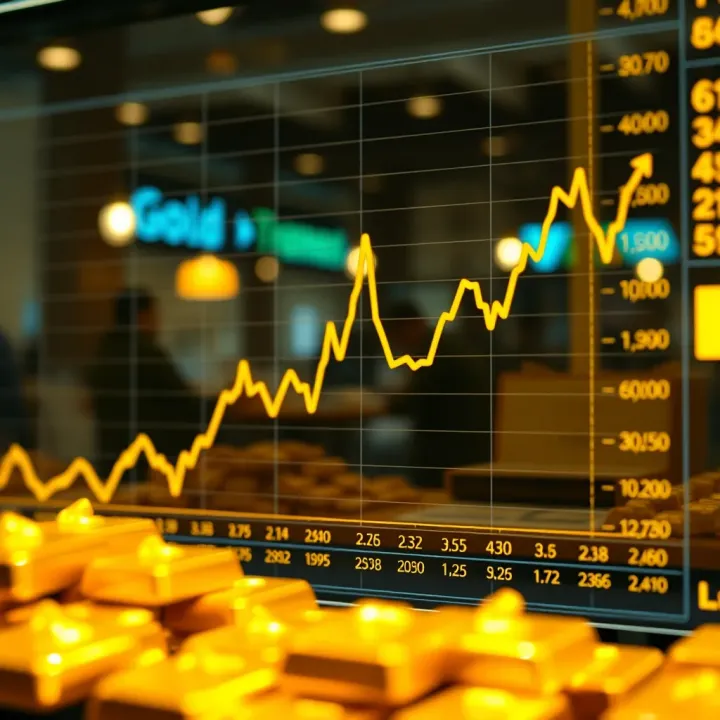
The State Bank of Pakistan’s monetary stance influences gold prices indirectly through interest rates. Higher interest rates tend to make fixed-income investments more attractive compared to gold, which does not yield interest. This dampens gold’s appeal and can lower prices. Conversely, when interest rates are low or cut to stimulate the economy, gold becomes comparatively more attractive, often pushing its price upward.
Gold prices in Pakistan also depend on domestic demand from households, jewellers, and industry, as well as supply factors. Festivals like Eid and weddings usually lift gold buying, creating seasonal demand spikes. Conversely, limited local production means Pakistan relies heavily on imports, so any disruption in supply chains or import restrictions affect local prices. For example, import duty changes or delays at ports can tighten supply and momentarily push prices higher.
Being aware of these factors can help you better anticipate price trends and decide when to buy or sell gold in Pakistan’s market.
Keeping an eye on gold prices is essential for traders, investors, and financial analysts in Pakistan. Prices can shift quickly due to global market swings, local economic changes, or political events. Knowing where to find accurate information and how to interpret these numbers helps you make smarter decisions, whether you’re buying, selling, or advising clients.
Pakistan's official gold rate listings provide the baseline for daily trading rates on gold. These listings typically appear in major newspapers and financial bulletins, updated each business day based on Karachi’s bullion market activity. For example, the rate for 24-karat gold per tola or gram is listed prominently, giving a practical reference point for jewellers and traders nationwide.
Official rates help prevent misinformation and ensure everyone works from the same price ground. Though actual buying or selling prices can vary slightly due to local dealer margins or currency fluctuations, these rates set a reliable benchmark.
Online platforms and financial news are increasingly vital for real-time tracking. Websites dedicated to commodities like gold offer updated prices, historical charts, and news impacting rates, including currency movements or geopolitical tensions. Pakistani financial portals and apps from banks or brokerage firms also share live data, enabling investors to react quickly.
Financial news channels and newspapers give context around why prices changed on a particular day, pointing to external influences or government announcements that matter locally.
Role of State Bank of Pakistan (SBP) and commodity exchanges is subtle but important in price monitoring. SBP’s monetary policy decisions, such as changes in interest rates or foreign exchange reserves, affect local gold prices by influencing the PKR’s strength. A weakening rupee often pushes gold prices up because import costs rise.
Pakistan’s commodity exchanges, though less developed than international ones, work to regulate trading practices and bring transparency. They provide platforms where official rates link with market demand, helping reduce price manipulation risks.
Tola and grams in Pakistan are the standard units for measuring gold. Historically, one tola equals approximately 11.66 grams. Most traders still quote prices per tola, but grams have become common due to international standardisation, especially among institutional investors.
Knowing these conversions is key during transactions. Suppose you find a price per tola but want to buy in grams — being able to calculate correctly prevents overpayment.
Karats and gold purity determine the value of gold more than its weight alone. Pure gold is 24 karats, but jewellery is often 22k or 18k, depending on durability and style. Each karat represents 1/24th part gold in the mixture.
In Pakistan, 22k gold is preferred for jewellery, balancing purity with hardness. Always check the karat mark to ensure the gold you buy matches the price and purity.
Calculating price per unit based on purity helps you understand what you’re paying for. If the market rate is Rs 150,000 per tola for 24k gold, then 22k purity gold should cost around Rs 137,500 per tola (22/24th of Rs 150,000).
This calculation adjusts prices based on karats or grams, ensuring buyers pay fairly for the actual gold content, not the alloy or craftsmanship. Mistaking this can lead to significant loss during purchase or resale.
Tracking gold prices correctly means knowing where rates come from and how purity affects them. For traders and investors in Pakistan, accurate tools and proper interpretation are the foundation of sound decision-making.
Engaging in gold trading within Pakistan demands not only understanding current prices but also mastering practical buying and selling skills. Buying gold safely protects your investment and ensures you pay a fair rate, while selling gold wisely allows you to maximise returns. Both activities require careful consideration of market conditions, authenticity checks, and timing.
Choosing trustworthy jewellers is the first step in any gold purchase. In Pakistan, well-reputed jewellers often carry hallmarked gold that meets Pakistan Standards and Quality Control Authority (PSQCA) guidelines. Established shops in cities like Karachi, Lahore, and Islamabad offer better guarantees compared to unverified roadside sellers. For example, buying gold from a certified jeweller in Zamzama or Liberty Market reduces the risk of fake or adulterated products.
Checking credentials such as valid licences and positive customer feedback helps verify the jeweller’s authenticity. Avoid shops that refuse transparency in pricing or certification.
Checking for hallmarks and certifications is vital to confirm gold purity. Official hallmarks in Pakistan, typically stamped on gold jewellery, indicate karat value, assay office, and the manufacturer’s mark. For instance, a 22 karat gold piece will have a corresponding stamp like '22K PSQCA'. You should also look for accompanying certificates, especially when dealing with expensive items.
This practice ensures you are not overpaying for lower-grade gold. Remember, gold without a hallmark might be cheaper but often carries the risk of dubious purity.
Negotiating rates in the local market remains common practice in Pakistan’s bazaar culture. Gold prices are often quoted based on the international rate plus local premiums and making charges. Negotiation can shave off some premium or service charges, especially if you are a regular customer or buying in bulk.
For example, bargaining in Karachi’s Empress Market or Lahore’s Anarkali Bazaar might yield a small discount or free jewellery polishing services. Still, always compare rates from multiple shops to ensure the deal aligns with the current gold price.
Market timing for better returns significantly affects your selling price. Gold prices fluctuate daily based on international rates, PKR value against the US dollar, and local demand. Selling gold during times of rising prices or festive seasons like Ramazan or Eid al-Fitr can improve returns.
However, avoid panic selling during lows caused by temporary market dips. Keeping an eye on State Bank of Pakistan announcements and commodity exchange trends helps decide the right moment to sell.
Evaluating offers from buyers requires careful scrutiny. Not all buyers offer the actual spot price; many deduct fees for melting, refining, or commission. Jewellery shops, bank gold buying counters, and certified bullion dealers each present different rates.
Request a clear breakdown of the price offered, including purity checks. Be cautious of buyers offering rates significantly below market value to avoid losses.
Avoiding common pitfalls and fraud is crucial when selling gold. Fake buyers may assess lower purity or use hidden scales to reduce your payment. Always insist on weighing your gold in your presence using calibrated scales.
Keeping your original purchase receipts and certification makes settling disputes easier. Avoid rushed sales to unfamiliar buyers; instead, deal with recognised jewellers or institutions that are known for transparent transactions.
Selling or buying gold without proper knowledge can lead to financial loss. Take time to verify all details before committing.
This approach will help you trade gold confidently within Pakistan’s evolving market while protecting your investment.
Understanding the gold trading practices and market structure in Pakistan is essential for anyone involved in this sector. These aspects influence price discovery, transparency, and the overall reliability of gold transactions in the country. Particularly, the Karachi bullion market acts as the heart of gold trading, while local regulations shape the framework for ownership and trading practices.
Karachi’s bullion market is the primary hub for wholesale gold trading in Pakistan. It operates through a network of licensed dealers who transact daily based on prevailing international rates and domestic demand. The market sets local gold prices by considering the latest global gold rates quoted in US dollars and adjusting for currency fluctuations and other domestic factors like import costs. For example, if international gold prices rise due to geopolitical tension, Karachi’s market reflects this increase quickly, influencing retail prices nationwide.
Traders and brokers in Karachi follow a transparent process where prices update several times a day, responding to real-time global changes. This frequent updating helps retailers and consumers know what to expect when buying or selling gold. The market’s efficiency is crucial because delays or inaccuracies in price setting could lead to losses or arbitrage opportunities being missed.
Karachi’s bullion market does not operate in isolation; it is closely linked to international gold markets like London Bullion Market and COMEX in New York. Changes in these global exchanges directly influence Karachi’s gold rates because Pakistan imports most of its gold. When international prices fall, traders in Karachi may slow imports, impacting supply and causing local price adjustments.
Moreover, the US dollar’s strength against the Pakistani rupee plays a significant role. Since gold is priced internationally in USD, any depreciation in the rupee usually pushes gold prices up locally despite stable global rates. This linkage means traders and investors in Pakistan must keep an eye on global markets and forex movements to make informed decisions.
Import duties on gold have a direct impact on its trading price within Pakistan. The government imposes customs duty and sales tax on imported gold, which traders must factor into their pricing. For instance, a sudden increase in import duty by the Federal Board of Revenue (FBR) leads to higher costs for importers, who then pass these on to buyers, pushing up retail gold prices.
These levies can sometimes make gold more expensive in Pakistan compared to regional markets, affecting demand and influencing trade volumes. Traders often monitor such changes closely to anticipate cost shifts. As an example, the addition of a 3% sales tax on gold imports recently caused local prices to spike temporarily.
Pakistan has clear regulations around gold ownership and trading to prevent money laundering and black-market activities. The State Bank of Pakistan (SBP) oversees gold import licensing and requires dealers to register and comply with anti-money laundering (AML) rules. Additionally, there are strict standards for hallmarking to guarantee purity levels, giving buyers confidence.
Ownership limits, especially for jewellery, are generally unrestricted, but large trades might require documentation for tax and legal purposes. These controls help maintain market integrity and protect consumers from frauds often linked with unregulated gold sales.
For investors and traders, understanding how Karachi’s bullion market functions and the local regulatory environment can help navigate price fluctuations and legal compliance more efficiently.
This knowledge is vital to making sound decisions whether you are investing, buying, or selling gold in Pakistan.
📱 Find the best trading app in Pakistan with tips on features, security, costs, and regulations. Perfect for new and experienced investors alike! 💹
Looking for the best trading app in Pakistan? Discover features, security, usability & local market fit to trade smarter 📈🔒🇵🇰
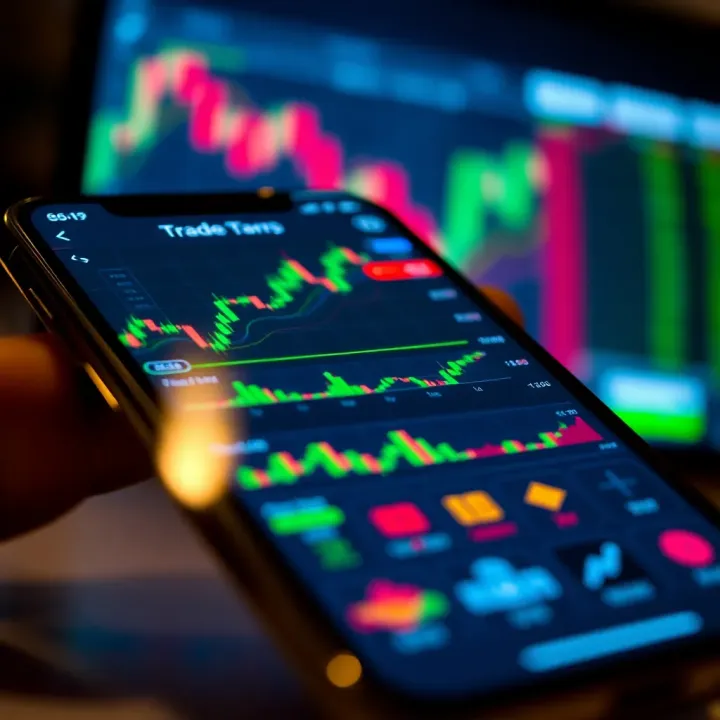
📊 Discover how beginners in Pakistan can pick the best trading app with low fees, user-friendly design, and local market options for smarter investing.
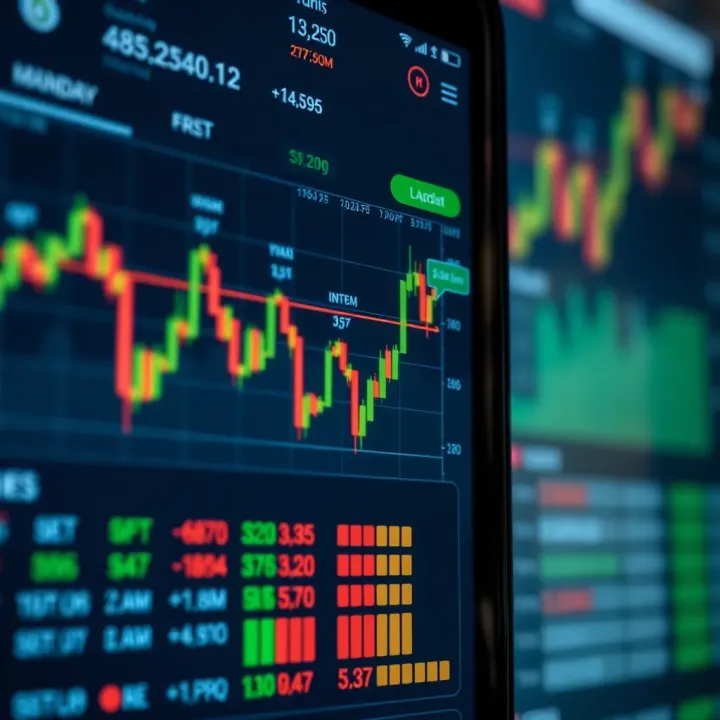
Find the best stock trading app in Pakistan 📱 Learn about key features, security, fees, and tips to pick the right platform for seamless trading experience.
Based on 14 reviews