
Choosing the Best Indicator for Forex Trading
Discover key forex trading indicators 📈 to spot trends, price moves, and market signals. Learn which tool fits your style for smarter trading decisions.
Edited By
Henry Walsh
Forex trading, also known as currency trading, is the buying and selling of currencies on a global scale. Unlike stock markets, forex operates 24 hours a day, five days a week, making it one of the most liquid markets worldwide. Traders speculate on the value changes between currency pairs, such as USD/PKR or EUR/USD, aiming to profit from these fluctuations.
Understanding who takes part is essential:
Central Banks: They intervene to stabilise or influence their national currencies.
Commercial Banks and Brokers: Facilitate most trades by providing liquidity.
Institutional Investors and Hedge Funds: Trade large volumes, influencing trends.
Individual Traders: Including retail traders in Pakistan using platforms like MetaTrader or local brokers.
These players interact continuously, reacting to economic data and geopolitical events.
Currency prices change due to various factors:
Economic indicators like inflation, unemployment, and GDP growth.
Political stability and policy decisions.
Interest rate differences set by central banks.
Supply and demand in the forex market itself.
For instance, if Pakistan’s exports increase, demand for PKR might rise, strengthening its value relative to other currencies.
Forex trading involves pairs – when you buy one currency, you sell another. The quoted price shows how much of the second currency you need to buy one unit of the first. For example, USD/PKR at 280 means you pay Rs 280 to buy one US dollar.
To start, choose a reputable broker registered with the Securities and Exchange Commission of Pakistan (SECP). Practice on demo accounts to understand platform functionalities and test strategies without risking real money. Keep in mind regulations, such as limitations on offshore accounts and avoidance of unregulated platforms.
Understanding these basics equips you to approach forex trading with responsibility, balancing opportunities with risks relevant to the Pakistani market.
Understanding forex trading is essential for anyone interested in the financial markets, especially those looking to diversify their investment portfolio or earn through currency fluctuations. This section explains the basics of forex, highlighting how it operates globally and the practical ways it affects investors and traders. Whether you are a retail trader in Lahore or an institutional investor in Karachi, grasping forex fundamentals helps you make informed decisions and manage risks better.
Forex trading, simply put, is the buying and selling of currencies against each other in a global marketplace. It involves exchanging one currency for another with the expectation that the value of the currency you buy will rise compared to the one you sell. For example, if you expect the US dollar to strengthen against the Pakistani rupee, you would buy USD/PKR, aiming to sell it later at a higher rate to make a profit.
This market is not limited to stocks or commodities; instead, it focuses purely on currencies, making it unique. Forex trading matters practically because currency value shifts influence everything from import-export prices to inflation and daily transactions.
Unlike stock markets, which deal with shares of companies, forex trading revolves around currency pairs. Where other financial markets might close after trading hours, forex operates continuously, reflecting global economic and political events impacting currency values in real time.
The forex market runs 24 hours a day, five days a week, due to its global nature. This continuous trading cycle starts in Asia, moves to Europe, and ends with the US session, ensuring that currency prices adjust almost instantly to new information. This provides traders with flexible entry and exit points, unlike markets that open and close at fixed times.
Major currency pairs dominate the forex market. These pairs, such as EUR/USD, USD/JPY, and GBP/USD, are the most liquid and widely traded. Their characteristics include tighter spreads and more stable price movements, which attract serious traders. For instance, EUR/USD often reflects economic policies of the Eurozone and the US, making it sensitive to political events or interest rate changes from these regions.
The forex market’s unique 24-hour cycle and the liquidity of major currency pairs create opportunities that are not commonly found in traditional markets, making it an attractive space for active traders.
Understanding the basics, from what forex trading is to how its market functions daily, lays the groundwork for deeper learning and effective trading strategies. This knowledge enables traders in Pakistan to engage with the market confidently and responsibly.
Understanding who participates in the forex market and their roles is essential for grasping how currency trading functions. These participants influence liquidity, volatility, and price movements. They range from powerful institutions like central banks to individual retail traders. Let’s explore the key players.
Central banks and governments shape currency values through monetary policies. For example, the State Bank of Pakistan (SBP) adjusts interest rates to control inflation or stimulate growth, directly affecting the Pakistani rupee’s strength. These policies impact traders’ decisions, as changes in currency value influence import-export costs and foreign investment flows.
Governments also set fiscal policies and maintain foreign exchange reserves that underpin currency stability. Their economic health and policy consistency are closely watched by forex participants, as uncertainty can lead to sudden currency swings.
Sometimes, central banks step into forex markets to stabilise their currency or curb excessive volatility. This is called currency intervention. For instance, if the rupee falls rapidly against the US dollar beyond reasonable economic fundamentals, SBP may sell US dollars from its reserves to support the rupee.
Such intervention calms markets temporarily and can discourage speculative attacks. For traders, this means periods of reduced volatility but also the risk of sudden price corrections if intervention occurs unexpectedly.
Commercial banks and large financial institutions provide the bulk of liquidity in forex markets. They act as market makers, continuously quoting buy and sell prices for currency pairs. For instance, banks like Habib Bank or MCB facilitate large trades for corporations needing to convert PKR to foreign currencies for imports or investment.
This liquidity provision ensures smooth market functioning. Without it, pricing would be erratic and spreads would widen, making trading costly for all participants.
Interbank trading refers to transactions directly between banks, often in huge volumes. This market segment sets benchmark prices used by others, including retail traders. Banks use electronic networks to trade currencies worldwide, adjusting positions based on demand and economic news.
For example, if commercial banks in Karachi expect a policy shift from SBP, they may adjust their currency holdings accordingly through interbank trades. This activity steers overall market trends and influences pricing accessible to smaller traders.
Individual traders in Pakistan access forex markets through brokers. Unlike banks, retail traders cannot trade directly in interbank markets. Instead, brokers act as intermediaries, offering platforms to buy or sell currency pairs in smaller amounts suited to personal investment strategies.
Retail participation has grown thanks to online trading platforms and mobile apps, making forex trading accessible to those in Lahore, Karachi, or Islamabad with internet and CNIC verification.
Brokers provide critical infrastructure, including trading software, price feeds, and leverage options. Brokers like XM, OctaFX, or local options regulated under PTA guidelines ensure smooth execution and security of trades.
They charge commissions or spreads and offer various account types for different trader needs. Still, selecting a reliable broker is vital to avoid scams or poor trade execution. Platforms must comply with Pakistani regulations and protect client funds, providing transparent pricing and customer support.
Understanding these participants helps you see how forex prices form and what drives market moves. Whether you trade with commercial banks, watch central bank policies, or start trading via brokers, knowing the players aids better decision-making.
Forex trading revolves largely around understanding how currency prices are quoted and what those numbers mean for your trades. Every currency pair you trade shows two prices: the bid and the ask. Knowing this helps you grasp how trades execute and the real cost involved.
The bid price is what buyers are willing to pay for a currency, while the ask price is the lowest price sellers will accept. When you want to sell a currency pair, you get the bid price; to buy, you pay the ask price. This difference between bid and ask matters because you effectively start your trade at a slight loss equal to this gap — a cost you'll want to keep an eye on.
The spread is the gap between the bid and ask prices. It acts like a small fee charged by brokers and reflects market liquidity and volatility. For example, major pairs like USD/PKR usually have narrower spreads due to heavy trading, while exotic pairs might have wider spreads. Traders need to factor in the spread when calculating potential profits and losses because even a trade that moves in your favour has to cover this initial difference.
Currency values seldom move randomly. They react to several visible forces, starting with economic indicators. Numbers like inflation rates, GDP growth, unemployment figures, and trade balances directly affect how traders value currencies. For instance, if Pakistan’s inflation rate rises unexpectedly, the rupee might weaken as traders anticipate changes in interest rates or purchasing power.
Political events also sway currency prices significantly. Announcements like changes in government, policy shifts, or geopolitical tensions affect confidence in the currency. Take caretaker governments or election results in Pakistan—the uncertainty they create often triggers volatility, turning cautious traders to sell off or buy based on perceived risk.
Lastly, market sentiment refers to the general mood or psychology of traders. If most market participants expect a currency to strengthen, they will buy it, pushing the price up regardless of fundamentals, at least temporarily. This sentiment-driven movement might be triggered by rumours, news, or even social media chatter, impacting prices quicker than economic data can. Understanding these patterns helps traders anticipate momentum and potential reversals.
Grasping currency pricing and the factors influencing prices is crucial. It allows you to trade smarter, understand risks, and tie market moves to real-world events rather than guessing blindly.
By keeping these points in mind, forex traders in Pakistan and beyond can approach currency trading with sharper insight and better prepare for market swings.
Understanding basic forex trading strategies is essential for anyone looking to navigate the currency market effectively. These strategies guide traders in making timely decisions and managing their trades to maximise gains while managing risk. Strategies vary by time frame and goals, but all require solid market analysis and discipline.
Day trading and scalping focus on short-term trading, where positions are opened and closed within the same day or even minutes. Day traders aim to profit from small price movements by taking advantage of intraday volatility. For example, a trader might buy USD/PKR early in the morning expecting a slight rise, then sell before the market closes.
Scalping is an even faster approach, making multiple quick trades to capture tiny profits. It requires constant attention to the price charts and quick execution. In Pakistan, traders often use scalping during active hours when the market sees higher liquidity, such as London or New York sessions.
These short-term strategies have the advantage of avoiding overnight market risks but come with challenges. The trader must be disciplined to close positions quickly and avoid emotional decisions. Transaction costs like spreads can also eat into profits if trades aren't managed well. Plus, it demands a lot of time and focus – not everyone can keep staring at charts all day.
Swing trading and position trading adopt a longer-term approach. Swing traders hold positions for several days to weeks, trying to catch intermediate price trends. For instance, a swing trader might spot a weakening trend in EUR/USD and enter a trade that lasts a week, aiming to profit from that move.
Position traders take this further, holding trades for weeks or even months. They focus less on short-term noise and more on fundamental factors like economic policies, interest rate changes by the State Bank of Pakistan (SBP), or geopolitical events.
Key factors in these longer-term trades include analysing economic indicators, central bank announcements, and technical chart patterns for entry and exit. Unlike day trading, these strategies allow traders to avoid the stress of constant monitoring but require patience and strong analysis skills to stay invested during market swings.
Successful forex trading depends on matching your strategy to your personality, risk tolerance, and schedule. Starting small, testing different approaches, and learning from experience matter most.
In summary, day trading and scalping suit active traders ready for quick moves and constant attention, while swing and position trading fit those who prefer steady, longer-term exposure to the market. Both approaches have their place but require discipline, risk management, and continuous learning to navigate Pakistan's forex market successfully.
Managing risk is a critical part of successful forex trading. It helps protect your capital from unexpected market moves and keeps your losses manageable. Without proper risk control, even experienced traders can face significant setbacks. For example, during volatile sessions like the Brexit announcement, traders without risk limits saw their accounts drained quickly. Handling risk properly ensures you can stay in the game longer and make more consistent profits.
A stop loss order is your safety net in forex trading. It automatically closes a trade when the price hits a certain level, limiting potential losses. For instance, if you buy USD/PKR at Rs 280 and set a stop loss at Rs 275, the trade will close if the rate falls to Rs 275, preventing further losses. This helps control emotions during sudden market swings and avoids risky decisions under pressure.
Take profit orders work the opposite way. They lock in gains by closing your position once a targeted profit level is reached. For example, if you enter EUR/USD at 1.1000 and set a take profit at 1.1100, your position will close automatically when the price hits that point, ensuring you realise profits without waiting or second-guessing. This disciplined approach protects your earnings from sudden reversals.
Deciding the right position size is about controlling risk relative to your account balance. A common rule among traders is to risk no more than 1-2% of your capital on a single trade. So if you have an account balance of Rs 100,000, the maximum loss should not exceed Rs 1,000 to 2,000 per trade. This strategy prevents any single bad trade from wiping out a large chunk of your funds and allows you to absorb losses while staying in the market.
Leverage amplifies both profits and losses. In Pakistan, forex brokers often offer leverage up to 1:100 or more, which means you can control Rs 100,000 with just Rs 1,000. However, while this sounds attractive, high leverage can lead to rapid account depletion if the market moves against you. Even a small price move can multiply your loss many times. That’s why it’s vital to use leverage cautiously and combine it with strict stop loss levels.
Managing risk is not about avoiding losses altogether but managing them smartly so you can trade consistently and protect your capital over time. A well-planned risk approach is the backbone of steady forex trading success.
By controlling losses and locking gains through stop loss and take profit, respecting position size, and using leverage carefully, traders in Pakistan can improve their chances of staying profitable in the forex market.
Entering the forex market in Pakistan involves practical steps that ensure your trading journey starts on solid ground. This section explains how to pick the right broker, manage account setup smoothly, and steer clear of common mistakes that can trip you up early on.
Selecting a trustworthy broker is the first crucial step. Look for brokers with transparent fee structures, responsive customer support, and user-friendly platforms. For example, platforms like FXTM and HotForex offer clear terms and localised support, which can be a big help if issues arise during trading.
You must also check if the broker provides competitive spreads and sufficient leverage options that suit your risk appetite. A broker that offers educational resources and demo accounts lets you practice before committing real capital, an advantage for newcomers in Pakistan.
Regulatory oversight offers a layer of safety. Ideally, opt for brokers regulated by international authorities like the UK’s FCA or Australia’s ASIC. Although these aren’t Pakistani bodies, brokers with such licences adhere to strict guidelines, reducing the risk of fraud.
Some brokers hold Pakistan Telecommunication Authority (PTA) approval for fintech compatibility, but currently, Pakistan lacks a dedicated forex regulator. Therefore, relying on brokers with solid international credentials and positive user reviews is safer. Always check how they protect your funds, such as segregation of client accounts.
Opening a trading account requires basic ID verification. Usually, submitting your CNIC copy and proof of residence like a utility bill suffices. This process helps brokers comply with Anti-Money Laundering (AML) rules.
For Pakistani traders, some brokers may also ask for a tax identification number (NTN) if exporting remittances from Pakistan. Preparing these documents in advance speeds up verification and reduces delays.
Funding your account should be straightforward. Major brokers accept transfers through JazzCash, Easypaisa, or direct bank transfers, aligning with common payment habits in Pakistan.
Credit and debit cards are widely accepted as well. However, wire transfers can take days and incur extra charges, so using local digital wallets or services like Western Union often makes more practical sense.
New traders in Pakistan often fall into overtrading—making too many trades driven by excitement or fear. This behaviour usually drains capital quickly and hampers learning.
Stay disciplined by sticking to a trading plan and avoid betting large sums on hunches. Using stop-loss orders helps control emotions by automatically limiting losses.
Forex trading isn’t a one-time skill. The market evolves, influenced by economic shifts and global politics, so continuous learning is essential.
Use free webinars, Pakistani forex forums, and updated market analysis to stay informed. Reading daily reports and practising with demo accounts regularly can sharpen your decision-making over time.
Building a strong foundation through the right broker, clear documentation, smart deposits, and disciplined habits can greatly improve your chance of success in forex trading from Pakistan.
Discover key forex trading indicators 📈 to spot trends, price moves, and market signals. Learn which tool fits your style for smarter trading decisions.
Explore how to pick the best Forex trading platform in Pakistan 💹. Learn about key features, security, regulations, and tips for beginners to trade smart.
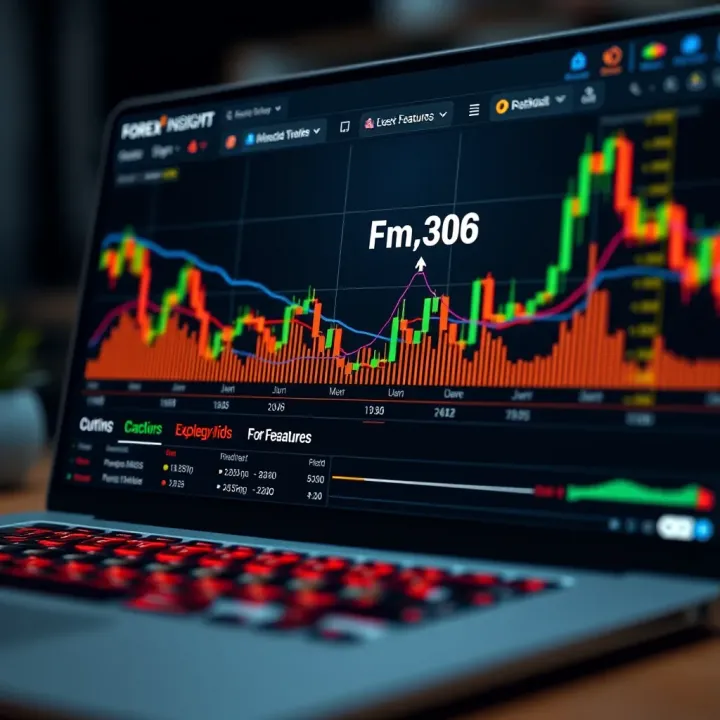
Find the ideal Forex trading platform in Pakistan 🇵🇰 with practical tips on features, security, and top choices tailored for every trader's style 📈💡
Find the best forex broker in Pakistan 🇵🇰 with our guide covering regulations, platforms, fees, local payments, and expert tips for smarter trading.
Based on 13 reviews