
Best Trading Apps in Pakistan: A Practical Guide
Find the best trading app in Pakistan 🇵🇰 with tips on features, security, and user experience. Compare popular platforms to trade smartly and safely 📱💹.
Edited By
Amelia Walker
Forex trading live means buying and selling currencies in real time based on up-to-the-minute market information. For Pakistani traders, understanding live forex trading is key to navigating global markets that are volatile and fast-moving. Unlike traditional trading, where price quotes may be delayed, live trading relies on continuous updates to prices, allowing traders to make timely decisions.
Pakistan’s increasing internet penetration and availability of platforms like MetaTrader and cTrader have made live forex trading accessible to many. Still, grasping the fundamentals behind live quotes, market orders, and execution speed is essential before risking capital.
Currency prices fluctuate every second due to global events, economic data releases, geopolitical tensions, and market sentiment. For example, a sudden announcement from the State Bank of Pakistan about interest rates can affect the PKR’s value sharply. Traders relying on delayed data risk entering or exiting positions at unfavourable prices.
Forex brokers provide the platforms and access to live price feeds. In Pakistan, many brokers offer accounts with real-time charts, news updates, and analysis tools tailored for local market conditions. However, choosing a broker regulated by the Securities and Exchange Commission of Pakistan (SECP) or a trusted international entity adds a layer of security.
Traders should verify the broker’s spread, slippage, and order execution speed, as these factors affect profitability in live trading.
Real-time charts: Show price movement every second or minute, helping traders identify trends.
Economic calendars: Highlight upcoming data releases, helping avoid surprises.
News feeds: Offer instant alerts on events impacting currencies.
Risk management tools: Include stop-loss and take-profit orders to limit losses and lock in gains.
Besides market volatility, Pakistani traders face challenges like inconsistent internet connectivity and power outages. Platforms that allow order automation or mobile trading apps help manage these issues effectively.
Understanding these basics sets the foundation for deeper strategies and risk management techniques specific to forex trading live, helping Pakistani traders approach the market with confidence.
Understanding the basics of live forex trading sets the foundation for anyone looking to participate in the currency market. For Pakistani traders, grasping these fundamentals helps navigate a complex and fast-moving environment. It highlights how currency pairs are exchanged, why markets operate round the clock, and why real-time data is essential for making informed trading decisions.
At its core, forex trading involves exchanging one currency for another. For instance, if you buy USD/PKR, you're essentially buying US dollars while selling Pakistani rupees. This currency exchange process allows traders to profit from fluctuations in exchange rates. In practical terms, a trader may predict that the US dollar will strengthen against the rupee and buy USD/PKR to benefit from that expected change.
The forex market operates on a vast global scale. Unlike stock markets that usually open for fixed hours, forex trading continues 24 hours a day due to differing time zones—from Sydney through London to New York. This nonstop operation means Pakistani traders can enter or exit trades any time that suits their schedule, especially outside normal banking hours.
Live trading data gives real-time updates of currency prices as they move in the market. For example, if the USD/PKR rate shifts from Rs 280 to Rs 282 within seconds, a live data feed shows that change immediately. This instant price update ensures that traders don’t miss critical market moments.
Making quick, informed decisions depends heavily on these live price updates. Traders often place stop-loss or take-profit orders based on live rates to control potential losses or lock in gains. Without accurate live data, a trader might react too late, resulting in missed opportunities or deeper losses.
The difference between live and delayed trading data is significant. Delayed data usually arrives 15 to 20 minutes late, often provided by free sources or certain apps. This lag can cause traders to act on outdated information, which is risky in a market moving as fast as forex. Therefore, access to live data—such as through licensed trading platforms or paid services—is critical for precision and success in trading.
In short, live forex trading thrives on real-time currency data. For Pakistani traders, having access to this data—and understanding its implications—is the first step toward navigating this dynamic market effectively.
Live forex trading in Pakistan hinges on instant access to currency markets through digital platforms, offering real-time price updates and swift execution of trades. This immediacy is vital in a volatile market where prices fluctuate each second, making timely reactions the difference between profit and loss. For Pakistani traders, understanding how to tap into these live markets, while navigating local regulations, is key to succeeding.
Online trading platforms serve as the bridge between Pakistani traders and the global forex market. These platforms provide tools for live price feeds, charting, and order placement, eliminating the need for physical brokers. For instance, popular platforms like MetaTrader 4 and MetaTrader 5 offer features like one-click trading and automatic stop-loss settings, making it easier for even beginner traders to engage actively.
Many Pakistani traders now prefer mobile apps such as Forex.com, IG Markets, and local integrations that allow deposits through JazzCash or Easypaisa. These apps make currency trading accessible 24/7, reflecting the forex market's continuous nature. The convenience of managing trades from smartphones has boosted participation, especially among younger traders.
Regulation plays a crucial role to ensure fair play. The State Bank of Pakistan (SBP) oversees the compliance of forex activities, particularly concerning foreign exchange regulations. Meanwhile, the Securities and Exchange Commission of Pakistan (SECP) monitors brokerage operations to protect traders from fraud. These watchdogs mandate brokers to follow strict guidelines, helping Pakistani traders rely on credible services only.
When selecting a forex broker, Pakistani traders look for transparency, competitive spreads, and strong customer support. Credentials such as a licence from recognised authorities, clear fee structures, and quick withdrawal options rank high among criteria. For example, brokers like IG and XM are popular for their reliable service and global presence.
Pakistani traders face challenges such as limited access to international payment gateways and currency conversion fees. Many prefer brokers that accept local payment methods, easing fund transfers. Furthermore, traders are cautious about platforms that lack an Urdu interface or localised customer support, which limits ease of use.
Approval from the Pakistan Telecommunication Authority (PTA) is increasingly important as many brokers operate through online means requiring secure and legal communication channels. PTA compliance ensures these platforms meet data protection and cyber-security standards, giving traders peace of mind when trading online.
To trade forex live in Pakistan effectively, one must choose platforms and brokers that comply with local regulations while offering reliable real-time data and convenient payment options.
Overall, understanding the mechanics of accessing live forex markets and picking the right broker lays the foundation for any Pakistani trader aiming to navigate the foreign exchange world successfully.
For Pakistani traders, using the right tools and techniques in live forex trading can make a world of difference. These tools help monitor the market closely and make informed decisions, which is essential given the fast-moving nature of forex markets. Whether you’re a beginner or a seasoned trader, understanding charting methods, analysis techniques, and trading strategies that depend on live data is key to navigating the forex world confidently.
Candlestick charts are a favourite among traders because they provide a clear visual of price movements within a specified time. Each candlestick shows four important points: opening price, closing price, high, and low. This visual helps traders quickly gauge market sentiment. For example, a long green candle signals strong buying interest, while a long red one suggests selling pressure. Pakistani traders using platforms like MetaTrader or TradingView often rely on these charts crucially for quick decision-making.
Indicators such as Moving Averages, Relative Strength Index (RSI), and Bollinger Bands complement candlestick charts by quantifying trends, momentum, and volatility. These indicators help make sense of market noise, pinpoint entry or exit points, and confirm potential reversals. A trader might combine an RSI value below 30 with a bullish candlestick pattern to enter a long position.
When it comes to analysis, traders generally pick between technical and fundamental methods. Technical analysis focuses on past price patterns and statistical indicators. It's useful for short-term trading, where live data helps spot immediate opportunities. Fundamental analysis involves studying economic reports, geopolitical events, or interest rate decisions by entities like the State Bank of Pakistan (SBP). For example, a sudden hike in SBP policy rate can lead to immediate volatility in the PKR/USD pair, which traders watch closely.
Both methods have their place. Many Pakistani traders blend the two, using fundamentals to set a longer-term bias and technicals to fine-tune trade timings. This combination boosts the chance of success in rapidly changing forex markets.
Scalping and day trading are common strategies that rely heavily on live forex data. Scalping involves making many trades throughout the day to capture small price fluctuations. It suits traders who can stay focused on charts and execute quickly. For instance, a trader might scalp the USD/PKR pair during peak market hours when liquidity is highest.
Day trading, meanwhile, aims to open and close trades within the same day, avoiding overnight risk. Both methods demand access to real-time quotes, so any delay can reduce effectiveness. Pakistani traders often use brokers offering low-latency platforms to keep pace with market moves.
Stop-loss and take-profit orders are vital risk management tools that work best with live data. A stop-loss limits the downside by automatically closing trades when prices reach a certain level, protecting traders from sudden losses. Conversely, a take-profit locks in gains once the target price is hit. For example, suppose a trader buys EUR/USD at 1.1000 with a stop-loss at 1.0980 and take-profit at 1.1030. The market hits the take-profit; the trade closes with Rs 3000 profit (assuming standard lot size and PKR conversion).
Proper use of these orders reduces emotional decision-making and safeguards capital in volatile conditions common in Pakistani trading hours. Regularly updating stop-loss and take-profit levels in response to live market changes also enhances trade outcomes.
Understanding and applying the right tools and live-data-driven techniques can help Pakistani forex traders react swiftly to market changes, reducing risk and maximising potential profits.
With the right blend of charting skills, analytical methods, and trading strategies, traders can navigate live forex markets more effectively.
Managing risks is a cornerstone of live forex trading. Without a clear grasp of potential pitfalls, even experienced traders can face heavy losses. Particularly in Pakistan’s volatile market environment, understanding risks and applying effective management strategies is vital for sustaining profitability and protecting capital.
Market volatility and liquidity issues play a major role in shaping trading outcomes. Volatility refers to the rapid and unpredictable price swings seen in the currency markets. For instance, political developments in Pakistan or unexpected policy announcements by the State Bank of Pakistan can trigger sharp fluctuations in the PKR against the US dollar. This volatility, while offering profit potential, also increases the risk of loss if price moves against a trader’s position swiftly.
Liquidity, on the other hand, refers to how easily a currency can be bought or sold without affecting its price. During certain hours or in less traded currency pairs, liquidity might dry up, causing wider spreads and slippage. This makes entering or exiting trades at desired prices difficult, which can be costly especially for day traders aiming to capitalise on small price movements.
Leverage exposure and margin calls add another layer of risk for forex traders. Leverage enables traders to control larger positions with a smaller amount of capital, magnifying both gains and losses. A common scenario is a trader using 50:1 leverage on Rs 20,000 capital to open a position worth Rs 1 million. While this can boost profits, it can also quickly erode the capital if the market moves unfavourably.
Margin calls occur when the broker demands additional funds to maintain open positions due to losses eating into the margin. If a trader cannot meet this call, the broker may close positions automatically, sometimes at a loss. Pakistani traders often underestimate this risk, especially during low liquidity or major economic announcements, which heighten market swings.
Setting realistic limits is essential for maintaining control over losses. Traders should decide on daily or weekly loss limits beforehand and stick to them strictly. For example, a trader may decide not to lose more than Rs 5,000 in a session. Sticking to this helps avoid emotional decisions and prevents losing capital beyond one’s risk appetite.
Diversification and capital management reduce exposure to single currency pairs or trading methods. Instead of placing all funds on the USD/PKR pair, spreading investments across USD/EUR, GBP/USD, or even commodities such as gold can lower overall risk. Good capital management means allocating only a small portion of the trading account to each position — commonly 1-2%. This approach safeguards the trading capital in case a particular trade goes wrong.
Use of demo accounts to practice is a safe way to understand market mechanics before risking real money. Pakistani brokers usually offer free demo accounts where traders can simulate live trading with virtual funds. Practising with these accounts helps in testing strategies, improving timing skills, and getting familiar with platform tools without financial pressure. Once confident, traders can transition to live accounts gradually.
Effective risk management doesn’t eliminate risks but controls exposure, helping traders preserve capital and stay in the game longer. Especially in Pakistan’s unpredictable market, these practices make live forex trading both safer and more sustainable.
By applying these concepts, Pakistani traders can better navigate the fast-moving forex markets, making informed decisions while shielding themselves from major losses.
Trading forex live in Pakistan comes with its own set of challenges and opportunities. Having practical tips is essential for local traders to navigate the market efficiently while minimising losses. This section covers key factors like capital needs, costs involved, legal regulations, and convenient payment methods that every Pakistani trader should know before stepping into live forex trading.
Starting capital ideal for Pakistan context: In Pakistan, a reasonable starting capital for forex trading usually ranges between Rs 50,000 to Rs 100,000. This amount provides enough room for diversification and managing risk without putting too much pressure on a trader’s finances. Many Pakistanis begin with this range on platforms like MetaTrader or through brokers approved by the Pakistan Telecommunication Authority (PTA). Too small a capital leads to high risk of margin calls, while too large an amount may expose traders unnecessarily during initial learning phases.
Broker fees and transaction costs: Brokers in Pakistan often charge spread fees rather than commissions, meaning the cost is included in the price difference between buying and selling currencies. Pakistani traders should verify if the broker’s spreads are competitive and whether there are additional hidden charges like withdrawal fees, overnight swap rates, or inactivity penalties. For example, some brokers might offer zero commission but with wider spreads which can reduce profitability in scalping or day trading. Always read the fee structure carefully and consider these costs while planning trades.
Compliance with Pakistan’s tax laws and FBR regulations: Forex trading profits are subject to taxation by the Federal Board of Revenue (FBR). Traders must register and declare their income under the applicable provisions, including withholding tax as per FBR guidelines. Since forex earnings come from both local and international brokers, ensuring compliance avoids future legal complications. Many Pakistani traders overlook this and risk penalties, so maintaining meticulous records of every transaction is critical.
How to report forex earnings: Reporting forex income involves maintaining clear proof of deposits, withdrawals, and profits within your tax returns. Traders should include their forex income under the "other sources" category when filing annual tax returns. Using bank statements, broker trade summaries, and payment receipts can help validate the earnings during audits. Tax professionals familiar with Pakistan’s forex market can assist traders in correct classification and timely filing.
JazzCash, Easypaisa, and bank transfers for deposits and withdrawals: Using local payment options like JazzCash and Easypaisa has simplified forex funding and withdrawals for Pakistani traders. These mobile wallets are widely accepted by brokers, allowing for quick and secure transfers without high international remittance charges. Bank transfers remain an option but can be slower and may involve higher fees. Traders benefit from these local channels as they reduce delays and ease withdrawal of profits back into PKR, making live forex trading more accessible across Pakistan.
Practical awareness of capital, costs, legal duties, and payment methods helps Pakistani forex traders stay protected and focused on market opportunities rather than avoidable pitfalls.
Find the best trading app in Pakistan 🇵🇰 with tips on features, security, and user experience. Compare popular platforms to trade smartly and safely 📱💹.
Looking for the best trading app in Pakistan? Discover features, security, usability & local market fit to trade smarter 📈🔒🇵🇰
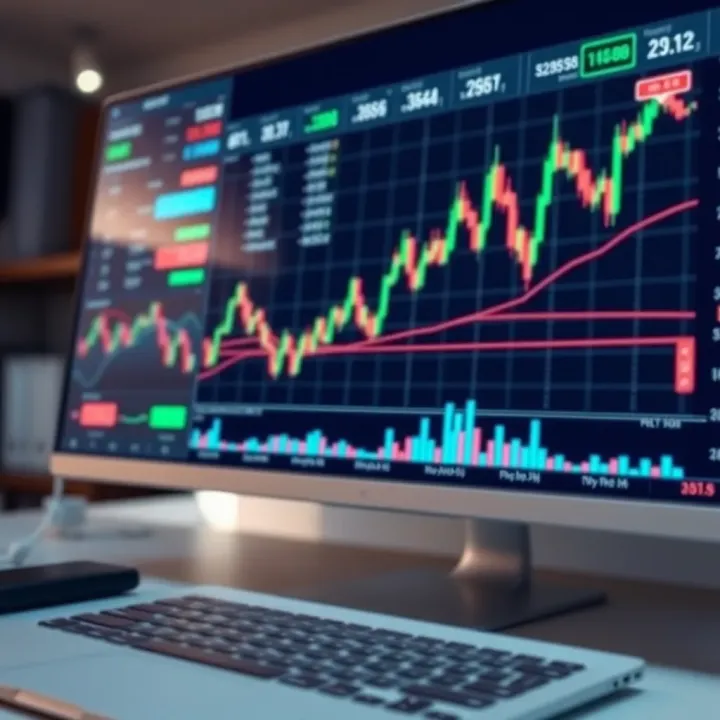
Explore how to pick the best Forex trading platform in Pakistan 💹. Learn about key features, security, regulations, and tips for beginners to trade smart.
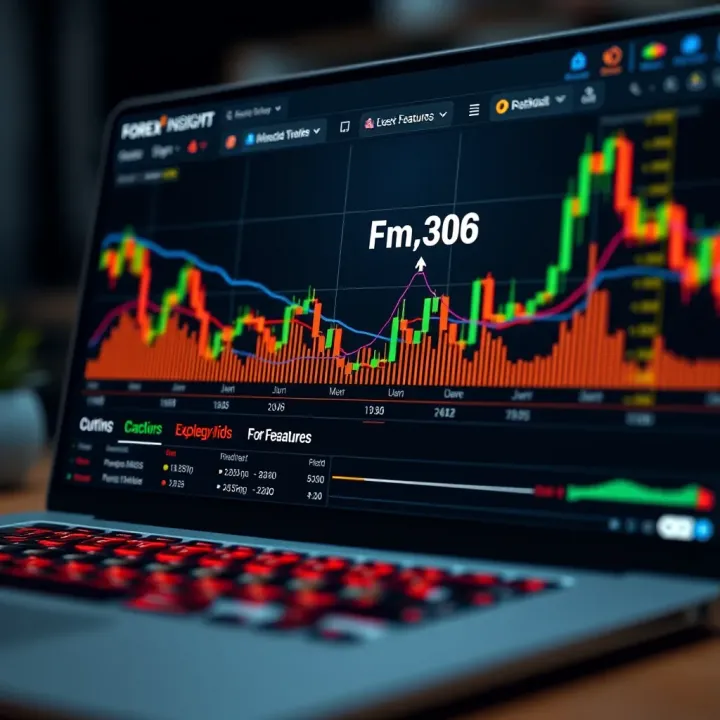
Find the ideal Forex trading platform in Pakistan 🇵🇰 with practical tips on features, security, and top choices tailored for every trader's style 📈💡
Based on 7 reviews