

Benefits of Risk Management for Pakistani Businesses
📊 Discover how risk management in Pakistan businesses cuts losses, boosts smart decisions, saves costs, ensures compliance, and builds a stronger reputation.
Edited By
Oliver Hughes
Risk management is a vital part of project success, especially when working in Pakistan’s dynamic business environment. It involves recognising potential hurdles that could derail a project and planning how to tackle them before they turn into bigger problems.
Understanding risk in project terms means identifying threats and opportunities that impact cost, time, and quality. For example, in construction projects here, common risks include delays from unpredictable monsoon rains, shortages of building materials, or power outages due to loadshedding.
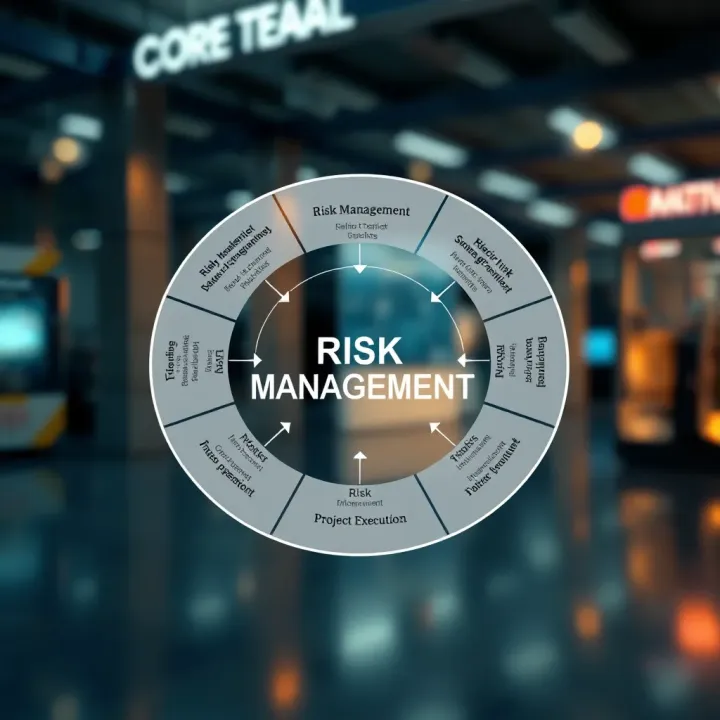
Effective risk management starts with identifying these risks early through methods like brainstorming sessions or SWOT analysis. Once identified, risks need to be assessed objectively based on their likelihood and potential impact. This helps project managers allocate resources wisely and prioritise responses.
There are several ways to respond to risks:
Avoidance: Changing project plans to eliminate the risk.
Mitigation: Taking steps to reduce the risk’s impact or chance.
Transfer: Shifting the risk to a third party (e.g., insurance).
Acceptance: Recognising the risk but deciding to proceed with it.
Monitoring risks is equally important. This means regularly reviewing the project environment to detect any new risks or changes to existing ones, allowing timely action.
In Pakistani projects, proactive risk management can save costs and prevent delays that often run into lakhs or crores of rupees. For instance, factoring in seasonal weather patterns during planning can avoid costly stoppages in infrastructure work.
Traders, investors, and financial analysts must appreciate these steps because project risks often translate into financial risks. For brokers and educators, understanding risk management strategies supports better advice and curriculum development.
In summary, solid risk management supports smooth project delivery by anticipating challenges, making informed decisions, and adapting as the project moves forward. This upfront effort reduces surprises and increases confidence among stakeholders.
Risk management is the backbone of any project’s success. It involves recognising potential hurdles before they disrupt progress or blow the budget. In Pakistan's context, where projects often face unpredictable challenges, grasping risk management helps stakeholders stay prepared and agile. For investors and financial analysts, understanding these risks translates directly into better decision-making and safeguarding investments.
A project risk refers to any uncertain event or condition that can affect project objectives positively or negatively. Unlike a problem, which is a present issue, risk is always forward-looking. For example, an infrastructure project in Karachi might face risk from monsoon flooding, which could delay construction.
Ignoring risk means exposing the project to surprises that waste resources or hamper quality. Managing risk actively ensures that challenges are spotted early, enabling timely responses that keep the project on track.
Risk management aims to minimise surprises and control the impact of negative events. Projects without risk plans often end up with cost overruns or missed deadlines. On the flip side, effective risk management builds confidence among investors and clients, making it easier to secure funding and support.
Take the case of an IT software rollout in Islamabad. If the team anticipates server downtime risk, they can schedule backups and avoid service interruptions, ensuring a smoother launch. This preparation increases the chance of meeting deadlines and delivering quality.
Technical risks arise from failures or flaws in project design, technology, or execution processes. In Pakistan's manufacturing sector, machinery breakdowns or obsolete technology can halt production lines unexpectedly. Such risks lessen efficiency and may require costly repairs or replacements.
Operational risks include delays in procurement or inability to meet quality standards. For example, a construction project in Lahore may suffer when local suppliers fail to deliver materials on time due to transport difficulties. Since every delay impacts the timeline, managing these situations proactively is vital.
Projects face financial risks through budget overruns, fluctuating material costs, or inadequate funding. In Pakistan's volatile economic environment, inflation can push up prices for steel or cement beyond initial projections.
Additionally, unexpected currency depreciation can make imported equipment more expensive. Without appropriate financial risk controls, projects might run out of funds midway, forcing scope cuts or abandonment.
Political instability or sudden regulatory changes can derail projects quickly in Pakistan. For instance, a change in local government policies might impose new taxes or delay approvals for a real estate development in Karachi.
Similarly, shifting import regulations could restrict access to critical machinery. Projects must account for these risks by maintaining good relations with authorities and staying updated on policy trends.

The human factor is often overlooked but can cause major disruptions. Skilled labour shortages, strikes, or poor communication among teams can delay work or reduce quality.
In Pakistan, cultural and language differences within diverse teams might lead to misunderstandings. A lack of clear communication channels can amplify these issues. Assigning clear responsibilities and encouraging open dialogue help mitigate such risks.
Effective risk management blends technical foresight with human insight and financial prudence. Knowing the types of risks you face is the first step toward steering projects safely through uncertain waters.
Identifying and analysing risks early in a project allows teams to address potential problems before they escalate. This step is vital for smooth project execution, helping avoid unnecessary costs, delays, or damage to reputation. In the Pakistani market, where political shifts, regulatory changes, and infrastructure challenges often influence projects, sharp risk analysis is even more critical.
Brainstorming remains one of the most straightforward yet effective ways to spot possible risks. Bringing together project stakeholders from varied backgrounds encourages open discussion, which can uncover risks not immediately obvious in formal reports. For example, during a construction project in Lahore, including engineers, local contractors, and finance staff in brainstorming revealed potential delays due to monsoon flooding that the main team hadn’t foreseen.
Consulting experts through interviews or surveys adds depth to risk identification. Specialists with sector-specific knowledge often anticipate risks from political instability or policy changes. In IT projects, interviewing seasoned software developers and cybersecurity experts can highlight technical vulnerabilities or data privacy concerns, which non-experts might overlook.
SWOT — Strengths, Weaknesses, Opportunities, Threats — is a simple framework that helps teams systematically uncover internal and external risks. Applying SWOT to a supply chain project in Karachi revealed weak points in supplier reliability and external threats from transport strikes. This clarity enabled management to plan alternative logistics ahead of time.
Reviewing past projects’ data helps predict risks more reliably. For Pakistani projects, lessons from previous infrastructure works by WAPDA or development initiatives by NADRA provide real-world patterns of typical delays or budget overruns. This evidence-based approach guides teams in pointing out probable risk zones.
Qualitative analysis focuses on the severity and likelihood of risks using subjective but structured methods like risk matrices. This helps teams prioritise risks quickly without heavy data needs. For example, a software rollout fearing user resistance might classify this risk as high impact and probable, pushing the team to prepare training sessions for users early.
Quantitative methods apply numerical values to risks, using tools like Monte Carlo simulations or decision trees. Though requiring more data and expertise, these tools provide clear probabilities and financial impact estimates. For instance, in a telecom expansion project, using quantitative analysis allowed the management to calculate potential cost increases due to exchange rate fluctuations and factor them into budgets precisely.
Early and thorough identification combined with proper analysis empowers project teams to manage uncertainties realistically and stay on course.
Effectively combining these identification and analysis methods helps tackle project risks comprehensively, ultimately improving the chances of success within Pakistan’s dynamic environment.
Developing risk response strategies is a vital step in project risk management. It helps teams decide how to handle potential problems before they escalate, ensuring smoother project execution and avoiding costly surprises. Well-crafted strategies reduce uncertainties, lower the chance of delays, and keep projects within budget. This section focuses on the practical ways to address project risks through avoidance, mitigation, transfer, acceptance, and contingency planning.
Avoiding risks means taking steps to eliminate the threat before it affects the project. For example, if a software development project identifies outdated technology as a risk, the team might choose a more current platform instead. This avoids compatibility issues later. Mitigation, on the other hand, reduces the impact or likelihood of the risk. Suppose Karachi’s monsoon might cause flood-related delays; the team could plan work in flood-safe locations or schedule outdoor activities to avoid peak rain periods.
Mitigation often involves improving processes or adding safeguards. For instance, installing backup generators at a manufacturing plant can lessen the disruption caused by loadshedding. Both avoidance and mitigation require early risk recognition, allowing enough time for practical action.
Some risks cannot be avoided or fully mitigated, so transferring risk is a useful approach. This often involves shifting responsibility to a third party, such as through insurance or outsourcing. A construction company working on an infrastructure project might transfer the risk of equipment failure to a specialised rental firm, ensuring accountability, and reducing direct losses.
Accepting risks means acknowledging the possibility and preparing for its consequences without proactive steps to reduce it. This approach suits low-impact or low-probability events where the cost of mitigation outweighs benefits. For example, an IT firm might accept minor software bugs during early releases, setting up a quick patching process instead. Clear documentation of accepted risks helps keep stakeholders aware and ready.
Contingency planning is putting backup measures in place to respond swiftly if a risk materialises. It is essential to identify triggers that activate these plans. For instance, if political instability threatens supply chains, arranging alternative local suppliers can keep production steady.
Recovery plans focus on restoring the project after a setback. In the case of sudden regulatory changes in Pakistan affecting project permits, having a legal advisory team ready helps navigate compliance quickly. Both contingency and recovery plans minimise downtime, reduce financial loss, and maintain stakeholder confidence.
Effective risk response strategies combine avoidance, mitigation, transfer, acceptance, and contingency measures. This balanced approach equips project teams to handle uncertainties confidently and maintain project momentum.
By integrating these strategies, project managers in Pakistan's dynamic environment can better handle challenges ranging from financial market fluctuations to infrastructural bottlenecks, paving the way for successful project outcomes.
Implementing and monitoring risk management effectively is essential for keeping a project on track and avoiding costly surprises. This phase moves risk planning from theory to practical action, ensuring risks are actively managed rather than ignored. Particularly in volatile environments like Pakistan's infrastructure or IT sectors, continuous monitoring allows teams to adapt to shifting conditions like regulatory changes or energy shortages.
Assigning specific risk owners within the project team ensures accountability and quicker response when risks arise. Each risk should have a dedicated person responsible for monitoring its status and implementing mitigation steps. For example, in a telecom rollout, the logistics manager might be assigned to risks related to equipment delivery delays, while the finance head handles budget overruns. Clear responsibilities prevent confusion, making sure issues don’t slip through cracks.
Regular tracking of risks using updated logs or dashboards helps identify new risks and changes in existing ones. This ongoing review enables the timely updating of risk response plans to reflect the latest project realities. For instance, if a political protest suddenly affects supply routes, the project manager can adjust contingency plans immediately. Tools like simple Excel trackers or project management software can do this, but consistency and timely updates are key.
Transparent communication about risks keeps everyone informed and engaged in managing them. Regular risk briefings or status updates within daily or weekly meetings help share insights and promote collaborative problem-solving. For example, IT project teams using messaging platforms like Slack or Microsoft Teams can quickly alert colleagues to emerging threats such as cybersecurity risks. An open culture where team members report issues early improves overall project resilience.
Effective implementation and monitoring of risk management keeps projects agile and reduces the chance of disruption. Assigning ownership, tracking risks actively, and fostering clear communication are practical steps that make a real difference in successful project delivery.
By applying these principles, project leaders and teams in Pakistan can better navigate uncertainties and improve their chances of on-time, within-budget project completion.
Pakistan's unique economic and socio-political environment calls for tailored risk management approaches in project execution. Understanding local challenges, such as political instability, regulatory complexities, and infrastructure limitations, is essential when applying risk management practices within Pakistani projects. Properly addressing these challenges not only reduces project failures but also enhances investor confidence and resource efficiency.
Large-scale infrastructure projects, like the China-Pakistan Economic Corridor (CPEC), showcase the relevance of risk management in Pakistan. These projects face risks like land acquisition disputes, security threats, and delays in customs clearance. For instance, managing security risks by coordinating with local authorities helps prevent costly interruptions.
In the IT sector, startups growing rapidly within Karachi and Lahore must manage risks related to rapid technological change and data security. Companies adopting risk assessments to identify cyber threats or regulatory compliance issues can better protect client data and maintain business continuity.
Political uncertainty and changing policies significantly affect project outcomes in Pakistan. Risk managers must stay informed about upcoming elections, changes in legislation, and regulatory shifts by bodies like the Securities and Exchange Commission of Pakistan (SECP) or the Federal Board of Revenue (FBR).
Contracts should include clauses for regulatory changes to shield projects from sudden legal shifts. For example, infrastructure projects often face delays due to prolonged environmental clearances; anticipating this risk and planning accordingly reduces financial losses.
Loadshedding remains a persistent challenge impacting manufacturing and construction sectors. Projects must plan for power outages, often by investing in backup generators or shifting working hours to daylight to minimise downtime.
Supply chain disruptions due to unstable regional security or customs delays also affect timely material deliveries. Developing multiple sourcing options and maintaining buffer inventory helps projects avoid costly hold-ups. These strategies proved useful during pandemic-related lockdowns, where flexibility quickly became a survival tactic.
Effective risk management in Pakistan hinges on understanding local nuances. Every project must customise its approach to political, infrastructural, and regulatory realities for smoother execution and stronger results.
Incorporate political risk monitoring into project plans
Engage stakeholders early to ease regulatory approvals
Plan contingencies for utility disruptions and supply chain hiccups
Maintain ongoing communication with local authorities and communities
By embedding these measures, projects can better navigate Pakistan's complex risk environment and deliver results on time and within budget.
📊 Discover how risk management in Pakistan businesses cuts losses, boosts smart decisions, saves costs, ensures compliance, and builds a stronger reputation.

Explore key actuarial science and risk management concepts 🧮 to assess and control financial risks, helping businesses in Pakistan make smarter decisions 📊.

Explore binary search in C++ through detailed explanations, clean code, iterative & recursive methods, plus tips on common mistakes ✓💻🔍

🔢 Learn how the hexadecimal 5A converts to binary with clear steps and practical examples. Perfect for understanding computing number systems in detail.
Based on 13 reviews