
Understanding Binary Meaning in Urdu
Explore the meaning of binary in Urdu 🇵🇰, its role in computing, math, and daily life with clear examples and history explained simply.
Edited By
Isabella Hughes
The term non-binary refers to gender identities that fall outside the traditional classifications of male and female. In Urdu, the concept doesn't have a direct, commonly used equivalent, leaving many to describe it with phrases like "غیر دو جنسی" (gair do jinsi) or "دو جنسی سے ہٹ کر" (do jinsi se hatt kar), meaning 'beyond two genders'. This lack of an exact term reflects the complexity of gender discussion within Pakistani society.
Understanding non-binary gender identity requires recognising that gender is not always strictly male or female. Non-binary individuals may identify as having a mix of both, neither, or a fluid combination of genders. This understanding challenges the deeply rooted binary norms prevalent in Pakistan, where gender roles are often fixed and reinforced through cultural and religious expectations.
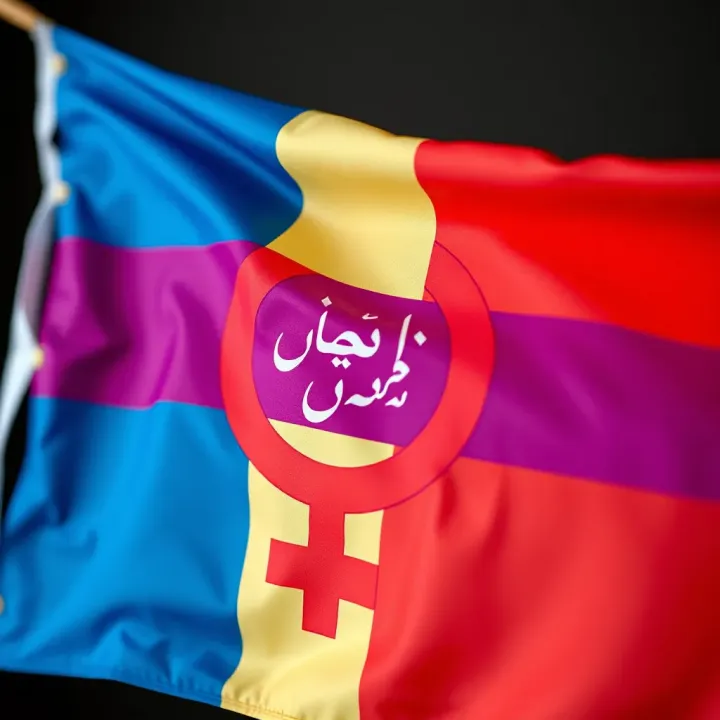
Non-binary identities highlight the diversity within gender and push for broader acceptance beyond traditional categories.
In Pakistan, discussing non-binary identities remains rare and sometimes taboo, resulting in limited awareness. Many non-binary individuals face social challenges, including misunderstanding, lack of legal recognition, and difficulty expressing their identity openly. For instance, official documents like the Computerised National Identity Card (CNIC) do not currently allow options beyond male and female, making day-to-day experiences more difficult for non-binary people.
Despite these hurdles, urban spaces like Karachi and Lahore have begun conversations about gender diversity, often through activist circles, art, and social media. Some Pakistanis are working to introduce Urdu terms and simpler ways to explain the non-binary experience to bridge the gap in understanding.
Key aspects to consider when exploring the meaning of non-binary in Urdu include:
Language barriers: Urdu lacks widespread vocabulary fully representing non-binary identities.
Cultural norms: Society often stresses clear gender roles that leave little room for alternatives.
Legal and social recognition: Non-binary identities have no formal acknowledgement in Pakistani law.
Building awareness about non-binary identities in Pakistan involves educating the public, creating respectful Urdu terminology, and supporting inclusivity within institutions. This lays the foundation to make society more open and informed, reducing stigma and encouraging acceptance of all gender identities.
Understanding the term non-binary and how it translates into Urdu is essential for appreciating gender diversity beyond traditional categories. This knowledge helps create awareness, particularly in Pakistan, where rigid binary gender concepts often dominate social thinking. Clear definitions allow better communication in both personal and professional contexts, promoting inclusion and respect for identities that don't fit conventional male or female labels.
The idea of non-binary gender identity has developed over recent decades, especially in Western discourse. It challenges the long-standing binary model, which classifies gender strictly as male or female based on birth-assigned sex. The term represents those who identify outside or between these categories, reflecting a spectrum rather than a fixed point.
Historically, various cultures around the world recognised more than two genders, but the explicit term ‘non-binary’ gained prominence as LGBTQ+ movements sought recognition for diverse gender expressions. For practical purposes, non-binary identities resist classification into man or woman, offering individuals freedom to define themselves more accurately.
Practically, this distinction matters because it affects legal recognition, access to healthcare, and social interaction. For example, a person who identifies as non-binary might experience challenges with documents or healthcare systems that demand a binary gender choice, highlighting the need for inclusive policies.
Binary gender identities refer to the culturally recognised categories of male and female, traditionally linked to biological sex. Non-binary, by contrast, rejects this strict separation. People identifying as non-binary may feel they embody elements of both genders, neither, or move between gender identities over time.
In Pakistan, where social roles are closely tied to binary gender expectations, non-binary identities challenge these norms. Recognising this difference is crucial for traders, investors, and educators alike, as respect for diverse identities can affect workplace dynamics, client relationships, and educational inclusivity.
Direct Urdu translations of non-binary include terms like "غیر دو جنسی" (ghair do jinsi) or "غیر ثنائی جنس" (ghair sanai jins), both meaning 'non-dual gender'. However, these terms are still relatively new and not widespread.
Common practice often leans on descriptive phrases to explain non-binary concepts due to the lack of a succinct Urdu word. For instance, explaining someone as having a gender identity 'جو مرد یا عورت نہیں ہے' (jo mard ya aurat nahi hai) clarifies the meaning but lacks brevity.
One major challenge is that Urdu, like many South Asian languages, traditionally reflects binary gender structures deeply embedded in grammar and vocabulary. Most nouns and adjectives have gendered forms, making gender-neutral language tricky.
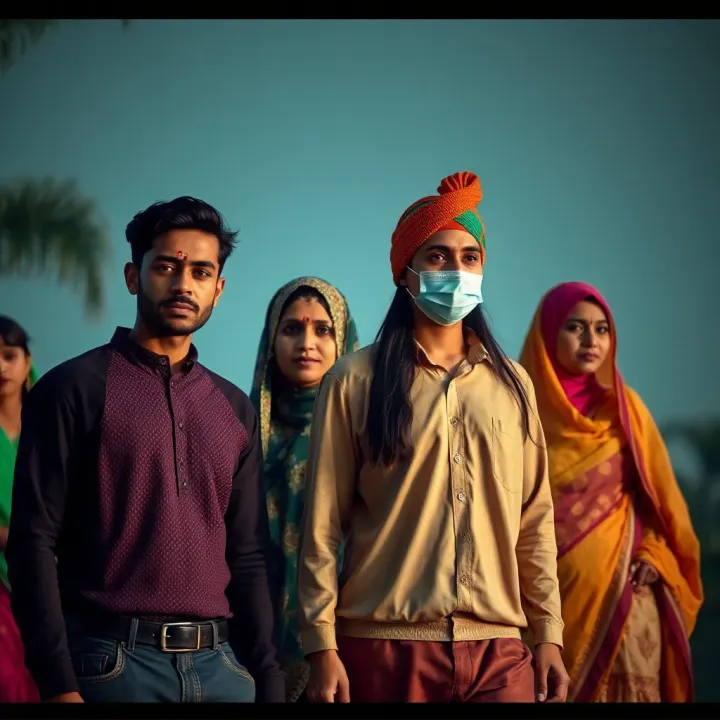
This linguistic limitation extends to societal understanding. Since language shapes thought, limited Urdu vocabulary for non-binary concepts hinders widespread awareness and acceptance. As a result, many non-binary individuals in Pakistan struggle to find terms that represent their identities accurately, highlighting the need for evolving language use and increased public education.
As awareness grows, creating accessible terms and promoting respectful dialogue in Urdu will support recognition and inclusion of non-binary people, especially in professional and educational settings.
Gender diversity refers to the recognition and acceptance of various gender identities beyond the traditional male and female categories. In Pakistan, understanding this diversity is essential not only for social harmony but also for creating inclusive policies and fostering respect within communities. Recognising gender diversity helps challenge outdated stereotypes, opening doors for people of all identities to participate fully in society, whether in workplaces, educational institutions, or public life.
Pakistani society has historically followed a binary gender system, where individuals are identified strictly as male or female. This classification deeply influences social roles, expectations, and behaviours. For example, boys are often expected to conform to ideals of masculinity related to strength and leadership, while girls are guided towards nurturing and domestic roles. Such clear-cut roles limit personal expression and ignore those who don't fit these boxes.
Beyond social expectations, binary gender roles impact practical matters like inheritance law, job opportunities, and even access to education, reinforcing divisions from an early age. This rigid system leaves little room for questioning or exploring alternative gender identities, which can isolate people who don’t identify strictly as male or female.
Religious teachings and cultural customs further strengthen these gender norms. Islam, which guides much of Pakistan’s cultural framework, emphasises roles based on gender that often align with societal binaries. Many communities also uphold centuries-old customs and practices that define clear gender behaviours. For instance, family honour and societal reputation are tied to following these norms; any deviation might invite criticism or exclusion.
These religious and cultural forces work hand in hand, making it difficult for non-binary and gender-diverse identities to gain ground visibly in society. However, the interpretation of religion can vary, and some scholars and communities now advocate for more inclusive understandings that respect individual identities without compromising faith.
Pakistan officially recognises Khawaja Sira and Hijra communities as a third gender. This legal recognition, formalised through laws such as the Transgender Protection Act 2018, allows individuals to identify beyond the male/female binary on official documents like CNICs (Computerised National Identity Cards). It grants certain protections, including rights to inheritance, employment, and healthcare access, which were previously hard to obtain.
Despite this, the social reality remains challenging. Khawaja Sira and Hijra communities often face discrimination and marginalisation, especially outside major cities. Still, their legal status marks a distinct move towards inclusion compared to many neighbouring countries.
It's important to understand how non-binary identities differ locally from the recognised third gender. While Khawaja Sira or Hijra identities are culturally and historically embedded groups with their own traditions, non-binary individuals may not identify with these communities or may reject fixed cultural roles altogether. Non-binary refers to people whose gender identity does not fit within male, female, or even the specific third gender category recognised by law.
This difference matters because it highlights the need for broader, more nuanced recognition of gender diversity in Pakistan. Policies, social services, and community support often focus on Khawaja Sira and Hijra groups but may fail to include others with varied non-binary identities. Addressing this gap can help ensure all gender-diverse people receive fair treatment and respect.
Understanding the distinctions between traditional roles, legal third gender recognition, and broader non-binary identities is key to advancing social inclusion in Pakistan today.
Recognise gender diversity beyond male/female and traditional third gender categories
Appreciate the role of cultural and religious norms shaping these identities
Acknowledge legal progress and remaining gaps in rights and social acceptance
This awareness benefits not just individuals but also organisations and policymakers in crafting inclusive environments that reflect Pakistan’s rich, evolving social fabric.
Non-binary individuals in Pakistan face significant challenges that affect almost every aspect of their lives. These obstacles are not just social but also legal and institutional, making it hard for many to live openly and with dignity. Understanding these challenges is essential, especially in a society where gender norms are deeply entrenched.
Stigma and discrimination in families and communities often create a harsh environment for non-binary people. In many Pakistani households, rigid gender expectations leave little room for identities outside the binary male-female framework. This leads to rejection or harsh treatment from family members who may view non-binary identities as confusion or shame. For instance, a young non-binary person might be forced into traditional roles or pressured to conceal their true self to avoid family conflict. Communities, particularly in smaller towns or rural areas, tend to reinforce these norms, thereby increasing isolation.
Impact on mental health and wellbeing is profound because social exclusion and discrimination contribute to stress, anxiety, and depression. Without acceptance from family or community, many non-binary individuals report feeling lonely or unsafe. Mental health services in Pakistan often lack proper understanding or support for non-binary identities, which worsens the situation. For example, someone facing discrimination at home might hesitate to seek help, fearing stigma from mental health professionals unfamiliar with gender diversity.
Issues with identity documents and official recognition pose practical problems for non-binary individuals. Pakistan’s current system recognises gender primarily in terms of male, female, or third gender (Khawaja Sira or Hijra). Non-binary identities don’t fit neatly into these categories, leading to difficulties in getting CNIC (Computerised National Identity Card) status that truly reflects their identity. This misalignment causes problems when opening bank accounts, enrolling in schools, or dealing with government services. For example, a non-binary person may have to choose a gender on official forms that contradicts their identity, increasing risk of discrimination.
Access to healthcare and employment challenges also stem from legal invisibility and societal ignorance. Healthcare providers may lack training in gender-affirming care or show bias, which discourages non-binary people from seeking medical help. Similarly, employers often subject non-binary candidates to discrimination during hiring or within workplace culture. Lack of clear anti-discrimination laws in employment means non-binary individuals are vulnerable to unfair treatment or even job loss simply for expressing their gender identity.
Practical change requires legal reforms and wider social education to reduce discrimination and create support systems for non-binary Pakistanis. Without this, many will continue to face barriers that affect their daily lives and future opportunities.
Representation and awareness of non-binary identities are gaining ground in Pakistan, despite being a relatively new conversation for many. This is important because visibility helps challenge misunderstandings and reduces stigma. When society sees non-binary people reflected in media, discussions, and community spaces, it fosters acceptance and inclusion, making day-to-day life easier for these individuals.
Portrayal of non-binary individuals in Pakistani media has traditionally been scarce or stereotypical. Non-binary identities are often lumped together with Hijra or transgender identities without a clear distinction. However, some independent filmmakers and digital content creators are now exploring such themes with more nuance. For instance, short documentaries or web series depict the struggles and triumphs of those who don’t fit traditional gender categories. These portrayals help educate viewers and spark conversations within society.
The practical impact is that when the media shows non-binary people as individuals with real stories, rather than stereotypes, it breaks down barriers to understanding. This encourages families, workplaces, and schools to be more accommodating. Still, mainstream media has a long way to catch up in giving accurate and respectful representation.
Public discourse and emerging conversations about non-binary identities are slowly growing, especially among younger Pakistanis connected through social media. Platforms like Twitter and Instagram serve as spaces for sharing experiences and dispelling myths. Discussions in universities, workshops, and panels are also beginning to address gender beyond the male-female binary.
That said, these conversations often face resistance due to cultural and religious sensitivities. Yet, their existence matters because it opens a door for dialogue and change. Increasing awareness helps reduce misunderstandings and provides a more supportive environment for non-binary individuals.
Awareness campaigns and educational initiatives by local NGOs have started to include non-binary perspectives. Organisations working on human rights or LGBTQ+ issues hold seminars and run social media campaigns explaining non-binary identities in accessible Urdu and regional languages. This education is practical; it helps families and institutions recognise and respect gender diversity.
Some campaigns focus on schools and universities, aiming to create inclusive policies and safer spaces. These initiatives are important because education plays a big role in changing attitudes from a young age, which in turn benefits non-binary people in their academic and social lives.
Support groups and community spaces provide critical lifelines for non-binary Pakistanis. These groups organise meetups, online forums, and counselling services where individuals can share their experiences without fear of judgment. For example, informal online communities have formed on messaging platforms like WhatsApp and Telegram.
Such spaces help combat loneliness and alienation that many non-binary people feel. They also offer practical support, like advice on changing identity documents or accessing healthcare. This kind of community work is a foundation for building resilience and empowerment.
Representation and awareness are not just about visibility—they create pathways for understanding and respect in society. Active engagement by media, NGOs, and individuals helps non-binary identities become part of Pakistan's social fabric.
Respect and inclusion for non-binary individuals matter a great deal, especially in Pakistan where rigid gender norms often dominate. Recognising and supporting diverse gender identities can create a more open, accepting society that benefits everyone, including workplaces and families. When non-binary people feel seen and valued, their mental health and productivity improve significantly. This section highlights practical ways to promote respect through language, communication, legal policies, and education.
Using the right pronouns is a simple but powerful way to show respect. In English, many non-binary people prefer pronouns like "they/them," which avoid assigning a fixed male or female identity. In Urdu, the challenge is greater because pronouns are gendered. Some have started to use neutral expressions like "وہ" (woh) without gender emphasis or to ask individuals how they wish to be addressed. This openness helps avoid uncomfortable assumptions and fosters dignity.
Creating inclusive communication isn't limited to pronouns alone. In homes and workplaces, simple steps—like learning someone's preferred name, avoiding gendered greetings, or using neutral terms—make a big difference. For example, instead of saying "bhai" or "behen" (brother or sister) casually, using a person's name or neutral terms respects their identity. Organisations in Pakistan are slowly realising this; tech companies and educational institutions have begun workshops to sensitise staff about inclusive language, signalling a positive shift.
Legal recognition of non-binary identities is still evolving in Pakistan. Rights groups urge that identity documents (like CNICs) include options beyond male and female. Such inclusive laws would ease access to services, healthcare, and employment, reducing harassment and discrimination. The government’s current recognition of the Khawaja Sira community is a critical but incomplete step towards broader inclusion of gender diversity.
Social acceptance grows when education addresses gender diversity early on. Schools and universities can include lessons on gender identity, teaching respect and empathy. Awareness campaigns from NGOs already work in urban centres, but rural areas need more focus. Educating communities reduces prejudice, breaking cycles of stigma that affect non-binary individuals. When young people understand these identities, they become allies shaping a more tolerant Pakistan.
Promoting respect for non-binary people is not just a matter of fairness; it affects mental health, social harmony, and economic participation. Simple changes in language and policy today can build an inclusive Pakistan for tomorrow.
Explore the meaning of binary in Urdu 🇵🇰, its role in computing, math, and daily life with clear examples and history explained simply.
Explore how binary gender shapes identity and society in Pakistan, its challenges, and alternatives beyond male/female roles 👥🌏
💡 Explore how binary signals power Pakistan's digital networks, decode their function, tackle challenges & apply insights to enhance communication systems effectively.
Explore the basics and types of binary relations 🔄 in math, including reflexive, symmetric, transitive properties, examples, and practical uses across fields.
Based on 5 reviews