
Choosing the Best Indicator for Forex Trading
Discover key forex trading indicators 📈 to spot trends, price moves, and market signals. Learn which tool fits your style for smarter trading decisions.
Edited By
Ethan Parker
Forex trading has gained popularity in Islamabad among investors and financial enthusiasts looking to diversify their portfolios. With the growth of digital platforms and increased access to global markets, many in Pakistan want to understand forex trading better and develop the skills necessary to succeed.
Several forex trading courses in Islamabad cater to beginners and experienced traders alike. These courses cover key topics such as market analysis, currency pairs, risk management, trading psychology, and technical indicators. Unlike generic finance classes, good forex courses emphasise practical strategies and real-time trading simulations to prepare students for live market conditions.
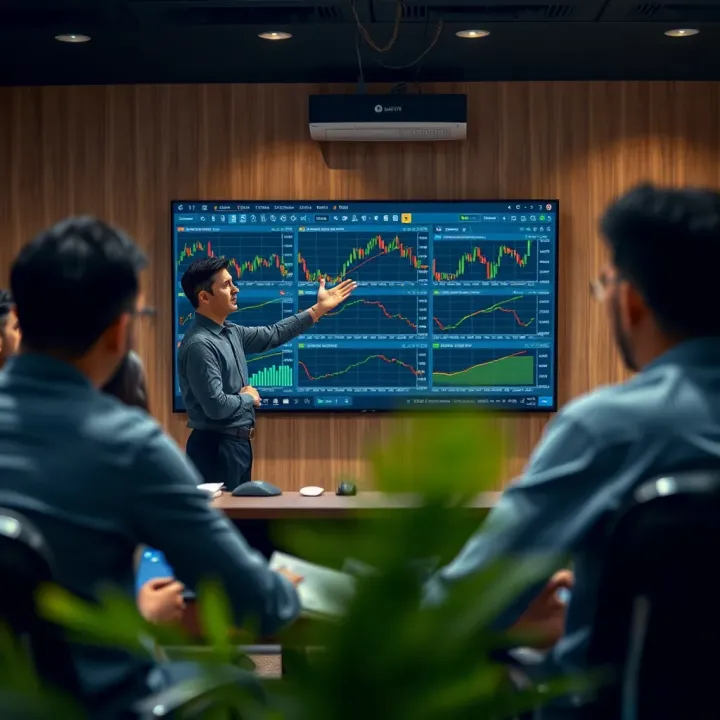
When selecting a course, pay close attention to its curriculum. Courses that include hands-on training with popular trading platforms like MetaTrader 4 or 5 offer a clear advantage. Additionally, instructors who are active traders or certified market analysts tend to explain concepts more clearly and bring relevant industry insights.
Certification from a recognised institute adds credibility, especially if it links with continued professional development or trading accreditation. Bear in mind that the best courses also discuss local regulatory frameworks such as Pakistan’s State Bank guidelines and Foreign Exchange regulations to keep traders informed about compliance.
A structured forex trading course not only improves your technical skills but also builds the confidence needed to manage the ups and downs of currency markets.
Several training centres in Islamabad provide flexible schedules, including weekend or evening classes, to accommodate working professionals. Some institutions even offer online modules, which can be helpful given the loadshedding and connectivity issues sometimes faced in the city.
Starting a forex trading career in Pakistan requires more than just theoretical knowledge. Courses that guide you through account setup, broker selection (preferably PTA-approved), and risk calculation tools prepare you to take practical steps swiftly and responsibly.
In the sections ahead, you will find detailed information to help you compare and choose the forex trading course that fits your needs, budget, and career goals best.
Forex trading has become a significant financial activity worldwide, and Islamabad’s educated and technology-savvy population is increasingly recognising its potential. Understanding forex trading basics and its growing importance in Islamabad helps new traders and investors tap into global currency markets effectively. This section guides readers on the essential concepts of forex trading and its local relevance.
Forex trading involves buying and selling currencies on a global market called the foreign exchange market. Traders speculate on currency value fluctuations to profit from exchange rate differences. Unlike stock markets, forex operates 24/5, covering major currency pairs like USD/PKR, EUR/USD, and GBP/USD. For example, a trader in Islamabad may purchase US dollars when its value is low against the Pakistani rupee, then sell when the USD strengthens.
This market is massive, with daily turnover estimated at over $6 trillion, giving individuals and businesses worldwide opportunities for profit or hedging currency risk. In Pakistan, forex trading is gaining popularity beyond banks and importers, thanks to easier access via regulated online brokers.
Forex deals in currency pairs, where one currency is exchanged for another. Major pairs include USD/EUR, USD/JPY, and USD/PKR. Knowing which pairs to focus on depends on a trader’s strategy and market hours, which vary by region.
The forex market operates round the clock, opening in Asia, then Europe, and finally North America. For Islamabad-based traders, active market hours often overlap with the London and New York sessions, providing good liquidity and trading volume. For instance, trading USD/PKR currency pair is most active during local business hours.
Forex trading offers potential high rewards, but it also carries risks such as market volatility, leverage-induced losses, and geopolitical events affecting currency values. A small move in currency price can multiply gains or losses, especially when high leverage is used.
Pakistani traders need to understand these risks deeply before investing real money. Proper education through reputable forex trading courses in Islamabad can prepare traders to manage these risks, making informed decisions to preserve capital while aiming for profit.
The availability of online trading platforms like MetaTrader 4/5, cTrader, and local brokers approved by the Pakistan Telecommunication Authority (PTA) has dramatically expanded access to forex markets. These platforms offer real-time market data, advanced charting tools, and demo accounts for practice.
For Islamabad’s traders, online platforms reduce barriers such as physical presence and paperwork. They can trade from home or offices using computers or mobiles, making forex trading more accessible and flexible.
Pakistan’s evolving economy, rupee volatility, and exposure to global markets have driven interest in forex trading as individuals seek alternative income streams. Importers and exporters also use forex trading knowledge to hedge against currency risks.
Additionally, remittances from overseas Pakistanis influence forex demand locally. When the rupee fluctuates, many look toward forex trading for potential gains or protection against depreciation. Such economic dynamics underpin the growing forex learning demand in Islamabad.
Islamabad’s reputation as Pakistan’s capital city and educational centre draws learners eager to enhance financial skills. With many institutes offering forex courses, seminars, and workshops, the city becomes a prime spot for quality forex education.
These courses often combine theory with practical trading experience, helping aspiring traders build confidence. Islamabad’s blend of accessibility, quality instruction, and growing interest positions it as a key driver of Pakistan’s forex trading community growth.
Getting a solid grasp of forex basics and understanding local economic factors is the first step for anyone serious about trading. Islamabad’s educational ecosystem supports this learning journey by providing structured forex courses tailored to the Pakistani market.
Taking a forex trading course in Islamabad offers a structured way to grasp the complex world of currency markets. You can expect clearly defined lessons on essential concepts that help bridge theory with real-market practices. These courses typically focus on practical skills to improve your trading decisions, offering hands-on experience with market tools and simulations. Knowing what to expect helps you choose a course that matches your learning style and career goals.
Technical and fundamental analysis: These are the backbone of any forex course. Technical analysis involves reading charts, understanding price patterns, and using indicators to forecast market moves. For example, you might learn to identify a bullish engulfing pattern on the USD/PKR pair, signalling a potential rise. Fundamental analysis teaches you to interpret economic indicators like inflation, interest rates, or geopolitical events affecting currencies. In Islamabad, many courses emphasise how Pakistan’s economic data, such as the latest SBP monetary policy, impacts currency trends.
Risk management strategies: Proper risk control is crucial to avoid heavy losses. Courses cover techniques such as setting stop-loss orders, calculating position size, and spreading risk across different trades. For instance, a course might teach you to risk no more than 2% of your trading capital on a single trade, which helps preserve funds during losing streaks. This knowledge is especially important given the volatility in currency pairs involving emerging market economies.
Trading psychology and discipline: Forex trading is not just about numbers; it’s about mastering your mindset. These lessons focus on managing emotions like fear and greed, maintaining patience, and sticking to your trading plan. Students learn how impulsive decisions can lead to losses and practice strategies to build mental discipline. For example, establishing a pre-trade checklist helps traders avoid rash choices during market spikes common in volatile sessions.
Live trading sessions and simulations: Practical exposure through real-time market sessions is a highlight. Students watch experienced traders navigate current market conditions or use simulated platforms to practise without financial risk. This method develops decision-making skills and confidence. For instance, a live demo trading session on MetaTrader 4 (MT4) lets learners see how orders execute and how to manage open positions effectively.
Use of trading software and platforms: Familiarity with trading tools is essential today. Courses introduce popular platforms like MT4, MT5, and TradingView, teaching you to place trades, set alerts, and use charting tools. In Islamabad, many centres provide training on platforms that support Pakistani brokers approved by PTA, ensuring practical relevance. Understanding software reduces dependency on brokers and enables self-managed trading.
Interactive workshops and Q&A: Active learning happens through workshops where participants discuss strategies, clarify doubts, and analyse market scenarios together. These sessions often invite experienced traders to share insights or cover new market developments. The Q&A helps clear any confusion regarding complex topics, making learning more effective. For example, a session might focus entirely on the recent trends in the PKR exchange rate and how to trade them.
Enrolling in a forex trading course in Islamabad means you not only get theoretical knowledge but also practical skills and tools needed to trade confidently in Pakistan’s dynamic market.
This clear structure and practical approach ensure the course benefits students beyond just theory, preparing them for the challenges of real-world trading.
Selecting the right forex trading course can significantly shape your understanding and success in the market. Not all courses provide the same value, so pinpointing one that meets your needs and offers practical knowledge can save time and money. In Islamabad, where options are increasing, focusing on key factors helps you avoid distractions and invest in the right programme.
Accreditation and certification Accreditation ensures the course meets certain educational standards and is recognised by relevant bodies, which adds credibility. For example, a course certified by an established financial educational institution or a reputed trading academy gives reassurance about the quality of training. Certification is not just a paper; it can open doors for jobs, freelance opportunities, or even build client trust if you start your own trading business.
Instructor experience and background The strength of a course often depends on who teaches it. Experienced instructors who have traded forex themselves know market nuances, pitfalls, and strategies beyond textbook theory. In Islamabad, many centres advertise instructors with international trading experience or professional backgrounds in finance. Choosing courses where the instructors actively trade or have a history of successful mentoring can help you gain real-world insights and practical tips.
Course duration and cost It’s wise to evaluate how long and how expensive a course is, balancing price and content. Short courses might be tempting for quick learning, but they often lack depth. On the other hand, very long courses might drain your time without guaranteeing quality. For instance, a 40-50 hour course priced reasonably around Rs 20,000 to Rs 50,000 tends to be a sensible investment. Remember, expensive doesn't always mean better; check curriculum details and what practical skills are included.
Overview of top-rated centres Several institutes in Islamabad have built solid reputations for forex education. Centres like Traders’ Circle, FX Global Institute, and Pak Forex Academy offer structured courses with experienced educators and good track records. Each centre varies in terms of course scope, the technology they use, and student engagement levels, so comparing these aspects can guide your choice.
Student testimonials and success stories Feedback from past students often reveals more than glossy marketing. Look for testimonials highlighting tangible improvements in trading skills or successful traders emerging from the course. Some centres even share stories of students who moved into full-time trading or started forex-related careers after completing their programme.
Additional support and resources offered Good forex courses don't stop at classroom teaching. They provide extra help like one-on-one mentorship, access to trading simulators, ongoing webinars, and updated course material to match market changes. Some institutes also offer community groups or forums for continued learning and networking, which can be valuable in fostering confidence and keeping up with dynamic markets.
Investing time in choosing the right forex trading course in Islamabad means setting groundwork for a smoother trading journey. Pay attention not just to what is taught, but how and by whom, plus the support you will get after finishing the course.
Completing a forex trading course in Islamabad offers clear benefits that go beyond basic knowledge. These courses equip traders with essential skills and boost confidence while opening doors to career opportunities. In Pakistan's growing financial market, these advantages can be the difference between uninformed guesses and calculated decisions.
A well-structured course sharpens your ability to interpret market data and understand currency movements. For example, you'll learn to read charts, identify patterns, and apply technical indicators like moving averages or RSI effectively. These tools allow you to take informed positions rather than relying on luck.
Besides technical skills, courses also cover fundamental analysis—examining economic indicators such as interest rates, inflation, or geopolitical events. This knowledge helps you anticipate currency trends in ways that news headlines alone cannot explain. Practically, this means you're less likely to be caught off guard by sudden market moves.
Forex markets can be volatile, reacting quickly to news or economic shifts. Through simulations and live trading sessions, a course helps you build the ability to make quick, rational decisions even when the market moves against expectations. For instance, managing emotions like fear or overconfidence during a sharp price drop is a skill often overlooked but critical in preserving capital.
Confidence is built by practising strategies in a controlled environment and receiving feedback. This prepares you to execute trades with discipline, avoiding impulsive moves that many beginners make. Over time, this steadiness under pressure can protect your investments and improve results consistently.
Finishing a forex course steers you towards freelance trading as a viable income source. Armed with knowledge and confidence, you can trade independently using platforms widely accessible in Pakistan like MetaTrader or cTrader. Many graduates start this way, building their portfolios and income streams without relying on fixed salaries.
Moreover, financial institutions, brokerage firms, and investment consultancies in Islamabad occasionally seek trained forex analysts or traders. Having formal certification boosts your profile among recruiters who prefer candidates with verified expertise rather than self-taught traders.
Beyond personal trading, course completers can venture into setting up trading businesses—either as signal providers, educational trainers, or managed account services. Some graduates establish consultancy firms that guide new investors through Pakistan’s regulatory landscape and market risks.
Understanding compliance, such as dealing with Pakistan Telecommunication Authority (PTA)-approved brokers and local tax obligations, enhances trust among clients. With forex’s increasing popularity, properly trained professionals can carve a niche helping others navigate this complex field, generating extra income on top of their own trading.
Taking a forex trading course in Islamabad transforms your approach from guesswork to strategy, opening both personal profit opportunities and professional pathways.
Starting actual trading after completing a forex course in Islamabad requires careful planning and understanding of several practical aspects. This stage bridges classroom learning with real-world trading, ensuring that knowledge turns into actionable skill. Key steps include setting up your trading account in Pakistan and managing your finances and risks wisely.
Choosing a Pakistan Telecommunications Authority (PTA)-approved broker is essential for legal compliance and smooth trading operations. PTA approval means the broker follows local regulations, offers reliable services, and permits secure transactions within Pakistan. Brokers without PTA approval might face disruptions or legal hurdles, making it risky to open accounts with them. For example, a trader choosing a well-known broker like FXTM or XM, which both have PTA approval, will benefit from better customer support and adherence to local financial rules.
Understanding regulatory requirements and documentation is the next step for setting up a trading account. Pakistan has rules designed to protect traders, such as Know Your Customer (KYC) norms requiring CNIC (Computerised National Identity Card) verification and sometimes proof of address. You’ll also need to understand tax reporting obligations through the Federal Board of Revenue (FBR), especially if profits exceed taxable limits. Preparing documents like a valid CNIC, proof of income, and bank statements helps speed up account approval. This process ensures that your trading activities remain compliant and transparent, shielding you from potential fines or account freezes.
Capital allocation for trading affects your chances of success and sustainability. It’s wise to set aside an amount you’re comfortable risking—usually a small portion of your overall savings. For instance, many experienced traders suggest starting with Rs 50,000 to Rs 1 lakh, allowing room to learn without significant financial strain. Avoid using borrowed money or your family’s essential funds for trading, since forex markets are volatile and losses are part of the game.
Strategies to minimise losses and protect investments are vital to avoid blowing up your trading account early on. Techniques like proper stop-loss orders, limiting position sizes to 1-2% of your capital per trade, and diversifying trades can preserve your funds. It also helps to maintain a trading journal, noting down what worked or didn’t, refining your strategy steadily. For example, if a trader places a stop-loss 50 pips below their entry point, losses are limited, preventing deep drawdowns that impact confidence and capital.
Taking practical steps after a forex course ensures you don’t just learn basics but actually trade responsibly within Pakistan’s regulatory framework. Careful broker selection, meeting bureaucratic requirements, and managing your money well build the foundation for long-term trading success.
Following these steps will connect your education to real trading outcomes — making the leap from theory to profitable practice much smoother.
Discover key forex trading indicators 📈 to spot trends, price moves, and market signals. Learn which tool fits your style for smarter trading decisions.
Learn forex trading basics in Pakistan 🇵🇰 including currency exchange, market operations, price factors, strategies & risks to trade confidently and securely 💰
📈 Understand how forex trading works in Pakistan: learn currency market basics, key players, trading strategies, risk control, and practical steps to start trading responsibly.
Explore how to pick the best Forex trading platform in Pakistan 💹. Learn about key features, security, regulations, and tips for beginners to trade smart.
Based on 13 reviews