
Choosing the Best Forex Trading Platform in Pakistan
Explore how to pick the best Forex trading platform in Pakistan 💹. Learn about key features, security, regulations, and tips for beginners to trade smart.
Edited By
Emily Harrington
Forex trading in Pakistan has gained notable interest among investors and traders seeking to diversify their portfolios. Unlike traditional stock markets, forex involves buying and selling currencies, aiming to profit from exchange rate fluctuations. Pakistan’s strategic positioning and economic ties make forex trading a viable option, but the market carries distinct opportunities and hurdles.
The State Bank of Pakistan (SBP) regulates forex activities, imposing rules mainly to control currency stability and prevent illegal money flows. Individuals and companies must trade via authorised channels, such as recognised banks or brokers registered with Pakistan’s financial authorities. Despite strict oversight, proper access to foreign exchange for trading remains limited for average Pakistani investors due to foreign exchange controls and compliance demands.
Various forex trading platforms are available to Pakistanis, from global giants like MetaTrader and cTrader to locally accessible services. These platforms offer real-time pricing, technical indicators, and demo accounts for practice. Still, traders should verify the legitimacy of brokers and ensure they comply with Pakistan’s legal framework to avoid scams.
Pakistan's forex market reflects both global currency trends and domestic economic factors such as rupee depreciation, trade balance, remittances, and inflation rates. This dual influence creates both risks and opportunities. For example, the rupee’s volatility during economic shocks can present profit chances for seasoned traders but also raises exposure to losses.
New forex traders in Pakistan must be cautious: unregulated entities often promise quick wins but lack security, resulting in potential financial loss.
Key factors to consider before trading include currency pairs’ liquidity, transaction costs, leverage options, and understanding geopolitical factors affecting currencies. Practical strategies often involve combining technical analysis with awareness of Pakistan’s economic policies announced by SBP or the Ministry of Finance.
Starting with small capital and using demo accounts reduces risk, while continuous education about global market movements and Pakistani economic indicators improves decision-making. Local seminars, online courses, and financial news services help traders stay informed in a market that can shift quickly.
Overall, forex trading in Pakistan is accessible with proper knowledge and caution. Investors must navigate market regulations, select trusted platforms, and develop disciplined strategies to make informed trades in a fluctuating currency environment.
Forex trading involves exchanging one currency for another to profit from changes in exchange rates. This activity is especially relevant today, as globalisation and digital technology make currency markets accessible to individual traders in Pakistan. Understanding forex trading’s basics helps investors and financial analysts grasp its potential benefits and risks within the local economic environment.
Forex trading means buying and selling currencies based on their price fluctuations. It operates through a global, decentralized market running 24 hours, five days a week. Individuals, banks, corporations, and governments participate to manage currency risks or seek profits. For example, a Pakistani trader might buy US dollars expecting the dollar to strengthen against the Pakistani rupee, aiming to sell later at a higher rate. Unlike stock markets, forex deals directly with currency pairs such as USD/PKR or EUR/USD, and profits or losses hinge on exchange rate movements.
Forex trading in Pakistan has grown beside rising internet access and mobile penetration. It offers an opportunity to diversify investments beyond the local stock exchange and property markets. However, strict regulations govern access to foreign exchange markets, mainly enforced by the State Bank of Pakistan (SBP) and the Securities & Exchange Commission of Pakistan (SECP).
Pakistani traders often face challenges with currency controls and restrictions on overseas transfers. Despite this, many use international brokers and electronic payment methods like JazzCash or Easypaisa to access global forex platforms. The SBP regulates to prevent illegal currency trading and protect the economy, which means traders must be careful to select authorised brokers and comply with KYC (Know Your Customer) rules.
Understanding the local framework for forex trading helps Pakistani traders avoid scams and legal troubles while making informed investment decisions.
In summary, forex trading represents a significant but complex option for Pakistani investors. Knowing what forex trading entails and how it fits within Pakistan’s regulatory and economic context is essential for anyone looking to benefit from currency markets. This basic overview sets the stage for further discussions about regulations, broker selection, and trading strategies.
Regulation of forex trading in Pakistan holds critical importance for protecting investors and maintaining market integrity. Without clear rules, traders risk falling prey to scams or untrustworthy platforms. Regulatory oversight also helps keep foreign exchange operations aligned with Pakistan’s broader economic policies.
The State Bank of Pakistan (SBP) is the main authority overseeing foreign exchange transactions. It sets guidelines for lawful currency trading and manages Pakistan's foreign reserves to stabilise the rupee. SBP's regulations restrict direct forex trading on local exchanges, so individuals must use authorised channels or licensed brokers. Meanwhile, the Securities & Exchange Commission of Pakistan (SECP) regulates companies offering financial services, including forex brokers operating legally within Pakistan. Together, they ensure transparent, fair practices and help prevent money laundering via forex markets.
Forex brokers working with Pakistani clients must comply with SBP and SECP rules. Brokers registered with SECP and approved by SBP are legal and trustworthy. However, many international brokers operate without local licence, exposing traders to risks of fraud or difficulty withdrawing funds. For instance, local brokers may offer services tailored to Pakistani clients, like accepting JazzCash or Easypaisa payments, which international platforms often lack. Pakistani law restricts brokers from offering forex trading on local exchanges directly, so most operate via online platforms under SECP’s regulatory umbrella.
Pakistani traders face several regulatory limitations:
Currency transfer limits: SBP restricts large foreign currency transactions to control capital outflow. Traders must declare foreign exchange deals above a certain threshold.
Leverage caps: Regulators limit how much leverage brokers can legally offer, reducing the risk of extreme losses.
Use of approved payment methods: Traders are encouraged to use compliant electronic channels like JazzCash and Easypaisa for deposits and withdrawals.
Ban on unauthorised platforms: Trading through unlicensed or offshore forex brokers is discouraged and may lead to legal complications.
Regulatory compliance is key to safe and sustainable forex trading in Pakistan. Always verify a broker’s licence and understand local rules before investing.
Clear knowledge of these regulations helps traders avoid pitfalls while accessing growth opportunities in foreign exchange. It also ensures their activities contribute positively to Pakistan’s financial ecosystem.
Accessing the forex markets from Pakistan requires understanding the available options, legal restrictions, and practical steps to start trading effectively. Pakistani traders must carefully navigate broker selections, trading platforms, payment methods, and necessary account formalities to engage safely and efficiently.
In Pakistan, many traders face the choice between local brokers regulated by Pakistani authorities and international brokers licensed abroad. Local brokers often offer easier payment options like direct bank transfers within Pakistan and are usually familiar with local regulations. However, their range of currency pairs and trading instruments might be limited.
International brokers tend to provide wider access to global markets, diverse trading instruments, and advanced platforms. Still, they might pose challenges for Pakistani users regarding deposit withdrawals and compliance with Pakistan Telecommunication Authority (PTA) guidelines. Choosing between these depends on your trading goals, comfort with digital payments, and willingness to adapt to different regulatory environments.
Before signing up, it is essential to verify that the broker holds a legitimate licence from a recognised regulator like the Financial Conduct Authority (FCA) in the UK or the Australian Securities and Investments Commission (ASIC). Pakistani traders should also confirm whether the broker is approved by the PTA to legally operate in Pakistan. PTAs approval ensures the broker’s website and platform are accessible without restrictions, which is crucial to uninterrupted trading.
Due diligence helps avoid scams and protects traders from unregulated platforms that often promise unrealistic returns but mismanage client funds or delay withdrawals.
MetaTrader 4 (MT4) and MetaTrader 5 (MT5) remain the most widespread platforms among Pakistani forex traders. They offer robust charting tools, automated trading via Expert Advisors, and user-friendly interfaces that make analysing currency movements easier. MT5 includes more advanced features and additional asset types compared to MT4, but both are compatible with many brokers serving Pakistan.
Because these platforms are well-established, traders benefit from extensive community support, tutorials in Urdu and English, and safe integration with popular Pakistani mobile wallets.
cTrader appeals to more experienced traders who seek sophisticated order types and detailed level 2 pricing, providing deeper market insight. It features intuitive trade execution and real-time analytics, helping traders respond to volatile markets faster.
Though less common than MetaTrader, cTrader is gaining ground in Pakistan, especially among those looking beyond basic trading tools. Compatibility with various devices and brokers broadens its usability locally.
Some brokers provide their own custom trading platforms tailored to specific needs. While these can offer innovative features like social trading and integrated market news, they may lack the broad user base and third-party support that established platforms have.
If you consider a proprietary platform, check its reviews, security features, and ease of use. For example, some Pakistani brokers have developed interfaces that seamlessly integrate JazzCash or Easypaisa payments, making deposits and withdrawals smooth for local users.
Convenient payment methods are crucial for Pakistani traders. JazzCash and Easypaisa provide mobile wallet services allowing quick deposits and withdrawals without visiting a bank. These services are especially useful when trading with brokers who accept these wallets directly or via intermediaries.
Bank transfers remain a common option but can take longer and may involve higher fees, especially for international transactions. Choosing brokers that accommodate local payment solutions minimizes hassle and keeps funds more accessible.
Forex brokers follow regulations requiring you to complete Know Your Customer (KYC) procedures to verify identity and prevent fraud. This process usually involves submitting a CNIC copy, proof of address, and sometimes income statements.
Timely completion of KYC means smoother account activation and withdrawal processes. Pakistani traders should prepare scanned documents in advance and ensure submissions meet broker specifications to avoid delays.
Accessing forex markets from Pakistan depends heavily on choosing the right broker, using trusted platforms, and opting for convenient payment methods while meeting verification requirements. These steps protect your investments and improve your trading experience.
This practical approach ensures you engage forex trading from Pakistan with confidence and security, navigating both opportunities and challenges effectively.
Having the right strategies and tips is essential for Pakistani forex traders to navigate the market effectively. Without proper techniques, traders may face unnecessary risks and missed opportunities. Given the market’s volatility and regulatory nuances in Pakistan, practical strategies help protect capital while maximising potential gains.
Trend following involves identifying and trading in the direction of the prevailing market movement. For example, if the US dollar shows consistent strength against the Pakistani rupee over days or weeks, a trader might open long positions to profit from this trend. Trend following suits traders who prefer holding positions longer and rely on price momentum to carry their trades.
Range trading works when the market is consolidating and price moves between established support and resistance levels. Pakistani traders can spot this by analysing currency pairs that hug a price band over short periods. For instance, if USD/PKR fluctuates between Rs 280 and Rs 285 consistently, one might buy near Rs 280 and sell near Rs 285. This strategy requires patience and careful chart reading to avoid breakouts.
Scalping involves making many small trades to capture minor price changes, often within minutes. This fast-paced style suits traders who monitor the charts closely and prefer quick profits. In Pakistan, with internet connectivity improving, scalping on platforms like MetaTrader 4 can be practical, but it demands discipline and tight risk controls due to rapid price swings.
Setting stop-loss orders is crucial to limit losses when trades move against expectations. For example, if a trader buys EUR/USD at 1.2000, placing a stop-loss at 1.1950 limits potential loss to 50 pips. Pakistani traders should always use stop-loss to guard their capital, as the forex market can be unpredictable due to global events and sudden volatility.
Using leverage cautiously means not overextending your trading capacity. While brokers offer high leverage, such as 1:100 or more, Pakistani traders must understand that leverage amplifies both profits and losses. Starting with low leverage preserves capital and allows learning without severe blow-ups. Experienced traders may use higher leverage, but only with strict risk management.
Impact of global events cannot be ignored. Crises like US Federal Reserve interest rate changes, geopolitical tensions, or oil price shocks affect currency values worldwide, including PKR pairs. For instance, a surge in oil prices usually pushes up the Pakistani rupee’s trading cost due to the country’s import dependencies. Traders should stay updated on such events and plan accordingly.
Pakistan-specific economic data also strongly influence forex trading decisions. Releases like the State Bank of Pakistan’s monetary policy, inflation figures, or trade balance reports can cause sudden market moves. For example, a favourable trade surplus figure might strengthen the PKR, offering trading opportunities. Pakistani traders should monitor economic calendars and interpret these signals wisely.
Effective forex trading in Pakistan depends on combining sound strategies with strict risk management and awareness of both global and local economic factors. This approach helps traders protect their funds and seize market chances confidently.
Gain solid understanding of each trading style before applying it.
Use stop-loss orders and moderate leverage to reduce risks.
Follow global news and Pakistani economic indicators regularly.
Employing these tips increases chances of success while keeping losses manageable in Pakistan’s dynamic forex environment.
Forex trading offers opportunities, but it also carries distinct risks, especially for Pakistani traders. Understanding these challenges helps safeguard your investment and keeps your trading approach realistic. Pakistani traders often face specific hurdles due to local regulatory and economic conditions, so this section highlights critical risks you must consider.
Unregulated brokers are a major threat in forex trading. Many scammers promise high returns using flashy ads on social media or WhatsApp groups, but they often disappear once they collect deposits. Pakistani traders should check if a broker is licensed either by the State Bank of Pakistan (SBP) or reputable international bodies like the Financial Conduct Authority (FCA) or Cyprus Securities and Exchange Commission (CySEC).
It is tempting to go with platforms offering huge leverage or guaranteed profits, but these often lack transparency. For example, some brokers manipulate spreads, causing unexpected losses. Always verify the broker’s credentials and look for reviews from reliable sources before funding your account.
One practical challenge Pakistani traders face is withdrawing profits in Pakistani rupees (PKR). Since forex trading often involves foreign currencies, converting and transferring money back to local accounts takes time and may come with hefty conversion fees. Sometimes brokers do not support local payment methods like JazzCash or Easypaisa, leading to delays and additional costs.
For instance, a trader might win Rs 1 lakh but end up receiving significantly less after currency exchanges and transfer charges. Pakistan’s exchange regulations also limit how much foreign currency can be moved at once, making large withdrawals problematic. Traders should confirm withdrawal processes and any restrictions before starting.
Forex markets are naturally volatile, but Pakistani traders must pay extra attention due to local economic factors and geopolitical events. Sudden shifts in the PKR-US dollar rate, state decisions by the SBP, or political instability can create sharp market movements.
For example, during a currency crisis or unexpected SBP interest rate announcements, forex pairs involving PKR might swing wildly. Without proper risk management, such volatility can wipe out gains quickly. Pakistani traders must use stop-loss orders and avoid excessive leverage to protect their capital.
Being aware of these risks and preparing for them helps you trade more cautiously and strategically, increasing your chances of long-term success.
In sum, while forex trading in Pakistan offers potential, it demands vigilance against unregulated brokers, awareness of withdrawal complexities, and readiness for market swings influenced by local and global factors.
Explore how to pick the best Forex trading platform in Pakistan 💹. Learn about key features, security, regulations, and tips for beginners to trade smart.
Find the ideal Forex trading platform in Pakistan 🇵🇰 with practical tips on features, security, and top choices tailored for every trader's style 📈💡

Find the best forex broker in Pakistan 🇵🇰 with our guide covering regulations, platforms, fees, local payments, and expert tips for smarter trading.
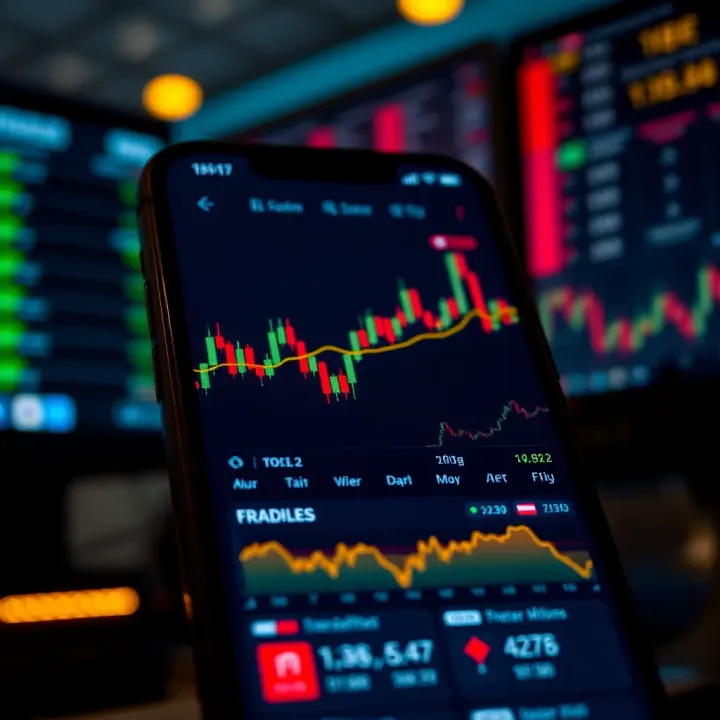
Discover top forex trading apps for Pakistan 🇵🇰. Learn key features, security tips 🔒, and how to boost your trading success with the right platform.
Based on 6 reviews