
Best Cryptocurrency Trading Apps for Pakistani Users
Discover how to pick the best cryptocurrency trading app in Pakistan 📱. Learn about security, fees, features, and legal tips before you trade safely! 🔐
Edited By
Amelia Foster
Cryptocurrency exchanges serve as the gateways for buying, selling, and trading digital currencies worldwide. These platforms connect buyers and sellers, facilitating the exchange of cryptocurrencies like Bitcoin, Ethereum, and hundreds of altcoins. Unlike traditional stock exchanges, crypto exchanges operate 24/7, reflecting the always-on nature of the digital market.
Global cryptocurrency exchanges vary in size, scope, and features. Some are fully centralised, managing the wallets and transactions within their own infrastructure. Others use decentralised models, promoting peer-to-peer trading without a middleman. For Pakistani users, understanding these differences is crucial before choosing an exchange, as security, fees, and regulatory compliance can differ widely.
Security is often the top concern for traders. Reputable exchanges implement strong encryption, two-factor authentication, and cold storage to protect assets against hacking and fraud.
Among key features, liquidity stands out as a critical factor. High liquidity means that trades can be executed quickly without causing significant price changes, which benefits active traders seeking to enter or exit positions promptly. Leading global exchanges like Binance, Coinbase, and Kraken typically offer high liquidity and cover a broad range of cryptocurrencies.
Regulation is another major consideration. While some jurisdictions have clear crypto rules, others impose strict restrictions or lack guidance altogether. Pakistani investors should monitor insights from authorities like the Securities and Exchange Commission of Pakistan (SECP) and Federal Board of Revenue (FBR) regarding cryptocurrency trading and taxation to avoid legal risks.
Practical points to keep in mind when selecting an exchange include:
Verification processes: Some platforms require detailed identity checks (like CNIC uploads), important for higher trade limits and withdrawal capabilities.
Deposit and withdrawal options: Check for support of local payment methods such as JazzCash or Easypaisa alongside international bank transfers.
Fee structures: Trading fees, deposit fees, and withdrawal fees vary and can impact overall profitability.
Understanding how exchanges work globally helps Pakistani traders make informed decisions, safeguard their investments, and participate confidently in the expanding crypto market.
Cryptocurrency exchanges are the backbone of digital currency markets, allowing traders and investors to buy, sell, and swap cryptocurrencies worldwide. Understanding how these exchanges work gives Pakistani traders insight into market trends, liquidity, and price setting, which ultimately helps in making smarter investment decisions.
Unlike traditional stock markets, cryptocurrency exchanges operate 24/7, providing constant access to digital assets. This openness attracts a diverse group of participants — from retail investors to institutional traders. Knowing the differences among these platforms is vital, as it impacts security, transaction speed, and available currencies.
A cryptocurrency exchange is a platform that facilitates the trading of digital currencies like Bitcoin, Ethereum, and many others. Its basic function is to connect buyers and sellers, match their orders, and enable asset transfers. Exchanges provide essential tools such as price charts, order books, and account management services.
For example, if you want to buy Bitcoin using Pakistani Rupees, an exchange that supports PKR deposits will allow you to deposit funds through a local bank transfer or mobile wallet. This convenience makes trading more accessible.
Centralised exchanges (CEX) and decentralised exchanges (DEX) are the two main types. Centralised exchanges act like traditional brokers by holding users’ funds and managing trades on their behalf. These platforms, such as Binance or Coinbase, offer high liquidity and faster trades but require users to trust them with security.
Decentralised exchanges operate without an intermediary, relying on blockchain technology to allow peer-to-peer trades. Although they reduce counterparty risk, DEXs like Uniswap usually have lower liquidity and can be more complex for average users. Pakistani traders preferring more straightforward user interfaces and customer support often choose centralised exchanges.
Trading mechanisms on exchanges primarily involve order types such as market orders, where trades execute immediately at the best available price, and limit orders, where traders set a specific price to buy or sell. These options allow users to balance speed and control, matching their trading strategies.
For instance, a day trader in Karachi looking to capitalise on quick price movements may prefer market orders for immediate execution, while a long-term investor might set a limit order to buy Bitcoin if its price falls to a desired level.
Supported cryptocurrencies vary widely among exchanges. Major platforms list hundreds of coins and tokens, allowing users to diversify portfolios. Liquidity, the ease with which assets can be bought or sold without affecting price, is critical here. Exchanges with higher liquidity, like Binance or Kraken, tend to have tighter spreads and better prices.
Low liquidity markets can cause price swings and difficulties in executing large trades, so Pakistani users should pick well-established exchanges, especially when dealing with sizeable investments. Access to a wide range of cryptocurrencies also offers opportunities to explore emerging tokens, although due diligence remains essential.
Choosing the right exchange combines understanding its operational model, supported assets, and order execution methods. This knowledge helps traders navigate global digital markets effectively.
Centralised exchanges offer ease and liquidity
Decentralised platforms prioritise security but may lack user-friendliness
Order types help customise trading approaches
Liquidity influences trade profitability and speed
By grasping these fundamentals, Pakistani traders can engage with global cryptocurrency exchanges confidently, minimising risks and seizing market opportunities.
Leading cryptocurrency exchanges stand out due to specific features that ensure smooth, safe, and efficient trading. These elements not only safeguard user funds but also enhance overall experience through useful tools and transparent cost structures.
Cold storage and two-factor authentication are essential to protect users' assets from online threats. Cold storage means keeping the majority of funds offline, away from hackers, which reduces the risk of large-scale theft. Binance, for instance, secures over 90% of its assets this way, making it safer even during cyberattacks.
Two-factor authentication (2FA) adds another layer of protection by requiring users to verify logins with a temporary code, typically via an app like Google Authenticator. This prevents unauthorised access even if passwords are compromised. For traders managing significant sums, these security steps are non-negotiable.
User identity verification (KYC) processes help exchanges comply with international regulations by confirming the identity of users. This reduces the risk of fraud, money laundering, and ensures legal compliance. Exchanges like Coinbase require KYC, which benefits Pakistani users by aligning with local financial laws and ensuring safer trading environments.
KYC also aids with smoother withdrawal processes, as verified users face fewer restrictions. Although some traders may find the verification tedious, it adds credibility and reduces suspicious activities on the platform.
Mobile and desktop platforms make trading accessible anytime, anywhere. Leading exchanges like Kraken and Binance offer responsive mobile apps and desktop interfaces tailored for both beginners and professionals. Pakistani traders, often juggling work and family, find mobile access especially useful to manage trades during daily routines or even commute.
Such platforms allow quick order execution, portfolio checks, and access to market news. Having a reliable app can be a game-changer when the market swings suddenly.
Charting tools and analytics are vital for informed decision-making. Quality exchanges provide advanced charting features with indicators like RSI, MACD, and volume analysis. These tools help traders spot trends and predict price movements, critical for timing buy or sell orders.
For instance, TradingView integration on many platforms offers detailed charts that users in Pakistan rely on for technical analysis. Without these, traders would be left guessing market dynamics, which increases risk.
Trading fees structure varies between exchanges but generally includes maker and taker fees. Makers provide liquidity and often pay lower fees, while takers pay more for taking liquidity. Binance follows this model with fees starting at 0.1%, lowering as trading volume increases.
For Pakistani traders, understanding these fees is critical since high trading volumes can rack up substantial costs. Choosing an exchange with competitive fees directly impacts profitability, especially for frequent traders.
Deposit and withdrawal charges affect overall cost-efficiency. Some exchanges offer free deposits but charge withdrawals, especially for fiat currency transfers. For example, Coinbase charges withdrawal fees depending on the currency and method.
Available deposit options such as bank transfers, credit cards, or Pakistan-specific methods like JazzCash or Easypaisa impact convenience. Traders should check exchange policies on these transactions to avoid unexpected costs.
Clear knowledge of these features helps traders pick exchanges that fit their needs and trading style, reducing risks and improving outcomes across volatile markets.
Navigating the regulatory environment is vital for anyone involved in cryptocurrency trading. These rules shape how exchanges operate globally, affecting their transparency, security, and legality. For traders, understanding compliance means safer transactions and clearer expectations from exchanges. This section outlines key regulatory elements and how they impact users, especially in Pakistan.
Anti-money laundering laws play a major role in cryptocurrency regulations worldwide. Authorities require exchanges to implement Know Your Customer (KYC) protocols to verify user identities and monitor suspicious transactions. This practice helps prevent illegal activities such as money laundering and terrorist financing on trading platforms. For example, many exchanges now mandate valid ID submissions and continuous transaction monitoring, adding a layer of safety but also requiring more documentation from traders.
Data protection and privacy requirements are gaining attention as cryptocurrencies involve sensitive personal and transaction data. Global standards like GDPR in Europe influence how exchanges handle this information, pushing for stricter controls over data storage and user consent. For traders, this ensures their private details are less likely to be exposed or misused. Exchanges must balance transparency for regulatory bodies with robust privacy for users, which can affect how easily information flows within these platforms.
The Federal Board of Revenue (FBR) and State Bank of Pakistan (SBP) policies on cryptocurrencies have a direct impact on local users. While Pakistan currently does not allow cryptocurrency as legal tender, FBR requires declaration of digital asset transactions for taxation purposes when relevant. SBP has issued warnings against using cryptocurrencies for payments but allows trading activities under certain conditions. Traders must stay informed to comply with tax declarations and avoid accidental breaches of banking guidelines.
Legal considerations for Pakistani users include monitoring changes in government stances and ensuring use of compliant exchanges. Since Pakistani law is still evolving in this space, traders should prioritise exchanges that follow international standards to reduce legal risks. Additionally, users should keep records of their transactions for potential tax audits or regulatory reviews. Understanding regulatory shifts helps prevent complications such as frozen accounts or unexpected penalties.
Staying updated with regulations not only safeguards your investments but also helps you trade confidently in a rapidly changing environment.
Anti-money laundering laws require thorough user verification on exchanges.
Data protection standards enforce confidentiality of trader information.
Pakistani FBR and SBP have specific rules affecting trading and taxation.
Traders must track legal developments and select compliant platforms.
Having a clear grasp of these rules allows both seasoned investors and newcomers to participate in cryptocurrency markets more securely and legally, especially within the Pakistani context.
Security risks remain among the most pressing concerns for anyone involved in cryptocurrency trading. Since these trades happen in a largely digital and sometimes unregulated space, understanding potential threats and how to avoid them is essential for both individual traders and institutional investors. This section highlights common security dangers and offers practical steps to protect assets.
Phishing and hacking incidents pose a serious challenge to cryptocurrency users worldwide. Phishing can involve fake websites, emails, or messages that mimic legitimate exchanges to trick users into revealing their login credentials. For instance, if a trader clicks on a deceptive link claiming to be from a well-known platform like Binance or Coinbase, their account could be compromised within moments. Hacking goes further, targeting exchange infrastructure or user accounts, sometimes draining millions of dollars in digital assets. Pakistani traders should stay vigilant, especially when trading on global platforms accessible from Pakistan, as scammers often exploit language biases and regional trust.
Risks of wallet theft are another key issue. Cryptocurrency wallets, whether hardware-based or software apps on mobiles or desktop, hold private keys necessary to access funds. If a wallet is not secured properly—like lacking strong passwords or offline storage—thieves can steal coins directly. There have been reports of phishing apps and malware masquerading as wallet applications on popular app stores that secretly capture users’ private keys. Given that cryptocurrency transactions are irreversible, once the funds are stolen, recovering them is nearly impossible.
Selecting reputable exchanges is critical in reducing security risks. Traders should opt for platforms with proven track records, strong security protocols, and transparent policies. Exchanges like Binance, Kraken, and Coinbase have robust measures such as cold storage for most users’ funds and routine security audits. For Pakistani traders, choosing exchanges that comply with international regulations and provide clear customer support channels adds an extra layer of trust and safety.
Personal security measures cannot be overlooked. Every user should enable two-factor authentication (2FA) on exchange accounts, avoid using the same password across multiple platforms, and regularly update their software. Storing wallet keys offline in hardware wallets or physical copies reduces exposure to hacking. Additionally, staying cautious about unsolicited communication—even if it appears to come from trusted contacts—is vital. Investing time to learn about common scam tactics improves security beyond technical tools alone.
Trading cryptocurrencies carries inherent risks, but understanding and applying simple security practices can save traders from significant financial losses and stress. Staying informed and cautious remains the best defence.
By staying alert to these risks and implementing smart security habits, Pakistani traders can enjoy a safer crypto experience on global platforms.
Selecting a suitable cryptocurrency exchange is crucial for Pakistani traders. The right platform ensures smooth operations, reduces risks, and aligns with local conditions like currency restrictions and regulatory frameworks. Given the challenges with foreign currency transfers in Pakistan, exchanges supporting PKR deposits and withdrawals become vital. Alongside, customer support tailored for Pakistani users helps navigate local queries and potential hiccups more efficiently.
One of the key factors for Pakistani users is whether an exchange accepts Pakistani Rupees (PKR). This influences deposit and withdrawal convenience significantly. Many global exchanges still require users to convert PKR into foreign currencies like USD or USDT before trading, which adds costs and delays. Platforms that offer direct PKR integration, such as Binance and local exchanges like Urdubit, simplify the trading process for ordinary users.
Equally important is the choice of deposit and withdrawal methods. Support for popular Pakistani payment options like JazzCash or Easypaisa can be a game changer. Bank transfers via major banks like HBL, UBL or MCB also matter since many users rely on them. An exchange with multiple local deposit channels helps avoid issues with currency conversion hurdles and State Bank of Pakistan’s restrictions.
Beyond technical features, solid customer support plays a big role in user satisfaction. Pakistani traders benefit greatly from platforms offering support in Urdu or at least English, with quick turnaround times. Handling time zone differences can be tough, so exchanges providing 24/7 live chat or phone support address problems faster.
Additionally, having localised help resources, FAQs, and educational content tailored to Pakistani regulations and crypto scenarios is valuable. This bolsters user confidence and reduces chances of mistakes in trading or compliance matters.
Many multinational exchanges serve Pakistani users, including Binance, Coinbase, Kraken, and KuCoin. These exchanges offer wide cryptocurrency selections, advanced trading tools, and generally strong security. However, some of them do not support PKR directly or lack Pakistani payment options, requiring workarounds for deposits.
Still, their scale and liquidity make them popular for traders aiming at diverse portfolios. They also comply with international regulations, adding a level of trustworthiness not always found on smaller platforms.
In addition to global giants, some regional platforms like Bitso and Urdubit have started focusing on Pakistani traders. These platforms typically offer PKR support, local deposit means, and tailored customer service. For example, Urdubit allows users to trade using bank transfers between Pakistani banks with less friction.
Moreover, exchanges that link with the Pakistani banking system or integrate mobile wallets reduce friction for new traders. They understand the local landscape better, including the needs and restrictions Pakistani users face.
Choosing an exchange that blends global exposure with local convenience helps Pakistani traders build confidence, save costs, and trade more efficiently in the growing crypto market.
Discover how to pick the best cryptocurrency trading app in Pakistan 📱. Learn about security, fees, features, and legal tips before you trade safely! 🔐
📱 Find the best trading app in Pakistan with tips on features, security, costs, and regulations. Perfect for new and experienced investors alike! 💹
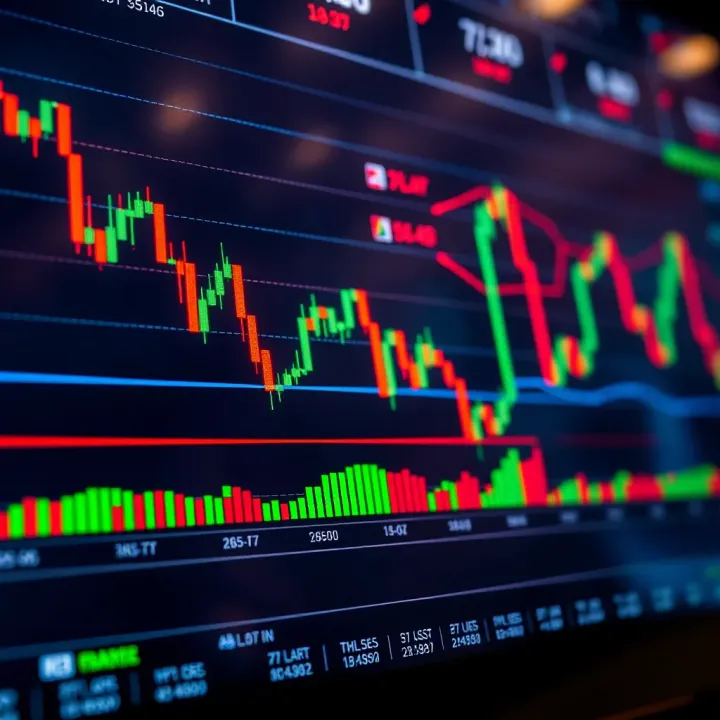
Discover key forex trading indicators 📈 to spot trends, price moves, and market signals. Learn which tool fits your style for smarter trading decisions.
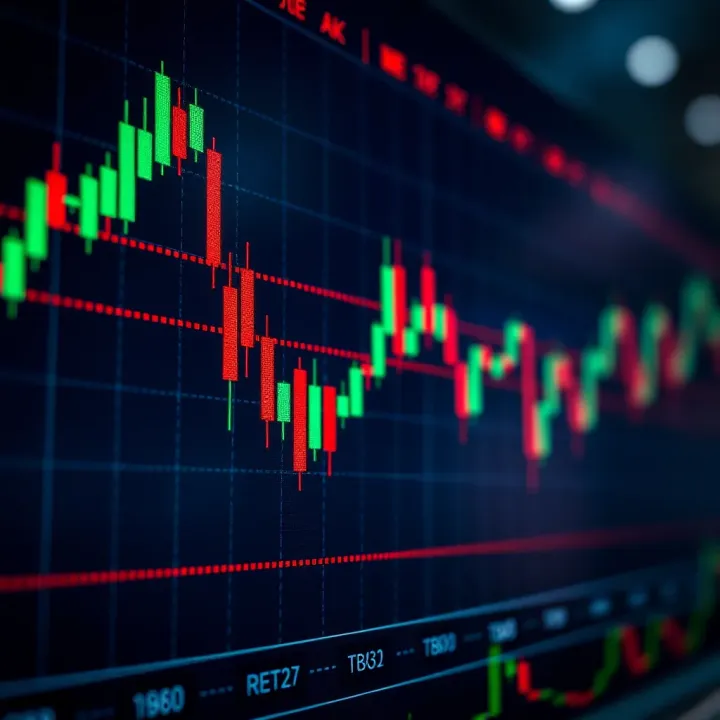
📊 Discover the top crypto trading indicators to navigate volatility with confidence. Learn which tools traders trust most for smart decisions in crypto markets.
Based on 14 reviews