
Forex Trading Basics for Beginners in Pakistan
Learn forex trading basics in Pakistan 🇵🇰, from essential terms to risk strategies and technology use, with practical tips for confident trading in local markets 💹
Edited By
Ethan Parker
Forex trading refers to buying and selling foreign currencies to make a profit from exchange rate fluctuations. In Pakistan, this market is increasingly accessible thanks to digital platforms, but it also comes with risks that beginners must understand.
The forex market operates 24 hours a day during weekdays, moving across global financial centres like London, New York, Tokyo, and Sydney. This continuous trading provides flexibility for Pakistani traders to engage according to their schedules.
Before you start trading, it's important to grasp the basics: currency pairs, leverage, spreads, and pip values. For example, the USD/PKR pair shows how many Pakistani rupees one US dollar can buy. Traders speculate on whether the USD will strengthen or weaken against PKR.
Understanding leverage is essential — while it can magnify gains, it also increases potential losses. Many brokerages offer leverage ratios up to 1:100 or more, but beginners should use it cautiously.
To trade effectively, you’ll need access to a reliable broker regulated for Pakistani traders. Brokers should support Rupee deposits and withdrawals, offer clear fee structures, and provide local customer service. Platforms like MetaTrader are popular for their user-friendly charts and trading tools.
Risk management cannot be overstated. Setting stop-loss orders and limiting trade size to a small portion of your total capital helps protect against major losses.
Traders should also stay updated on economic indicators affecting currencies, such as SBP policy rates, inflation reports, or geopolitical events.
Key points to remember:
Forex trading involves speculating on currency price movements.
Choose a regulated broker with PKR support.
Use leverage with caution — it boosts both profits and risks.
Employ risk management tools like stop-loss orders.
Keep track of economic news impacting forex markets.
By understanding these fundamentals, you prepare yourself to navigate the forex market confidently and reduce costly mistakes, especially within Pakistan's unique financial environment.
Starting forex trading without a solid introduction is like setting out on a journey without a map. This section covers the basics and gives you the grounding needed to trade effectively. It explains what forex trading is, why it matters globally, and the opportunities it holds specifically for Pakistani traders. Knowing these fundamentals helps you avoid costly errors and spot genuine chances to grow your capital.
Forex trading involves buying and selling currencies to profit from their changing values. Unlike buying goods or stocks, here you trade currency pairs — for example, the US dollar against the Pakistani rupee (USD/PKR). You gain when the exchange rate moves in your favour.
Currency pairs form the core of forex trading. Each pair shows how much of one currency you need to buy a unit of the other. For instance, if USD/PKR is 285, it means Rs 285 for one US dollar. This quotation fluctuates constantly based on supply, demand, and economic factors.
Forex differs from other markets because it operates 24 hours, allowing flexible trading times, especially suitable for Pakistani investors balancing day jobs. Plus, it offers high liquidity—millions of dollars change hands every minute—making entry and exit easier without big price gaps compared to some stock or commodity markets.
The forex market is the largest financial market globally, with average daily trading volume surpassing $6 trillion. It drives global commerce by enabling currency conversion and reflects economic health worldwide, such as Pakistan’s trade balance shown in PKR's strength against the dollar.
For Pakistani traders, forex is appealing because it provides a chance to diversify income. The rupee often experiences significant ups and downs due to local economic pressures, government policy shifts, or geopolitical tensions. A well-timed trade can generate profits even when local stocks or real estate markets stagnate.
Starting with a clear grasp of what forex trading involves and its significance helps Pakistani traders make informed decisions and identify real opportunities while managing risks effectively.
This section sets the stage for deeper exploration in the next parts of the guide, focusing on how to get started practically and safely trading forex from Pakistan.
Grasping the forex market setup is vital for any trader aiming to succeed, especially in Pakistan where market dynamics and timing can differ from global norms. Understanding who the players are, when the market is most active, and how prices shift gives you an edge in planning your trades and managing risks effectively.
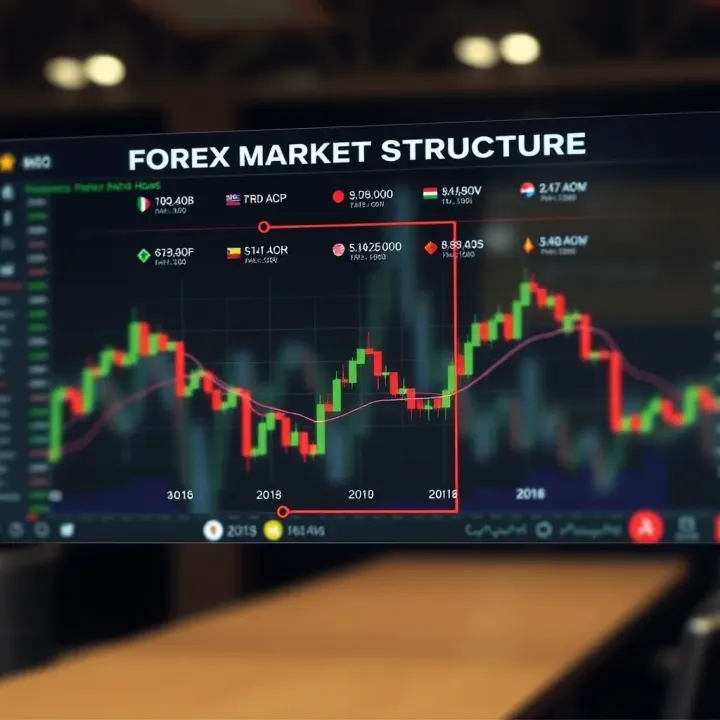
Central banks, commercial banks, and brokers play crucial roles in forex trading. Central banks, like the State Bank of Pakistan (SBP), influence currency values by setting interest rates and intervening to stabilise the rupee. Commercial banks act as key liquidity providers; they execute large currency transactions for businesses and governments. Brokers act as middlemen who connect retail traders with the broader forex market, providing platforms and access to currency pairs. Knowing their functions helps you understand how market liquidity and price movements come about.
Retail traders and institutional investors also shape the forex landscape differently. Retail traders in Pakistan, often using platforms like MetaTrader via brokers accessible locally, trade in smaller volumes but collectively influence market demand. Institutional investors such as pension funds, hedge funds, and multinational corporations trade larger volumes and can cause significant price shifts. Recognising the influence of these groups is important for traders because institutional moves often drive market trends, while retail traders need to adapt strategies around these larger market forces.
The forex market operates 24 hours a day across different global trading sessions: the Asian, European, and North American sessions. Each session has distinct characteristics; for example, the London session is the most active with higher volatility, while the Asian session tends to be calmer.
For traders in Pakistan Standard Time (PKT), being aware of session times is important. The London session runs from 3:00 pm to 12:00 am PKT, overlapping with the New York session between 8:00 pm and 12:00 am PKT. This overlap results in more liquidity and price movement. Hence, trading during these hours often presents better opportunities for entry and exit points. Conversely, the Asian session from 5:00 am to 2:00 pm PKT may suit traders who prefer less volatility.
Supply and demand factors largely determine currency price movements. For example, if foreign investors increase investment in Pakistan, demand for the rupee rises, pushing its value up. Conversely, political instability can reduce demand and weaken the currency. Monitoring trade balances, foreign direct investment (FDI), and remittance flows helps predict shifts in supply and demand.
Economic indicators and news also sway forex prices strongly. Releases such as Pakistan’s inflation rate, SBP interest rate decisions, and GDP growth figures are closely watched. Unexpected changes can trigger sharp price fluctuations. Global events like US Federal Reserve policy changes or geopolitical tensions similarly impact major pairs involving the rupee. Staying updated through reliable news outlets allows traders to prepare and react to such developments efficiently.
Knowing how the forex market is set up helps you understand the ‘why’ behind price moves and when it makes sense to trade, improving your chances of making informed decisions.
By focusing on these foundational aspects, Pakistani traders can better navigate the forex market with awareness of key participants, right timing, and forces shaping price trends.
Starting forex trading without the right tools and proper setup is like trying to drive without fuel. This section focuses on the essentials you need to begin your trading experience smoothly and securely. From picking the right broker to setting up your account and using the best trading platforms, every step matters, especially in the Pakistani context where local challenges and regulations come into play.
When choosing a broker, regulation, spreads, and fees are the top factors. Regulated brokers, monitored by bodies like the UK’s FCA or Cyprus’ CySEC, offer better protection. Although Pakistan does not have a dedicated forex regulator, using brokers regulated in respected jurisdictions reduces risk. Spreads—the difference between buy and sell prices—affect your trading costs directly. Narrow spreads are preferable for frequent trades.
Besides spreads, watch for hidden fees such as withdrawal charges or inactivity penalties. For Pakistani traders, it’s wise to pick brokers that support PKR accounts or local payment options to ease fund transfers.
Pakistani traders often use brokers like XM, Exness, and FBS due to their wide accessibility and support for local payment methods like JazzCash and Easypaisa. These brokers typically offer user-friendly platforms, good customer support, and acceptable trading conditions, making them popular choices for beginners.
Opening a trading account usually requires valid CNIC (Computerised National Identity Card) and a proof of address like a utility bill or bank statement. This documentation helps comply with international Anti-Money Laundering (AML) policies and ensures the account is secured under your name.
Funding your account from Pakistan safely is crucial. Avoid using personal credit or debit cards linked to unknown platforms. Instead, opt for payment methods supported by your broker and trusted locally, such as bank transfers through major Pakistani banks or digital wallets like JazzCash and Easypaisa. These channels offer faster processing and fewer chances of fund delays.
MetaTrader 4 and MetaTrader 5 remain the most popular platforms worldwide, including Pakistan. They offer a range of advantages from live price feeds to automated trading features. MT5, the newer version, supports more technical indicators and offers an economic calendar which is handy for traders who want to keep an eye on global events impacting currencies.
Charting and analysis software are vital tools that help traders make informed decisions. Many traders use additional tools like TradingView for rich visual charts and to identify trends, support/resistance levels, and price action patterns. Having reliable charting software increases your chances of spotting profitable trades instead of relying on guesswork.
Selecting the right broker, completing proper account setup, and using dependable platforms form the backbone of your forex trading journey. With these in place, you’re better prepared to navigate the market effectively.
Each of these components contributes to a safer, smoother experience for Pakistani traders who need well-considered setups due to local banking constraints and internet reliability issues.
Understanding key forex trading strategies is essential for beginners in Pakistan to navigate the volatile currency market effectively. These strategies help traders make informed decisions, manage risks, and improve their chances of consistent profits. Whether you’re analysing economic data or reading chart patterns, employing sound strategies is what sets successful traders apart from those who rely solely on luck.
Economic indicators such as Pakistan's inflation rate, interest rates set by the State Bank of Pakistan (SBP), and GDP growth figures influence forex prices. Globally, traders keep an eye on US Non-Farm Payroll data, European Central Bank announcements, and crude oil prices, as these impact major currency pairs like USD/PKR indirectly. For instance, a rise in the SBP policy rate often strengthens the rupee, affecting trading positions.
Interpreting central bank policies requires attention to official statements and meetings. The SBP's monetary policy decisions can hint at future currency moves. Geopolitical news, like tensions in the Middle East or trade developments between China and the US, may create sudden price swings. For example, an unexpected change in trade tariffs will push traders to react quickly, influencing currency demand.
Common chart patterns such as head and shoulders, double tops, and flags provide visual clues about potential price reversals or continuations. Indicators like the Moving Average Convergence Divergence (MACD) and Relative Strength Index (RSI) help measure momentum and overbought or oversold conditions. Using these tools, a trader might spot a trend forming in USD/JPY and decide whether to enter a trade.
Support and resistance levels act as psychological barriers in trading. A support level might be where buyers step in to prevent the price from falling further, while resistance is where selling pressure typically rises. For example, if USD/PKR repeatedly bounces from Rs 280 support, this level becomes significant for setting entry or stop-loss points.
Setting stop-loss and take-profit orders protects traders from large unexpected losses and helps lock in profits. If you buy EUR/USD at 1.1000, placing a stop-loss at 1.0950 means you limit your loss to 50 pips if the market turns. Similarly, setting a take-profit at 1.1100 secures gains if the price reaches that level.
Managing lot sizes and leverage carefully is vital because high leverage amplifies both gains and losses. Beginners should start with small lot sizes to avoid risking too much on any single trade. For instance, trading one micro-lot instead of a full lot limits exposure and allows more learning without depleting capital quickly.
Trading strategies are not just about picking winners—it’s about understanding when to enter, when to exit, and how much risk to take. Applied correctly, these approaches can make forex trading in Pakistan more predictable and less stressful.
Understanding practical advice and common challenges is vital for anyone stepping into forex trading, especially in Pakistan’s unique economic and infrastructural environment. This section equips you with realistic pointers to avoid frequent pitfalls, cope with local market dynamics, and keep improving your skills. Mastering these aspects brings clarity and confidence, reducing unnecessary losses and frustration.
Emotional trading and overtrading can quickly drain your account. When traders feel anxious or greedy, they often deviate from their plan, entering trades impulsively or chasing losses. For example, after a losing streak, some Pakistani traders double their lot size recklessly to recover losses, which too often ends up worsening their position. Sticking to a predefined strategy and using stop-loss orders prevents emotions from taking control.
Additionally, overreliance on tips and unverified sources is a trap many fall into. Social media channels, WhatsApp groups, or forums can spread conflicting advice without proper research. Following these blindly may cause bad decisions, especially when sources don’t consider Pakistan’s rupee volatility or local market conditions. Instead, rely on trusted analysis and verify information before acting.
The impact of rupee fluctuations on forex trading is more than a background factor. Sudden changes in the PKR/USD rate can affect the value of your trades, deposit, or profits when converted back to rupees. For instance, a weakening rupee can increase the cost of forex margin requirements, making your trading riskier if not planned properly. Keep an eye on official announcements by the State Bank of Pakistan (SBP) as well as local economic policies.
Managing connectivity and power outages during trading hours remains a practical challenge. Scheduled loadshedding or internet disruptions, common in many parts of Pakistan, can prevent timely order execution. Keeping backup internet options like mobile data and using uninterrupted power supplies (UPS) safeguards you against sudden disconnections. Also, some traders choose brokers offering mobile apps with simpler order types to quickly close or modify positions whenever required.
Using demo accounts and simulation platforms lets beginners practice without risking real money. Pakistani traders can familiarize themselves with MetaTrader 4 or 5, trying out strategies and experiencing market volatility firsthand. Demo trading helps you understand leverage, spreads, and execution delays. Take this practice seriously as it builds confidence and discipline before shifting to live accounts.
Finally, following credible Pakistani financial news sources improves your market insight and decision-making. Websites like Dawn Business, ProPakistani, and Pakistan Stock Exchange updates provide relevant economic and political news affecting the forex market. Real-time awareness of fiscal policies, rupee trends, and geopolitical developments is crucial for timely trades and avoiding surprises.
Practical knowledge combined with awareness of Pakistani challenges gives you an edge in forex trading. Avoiding common mistakes, preparing for local issues, and continuous learning sharpen your skillset and improve your chances of success.
Learn forex trading basics in Pakistan 🇵🇰, from essential terms to risk strategies and technology use, with practical tips for confident trading in local markets 💹
Learn forex trading basics in Pakistan 🇵🇰 including currency exchange, market operations, price factors, strategies & risks to trade confidently and securely 💰
Unlock key insights on crypto trading in Pakistan 🇵🇰. Learn how to start, understand risks, regulations, and tools to trade confidently in the local market 📈.
📊 Discover how beginners in Pakistan can pick the best trading app with low fees, user-friendly design, and local market options for smarter investing.
Based on 6 reviews