
Is Binary Trading Legal in Pakistan?
Curious about the legality of binary trading in Pakistan? 📊 Understand its rules, risks, and what financial authorities say before you invest. 💼
Edited By
James Harwood
Using a money management sheet helps you stay organised and disciplined in binary trading. Without a proper tracking system, it's easy to lose control over your trades, risking more than you should or missing out on valuable insights from past decisions.
This sheet is essentially a simple but powerful tool that records your trade details, balances, and outcomes. Over time, it reveals important patterns like your winning streaks and loss run, enabling smarter decisions later.
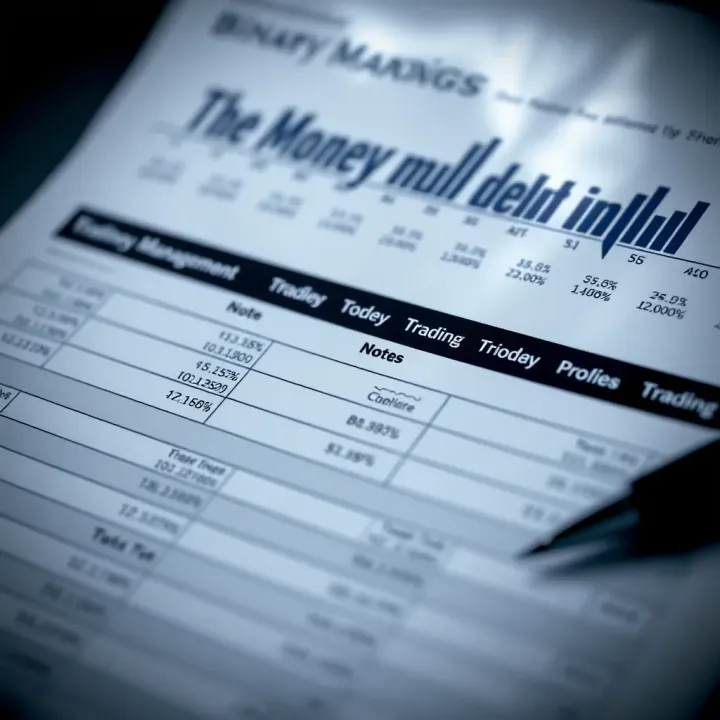
Control risk: Set limits on how much you invest per trade, avoiding reckless bets that drain your account.
Budget tracking: Keep your total trading capital in view and prevent overtrading.
Performance record: Note trade dates, expiry times, asset types, and returns to see what works best.
For Pakistani traders, this approach guides you to manage your PKR investments carefully, especially given the volatility in currency and market conditions. For example, if you allocate Rs 50,000 as your trading capital, you can decide to risk 2% per trade only. The sheet will track if you stick to this or not.
Having one place to log every trade, with clear numbers, is half the battle won. It helps you avoid emotional decisions and forces you to review each move objectively.
Date and time of trade
Asset and option type (call or put)
Trade amount and percentage of portfolio
Entry price and expiry
Outcome (win/loss/draw)
Profit or loss in Rs
Notes on market conditions or strategy used
By consistently updating this sheet, you develop a personalised record of your trading habits. Over weeks and months, this data becomes invaluable to spot weaknesses, adjust your stake sizes, or try new tactics.
In short, a money management sheet acts like your trading diary and calculator combined. It helps you keep a keen eye on your cash flow and stay disciplined, especially in Pakistan's dynamic trading environment. This foundation can significantly improve your chances of success in binary options trading.
Money management is the backbone of sustainable success in binary trading. It helps traders avoid reckless decisions that often lead to heavy losses. Without managing your funds well, even a string of winning trades can vanish quickly when one or two big losses wipe out earlier profits. For instance, imagine starting with Rs 50,000 and risking a fixed 10% on every trade; one wrong bet could cost Rs 5,000, a huge chunk, making it hard to recover.
Managing your capital wisely is more than tracking wins or losses—it's about controlling the size of each trade according to your total balance and risk tolerance. Proper money management lets you stay in the game longer, gives space to learn from mistakes, and helps smooth out the natural ups and downs of trading. For example, if your capital is Rs 100,000, risking only 1-2% per trade means you lose only Rs 1,000 or Rs 2,000 per trade, which limits damage and preserves your ability to continue.
Beyond protecting capital, money management sharpens discipline. Many traders jump in with no set limits and end up chasing losses emotionally. When you use a money management sheet, you set clear boundaries: maximum daily loss, daily profit targets, and stop-loss levels. This structure brings consistency. A trader might see after a week that on days when they limit their daily loss to Rs 3,000, they avoid impulsive decisions and end the week with a net profit.
Solid money management builds confidence and reduces stress in often volatile binary markets.
Ignoring money management leads directly to overtrading and reckless risk-taking. Without limits, traders may bet more than they should, hoping to make back losses faster. This “doubling down” approach usually ends badly. For example, a trader may start risking Rs 5,000 per trade on a Rs 20,000 balance. After just a few losses, their capital shrinks rapidly, forcing bigger risks to recover, often culminating in a total wipeout.
Lack of record-keeping is another major risk. When trades aren’t logged, traders can’t analyse what went wrong or right, making repeated mistakes more likely. They might miss that certain assets or expiry times consistently perform worse for them, blindly continuing the same losing approach.
Also, emotional responses tend to dominate without fund control. A sudden string of losses can cause frustration or panic, pushing traders to place impulsive trades outside their strategy. Over time, this behaviour destroys not only money but also confidence.
In short, neglecting money management is like driving at a reckless speed on narrow roads. You might get lucky for a while, but eventually, the crash is almost inevitable. Proper fund control is essential to keep your trading safe and steady, especially in Pakistan’s fast-moving binary market.
Having a money management sheet is essential for keeping track of your binary trades and maintaining control over your capital. It helps you organise trading information systematically, allowing for clear insights into your performance and risk levels. When you set up this sheet properly, it becomes a practical tool to prevent impulsive decisions and balance your trades according to your risk appetite.
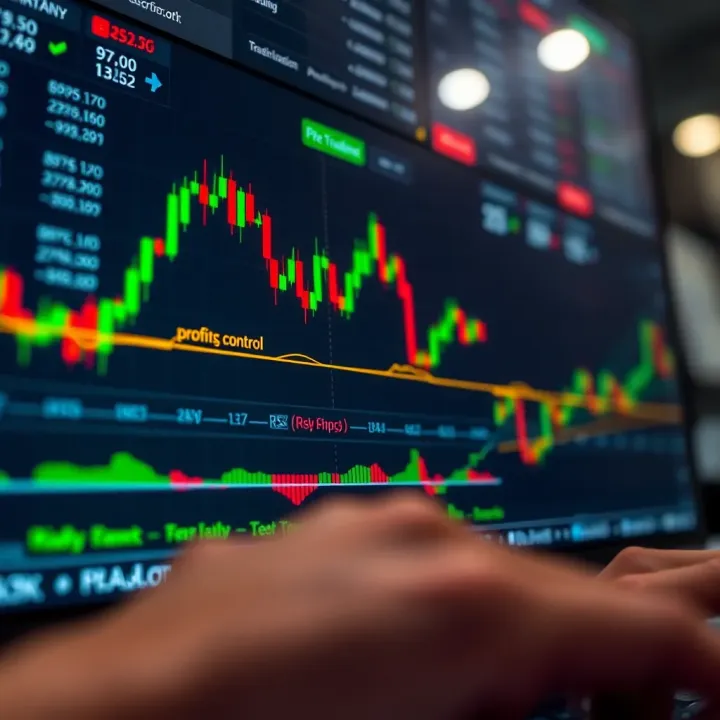
The choice between using a spreadsheet or a dedicated app depends on your comfort with technology and the kind of control you want. A spreadsheet in Microsoft Excel or Google Sheets is flexible and allows customisation. Many traders prefer it because they can tailor formulas and add columns specific to their strategy. For instance, you could set automatic calculations for risk percentages or running balances.
On the other hand, trading apps designed for binar trading sometimes offer built-in money management features, including alerts and summary reports. These apps reduce the chance of manual errors and save time. However, they might have limitations in adjusting to your unique trading style or detailed recording needs.
Start your sheet with the total capital allocated for binary trading. This is the opening balance from which all trade sizes will be deducted or added. Tracking your available capital helps you stay within your limits and plan your trades without exhaustion of funds early in the day. For example, if you begin with Rs 50,000, you must update this figure after every trade to know exactly how much remains.
Specify how much money you will place on each trade and what percentage of your total capital it represents. This keeps your exposure consistent and prevents large unexpected losses from reckless trade sizes. If you stick to a 2% risk limit per trade, in a Rs 50,000 account, your trade size should only be Rs 1,000. This discipline is crucial to survive losing streaks without wiping out balances quickly.
Record the exact time you enter and when the trade expires. Timing influences the price movement and sometimes news releases can impact results dramatically. Noting these helps analyse patterns – say trades placed right before market volatility vs those in calmer periods – so you can refine your entry strategy.
Each trade should clearly state the underlying asset or currency pair involved. Different assets behave differently; for example, USD/PKR may react to local news, while gold price may depend on global trends. Keeping this data helps identify which assets are more profitable or volatile for you.
Log whether the trade was a win or loss and the exact amount earned or lost. This clear record shows real performance and helps avoid self-delusion. Over time, you’ll see if profits outweigh losses and by what margin.
Maintain a running total that updates your free capital after every trade is closed. This feature provides a snapshot of your account health at any moment, preventing you from overspending. For example, after losing Rs 1,000 on a trade, your balance reduces to Rs 49,000, guiding your next trade size accordingly.
A well-organised money management sheet is not just a record — it is your guide to disciplined trading, helping you stay informed and avoid costly mistakes. Starting with the right format and including these essentials turn it into a powerful tool to increase your chances of success in binary trading.
Using a money management sheet effectively requires more than just entering trade data; it involves strategic discipline and careful monitoring to protect your capital and grow it gradually. This section offers practical tips that can make your trading more systematic and less prone to emotional blunders.
Setting clear daily and weekly limits on your trading activity helps you control risk and prevent losses that can wipe out your account quickly. For example, decide at the start of the week that you will not risk more than Rs 20,000 within five trading days. Similarly, cap daily losses at a lower figure, say Rs 5,000, so you don’t chase losses when the market goes against you. These limits should be recorded in your money management sheet and adhered to strictly. Sticking to limits restricts emotional trading after bad runs and preserves funds for better opportunities.
Your money management sheet should allow dynamic trade sizing based on your recent trading results. If you experience a winning streak, cautiously increasing your trade size could amplify profits without risking too much. Conversely, after consecutive losses, reduce your trade size to shield your capital. For instance, if initially risking 3% per trade, you could drop to 1.5% after two successive losses to cut exposure. This adjustment helps balance risk and reward over time. Documenting these changes in your sheet helps maintain discipline and avoid impulsive decisions.
Overtrading is a common trap that drains funds quickly, especially when traders try to recover losses too fast or get overconfident after wins. Using your money management sheet to monitor the number of trades per day or week can prevent this. For example, restrict yourself to a maximum of 10 trades per day and pause if that limit is reached, regardless of your confidence level. This prevents emotional burnout and misguided bets. Keep an eye on your win/loss ratio recorded in the sheet to understand when the market is not favouring you, signalling a good time to step back.
Consistent use of these practical tips in your money management sheet will protect your capital and improve your decision-making over time. Remember, trading discipline beats impulsiveness every time.
By including these strategies in your money management sheet process, you build a solid framework that supports sustainable binary trading in Pakistan’s markets and beyond.
Analysing your trading data is essential to sharpen your binary trading skills. Without reviewing past trades, you might repeat mistakes or miss opportunities to improve. A good money management sheet not only records trades but also helps spot trends and evaluate performance over time. This process gives you a clearer picture of your success rate and risk exposure, enabling smarter decisions.
Tracking success rates involves calculating how often your trades end in profit. It’s important to record each trade’s result clearly in your sheet—win or loss—then find the percentage of wins against total trades. For example, if you closed 30 trades in a week and won 18, your success rate is 60%. Monitoring this helps you identify your winning edge and if a strategy is working or not.
Alongside success rates, look for trading patterns. Are certain assets or expiry times more profitable? Maybe you win more trading currency pairs linked to PKR, or during particular hours when the market is less volatile. Your money management sheet should include columns to filter trades by asset, expiry, and time. Over weeks, you might find you do better trading EUR/USD early in the morning but lose with tech stocks in the evening. Recognising these patterns guides you to focus on profitable slots and avoid weaker ones.
Data analysis is your feedback mechanism for strategy tuning. If your sheet shows steady losing streaks with high trade size, it tells you to reduce risk exposure. Conversely, if a strategy proves consistently profitable, consider increasing trade size slightly within your risk limits. For instance, a trader might start risking 2% of capital per trade but shift to 3% after confirming a strategy’s strength.
Risk management also benefits from data insight. If losses cluster around certain events—say during Pakistan’s budget announcements affecting currency volatility—you might decide to pause trading or reduce stakes during those times. Similarly, if your data reveals overtrading on losing days, the sheet’s record encourages restraint by setting limits on daily trades.
Keeping your analysis up to date, preferably daily or weekly, lets you adapt quickly. The key is committing to honest review without bias, so your trading evolves based on facts, not feelings.
In sum, a well-used money management sheet transforms raw trade numbers into actionable lessons. It highlights what works, where you risk too much, and signals when to adjust your binary trading strategies to suit Pakistan’s dynamic financial markets.
Money management in binary trading doesn't work in isolation. It must be woven into a wider trading discipline to bring consistent success. This approach keeps losses manageable and helps traders stay calm even when markets turn volatile.
Emotional control and patience are the backbone of disciplined trading. Without these, a trader might chase losses or enter impulsive trades, wrecking the careful fund allocation they worked hard to set up. For instance, a trader who sticks to their money management sheet won’t increase trade size wildly after a losing streak; instead, they pause or reduce exposure. This stops emotions like fear or overconfidence from steering decisions.
Patience pays off because binary trading opportunities come and go quickly. A disciplined trader waits for setups that meet their strategy criteria rather than forcing trades out of impatience. This also means accepting losses as part of trading without trying to recover immediately in reckless bursts.
Emotional control isn’t about being emotionless; instead, it means recognising feelings without letting them dictate trades.
Consistent record-keeping is the practical tool that ties money management to wider trading discipline. A detailed money management sheet acts as a daily report card, showing which trades worked, which didn't, and why. It forces a trader to review results systematically instead of relying on vague memory or assumptions.
By noting entry and exit points, trade size, risk level, and outcomes, traders can spot repetitive mistakes or patterns. For example, a trader might discover they take bigger risks after lunch and lose more in that period; adjusting their plan or mental approach can save money over time. Moreover, maintaining a history helps with psychological discipline because it highlights progress and areas needing work.
To get the most from record-keeping, Pakistani traders should update their money management sheet every trade day without fail, even if it means spending just 10 minutes. This habit builds transparency and accountability that’s hard to fake and crucial for steady growth.
Integrating money management with emotional control and consistent record-keeping creates a strong framework. It transforms trading from a risky guesswork game to a methodical process where each move is measured, documented, and refined. For anyone serious about binary trading in Pakistan’s fast-paced markets, this combined discipline is worth mastering.
Curious about the legality of binary trading in Pakistan? 📊 Understand its rules, risks, and what financial authorities say before you invest. 💼

📊 Learn how binary trading works, its risks, and legal aspects in Pakistan. Get practical tips to start trading wisely with this clear, detailed guide for local investors.

📊 Learn how binary quotes work and their role in trading. This guide helps Pakistan traders interpret quotes for better decisions in binary options markets.

🔍 Understand binary strategy in trading and decision-making with clear techniques, risks, and practical advice tailored for Pakistan's financial market and regulations.
Based on 11 reviews