

Benefits of Risk Management for Pakistani Businesses
📊 Discover how risk management in Pakistan businesses cuts losses, boosts smart decisions, saves costs, ensures compliance, and builds a stronger reputation.
Edited By
Charlotte Evans
Understanding the risk management process is key for traders, investors, and financial professionals in Pakistan. Risks can come from market volatility, political shifts, regulatory changes, or operational issues. Managing these risks effectively helps protect assets and maintain profitability.
The process typically breaks down into clear steps: identifying risks, analysing their impact, evaluating control measures, implementing solutions, and monitoring outcomes continuously. Skipping any stage can leave businesses exposed to unexpected losses.

For example, a Karachi-based investment firm might identify currency fluctuations as a major risk. By analysing transaction patterns and market trends, they estimate potential losses. Evaluating options like hedging through forward contracts or diversifying portfolios helps them decide a control strategy. Implementing this and then reviewing the results keeps the risk manageable.
Risk management isn’t a one-time effort but an ongoing cycle that adapts as market conditions and business environments evolve.
Practical tools such as risk registers, SWOT analysis, and scenario modelling assist organisations in mapping out potential issues methodically. Pakistani companies should also consider local factors like exchange rate unpredictability, government policy shifts, and infrastructure challenges such as loadshedding.
Additionally, communication plays a vital role. Clear reporting lines and documented procedures ensure everyone understands the risks and their responsibilities. This is especially important in financial sectors where delays or misunderstandings can mean significant losses.
To recap, the risk management process involves:
Identification: Spotting potential sources of risk early.
Analysis: Assessing the likelihood and possible impact.
Evaluation: Deciding which risks require active control.
Treatment: Applying measures to reduce, transfer, or accept risks.
Monitoring: Regularly reviewing risk status and effectiveness of controls.
By following these steps with due diligence, Pakistani traders and investors can shield themselves from avoidable setbacks while making smarter decisions in uncertain markets.
Risk management refers to the process of identifying, assessing, and controlling threats that could affect an organisation’s capital and earnings. These risks might arise from financial uncertainties, legal obligations, strategic errors, or operational failures. For businesses in Pakistan, especially those in volatile sectors like textiles or agriculture, managing risks can mean the difference between a smooth fiscal year and a major financial setback.
An important point is that risk management is not just about avoiding losses but also enabling better decision-making. For instance, a Karachi-based exporter might face currency fluctuation risks affecting their profit margins. Effective risk management helps them hedge those currency risks, ensuring stable returns.
Organisations encounter various risks, which can be broadly categorised as:
Financial Risk: Includes currency volatility, credit defaults, or liquidity crunches. For example, Pakistani exporters often face financial risk due to rupee-dollar exchange rate changes.
Operational Risk: Disruptions caused by machinery breakdown, supply chain delays, or human error. A factory in Faisalabad dependent on uninterrupted power might face production losses during loadshedding.
Compliance Risk: Failing to comply with government regulations, such as tax laws monitored by FBR or industry-specific standards.
Strategic Risk: Risks from poor business decisions or shifts in market demand, such as a retailer misjudging consumer preferences during Ramazan sales.
Reputational Risk: Damage to brand value caused by negative media or public opinion, which can substantially hurt businesses like banks or telecom companies.
Understanding these risk categories helps organisations prepare targeted strategies rather than one-size-fits-all solutions.
Implementing a strong risk management framework offers several advantages. Businesses can reduce unexpected losses by anticipating threats early on. Take the example of a Karachi-based IT firm that invested in cybersecurity after assessing data breach risks, thereby avoiding costly downtime.
It also supports regulatory compliance, which helps avoid penalties from bodies like FBR or SECP. Moreover, risk management promotes informed decision-making by providing a clearer picture of potential consequences.
Proper risk management builds organisational resilience, enabling businesses to adapt and grow even in uncertain conditions.
Finally, it boosts stakeholder confidence as shareholders, clients, and partners feel assured that risks are systematically controlled. This can be a decisive factor for companies looking to attract investment or expand operations locally and internationally.
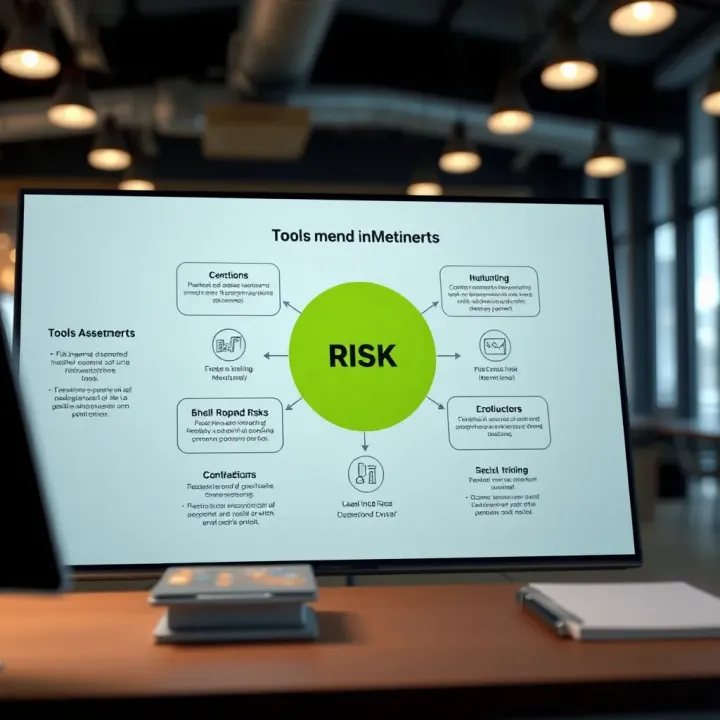
Overall, grasping the basics of risk management forms the foundation for reducing vulnerabilities and securing long-term success in Pakistan’s dynamic business environment.
Identifying risks is the foundation of effective risk management. Without a clear understanding of what might go wrong, businesses can't protect themselves or plan properly. This first step focuses on spotting potential threats that could impact operations, finances, reputation, or compliance. For Pakistani traders and financial analysts, this becomes especially important given frequent market fluctuations, regulatory changes, and geopolitical factors affecting investments.
Bringing together people from different departments encourages fresh viewpoints on potential risks. For instance, a risk that slips past the finance team might be readily spotted by those in operations or compliance during a group workshop. This collaborative method often uncovers less obvious risks like supplier delays during monsoon or cyber threats to trading platforms. In practice, companies in Karachi or Lahore scheduling regular brainstorming sessions have reported quicker responses to emerging market risks.
SWOT stands for Strengths, Weaknesses, Opportunities, and Threats. It's a simple yet powerful tool to identify internal weaknesses and external threats that may affect business goals. A financial advisor might find a weakness in outdated software risking data breaches or a threat in sudden policy shifts by the State Bank of Pakistan. Using SWOT helps you organise your thoughts systematically and highlights areas that may need further analysis or immediate attention.
Sometimes the best risks to identify are those that have already caused issues. Reviewing past incidents, such as losses during political unrest or impacts of sudden rupee depreciation, helps build a checklist tailored for your sector. This method ensures no common risk is overlooked. Moreover, regulatory changes from FBR or PTA regulations periodically affect compliance, so keeping a checklist updated with such historical events aids in anticipating similar challenges.
Detecting all relevant risks isn't always straightforward. Some risks are hidden or underestimated, like emerging technological disruptions or informal sector shifts influencing market trends. Limited access to reliable data in Pakistan can hinder thorough review, and cognitive biases may lead teams to overlook significant threats. Additionally, fast-changing environments require constant vigilance; what was not a risk last month could become critical today. Therefore, ongoing risk identification should be treated as a dynamic process rather than a one-time task.
Effective risk identification saves time and resources by preventing surprises. By combining careful review, diverse perspectives, and practical tools, businesses stand a better chance of spotting and managing risks before harm occurs.
Understanding which risks pose the greatest threat to your organisation requires a careful evaluation of their likelihood and potential impact. Step Two in risk management is all about analysing the risks identified earlier, so you can decide how much attention each requires. Without this step, businesses might waste resources on minor issues or overlook serious threats.
The starting point is to gauge how likely a risk is to occur and the scale of damage it could cause. For example, a Karachi-based exporter might assess the risk of sudden currency devaluation. If such an event occurs frequently during political instability and could lead to losses of millions of rupees, the likelihood and impact ratings would both be high. Meanwhile, a rare equipment breakdown in a small Lahore factory might score low on likelihood and moderate on impact. These assessments shape responses and resource allocation.
Risk analysis generally falls into two categories: qualitative and quantitative. Qualitative assessment relies on expert judgement, interviews, and categorisation of risks into high, medium, or low. It suits situations where precise data is absent or hard to measure, such as reputational damage or employee morale.
Quantitative assessment, on the other hand, uses numerical data and statistical models to estimate probabilities and financial impact. For instance, a financial analyst might use historical stock volatility and market data to quantify investment risks. This approach requires robust data but leads to more detailed insights.
Both methods have their place, and many Pakistani firms combine them. A textile mill might first perform qualitative analysis to list possible risks, then apply quantitative tools like expected loss models for key threats.
Once the risks have been analysed, the next step is to rank them by urgency and severity. This ranking helps decision-makers focus on the top risks that need immediate control measures while monitoring others.
A practical tool is the risk matrix: plotting likelihood against impact to sort risks into categories like critical, major, or minor. For example, power outages (loadshedding) in Pakistan's cities rank high on likelihood but medium on impact for a software company, so backup power systems are planned. Alternatively, a data breach might be less likely but with a very high impact, prompting investment in stronger cybersecurity.
Effective risk analysis ensures businesses do not chase every shadow but stay alert to what really matters.
In short, analysing and assessing risks sharpen your focus. It transforms a long list of potential problems into a clear action plan tailored to your organisation’s realities and priorities.
Step Three marks the shift from understanding risks to actively managing them. Developing and implementing risk controls is essential to minimise potential losses and protect organisational assets. This step translates risk analysis into concrete actions, helping businesses avoid costly surprises. A robust control plan increases resilience, improves compliance, and enables proactive decision-making in uncertain environments like Pakistan’s volatile markets.
Avoidance involves steering clear of activities or situations that pose unacceptable risks. For example, a textile company might avoid sourcing raw materials from a politically unstable region or a trader might refrain from investing in a failing stock sector. While avoidance removes the risk entirely, it can limit opportunities, so organisations must weigh the benefits and costs carefully.
Reduction focuses on lessening the likelihood or impact of a risk rather than eliminating it. A Karachi-based manufacturing firm, for instance, could install better fire safety equipment and train workers to reduce the chance and damage of a fire. Similarly, investors diversify portfolios to reduce the negative impact of any single asset’s poor performance. Reduction tactics give organisations more room to operate while managing exposure effectively.
Transfer means shifting risk to another party, often through insurance or contracts. In Pakistan’s trading sector, companies frequently transfer risks by purchasing marine insurance to protect goods shipped via sea. Outsourcing IT services is another example, where cybersecurity risks move to specialist providers. While transfer doesn’t remove the risk, it passes financial responsibility away, which can support smoother operations.
Acceptance occurs when organisations consciously decide to bear some risks, usually when the cost of mitigation outweighs potential losses. For example, a small enterprise may accept minor theft risks but invest heavily in safeguarding against fraud or major operational hazards. This strategy works best when risks are predictable and manageable, demanding clear understanding and readiness to handle consequences.
Controls must align with the organisation’s specific risks and operational realities. Practical controls are clear, actionable, and affordable. For instance, if faulty machinery poses a safety risk, regular maintenance schedules and operator training are practical controls. Controls should be easy to monitor, adjustable to evolving conditions, and integrated into daily workflows. Bearing in mind Pakistan’s resource constraints, designing cost-effective controls gives better chances of consistent implementation.
Even the best risk controls fail without proper communication and training. Stakeholders need clear explanations of why controls matter and how to apply them. For example, staff at a Lahore-based manufacturing plant require hands-on training to follow new safety procedures effectively. Regular updates and refresher sessions help maintain awareness and compliance. Management must encourage an open culture where employees feel comfortable reporting issues or suggesting improvements. Communication and training transform controls from theoretical plans into everyday practice, securing the organisation’s risk readiness.
Developing and implementing risk controls is the practical heart of risk management—without it, identified risks remain threats, not challenges overcome.
Monitoring and reviewing risks is the final step that keeps the risk management process alive and responsive. Without this ongoing attention, even well-designed controls can become outdated, leaving organisations exposed. For traders, investors, and financial analysts, regular monitoring allows early detection of shifts in market conditions, regulatory changes, or operational hiccups that could impact portfolios or business activities.
Setting up reliable monitoring systems means choosing the right tools and methods to track risk indicators continuously. This could involve automated software that flags unusual transaction patterns or alert systems for geopolitical events affecting the stock market. For instance, a securities broker might employ real-time analytics platforms to watch market volatility or price swings. These systems should generate actionable insights, not just raw data, to help decision-makers respond swiftly.
Risk environments are rarely static. Conducting regular reviews ensures that risk assessments stay relevant and controls remain effective. Organisations in Pakistan's financial sector often review risk profiles quarterly to reflect changes in policy rates set by the State Bank of Pakistan or shifts in foreign exchange flows. These reviews might include revisiting risk likelihood and impact scores or revising mitigation measures. A poor review process could mean missing evolving threats, like new cyber attack methods targeting trading systems.
The risk landscape changes fast, especially with technology, political events, or economic reforms. Adaptability is key. When Pakistan introduced new AML (Anti-Money Laundering) regulations, firms had to quickly update their compliance controls to avoid penalties. Similarly, traders need to adjust strategies in response to unexpected market shocks, such as sudden fuel price increases affecting transport stocks. Keeping an eye on emerging risks helps maintain resilience and seize new opportunities while staying protected from surprises.
Continuous vigilance through monitoring and reviewing is not just a formality—it directly supports smarter decisions and timely actions that protect capital and reputation.
Ultimately, Step Four makes risk management a living process rather than a one-time project. Applying these practices ensures Pakistani financial professionals maintain a robust defence against uncertainties and strengthen their readiness for whatever comes next.
📊 Discover how risk management in Pakistan businesses cuts losses, boosts smart decisions, saves costs, ensures compliance, and builds a stronger reputation.

Explore key actuarial science and risk management concepts 🧮 to assess and control financial risks, helping businesses in Pakistan make smarter decisions 📊.

Explore binary fission 🧫, a key asexual reproduction process in single-celled organisms, essential for growth, reproduction, and genetic continuity.

📊 Understand binary quotes in financial trading, learn how they work, factors affecting them, and practical tips for Pakistani traders to make smart decisions.
Based on 12 reviews