
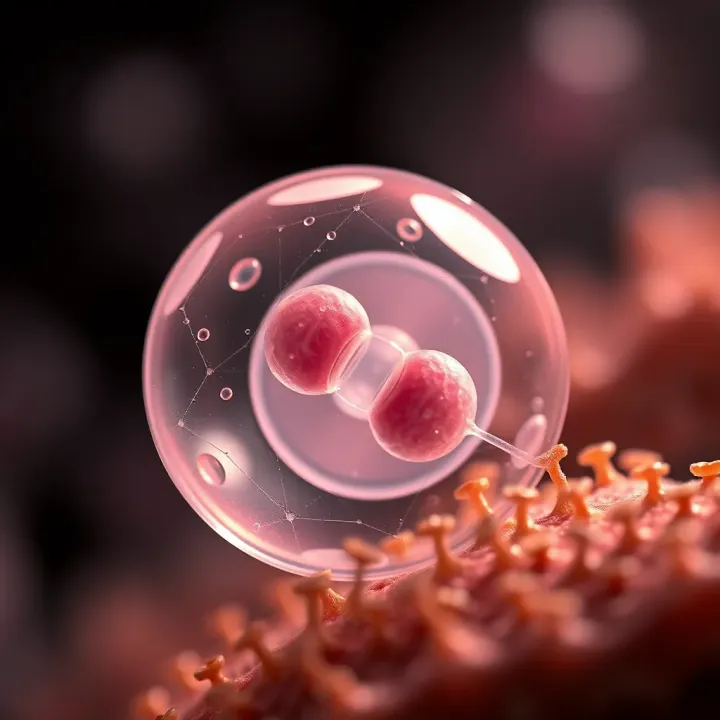
Understanding Binary Fission with Examples
Explore how binary fission works in organisms, its role in biology, and real-life examples that show this quick reproduction method in action 🧬🔬.
Edited By
Amelia Watson
Binary fission is a straightforward way in which many single-celled organisms multiply. Unlike complex reproductive methods seen in multicellular life, this process involves one cell dividing into two identical daughter cells. It’s a method commonly used by bacteria, archaea, and some protists, playing a key role in their rapid population growth.
The process starts with the replication of the organism's genetic material, which then attaches to different parts of the cell membrane. Once the DNA has duplicated, the cell elongates to separate the two copies. A new cell wall and membrane form in the middle, effectively splitting the original cell into two. Each daughter cell carries a complete set of DNA, ensuring they can function independently.
This reproduction strategy is efficient because it requires minimal resources and time, allowing bacteria and similar organisms to multiply quickly under favourable conditions. For example, E. coli bacteria can undergo binary fission every 20 minutes in optimal growth environments, which explains how bacterial infections can spread so fast in the human body or within contaminated food.
However, binary fission also comes with drawbacks. Because it produces genetically identical offspring, there is little genetic diversity. This makes populations vulnerable to changes in environment or the presence of antibiotics, as a single resistant strain is necessary to survive and reproduce.
It’s an asexual reproduction method meaning no exchange of genetic material occurs.
Occurs primarily in prokaryotic organisms like bacteria.
Leads to exponential population growth, especially in nutrient-rich settings.
Genetic uniformity can be a disadvantage in rapidly changing conditions.
Understanding binary fission provides valuable insight into microbial growth, which has implications for medicine, environmental studies, and biotechnology. For traders and analysts, this explains the rapid multiplication of bacteria in pharmaceuticals or food industries, impacting quality control and risk management.
In summary, binary fission is a simple yet effective way single-celled organisms reproduce, ensuring survival and expansion. Its dynamics have practical significance, especially in healthcare and commercial sectors where bacterial activity affects outcomes directly.
Binary fission is a straightforward and critical process allowing single-celled organisms to reproduce quickly. Understanding this mechanism is key to grasping how populations of bacteria and other unicellular life forms multiply, especially in environments where rapid growth matters, such as infection sites or nutrient-rich habitats.
In simple terms, binary fission is a form of asexual reproduction where one cell divides into two genetically identical daughter cells. Unlike sexual reproduction, it doesn’t involve the mixing of genetic material. This method is widespread among prokaryotes like bacteria and archaea, as well as some single-celled eukaryotes such as amoebae.
This process ensures the continuation of the species without waiting for a partner cell. For example, in the case of Escherichia coli (E. coli), a well-studied bacterium, binary fission can occur every 20 minutes under optimal conditions. This speed is a practical advantage when exploiting favourable environments.
Single-celled organisms rely heavily on binary fission for growth and survival. Since these organisms do not multi-cellularly reproduce, their entire existence depends on how efficiently they can duplicate themselves through this process.
One major reason for using binary fission is its speed and efficiency. The entire process can take as little as 20 to 30 minutes in some bacterial species, allowing rapid population expansion within a short period. This rapid reproduction makes binary fission an efficient survival strategy, particularly when environmental conditions remain stable.
Moreover, binary fission demands relatively low energy compared to sexual reproduction. It doesn't require finding a mate or complicated cell fusion, which makes it a practical choice for simple organisms.
Beyond efficiency, binary fission supports survival and growth by quickly increasing numbers. For instance, in a nutrient-rich environment, a single cell's descendants can number in the thousands within hours. This swift multiplication helps outcompete other microorganisms and adapt rapidly to environmental changes.
Binary fission allows organisms not only to multiply fast but also to maintain genetic stability, preserving traits well-suited for their current habitat.
In summary, binary fission plays a vital role for single-celled organisms by balancing simplicity, speed, and survival benefits, making it a cornerstone of microbial life.
Binary fission follows a clear sequence of steps that prepare a single-celled organism to split into two. This process ensures the offspring are genetically identical and equipped to survive independently. Understanding these stages helps explain why binary fission is so efficient for rapid population growth, especially in organisms like bacteria.
Before a cell splits, it must copy its DNA exactly to pass a complete genetic set to each daughter cell. This happens during the preparation phase where the cell’s chromosome unwinds and duplicates. For instance, Escherichia coli, a common bacterium, ensures its circular DNA replicates fully before proceeding. Alongside DNA replication, the cell enlarges, increasing its volume and surface area to support two cells after division. This growth phase balances the energy and material resources needed to sustain the two upcoming cells.
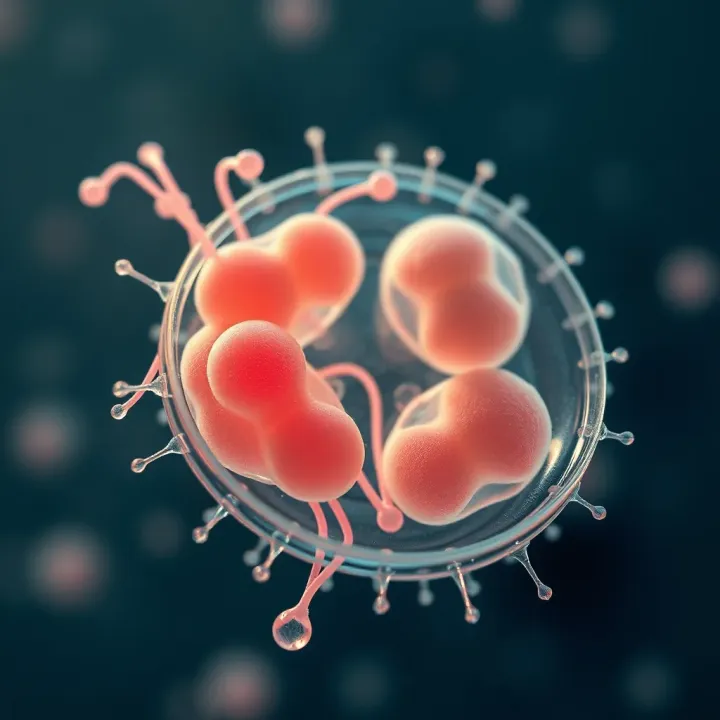
Apart from DNA, the cell doubles its organelles and other essential components like ribosomes and enzymes. This doubling guarantees that each daughter cell starts with enough machinery for basic functions such as protein synthesis and metabolism. In bacteria, while organelles are simpler compared to multicellular organisms, the replication of structures such as the plasma membrane and cell wall components is vital for successful division. Without proper doubling, daughter cells may suffer from impaired growth or functionality.
The next step is the physical division of the cell's cytoplasm, called cytokinesis. Here, the cell membrane pinches inwards, eventually splitting the cytoplasm into two parts. This step is crucial because it segregates the replicated DNA and organelles physically. For example, in cyanobacteria found commonly in ponds, the division involves the formation of a septum—a partition that grows between the two new cells—ensuring that each inherits its share.
Cytokinesis ensures that not just the genetic material but also the life-supporting contents are fairly divided, setting the stage for independent survival.
Once the cytoplasm divides, two distinct daughter cells appear. Since the DNA replication was precise, these cells are genetically identical clones of the original. This cloning allows populations, like those of gut bacteria, to quickly expand without the genetic variations introduced in sexual reproduction. While this limits genetic diversity, it preserves traits that are already well-adapted to the existing environment, ensuring survival and rapid spread.
Understanding each phase of binary fission highlights how single-celled organisms manage fast reproduction with minimal resources while maintaining genetic stability. This knowledge also underlines why bacterial infections can multiply quickly, challenging medical treatments.
This stepwise look explains why binary fission suits simple life forms and remains a reliable strategy for growth and survival.
Binary fission is the primary reproductive method for many single-celled organisms, allowing them to multiply swiftly and maintain their populations. Understanding which organisms use this process helps in appreciating its significance in ecosystems, medicine, and even industry.
Bacteria and archaea play a central role in binary fission as common examples. These microorganisms use binary fission to reproduce rapidly under favourable conditions, which enables their quick adaptation to environmental changes. For instance, Escherichia coli (E. coli), a well-known bacterium found in the human gut, can double its population in as little as 20 minutes. This rapid reproduction helps bacteria colonise environments efficiently but can become problematic when harmful strains proliferate.
Archaea, often found in extreme environments like hot springs or salt lakes, also divide by binary fission. Their ability to multiply swiftly in such harsh conditions highlights binary fission as a resilient and energy-efficient reproductive strategy. This process ensures the survival of these ancient microorganisms despite environmental challenges.
Besides bacteria and archaea, some protozoa and unicellular algae use binary fission. Protozoa like Amoeba divide to increase their numbers in freshwater and soil habitats. Similarly, unicellular algae such as Chlorella reproduce this way to sustain their populations in aquatic ecosystems. The quick multiplication through binary fission enables these organisms to respond promptly to nutrient availability or environmental shifts, supporting the broader food web.
Binary fission significantly contributes to the spread of bacterial infections. Pathogenic bacteria like Salmonella or Staphylococcus aureus multiply rapidly once they enter a host, overwhelming the immune system. Their swift division leads to sudden increases in bacterial load, complicating infections. This behaviour explains why some infections can escalate quickly, requiring timely medical intervention.
From a treatment perspective, understanding binary fission is vital due to its implications for medical treatment. Antibiotics usually target processes involved in bacterial growth and division, aiming to halt binary fission and stop the infection. However, some bacteria develop resistance, altering their division mechanisms or growth rates. Monitoring these changes helps healthcare professionals adjust therapies effectively.
Controlling binary fission in pathogenic bacteria remains critical to managing infectious diseases and developing new treatments.
In summary, binary fission powers many organisms crucial to health, environment, and industry. Knowing which organisms rely on it and how it affects infections provides valuable insight for biologists, medical practitioners, and investors interested in biotech and health sectors.
Binary fission, as a primary mode of reproduction for many single-celled organisms, holds distinct advantages and presents notable challenges. Its benefits and limitations directly affect how populations grow, adapt, and survive in various environments. Understanding these helps explain why binary fission remains common despite evolutionary trade-offs.
Binary fission is remarkably fast compared to other reproductive strategies. A single bacterium, like Escherichia coli, can divide every 20 minutes under ideal conditions. This rapid multiplication helps bacterial populations explode quickly, especially in nutrient-rich environments such as warm soil or the human gut. Simplicity is another key; since there is no complex pairing of chromosomes as in sexual reproduction, organisms save energy and time, allowing them to respond swiftly to changing conditions.
This speed and straightforwardness prove beneficial in practical ways, especially for microorganisms in unstable habitats. For example, in food spoilage, bacteria multiply so fast through binary fission that food can go bad within hours—a clear demonstration of how this reproductive method impacts everyday life and industries.
In binary fission, offspring are genetic clones of the parent. This stability means that successful genetic traits, especially those that allow survival in a given environment, are reliably inherited. For instance, antibiotic resistance in pathogenic bacteria often spreads because the trait is consistently passed down without dilution. From a practical standpoint, this helps these organisms maintain adaptations that work well, ensuring population continuity without the uncertainties introduced by genetic recombination.
However, this steadiness also means that once a genetic advantage is established, it can be maintained until external factors challenge it. This can sometimes result in persistent bacterial strains that are hard to tackle with medicine.
Binary fission's biggest downside is creating exact copies, generating little genetic variety within the population. Without diversity, the entire group might share vulnerabilities. If a new antibiotic targets a common genetic feature, or an environmental change such as a temperature shift occurs, the whole population risks collapse. This lack of 'genetic insurance' limits adaptability long-term, leaving organisms more exposed to extinction threats.
In contrast, sexual reproduction produces offspring with shuffled genes, increasing the chances that some individuals will survive unexpected challenges. For example, protozoa that can reproduce sexually at times tend to survive better in fluctuating environments than bacteria relying solely on binary fission.
Because populations from binary fission are genetically uniform, environmental pressures like toxins, temperature fluctuations, or nutrient shortages can wipe them out more easily. If all cells share the same weaknesses, a single adverse event could decimate them. This vulnerability contrasts with species that reproduce sexually, where genetic variation offers a buffer.
In practical terms, sudden changes such as an antibiotic treatment or disinfectant exposure in hospitals can rapidly reduce bacterial populations. However, those bacteria that somehow develop resistance may quickly dominate, showing both the weakness and potential strength of binary fission populations.
Understanding these benefits and limitations highlights why binary fission is dominant in simple organisms but less common among complex life. It balances efficiency and survival, shaping life from microscopic bacteria to the ecosystems they influence.
Understanding how binary fission compares to other reproduction methods highlights why it remains common among single-celled organisms. This comparison provides context for its efficiency and limitations in contrast to processes like mitosis and meiosis, which are more typical of multicellular life forms.
Cell division in single-celled vs multicellular organisms
Binary fission mainly occurs in single-celled organisms such as bacteria and protozoa. It is a straightforward process where one cell splits into two identical cells, allowing the organism itself to multiply. On the other hand, mitosis and meiosis take place in multicellular organisms where cell division supports growth, tissue repair, or sexual reproduction, rather than increasing the number of whole organisms.
In multicellular organisms, mitosis ensures that new cells have the same genetic material to maintain tissue function. Meiosis, however, produces gametes (sperm and eggs) with half the genetic content, crucial for genetic diversity in offspring. Thus, while mitosis and meiosis are about maintaining or creating variations within an organism’s cells, binary fission is directly about creating new independent organisms.
Genetic outcomes of each process
Binary fission produces two daughter cells that are genetically identical to the parent cell, barring rare mutations. This uniformity is good for consistent traits but limits adaptability. Meanwhile, mitosis also yields genetically identical cells, but within an organism's body, where diversity is less urgent.
Meiosis stands apart by shuffling genetic material and halving chromosome numbers, producing unique gametes. This genetic variety helps populations adapt over generations. In contrast, populations dependent on binary fission must rely on random mutations for genetic changes, which happen much more slowly.
Adaptability to simple life forms
Binary fission fits the needs of simple organisms perfectly. Without complex organ systems, these organisms benefit from a quick and direct way to replicate. The process suits bacteria living in varied environments, from soil to human bodies, enabling rapid population boosts when conditions are right.
For example, E. coli bacteria in the gut can double every 20 minutes through binary fission, allowing them to respond fast to nutrient availability. More complex reproduction methods would be unnecessary and inefficient for such organisms.
Energy efficiency considerations
Binary fission uses fewer resources and less energy compared to mitosis and meiosis because it involves a simpler cellular setup and fewer steps. For single-celled organisms that constantly face resource limitations, this energy-saving process is a big advantage.
In contrast, meiosis involves multiple stages and results in only one of four cells developing fully into a gamete, which is resource-intensive. Multicellular organisms can afford this because they have specialised cells and systems to support it. Simple organisms, on the other hand, thrive with binary fission's minimal energy demands, which helps them multiply quickly even under resource constraints.
Binary fission’s simplicity and efficiency make it a perfect fit for the survival and proliferation of single-celled organisms, distinguishing it clearly from the more complex and energy-demanding reproduction methods in multicellular life.
Overall, comparing binary fission to mitosis and meiosis clarifies why it suits simple life forms so well, balancing speed, energy use, and adaptability within those organisms’ ecological niches.
Explore how binary fission works in organisms, its role in biology, and real-life examples that show this quick reproduction method in action 🧬🔬.
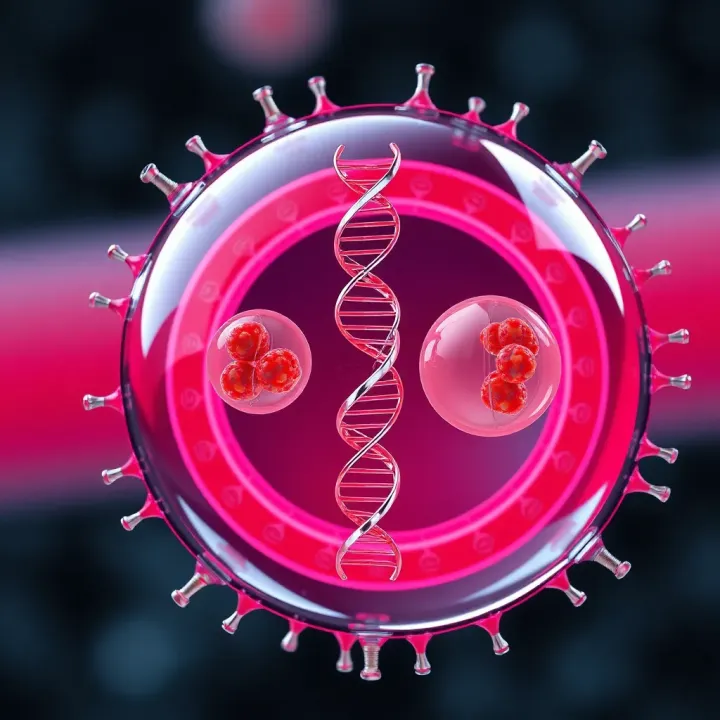
Explore binary fission 🧫, a key asexual reproduction process in single-celled organisms, essential for growth, reproduction, and genetic continuity.

Explore the basics and types of binary relations 🔄 in math, including reflexive, symmetric, transitive properties, examples, and practical uses across fields.

Learn the simple rules and steps for binary multiplication 🧮, including handling carries and real-world uses, perfect for students and pros in Pakistan.
Based on 10 reviews