

Actuarial Science and Risk Management Explained
Explore key actuarial science and risk management concepts 🧮 to assess and control financial risks, helping businesses in Pakistan make smarter decisions 📊.
Edited By
Oliver Bennett
Disaster risk management (DRM) is the practice of identifying, assessing, and minimising risks linked to natural hazards like floods, earthquakes, and droughts, as well as human-made disasters. In Pakistan, frequent challenges such as monsoon floods, earthquakes in northern regions, and urban fires demand a systematic approach to protect lives, property, and economic stability.
DRM is more than emergency response—it involves planning at every stage to reduce disaster impacts. This includes understanding vulnerabilities, preparing communities, and ensuring quick recovery. The process relies on three main pillars:

Risk Identification: Collecting data and mapping areas prone to hazards.
Risk Reduction: Implementing structural measures (like flood barriers) and non-structural steps (such as building codes and public awareness).
Preparedness and Response: Setting up early warning systems and training local responders.
For example, after devastating floods in 2010, Pakistan strengthened its National Disaster Management Authority (NDMA) and improved coordination between federal and provincial governments. This helped faster evacuations and relief distribution in subsequent floods.
Effective disaster risk management saves lives and reduces economic losses, especially for vulnerable sectors like agriculture, industry, and urban populations.
Understanding these components helps traders, investors, and educators grasp how disasters can disrupt markets, supply chains, and development projects. Investors should consider risk exposure in regions vulnerable to natural events. Similarly, financial analysts need to factor disaster risks into economic forecasts and commodity prices.
In short, disaster risk management prepares Pakistan to face challenges by involving government agencies, local communities, and private sectors in reducing hazards’ effects. This guide will explore these roles in detail, highlighting current challenges and actionable ways to increase resilience nationwide.
Understanding what disaster risk management (DRM) entails is vital for anyone involved in sectors exposed to potential disruptions—traders, investors, and financial analysts included. It focuses on identifying risks, assessing their potential impact, and taking steps to reduce those dangers before, during, and after a disaster strikes. This approach not only protects lives but also safeguards economic activities and infrastructure critical for business continuity.
Disaster risk management involves a cycle of actions that prepare organisations and communities to handle emergencies effectively. It includes identifying hazards, analysing vulnerabilities, implementing measures to reduce exposure, preparing emergency responses, and planning recovery efforts. In Pakistan, where floods, earthquakes, and cyclones frequently occur, strong DRM ensures that disruptions to trade, investment, and services are minimised, preserving market stability and investor confidence.
Natural disasters are unpredictable events caused by environmental forces that impact large populations and economies. Floods in the Indus Basin and earthquakes in regions like Quetta or northern Pakistan are examples where DRM plays a critical role. By developing early warning systems and resilient infrastructure, risks to businesses and communities can be controlled. For instance, better flood forecasting or earthquake-resistant building codes can reduce losses significantly, helping investors and traders plan accordingly.
Besides natural hazards, DRM also covers human-made risks such as industrial explosions, chemical spills, or terrorist attacks. The Karachi industrial area has witnessed accidents that disrupted supply chains and created safety concerns. Similarly, terrorism poses threats to transportation and commerce, affecting market confidence and economic activity. Effective DRM in these cases means strict safety regulations, emergency drills, and quick-response mechanisms to limit damage and restore normal operations swiftly.
Clear understanding and management of both natural and human-made disasters are essential to protect Pakistan's growing economy and ensure that trade and investments remain stable even in crisis situations.
In practice, combining these insights with local knowledge and technological tools allows stakeholders to prepare smarter and respond faster. This section sets the groundwork for deeper exploration of how disaster risk management can be realistically implemented in Pakistan's unique economic and geographic context.
Disaster risk management depends heavily on a handful of core elements that together form a comprehensive approach to dealing with crises. Each element plays a distinct role, from identifying hazards to helping communities bounce back after disasters. By understanding these parts, organisations, investors, and policymakers can better prepare for and reduce disaster losses.
Risk identification and assessment serve as the first step in any disaster risk management programme. Simply put, this involves spotting what dangers exist and measuring how likely they are to cause harm. For example, traders investing in Sindh's industrial sector must evaluate flood risks during the monsoon season because unchecked flood hazards can disrupt supply chains and escalate costs. Accurate risk assessment enables firms and authorities to allocate resources smartly and prepare realistic emergency plans.
Improving infrastructure is vital for lessening disaster impact. Structures like improved drainage systems in Karachi’s low-lying areas or reinforced bridges in flood-prone regions reduce damage and delay in rescue operations. These upgrades not only protect property but ensure continuity of services like electricity and transport, which are crucial for businesses and daily life.
Community preparedness focuses on empowering local people with training, drills, and knowledge to respond effectively. For instance, residents of earthquake-prone Islamabad can participate in mock evacuation exercises to understand safe spots and emergency communication routes. Such readiness cuts down casualties and eases pressure on official responders during actual emergencies.
This element involves protecting and restoring natural barriers. Planting mangroves along the coastline shields communities from storm surges, while managing deforestation in hilly areas reduces landslide risks. In Pakistan, environmental management feeds directly into disaster resilience by maintaining ecosystems that absorb or divert disaster forces.
Early warnings provide precious lead time before disasters hit. Pakistan’s National Disaster Management Authority (NDMA) utilises SMS alerts and media broadcasts to warn villages about impending floods. These systems help people evacuate timely and safeguard assets.
Effective evacuation plans map out routes, shelters, and responsibilities. Cities like Peshawar have been improving signs and transport arrangements to help residents exit flood zones quickly. Well-drilled evacuation procedures reduce confusion and save lives when hazards approach.
Coordination between government departments, NGOs, and private sector players ensures resources are well organised. During the 2022 floods, joint efforts between NDMA, local governments, and relief agencies expedited rescue and distribution of aid. Without such teamwork, overlaps or neglect could worsen crisis impacts.
Recovery focuses on restoring normal life after a disaster. This includes rebuilding homes, infrastructure, and livelihoods. Rehabilitation efforts often highlight the need for stronger, more resilient construction and social support systems to avoid repeating vulnerabilities.
Key takeaway: A clear grasp of these elements not only sharpens disaster preparation but also assures investors and businesses that risks are being managed responsibly, fostering economic stability even in uncertain times.
Disaster risk management (DRM) holds considerable importance in Pakistan due to the country’s frequent encounters with floods, earthquakes, and other hazards. Efficient DRM helps reduce human and economic losses by improving preparedness and response. Given Pakistan’s diverse geography, socio-economic conditions, and evolving infrastructure, understanding how disaster management works locally is key for policymakers, investors, and communities alike.
The National Disaster Management Authority (NDMA) plays a central role in coordinating disaster preparedness and response across Pakistan. Established under the National Disaster Management Act, NDMA formulates policies and guidelines aimed at minimising disaster risks at the national level. It manages emergency operations, facilitates resource allocation, and monitors rehabilitation efforts post-disaster. For instance, during the 2022 floods, NDMA’s coordination with provincial agencies was critical for swift rescue operations and relief distribution, highlighting its practical relevance.
Each province has its own disaster management authority aligned with NDMA’s framework but focussing on local needs. These agencies handle risk assessments, develop mitigation plans, and oversee emergency services within their territory. In Khyber Pakhtunkhwa, for example, the provincial body manages landslide risks by enforcing stricter building codes and running public awareness campaigns. This decentralised approach allows for quicker decision-making and tailored interventions in diverse geographical areas.
Local councils serve as the frontline actors in disaster risk management at the grassroots. They engage closely with residents, conduct vulnerability assessments, and mobilise resources during emergencies. In flood-prone regions like Sindh’s Thatta district, local councils collaborate with NGOs to organise evacuation drills and distribute emergency supplies. Their presence ensures that the unique challenges and needs of communities are addressed promptly.
Non-governmental organisations and civil society have increasingly stepped up to complement official disaster efforts. They provide crucial services such as first aid training, counselling, and shelter management. Notably, organisations like the Edhi Foundation and the Pakistan Red Crescent Society are active during natural calamities, offering aid and logistical support. Their outreach often extends to remote areas where government reach remains limited.
Pakistan’s location exposes it to multiple natural hazards including earthquakes in the north, flooding from monsoon rains, and cyclones near the coast. The Himalayan foothills are especially prone to landslides, while urban sprawl in cities like Karachi intensifies flood risks due to poor drainage. These physical vulnerabilities complicate risk management, demanding custom solutions for varied terrains.
Many parts of Pakistan suffer from outdated or inadequate infrastructure that worsens disaster impacts. For example, weak building standards in low-income housing areas increase collapse risks during earthquakes. Similarly, poor road networks impede timely delivery of relief supplies during emergencies. Updating infrastructure to disaster-resistant standards remains a critical need.
Limited financial and technical resources hamper Pakistan’s ability to implement advanced disaster management systems. Budgetary constraints often force reliance on donor funding for major projects like early warning systems. Training and capacity building for staff across agencies also require sustained investment. These constraints slow progress despite evident needs.
Building stronger disaster risk management in Pakistan needs combined efforts from government, local communities, and non-government partners, addressing unique geographical and resource challenges to protect lives and livelihoods effectively.
Key government bodies: NDMA, provincial authorities
Local councils: community-level risk reduction
NGOs: emergency response and awareness
Challenges: diverse hazards, infrastructure gaps, limited budgets
Effective disaster risk management offers real benefits, such as lowering economic losses and improving investor confidence, which are especially relevant for Pakistan’s development goals.
Improving disaster resilience is essential for reducing losses and ensuring quicker recovery after disasters. For Pakistan, where floods, earthquakes, and other hazards regularly impact communities, adopting best practices can save lives and protect investments. Practical measures strengthen both institutional capacities and local preparedness, blending technology, education, and community engagement effectively.
Well-coordinated efforts among government departments, emergency services, and NGOs reduce chaos during disasters. Clear roles and communication channels help avoid duplication and delays. For example, during the 2019 floods in Sindh, coordination between the National Disaster Management Authority (NDMA) and provincial agencies sped up relief distribution. A unified disaster management command centre could improve response times in major cities like Karachi and Islamabad. Regular joint drills and shared protocols raise readiness levels.
Technology makes early warnings more accurate and timely. Pakistan's flood forecasting based on satellite data has improved, yet gaps remain in rural alert dissemination. Mobile phone alerts through apps or SMS can reach communities quickly, as seen in areas around the Indus River. Investing in seismographs and weather stations enhances monitoring of earthquakes and cyclones respectively. Technologies like GIS mapping help identify vulnerable zones, allowing focused resource allocation before disasters strike.
Educating people about disaster risks and proper responses builds a culture of preparedness. Schools in earthquake-prone zones like Quetta now include drills and safety lessons. Public campaigns during monsoon seasons remind residents of evacuation routes and flood safety. Media partnerships with organisations such as Pakistan Red Crescent promote messages efficiently. Raising awareness translates to communities who act swiftly and avoid panic, reducing casualties.
Local involvement boosts resilience because communities best understand their risks. Village disaster committees in flood-affected areas of Punjab organise clean-up drives to clear drains before rains. Training community members as first responders ensures immediate aid is available. Also, micro-insurance schemes help households recover financially after disaster hits. NGOs partnering with local leaders harness social capital that government bodies alone cannot match.
A disaster-resilient Pakistan depends on combined efforts: strong institutions, smart technology, informed citizens, and empowered communities working in harmony.
By focusing on these practical, targeted best practices, Pakistan can reduce the human and economic toll of disasters while supporting sustainable growth and security.
Explore key actuarial science and risk management concepts 🧮 to assess and control financial risks, helping businesses in Pakistan make smarter decisions 📊.

📊 Discover how risk management in Pakistan businesses cuts losses, boosts smart decisions, saves costs, ensures compliance, and builds a stronger reputation.
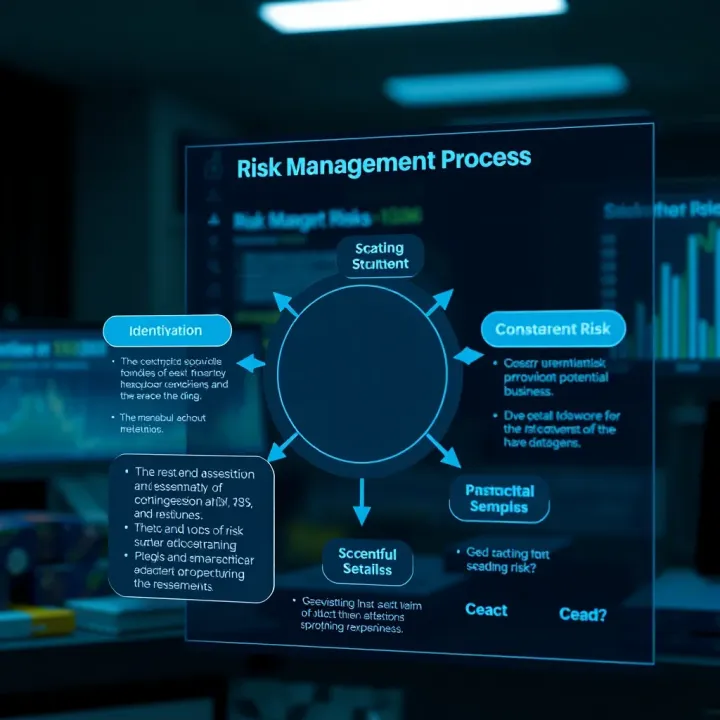
📊 Explore practical steps of risk management for businesses and organisations in Pakistan. Learn how to identify, assess, and control risks to protect operations effectively.

📊 Strategic risk management helps Pakistani businesses identify, assess, and tackle local economic and operational risks to protect long-term goals and stay competitive.
Based on 6 reviews