
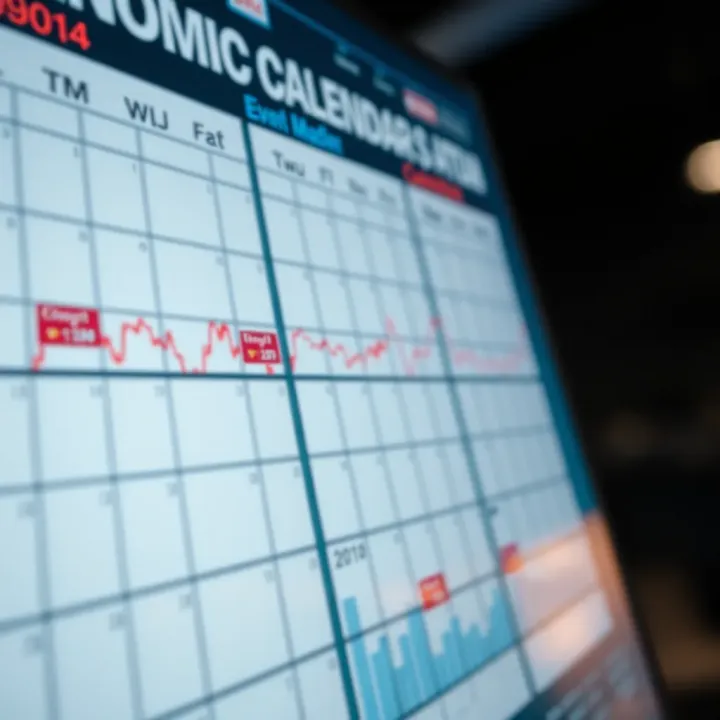
Understanding Economic Calendars for Smarter Investing
📊 Learn how Pakistan's investors use economic calendars to track key financial events, plan trades effectively, manage risks wisely, and improve returns.
Edited By
James Thornton
An economic calendar is a practical tool for anyone closely watching financial markets or planning investments. It lists scheduled releases of economic data, policy announcements, and key events that influence currencies, stocks, bonds, and commodities. For traders, investors, and analysts, the calendar acts as a roadmap to anticipate market movements and make informed decisions.
In Pakistan, understanding economic events such as the State Bank of Pakistan's monetary policy announcements, inflation data, or trade balance reports can significantly impact investment choices. For example, if the SBP signals an interest rate change, it can ripple through the stock exchange and currency rates, affecting portfolios.
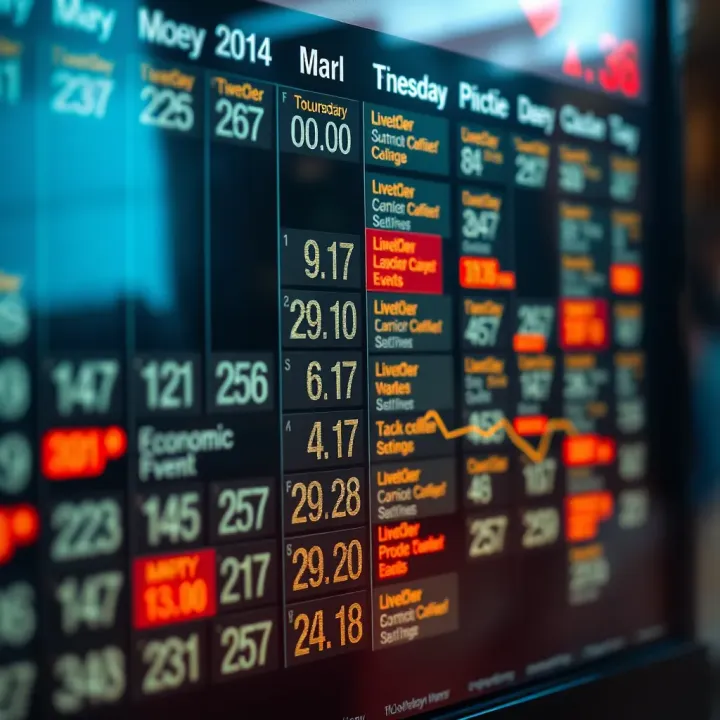
The calendar typically presents events by date and time, with details on the source, expected figures, and previous results. Major categories include:
Economic indicators: inflation rates, employment figures, GDP growth
Central bank meetings: rate decisions, policy statements
Government reports: budget releases, fiscal data
Corporate earnings: particularly for listed companies impacting market sentiment
Monitoring these events helps reduce surprises and enables better risk management. For instance, Pakistan's inflation data often affects the rupee's value and impacts equity market trends.
Using an economic calendar effectively means not only tracking dates but also understanding which figures matter most to your investment or trading strategy. Knowing when the Pakistan Federal Budget is released or anticipating the impact of WAPDA’s energy reports can help in adjusting positions beforehand.
In brief, the economic calendar is an essential reference that goes beyond mere dates. It provides insight into Pakistan’s economic health and guides financial planning by highlighting upcoming data releases that affect market sentiment and asset prices. Incorporating this into your routine will sharpen your market awareness and support well-timed investment choices.
An economic calendar is a tool that lists scheduled releases of key financial data and events influencing markets worldwide. It serves as a timetable showing when governments, central banks, and statistical agencies announce figures like inflation, unemployment, GDP, and interest rate decisions. For investors, traders, and policymakers, knowing these timings helps prepare for market movements and economic shifts.
Economic calendars provide a clear overview of upcoming economic activities. For example, a Pakistani investor keeping an eye on the State Bank of Pakistan's policy rate announcements or CPI inflation reports can align their investment strategy accordingly. Businesses can also plan stock purchases or sales around these data releases to minimise risks.
The primary purpose of the economic calendar is to organise economic information releases by date and time, allowing users to anticipate market reactions. These calendars highlight crucial events such as interest rate decisions by central banks, manufacturing indexes, and major fiscal policy announcements. This prevents surprises and promotes strategic planning.
For instance, during periods when Pakistan's Federal Budget is announced, the calendar helps market participants and business owners prepare for volatility driven by fiscal policy changes.
Economic calendars are used by a variety of market participants, including individual investors, institutional traders, financial analysts, brokers, and corporate decision-makers. Investors might use the calendar to decide when to buy or sell equities, while analysts integrate these events into forecasting models.
Pakistani exporters, for example, track global trade balance data and local monetary policy timelines to manage foreign exchange risks and adjust pricing. Likewise, policymakers observe economic calendar events to time regulatory measures and policy interventions.
Economic releases often trigger significant price movements in currencies, stocks, and commodities. For instance, if Pakistan's inflation figures rise unexpectedly, the rupee may weaken, stock markets may drop, and interest rates could adjust. Traders aware of these dates can anticipate or react swiftly to such shifts, helping them manage profits and losses.
Sudden changes in employment data or SBP’s interest rate announcements can influence investor confidence, causing market volatility. Therefore, following the economic calendar is essential for reacting in a timely manner.
Using the economic calendar, investors and businesses base their decisions on informed expectations. For example, a company considering investment in machinery may postpone spending if upcoming economic data suggests economic slowdown. Similarly, traders might avoid entering risky positions before major central bank meetings.
The calendar also aids risk management by highlighting potentially volatile periods. This helps investors decide when to protect their portfolios with hedging or shift to safer assets. In Pakistan, where economic policies can be unpredictable due to inflation or political factors, using this tool wisely is even more valuable.
Monitoring economic calendars is not just about tracking dates; it’s about understanding how these events interact with the market dynamics and local economic realities. This knowledge empowers better financial planning and market participation.
In summary, the economic calendar is a practical guide to staying updated on significant economic events that influence market conditions. Whether you are a trader in Karachi, a policymaker in Islamabad, or a business owner in Lahore, using the economic calendar can improve your timing, reduce surprises, and support smarter decisions.
The economic calendar is packed with key indicators and events that shape financial markets and guide business decisions. Knowing what these factors mean helps investors, traders, and analysts prepare and plan accurately.
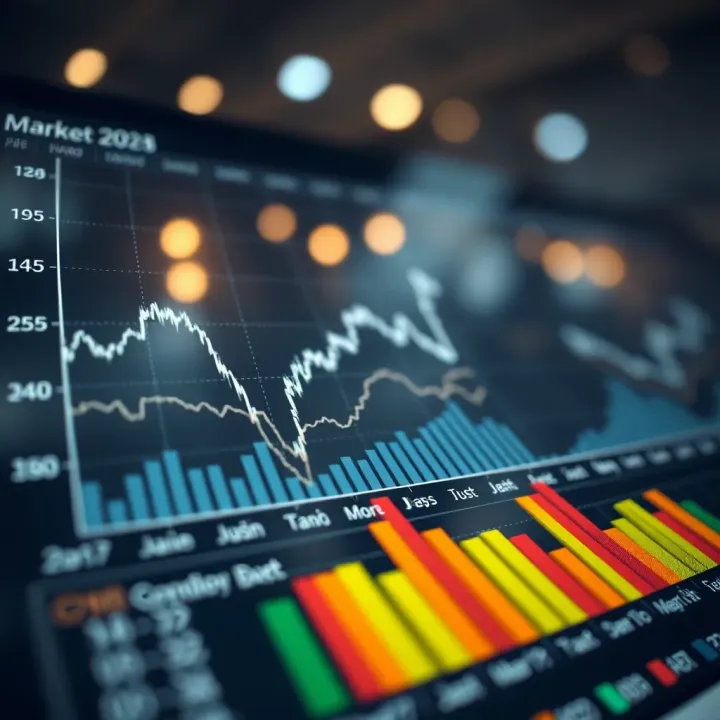
Gross Domestic Product (GDP) data reveal a country’s economic health by tracking the total value of goods and services produced. When Pakistan announces its quarterly GDP, investors watch closely — a stronger-than-expected growth figure often boosts the Pakistani rupee and stock market optimism. Conversely, slow or negative growth figures may signal economic trouble, prompting more cautious investment strategies.
Inflation measures, especially the CPI, show how prices change over time for typical household goods. When inflation in Pakistan rises beyond the State Bank’s target range, it affects purchasing power and interest rates. If CPI figures come in hotter than expected, banks might consider hiking rates, affecting borrowing costs directly. Keeping an eye on these data helps traders hedge against currency volatility and businesses plan pricing accordingly.
Employment numbers reflect economic momentum through job creation, unemployment rates, and labour force participation. Strong employment usually means consumers have more spending power, signalling a healthy economy. In the Pakistani context, labour reports from the Pakistan Bureau of Statistics or WAPDA’s employment impact data influence sectors differently. Poor employment statistics can lead to reduced consumer demand and cautious investing.
Central bank meetings — like those held by the State Bank of Pakistan (SBP) — are some of the most watched events. Decisions on interest rates influence credit availability and inflation control. A rate hike can strengthen the rupee but might slow economic activity. Traders prepare ahead by reviewing calendar dates to manage risk during these volatile periods.
Pakistan's trade balance reports indicate whether the country imports more than it exports, affecting foreign exchange reserves and rupee stability. A growing trade deficit might weaken the rupee and raise concerns about international debts. For businesses, tracking import-export trends assists in supply chain planning and cost forecasting.
Annual federal budget announcements reveal government spending priorities and tax policies, which directly impact economic growth and market sentiment. When the Finance Minister outlines austerity measures or new taxes, businesses and investors may revise forecasts accordingly. These fiscal policies often dictate liquidity in the market and influence public sector borrowing requirements.
Unexpected political events like election outcomes or policy shifts can unsettle markets. In Pakistan’s case, changes in leadership or political stability affect investor confidence and can lead to currency fluctuations. Monitoring these events on the economic calendar helps anticipate market reactions and allows better risk management.
Understanding these key indicators and events on the economic calendar enables clearer insight into market movements and more informed financial decisions. Planning around them prevents surprises and improves your strategy.
Keep track of GDP, CPI, and employment reports for economic signals.
Watch central bank meetings to anticipate monetary policy changes.
Follow trade data and government budgets for medium-to-long term impacts.
Stay alert to political developments that can shift market sentiment suddenly.
Being familiar with these releases lets you read the economic pulses that matter most for Pakistan’s markets.
Reading an economic calendar correctly helps investors, traders, and analysts prepare for upcoming financial events and make better decisions. Economic calendars list data releases, policy announcements, and key events that can move markets. Knowing how to interpret the entries and symbols ensures you react appropriately—not just to the news itself, but to how the market might respond.
Understanding event timings and time zones is critical because event schedules are usually in different time zones, and accurate timing lets you plan trades or business moves accordingly. For example, if the State Bank of Pakistan announces an interest rate decision at 10:00 am PKT, but you’re viewing a calendar showing GMT timings, you must convert time correctly to not miss the event.
Events may show different timings depending on the calendar or provider, so always confirm the time zone used. This is especially important for traders monitoring global news—say, a US Federal Reserve statement at 2:00 pm EST actually happens at 11:00 pm PKT. Missing these details could lead to surprise market moves.
Impact ratings or importance levels indicate how significantly an event may influence markets. These are often shown as coloured dots or symbols—red for high impact, orange for medium, and yellow for low impact. A high-impact event like Pakistan’s inflation report or central bank policy announcement tends to cause more volatility than a modest retail sales number.
Using impact ratings helps you prioritise which events to watch closely. For instance, if the unemployment rate has a red impact rating, traders may delay opening new positions until after the number is released to avoid sudden price swings.
Forecasts versus actual figures is a key comparison on any economic calendar. Most calendars show market expectations or analyst consensus before data releases. Comparing actual numbers to forecasts reveals if the news is better or worse than expected.
For example, if Pakistan’s GDP growth forecast is 3.5% but the actual figure comes in at 4%, that positive surprise may lead to a rally in Karachi Stock Exchange stocks. Conversely, a worse-than-expected CPI reading indicating rising inflation could prompt the rupee to weaken. Tracking these differences allows traders and investors to adjust their positions quickly.
How unexpected results influence trading can often be dramatic. Markets dislike uncertainty, so when economic data departs significantly from forecasts, prices may jump or drop sharply. A surprise increase in interest rates or an inflation figure can trigger rapid foreign exchange or stock market moves.
For example, if the State Bank of Pakistan unexpectedly leaves interest rates unchanged amidst rising inflation, currency traders might sell the rupee, anticipating future volatility. Understanding that markets react not just to the data but to whether it meets or defies expectations helps in managing risks.
Using economic data to anticipate currency and stock movements involves observing patterns after certain releases. Inflation data often hints at central bank actions, affecting bond yields and stock valuations. Employment reports reflect economic health and consumer spending potential.
If Pakistan’s trade balance worsens, it might forecast pressure on the rupee, while strong export numbers could boost investor confidence. Traders use this knowledge to predict short-term currency or equity trends, adjusting portfolios accordingly.
Staying informed and interpreting an economic calendar thoughtfully gives you an edge, allowing you to act decisively rather than react blindly to market swings.
Understanding these elements equips you to make smarter financial decisions based on reliable data rather than rumours or speculation. This helps reduce surprises in the volatile world of finance, especially within Pakistan’s economic context.
Economic calendars are essential tools for anyone involved in financial markets or business planning. They allow you to anticipate key events—like inflación data announcements or central bank interest rate decisions—that can shake up markets suddenly. Knowing these dates beforehand helps investors, traders, and business leaders avoid surprises and adjust strategies to current economic trends.
Investors often schedule their trades by aligning with economic calendar events to optimise returns and limit risks. For example, before the State Bank of Pakistan announces its monetary policy, many traders pause new positions or reduce exposure, expecting increased volatility. Conversely, after data releases like the Pakistan Bureau of Statistics’ inflation report, they might enter trades once the market digests the numbers.
By watching the calendar, you can decide when to buy or sell assets based on the expected market reaction. Suppose export data hints at stronger growth; investors might consider Pakistani equities before the news breaks, preparing to benefit as local stocks rally. Timing entry and exit with such events prevents getting caught in sudden price swings.
Economic events can trigger abrupt market moves, increasing risk levels. Traders need to manage this by adjusting stop-loss orders, reducing trade sizes, or temporarily halting trading altogether around major releases like GDP numbers or monetary policy decisions. Such caution helps limit losses if the market moves against expectations.
For instance, during the Energy Regulatory Authority’s decisions on fuel prices, sectors like transportation and manufacturing see immediate impacts. Traders familiar with the calendar may tighten risk controls during these periods to safeguard capital. This approach is vital when markets in Pakistan respond sharply to announcements due to localised economic pressures, including inflation and exchange rate fluctuations.
Businesses in Pakistan benefit by aligning operational decisions with economic calendar insights. For example, retailers prepare for Eid sales by monitoring consumer spending data or import statistics published regularly. Knowing when such reports are due helps them stock inventory more effectively, avoiding shortages or overstock.
Agricultural businesses also plan sowing or harvesting around monetary policies or weather data forecasts issued by government agencies. They may adjust procurement or sales strategies depending on anticipated economic conditions, improving profitability and reducing waste.
Policymakers rely heavily on the economic calendar to guide decisions like fiscal stimulus or tax adjustments. If upcoming budget reports or employment figures indicate economic slowdown, the government may introduce relief measures to support affected sectors.
Similarly, the State Bank of Pakistan uses forecasts and prior data release timings to plan interest rate changes, directly impacting inflation and growth. Having a clear schedule aids these decisions, allowing timely responses to economic challenges and stabilising markets effectively.
Using the economic calendar isn't just about tracking dates. It equips investors, businesses, and policymakers with foresight and flexibility, enabling smarter decisions in Pakistan's dynamic economic environment.
Accessing reliable economic calendars that include Pakistan-specific data is essential for traders, investors, and financial analysts working within the local market. These calendars provide up-to-date information on key events—like SBP monetary policy meetings or Pakistan Bureau of Statistics data releases—that directly impact the Pakistani economy. Using such tailored calendars helps users anticipate market moves, plan trades, and adjust investment strategies accordingly.
Well-known platforms like Investing.com and Bloomberg offer comprehensive economic calendars covering global events, including Pakistan-related data. These services provide detailed schedules for economic releases such as inflation figures, GDP updates, and central bank decisions. For instance, Investing.com lists State Bank of Pakistan policy announcements alongside major US and Chinese reports, giving traders a global perspective that aids in understanding external factors affecting Pakistan’s markets.
These platforms often allow you to customise your view, filtering events by country or importance level. This feature suits Pakistani users who want a blend of local and international economic data in a single resource. Their user-friendly interfaces and real-time updates make tracking events easier, especially for brokers or investors juggling information from multiple markets.
The State Bank of Pakistan (SBP) maintains a schedule of its monetary policy meetings, inflation outlooks, and other relevant reports on its official website. These releases are critical for anyone invested in Pakistani financial markets because SBP policy decisions influence interest rates, currency stability, and overall economic confidence. Keeping an eye on SBP announcements helps investors adjust portfolios before announcements and manage risk during volatile periods.
Similarly, the Pakistan Bureau of Statistics regularly publishes essential economic data such as inflation figures, employment statistics, and trade balances. These releases provide the foundational figures that shape market sentiment and guide policy decisions. Since this data is officially collected and validated, it serves as the cornerstone for economic analysis and trading strategies specific to Pakistan.
For the most actionable insights, pair international economic calendars with updates from Pakistan’s own institutions. This approach ensures you don’t miss significant events that could move Pakistani markets.
By combining these sources, Pakistani traders and analysts can stay well-informed, balancing global trends with domestic economic realities—a crucial approach given Pakistan’s integration with the international economy and its unique market dynamics.
📊 Learn how Pakistan's investors use economic calendars to track key financial events, plan trades effectively, manage risks wisely, and improve returns.

📊 Understand binary quotes in financial trading, learn how they work, factors affecting them, and practical tips for Pakistani traders to make smart decisions.

💡 Explore how binary signals power Pakistan's digital networks, decode their function, tackle challenges & apply insights to enhance communication systems effectively.
Explore the basics and types of binary relations 🔄 in math, including reflexive, symmetric, transitive properties, examples, and practical uses across fields.
Based on 15 reviews