
Understanding Forex Trading in Pakistan
Learn forex trading basics in Pakistan 🇵🇰 including currency exchange, market operations, price factors, strategies & risks to trade confidently and securely 💰
Edited By
Sophia Brown
Forex trading means buying and selling currencies to make profit from changes in exchange rates. It’s the largest financial market in the world, with daily trading volume exceeding $6 trillion. This vast market operates 24 hours a day, giving Pakistani investors the chance to trade at almost any time.
In Pakistan, forex trading has gained popularity thanks to easier internet access, platforms like MetaTrader, and services by brokers registered with the Securities and Exchange Commission of Pakistan (SECP). However, successful trading still demands a solid understanding of the market dynamics.
At its core, forex trading involves currency pairs — one currency is exchanged for another. For example, the USD/PKR pair shows how many Pakistani rupees you get for one US dollar. Traders buy a currency if they believe its value will rise against another or sell if expecting a drop.
Understanding global economic indicators, geopolitical events, and central bank policies, such as those from Pakistan’s State Bank (SBP), is vital since these factors affect currency values directly.
Forex offers several strategies: day trading, swing trading, and position trading. Each suits different time horizons and risk appetites. For instance, day traders in Karachi might study intraday charts carefully to catch small price moves, while long-term investors in Lahore could focus on macroeconomic trends.
Risk management is crucial. Leveraged trading allows greater exposure with smaller capital but can cause heavy losses too. Setting stop-loss orders and limiting trade size protects your investment.
Pakistani regulators have tightened rules to prevent scams and illegal forex platforms. Always choose brokers licensed by SECP and verify their compliance with local financial laws.
This guide will walk you through the practical steps of forex trading, regulatory considerations in Pakistan, key strategies, and common pitfalls. By the end, you’ll have a clearer picture of how to start trading forex effectively in Pakistan’s unique market environment.
Introduction to forex trading sets the foundation for anyone looking to enter currency markets. It explains what forex trading actually involves and how it differs from other trading arenas. This is essential for Pakistani investors who may be more familiar with stock trading or real estate investments. Understanding the basic concepts helps one make informed decisions rather than jumping in blindly.
Forex trading refers to buying and selling different currencies with the goal of profiting from exchange rate changes. Imagine exchanging your Pakistani rupees (PKR) for US dollars (USD) when the rupee is weak, then converting back when the exchange rate favours you. Traders attempt to anticipate these shifts to earn profits. Since the forex market is the largest and most liquid financial market globally, it attracts diverse participants, including banks, governments, businesses, and individual investors from Pakistan.
Unlike stocks, where you buy shares of companies, forex trading involves pairs of currencies traded simultaneously. It functions 24hours across global financial centres, unlike the Pakistan Stock Exchange (PSX) which operates set hours. Also, forex markets tend to be highly volatile and offer leverage, which means traders can control larger positions with smaller amounts of capital. However, this amplifies both potential gains and risks compared to more traditional markets like equities or real estate.
Currencies are quoted in pairs, such as USD/PKR or EUR/USD, showing the value of one currency against another. For Pakistani traders, watching USD/PKR is crucial since the dollar impacts import costs, remittances, and inflation. When you buy a currency pair, you’re buying the base currency and selling the quote currency. For example, buying USD/PKR means buying the US dollar while selling Pakistani rupees.
The forex market is active 24 hours due to overlapping sessions in London, New York, Tokyo, and Sydney. This nonstop nature benefits Pakistani investors who can trade after office hours or during early mornings. Big players include central banks like the State Bank of Pakistan (SBP), commercial banks, hedge funds, corporations hedging against currency risk, and retail traders. Each participant influences liquidity and pricing, affecting opportunities and challenges faced by local traders.
Understanding these basics helps you avoid common pitfalls and prepares you for effective participation in forex trading from Pakistan. It's not just about money — it's about timing, knowledge, and clear strategy.
Forex market runs 24/7, ideal for flexible trading hours.
Currency pairs reflect relative economic strength.
Leverage adds power and risk — handle it carefully.
This introduction will guide you to make practical decisions tailored to Pakistan’s unique forex trading environment.
Grasping key concepts and terminology in forex trading is essential for any Pakistani investor serious about this market. Knowing the basics like currency pairs, leverage, margin, and spread helps you make informed decisions and avoid costly mistakes. Let's break down these terms with practical examples relevant to the local context.
The forex market always trades currencies in pairs, composed of a base currency and a quote currency. The base currency is the first in the pair, representing how much of the quote currency is needed to buy one unit of the base. For instance, in USD/PKR, the US dollar is the base and Pakistani rupee the quote. If the rate is 280, it means Rs 280 is required to buy $1. This ratio constantly shifts with market dynamics.
This concept is crucial because when you trade, you're essentially betting on whether the base currency will strengthen or weaken against the quote currency. If you expect USD to gain value against PKR, you buy USD/PKR; if you think the rupee will strengthen, you sell this pair. Clear understanding here prevents confusion in orders and helps you read price movements accurately.
Currency pairs fall into three categories: major, minor, and exotic. Majors include pairs with the US dollar on one side, like EUR/USD, USD/JPY, or USD/GBP, typically offering the best liquidity and tightest spreads. Minor pairs exclude USD but involve stable currencies, such as EUR/GBP or AUD/NZD. Exotic pairs combine a major currency with a less traded one, like USD/PKR or EUR/TRY.
For Pakistani traders, exotic pairs like USD/PKR are appealing due to local knowledge and interest, but they tend to have wider spreads and less liquidity. Majors offer more stable trading conditions and lower costs but may require more global economic awareness. Balancing pairs helps manage risk and trading costs.
Leverage allows you to control a larger position with a relatively small amount of capital. For example, a 1:100 leverage means with Rs 1,000, you can trade Rs 100,000 worth of currency. This magnifies profits but also losses, so caution is necessary, especially in volatile markets like forex.
Margin is the actual money needed to open a leveraged trade, serving as a security deposit. If you decide to trade USD/PKR worth Rs 100,000 at 1:100 leverage, you need Rs 1,000 as margin. Understanding margin helps to avoid margin calls, where brokers ask for more funds if trades go against you.
Spread represents the difference between the buying (ask) and selling (bid) prices and is how brokers earn from trades. For example, if USD/PKR has a bid price of 279.95 and an ask price of 280.05, the spread is Rs 0.10. Lower spreads reduce your trading costs. Majors usually have smaller spreads compared to exotic pairs like USD/PKR, which may have higher costs due to lower liquidity and higher risk.
Careful attention to these terms will improve your trading efficiency and reduce unexpected costs. In Pakistan’s market context, selecting trades with manageable spreads, appropriate leverage, and clear margin rules is the foundation of a successful forex trader.
Traders in Pakistan must understand common forex trading strategies to improve their chances of success. Popular strategies help make sense of the chaotic currency market by offering methods to identify entry and exit points. These approaches reduce guesswork and equip traders with tools to manage risks and optimise profits.
Using charts and indicators is fundamental in forex. Traders rely on visual tools like candlestick charts, moving averages, and oscillators (e.g., RSI, MACD) to spot patterns and momentum shifts. For example, a Pakistani trader might notice a moving average crossover on USD/PKR, signalling a possible trend change. Using these indicators regularly helps traders confirm signals before opening or closing positions.
Charts show price movements over time and allow traders to judge support and resistance levels. This visual analysis guides decisions based on previous price behaviour rather than speculation alone. For instance, if the EUR/USD repeatedly bounces off a certain price, that level becomes a signal for future trades.
Trend following and breakouts focus on riding market momentum and taking advantage of sudden price moves. Trend-following traders look for currencies moving consistently in one direction. When the trend is clear, they enter to capture profits as the movement continues. This method suits markets with steady uptrends or downtrends.
Breakout trading works when currency prices break through established support or resistance levels, signalling strong buying or selling pressure. For example, when GBP/USD breaks above a resistance marked over several days, breakout traders enter hoping to catch a rapid price surge. Pakistani traders must act quickly here, as breakouts can reverse if they turn false.
Economic indicators impacting currencies offer a window into a country’s financial health and influence exchange rates. Data like GDP growth, inflation, unemployment, and central bank interest rate decisions reveal currency strength or weakness. A Pakistani trader tracking the US non-farm payrolls report may anticipate USD fluctuations.
Keeping an eye on local indicators also matters. For example, Pakistan’s trade balance or inflation reports can indirectly affect the PKR’s value against majors like the USD or EUR.
Influence of geopolitical events cannot be ignored. Political instability, elections, or international conflicts create uncertainty, causing currencies to fluctuate. For instance, any diplomatic tension between Pakistan and a neighbouring country may cause the PKR to move unpredictably. Traders aware of such events can prepare to adjust positions or tighten stop losses to protect capital.
Successful forex trading combines both technical signals and fundamental understanding. Traders in Pakistan gain an edge by blending chart analysis with awareness of economic and political developments affecting currency markets.
By mastering these popular strategies, Pakistani investors can trade forex more confidently and manage the challenges of this fast-paced market.
Forex trading carries inherent risks that every investor must understand, especially in Pakistan's dynamic economic environment. Awareness of these challenges helps traders protect their capital and make informed decisions, while recognising that losses are part of the game. This section outlines key risks and common pitfalls, offering practical ways to manage and avoid them.
How price swings affect trades: Forex markets are famous for their volatility, which means currency prices can shift quickly and unexpectedly. For instance, sudden changes in Pakistan's monetary policy or an unforeseen geopolitical event in the region can cause the Pakistani Rupee (PKR) to fluctuate sharply against the US Dollar (USD) or other currencies. Traders with open positions during these price swings may face swift gains or steep losses. High leverage can amplify these effects, meaning even small moves in currency prices might wipe out an account balance if not managed properly.
Managing unexpected events: Unexpected events, like an abrupt interest rate change by the State Bank of Pakistan or political instability, can cause price gaps where the market moves too quickly for stop-loss orders to execute at intended levels. To handle this, experienced traders diversify their portfolios, avoid risking too much on a single trade, and stay updated with local and global news affecting currency values. Using stop-loss orders conservatively and keeping exposure limited during uncertain times helps protect investments from sudden shocks.
Risk management strategies: Effective risk control is essential for long-term success in forex trading. Tools like stop-loss and take-profit orders lock in gains and limit losses before emotions interfere. For example, a trader might set a stop-loss at 50 pips below the entry price to prevent significant damage if the market moves unfavourably. Position sizing is another vital strategy where traders calculate the amount to invest in each trade relative to their total balance, often risking no more than 1-2% of capital per trade. This approach stops a single bad trade from depleting the entire account.
Psychological factors to watch: Emotional discipline greatly influences trading outcomes. Many traders fall into traps like revenge trading—trying to recover losses quickly by risking more—or overtrading driven by fear of missing out. These behaviours usually lead to bigger losses. Staying patient, accepting occasional setbacks, and following a well-defined trading plan helps maintain clarity. Keeping a trading journal to record decisions and emotions offers valuable insights into patterns that can undermine performance.
Protecting your capital through solid risk management and emotional control is more important than chasing big wins in forex trading. Consistency and caution help you survive tough markets.
By understanding and preparing for these risks, Pakistani investors can navigate forex trading with greater confidence and lower their chances of costly mistakes.
For Pakistani investors stepping into forex trading, practical tips can make a real difference. They help you navigate local challenges, such as regulatory requirements and payment options, while maximising your chances of success. These tips are not just theory; they address day-to-day aspects like choosing a broker you can trust and managing your account effectively.
Regulation and licensing are the backbone of trust when selecting a forex broker. In Pakistan, the Securities and Exchange Commission of Pakistan (SECP) regulates financial firms, though many forex brokers operate internationally. Opting for brokers licensed by reputable authorities such as the Financial Conduct Authority (FCA) in the UK or Australian Securities and Investments Commission (ASIC) ensures your funds are safer and trading practices fair. Always verify that the broker has proper registration and transparent policies. For example, a broker with no visible licence or unclear terms might withhold your profits or delay withdrawals, which is a common headache for traders.
Platform features also matter greatly for practical trading. A reliable broker should offer a user-friendly platform with essential tools like real-time charts, multiple technical indicators, and quick order execution. Features like mobile app compatibility cater to Pakistan's growing mobile internet users, letting you trade on the go using Jazz or Zong networks. Some platforms also offer demo accounts, allowing you to practise without risking real money. Without these features, you risk losing out on timely opportunities or making mistakes.
Deposit methods in Pakistan usually include bank transfers, debit/credit cards, and local e-wallets like JazzCash and Easypaisa. Using local payment options is convenient and can avoid high international bank charges. However, always check if the broker supports these deposit routes because not all do. For instance, some international brokers accept only wire transfers, which might delay your trading start and add cost.
Understanding fees and limits is critical before funding your account. Brokers may charge deposit or withdrawal fees, inactivity fees, or even currency conversion charges if your base currency differs from Pakistani Rupees. These costs eat into your profit if unchecked. Also, some brokers impose minimum deposit limits that might be out of reach for casual traders. Knowing these details upfront saves frustration; for example, a broker demanding a minimum Rs 50,000 deposit might not be suitable if you want to start small.
Pakistan’s regulatory framework does not yet have explicit laws targeting forex trading profits, adding to the complexity. However, forex trading is not illegal, and SECP advises dealing only with registered entities to avoid scams. It’s wise to keep your trading activities transparent and maintain records of transactions, especially if you trade through international brokers.
Tax implications for forex gains require careful attention. The Federal Board of Revenue (FBR) treats income from forex trading as taxable, meaning profits must be declared in your annual tax return. If you ignore this, you risk penalties or scrutiny later. In practice, traders often maintain detailed logs of trades, withdrawals, and deposits to accurately report gains or losses. For example, a trader earning Rs 5 lakh profit in a tax year should disclose this income to avoid trouble with FBR.
Practical awareness about brokers, payments, and tax rules helps Pakistani forex traders avoid common pitfalls and build a stronger trading habit.
By considering these practical tips—from checking broker licences to understanding your tax duties—you can trade smarter and safer in Pakistan's unique forex environment.
Learn forex trading basics in Pakistan 🇵🇰 including currency exchange, market operations, price factors, strategies & risks to trade confidently and securely 💰
📊 Learn how to identify common forex trading patterns and enhance your trading strategies with practical tips tailored for Pakistani traders in PKR markets and beyond.
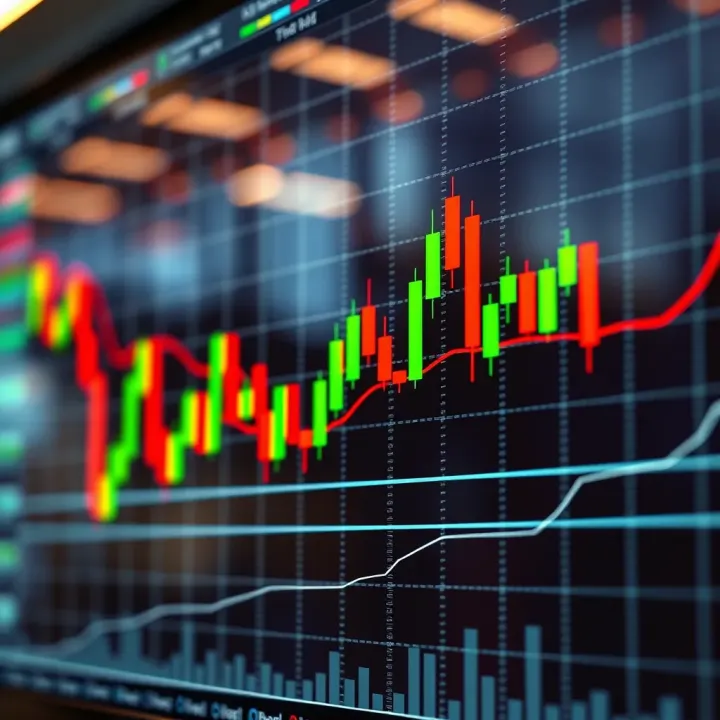
📈 Explore forex trading strategies crafted for Pakistani traders including market analysis, risk management, and practical tips to boost your trading success in PKR markets.
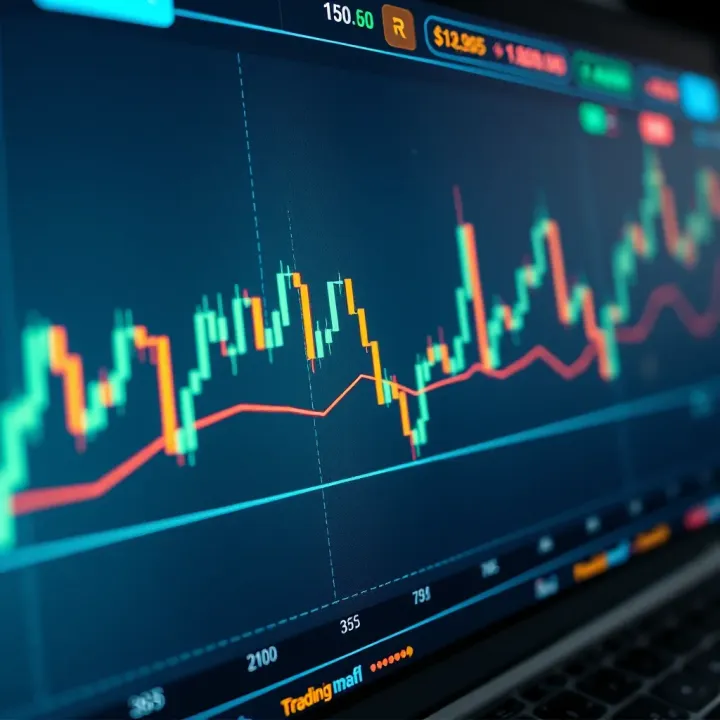
📈 Discover forex trading basics, strategies, and risk management in Urdu PDF for Pakistani traders. Learn safe trading with local insights and trusted platforms. 🇵🇰
Based on 6 reviews