

How to Choose the Best Forex Broker in Pakistan
📊 Discover how to pick the best forex broker in Pakistan! Learn about regulations, fees, platforms, and support to trade confidently and securely.
Edited By
Amelia Scott
Choosing the right forex broker is more than just picking a name off a list — especially in Pakistan, where the market is growing fast but also full of traps for the unwary. Traders need a broker who not just makes the buying and selling of currencies easy, but also keeps their money safe, offers tools that really work, and charges fair fees.
Many miss the point that your broker can make or break your trading career. You could have a top-notch strategy, but without a trustworthy broker, things can go sideways fast. So, what should you keep an eye on when scouting for the best forex broker in Pakistan? Is regulation a must-have or just a nice bonus? What about trading platforms — should you settle, or hold out for the one that feels just right?
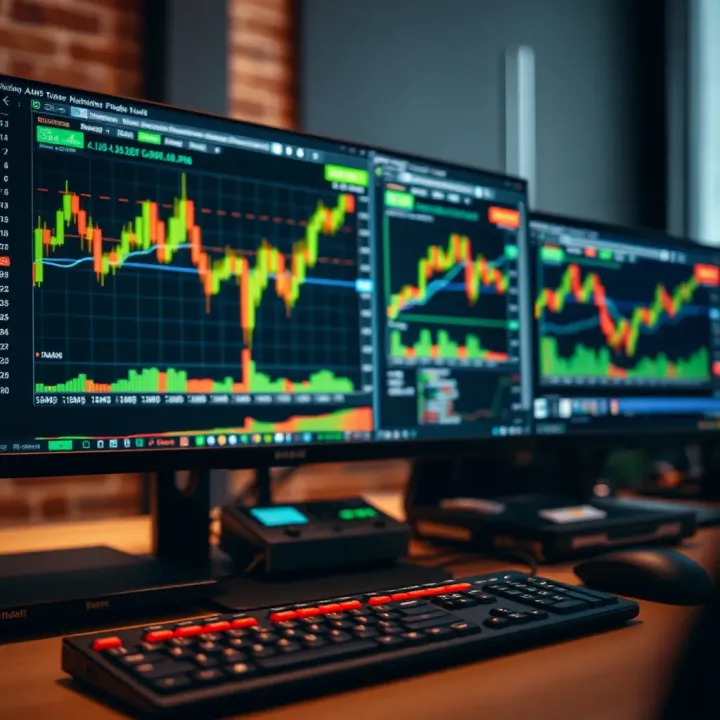
Navigating the forex market can feel like wandering through a maze with no map. A dependable broker isn't just a stack of charts and prices; it's a partner that guides you safely through the twists and turns.
In this article, we'll break down the real must-haves and nice-to-haves for Pakistan's forex traders, including how to spot a regulated broker, why platform choice matters, the hidden costs you might stumble on, and the kind of customer support that can save your bacon when things go haywire.
Whether you’re a seasoned investor or just dipping your toes, knowing these key points will put you on solid ground, helping you make smart choices with less guesswork. Let’s get into the nuts and bolts that every trader in Pakistan needs to check off when picking their forex partner.
When diving into Forex trading in Pakistan, knowing what a forex broker actually does and why they matter is a solid first step. Forex brokers act like the middlemen between traders and the vast currency markets out there. They provide the technology, access, and sometimes the advice traders need to function effectively. Imagine trying to trade currencies without a broker—without one, you simply couldn’t connect to the bigger financial system.
Picking the right broker means getting better spreads, fewer delays, solid customer support, and overall a smoother trading experience. For instance, someone using a broker with clunky platforms or hidden fees might find their profits swallowed up before they can blink. Therefore, understanding the broker’s role helps traders avoid costly mistakes and find one that suits their style and needs perfectly.
At its core, a forex broker provides a platform where buyers and sellers of currencies can meet. They bridge you to the world’s currency markets, offering access to trade pairs like USD/PKR, EUR/USD, and more. They handle the technical side of things—order execution, price feeds, and provides access to trading tools.
Besides the basic function of access, brokers often offer leverage, allowing traders in Pakistan to control larger positions than their actual investment, amplifying potential returns (and risks). They also often provide markets news, charts, and analysis to give traders useful information. For example, a broker like IG or FXTM offers educational resources and real-time market data, helping traders make informed decisions.
Forex brokers can be seen as your gateway to global market liquidity.
Understanding the type of broker you’re dealing with can influence your trading experience significantly. There are mainly three types to consider: Market Makers, ECN Brokers, and STP Brokers.
Market Makers are brokers that essentially create their own market for traders. They set the bid and ask prices and take the other side of your trade. So, if you buy a currency pair, the Market Maker sells it to you, and vice versa. This model can be reassuring for new traders since the broker provides guaranteed liquidity and fixed spreads.
However, since the broker profits when traders lose, sometimes conflicts of interest arise. For example, in volatile markets, Market Makers might widen spreads or even reject orders, which can frustrate traders. Still, brokers like FBS and OctaFX operate as Market Makers and attract many traders because of their user-friendly platforms and low entry barriers.
ECN (Electronic Communication Network) Brokers take a different approach. Instead of creating a market, they connect traders directly to other market participants like banks and hedge funds. This means you get raw prices from the actual market, often tighter spreads, and more transparent pricing.
This type suits more experienced traders who want direct market access and potentially lower trading costs. For example, IC Markets and Pepperstone are popular ECN brokers known for fast execution and competitive spreads. However, ECN brokers usually charge a commission per trade, so it’s important to factor that into your trading costs.
STP, or Straight Through Processing brokers, blend elements of Market Makers and ECN brokers. They send client orders directly to liquidity providers without any dealer intervention, passing trades straight to the market. This results in faster execution and usually avoids conflict of interest.
For example, if you place an order with an STP broker like OANDA, the broker routes your order to their pool of liquidity providers, ensuring you get competitive pricing. The advantage here is a mix of reliability and market transparency. STP brokers often appeal to mid-level traders who want a balance: better pricing than Market Makers but without all the complexities that come with ECN platforms.
Knowing these differences helps Pakistani traders pick a broker that matches their preferred style and trading goals. Each type has its pros and cons, so it’s about what fits your risk tolerance, trading volume, and investment strategy best.
Choosing a regulated forex broker is like having a seatbelt on during a bumpy ride—you want that extra layer of safety when dealing with your money. In Pakistan’s forex market, picking a broker under strict oversight is especially crucial because regulation ensures that brokers follow rules designed to protect traders from fraud and reckless practices. For example, a regulated broker must keep client funds in segregated accounts, which means your money isn’t mixed with the broker’s own funds, reducing the risk of misuse.
Furthermore, regulated brokers are held to standards regarding transparency and fairness, including clear disclosure of fees and doing what they say about execution speeds and spreads. Take this from a Pakistani trader’s perspective: working with a broker regulated by a known authority means you have avenues for complaint and legal protection if things go sideways—something you don’t get with unregulated firms.
Often, brokers that aren’t regulated tend to offer deals that look too good to be true, like extremely high leverage or zero spreads, which come with hidden risks. So, if you don’t want to gamble with your hard-earned cash, focusing on brokers regulated by trusted bodies should be your go-to strategy.
The FCA in the UK is one of the most strict regulators globally, known for enforcing tough rules on fairness and risk management. For Pakistani traders, brokers regulated by FCA provide peace of mind that they follow clear policies about capital adequacy and client fund protection. For example, FCA-regulated brokers must offer compensation through the Financial Services Compensation Scheme (FSCS) in case of insolvency. This means if the broker goes under, traders might recover some of their money, which is a significant reassurance.
ASIC is a strong regulator in Australia focusing heavily on transparency and consumer protection. Brokers licensed by ASIC must disclose all fees upfront and maintain sufficient capital. Pakistani traders should notice that ASIC also requires brokers to enforce negative balance protection, which prevents traders from losing more than their deposited funds—a crucial safeguard in volatile forex markets.
CySEC regulates many brokers popular with international traders due to Cyprus’s strategic location and EU membership. For brokers under CySEC, rules ensure strict compliance with MiFID II directives, covering customer protection and fair trading practices. While CySEC regulations may not be as tough as FCA’s or ASIC’s, they still require broker transparency and the use of segregated accounts. Pakistani traders often find CySEC-regulated brokers offering good balance between regulation and accessible trading terms.
The SECP is Pakistan’s own watchdog for financial markets, including forex. While forex trading regulation in Pakistan is still evolving, the SECP plays a key role in approving brokers that wish to operate domestically. When a broker is registered with SECP, Pakistani traders can be somewhat confident that the broker complies with local financial laws and reporting standards.
Jumping into forex trading with an unregulated broker can feel like walking blindfolded across a busy street. Without oversight, such brokers often operate without adequate protections, increasing risks of scams, manipulated prices, or sudden account freezes preventing withdrawals.
Unregulated brokers might lure traders with flashy promises—like unbelievable leverage or guaranteed profits—but these often mask hidden costs or dishonest practices. Also, if something goes wrong, you’re left with little or no legal recourse, which can mean losing your deposit entirely.
To put it plainly: the absence of regulation means there’s no one watching the store. Many traders have lost their money dealing with shady brokers who vanish after receiving deposits. Always check the broker’s regulatory status firsthand, preferably through official regulator websites or trusted industry forums, before investing a single rupee.
In sum, prioritizing regulated brokers isn’t just about ticking a box—it’s a fundamental step in protecting your investments and ensuring fair trading in Pakistan’s growing forex market.
Choosing the right trading platform is like picking the right toolbox for a job; your success in forex trading often hinges on how well the platform suits your style and needs. In Pakistan's forex market, where speed, reliability, and accessibility matter a lot, evaluating trading platforms is not just a tick-box exercise—it’s essential for smooth and profitable trading.
The ideal platform lets you analyze currency pairs efficiently, place orders quickly, and access your account whenever you want without hiccups. Without a solid platform, even the best strategies can flop. For instance, imagine trying to chase fast-moving forex prices using a clunky or slow platform—chances are, you'll miss entry or exit points and end up frustrated.
In short, knowing what a platform offers helps traders avoid headaches. It also empowers them to exploit market opportunities with confidence. Let's break down some popular platforms and what to look for.
MetaTrader 4, or MT4, has been a staple in forex trading since the early 2000s. Its strength lies in simplicity combined with powerful features. This platform supports automated trading through Expert Advisors (EAs), which can be a real lifesaver when managing multiple trades or implementing strict strategies without human error.
For traders in Pakistan, MT4 is a go-to because of its widespread broker support and trusted reliability. Plus, its strong community means plenty of free and paid plugins to enhance functionality. Practical example: a trader in Lahore could set up a day-trading EA on MT4 to execute trades during volatile market hours without having to stare at the screen for long hours.
MetaTrader 5 (MT5) is the newer sibling of MT4, introducing multi-asset support—not just forex but stocks and commodities too. It features a refined interface and more technical indicators out-of-the-box, providing traders with deeper market insights.
However, one practical point is that MT5 isn’t backward compatible with MT4’s EAs, which could confuse those switching platforms. For Pakistani traders looking to diversify beyond forex or wanting more analytical tools, MT5 offers a solid platform worth considering.
cTrader stands out for its modern design and focus on providing transparency in order execution. It has useful features like Level II pricing and integrated risk management tools, making it popular among ECN broker users who prefer direct market access.
Imagine you’re trading USD/PKR and want precise market depth information upfront—cTrader delivers that better than many others. For active traders concerned about execution speed and transparency, cTrader ticks many boxes.
Some brokers develop their own proprietary platforms tailored to their services. These can provide unique tools aligned with the broker’s trading conditions or offer a streamlined experience for specific markets.
While proprietary platforms might lack the universal support of MT4 or MT5, they sometimes offer better integration with the broker’s systems and local payment gateways, which is a big plus for Pakistani traders. For example, a broker like IG Markets provides an intuitive web platform with built-in news and analysis tailored to its audience.
A clean, intuitive interface saves time and reduces errors. Platforms cluttered with too many buttons or poorly organized menus make it harder to act fast, which is often crucial in forex trading.
When testing platforms, Pakistani traders should pick one where the most used features—order types, chart toggles, and account info—are easy to find. You don’t want to waste precious seconds hunting for the “close trade” button in a fast market.
Good charting tools are the bread and butter of technical analysis. Look for platforms offering customizable charts, a variety of timeframes (like 1-minute to monthly), and numerous technical indicators.
Platforms supporting drawing tools (trendlines, Fibonacci retracements) help traders spot patterns intuitively. For instance, analyzing the PKR’s movement against the USD over several weeks requires clear visuals and easy manipulation of charts.
Fast execution is key; delayed orders can lead to missed profits or bigger losses. Check if the broker’s platform offers near-instant order execution, especially during high volatility.
Ask whether the platform supports market execution or only pending orders. For real-life application, a trader in Karachi trying to scalp would benefit immensely if the platform executes in milliseconds rather than seconds.
Forex trading isn’t confined to desks anymore. Platforms with robust mobile apps allow traders to stay connected and respond to market moves on the go.
Pakistani traders often juggle many commitments, so apps with clear charts, easy order placement, and notification alerts are hugely beneficial. MetaTrader’s apps, for example, are widely used globally for their reliability on mobile devices.
Remember, a platform that fits your workflow and adapts to your needs can make all the difference between steady profits and constant frustration.
In the next step, we’ll explore different types of accounts brokers offer and how trading conditions like leverage and spreads impact your overall trading experience.
Choosing the right account type and understanding trading conditions are critical steps when selecting a forex broker in Pakistan. These elements directly impact your trading experience and risk management. A suitable account match ensures you don’t bite off more than you can chew, especially if you’re new to forex trading or working with a tight budget.
The Standard Account is what most seasoned traders opt for. It typically requires a higher minimum deposit, often starting around $100 or more, but offers tighter spreads and lower commissions per trade. This type suits traders who plan to trade larger volumes and want better overall trading conditions. For example, if you’re trading with brokers like IG or FXTM, choosing a Standard Account means you’ll likely get access to advanced platform features and more currency pairs.
Mini Accounts are perfect for beginners or those testing the waters with limited capital. They allow you to trade smaller lot sizes, like 0.1 lots instead of one full lot, which means you can manage risk better and lose less if the market moves against you. Say, an aspiring trader in Karachi starts with a mini account at Alpari —they can practice with smaller bets before scaling up. The minimum deposit for these accounts can be as low as $10, making forex trading more accessible.
Given Pakistan’s Muslim majority, Islamic Accounts play an important role. These accounts comply with Sharia law by removing swap or rollover interest fees, which are not permissible in Islamic finance. Brokers like XM and Pepperstone offer such accounts, promoting inclusivity for traders who want to avoid interest-based charges but still actively engage in forex markets. This type of account ensures trading aligns with personal and religious values without extra cost penalties.
Before risking real money, every trader needs a Demo Account. This risk-free option gives a taste of live trading conditions using virtual funds. It’s a safe environment to practice strategies, familiarize with the broker’s platform, and test trade execution speeds. For instance, a newbie trader in Lahore could spend weeks on a demo account at Forex.com to understand market patterns and technical tools without fear of real losses.
Leverage lets you control a larger position with a smaller amount of capital—a double-edged sword. While it can boost profits, it also magnifies losses. In Pakistan, brokers might offer leverage up to 1:500, but regulators often recommend more conservative levels like 1:30 to protect traders. Choosing appropriate leverage means balancing risk with growth potential. If you use too much leverage, one bad trade could wipe out your account swiftly, so it's wise to start low and increase leverage only as your skills improve.
Spreads are the difference between the buying and selling price. Lower spreads mean lower trading costs, and these can vary widely between brokers and account types. For example, market makers might offer fixed spreads, which stay stable even during volatile times, while ECN brokers typically provide variable spreads that might tighten or widen based on liquidity. Getting a good grasp of spreads helps you avoid unexpected costs, especially if you trade frequently during peak hours.
Some brokers charge commissions on top of spreads, especially with ECN and STP accounts. These fees are usually per lot traded and can impact your overall profitability. For example, IC Markets charges a small commission but offers razor-thin spreads, which can be ideal for scalpers or high-frequency traders. It’s important to read fee disclosures carefully and compare whether you’re better off with a commission-included or commission-free account depending on your trading style.
Selecting the right account and understanding trading conditions can save you from costly mistakes and align your trading approach with your budget and goals.
Ultimately, Pakistan traders should spend time comparing broker offerings, testing demo accounts, and considering local market conditions before committing. The right combination of account type, leverage, and fees tailors your trading experience to your comfort level and financial ambitions.
When it comes to picking a forex broker, the costs and fees involved can make or break your trading success. These charges directly impact your profit margins and trading strategy. Knowing what to expect and how these fees stack up will help you avoid nasty surprises and choose a broker that fits your budget.
Trading costs aren't just about the price tags slapped on trades. They also influence how often and how big your trades can be, especially if you’re trading on tight margins in markets like Pakistan where every rupee counts. Let's break down the key types of fees so you can spot what’s fair and what’s sky-high.
Spreads are the difference between the buying price and the selling price of a currency pair. For example, if the EUR/USD bid price is 1.1000 and the ask price is 1.1003, the spread is 3 pips. This is basically the hidden cost you'll pay per trade. Brokers often advertise “tight spreads” to attract traders, but watch out — spreads can widen significantly during volatile market hours or major news events.
For instance, IC Markets usually offers spreads as low as 0.1 pips on major pairs, which is great for scalpers and day traders. On the other hand, some local brokers might have spreads around 2-3 pips, which could eat into profits faster, especially if you’re making frequent trades.
Some brokers charge a commission per trade alongside or instead of spreads. This can be a fixed amount, say $7 per lot round-turn trade, or a percentage of the trade value.
For traders using ECN brokers like Pepperstone, commissions are quite common, often in exchange for lower spreads. It’s like paying a toll upfront but benefiting from smoother lanes, a fair deal if you’re a high-volume trader. Always check whether commissions are charged per side or per round trip — it can affect your total cost.
Swap fees come into play if you hold positions overnight. This is the interest paid or earned based on the currency pairs’ interest rate differentials. Some brokers might have positive swap rates, giving you a bit of cash, while others charge you.
In Pakistan, due to religious considerations, many traders prefer Islamic accounts which typically avoid swap fees altogether following Shariah law. Brokers like XM and AvaTrade offer these swap-free accounts.
Even after making a profit, withdrawal charges can cut into your earnings. Some brokers impose fixed fees, others percentage-based, sometimes dependent on the withdrawal method—bank transfer, credit card, or e-wallet.
For example, if you withdraw via local bank transfer through a broker like FXTM, you might face a small fee, whereas withdrawal through Skrill or Neteller could be free. Being aware of these charges beforehand prevents surprises when moving your money.
Choosing a broker isn’t just about spotting the lowest fee; it's about understanding the total cost of trading.
Calculate the Spread Cost per Trade: If the spread is 2 pips and you trade 1 standard lot on EUR/USD, that’s roughly $20 per round trip. Compare that with commissions to understand the real charge.
Watch for Hidden Fees: Check for inactivity fees, deposit fees, or account maintenance charges that some brokers sneak in.
Factor in Swap Rates: If you’re a swing trader holding trades for days, swap fees can add up or pad your profits.
Assess Withdrawal Terms and Fees: Make sure the broker supports withdrawal methods convenient for you, without penalizing your earnings.
"A broker might boast the lowest spread, but if they hit you with high commissions and withdrawal fees, you're no better off." Always tally all costs to see the genuine bottom line.
Don’t hesitate to run a few sample trades on demo accounts of different brokers to gauge fees in real market conditions. This practical check often reveals costs that are less obvious on paper.
Keeping a sharp eye on these financial details helps you manage your forex journey smartly and keep more of your hard-earned money. In Pakistan’s fluctuating market, this knowledge is golden.
Good customer support and solid educational resources can make or break your experience with a forex broker, especially in Pakistan where traders might face unique challenges such as language barriers and limited financial literacy. These two aspects don’t just add convenience — they build confidence and help traders make smarter decisions right from the start.
Having live chat options is a huge plus for forex traders who want quick answers. For example, if the trading platform freezes during a volatile session, waiting hours for email replies can cost money. Brokers like XM and AvaTrade offer live chat that's responsive and available 24/7, which helps Pakistani traders resolve issues instantly without picking up the phone.
Sometimes chatting isn’t enough, especially if the problem is complex or you feel more comfortable speaking directly. Phone support bridges that gap, providing a personal touch. Reliable brokers, including IG Markets and FXTM, maintain phone lines manned by knowledgeable staff who can talk you through deposit procedures or technical hiccups. For many traders in Pakistan, having this option backed by local or regionally relevant expertise can be very reassuring.
Email support remains essential for detailed queries and documenting communication. For example, you might want to inquire about withdrawal limits or trading conditions outside peak hours. Established forex brokers ensure emails don’t vanish into thin air and provide clear follow-ups, with response times generally within 24 hours. Pakistani traders should look for brokers that maintain this good practice.
Navigating forex jargon can be overwhelming, especially when English is a second language. Brokers that offer customer support in Urdu or other regional languages help break down those barriers. Platforms like Alpari sometimes provide this localized support, making it easier for traders in Pakistan to understand terms, avoid mistakes, and feel more comfortable asking questions.
Live webinars give traders the chance to learn directly from experts and ask questions on the spot. Imagine a Pakistani trader new to forex markets tuning into a session about risk management strategies and getting practical advice tailored to emerging markets. Brokers such as Pepperstone and IC Markets frequently host webinars that cater to a wide skill range, providing real-time insights.
Step-by-step video tutorials and written guides are the backbone of any good broker’s educational section. A Forex trader’s first encounter with MetaTrader 4 or cTrader can be a maze without proper guidance. Brokers offering well-structured tutorials help traders get their footing fast, cutting down on costly trial and error.
Regular market analysis reports—daily, weekly, or monthly—offer traders a pulse on currency trends and events that might affect the market. For example, a Pakistani trader following GBP/USD might rely on analysis reports that explain upcoming UK economic data and its probable influence on exchange rates. Indicators, charts, and commentary help users stay informed.
Nothing beats practicing forex trading without risking real money. Demo accounts let traders test strategies, get familiar with the platform, and observe market movements under real-time conditions. This is especially valuable for beginners in Pakistan who prefer to learn by doing but cannot afford early setbacks.
Having access to solid customer support and comprehensive educational tools is like having a safety net. Both help traders avoid common pitfalls, build skills, and trade confidently in the dynamic forex market.
In sum, when choosing a forex broker in Pakistan, it’s worth prioritizing those that offer responsive support across multiple channels and rich educational content designed for traders at all levels. This two-pronged approach ensures you’re not left in the dark at crunch time or when learning the ropes.
When trading forex in Pakistan, one of the most overlooked yet essential aspects is the security of your funds and personal information. Without strong security measures, choosing the cheapest broker or one with tempting bonuses might lead you straight into risky waters. Ensuring your broker follows strict fund protection rules isn't just a good idea — it's a necessity if you want peace of mind while trading.
One of the primary ways brokers protect your money is by keeping client funds in segregated accounts. This means your trading funds are kept separate from the broker's operating capital. If a broker ever faces financial trouble, your money won’t be tangled up in their debts or company expenses. For instance, imagine a broker in Pakistan that pools all client money with its own — if that broker runs into bankruptcy or fraud, the clients’ investments could evaporate like morning mist.
Segregated accounts are a safety net, ensuring your capital cannot be touched by the broker to cover its liabilities. Pakistani traders should always check whether their broker clearly states that client funds are held separately, usually in reputed banks. This simple step reduces the risk sharply and is a hallmark of a trustworthy forex broker.
Beyond segregated accounts, some brokers are backed by investor compensation schemes. These schemes act as a financial safety net that reimburses clients if the broker fails due to insolvency or malpractice. Think of it as insurance for your trading funds. For example, brokers regulated by entities like the Financial Conduct Authority (FCA) in the UK often participate in such schemes. While Pakistan's Securities and Exchange Commission does not yet run a broad compensation program for forex clients, many local traders choose internationally regulated brokers precisely because of this added protection.
It’s vital to understand that these schemes usually cover only a certain amount per client. So, knowing the details of your broker's compensation plan helps manage expectations and plan risk accordingly.
Aside from safeguarding your money, protecting your personal data is crucial. Reputable brokers implement robust data protection techniques including encryption standards like SSL (Secure Socket Layer). This encryption scrambles your sensitive info — passwords, identity documents, and transactions — making it unreadable to unauthorized eyes.
Without this level of protection, your data could be vulnerable to hackers, especially if you trade on public Wi-Fi or shared networks. Brokers often advertise their security certifications, so Pakistani traders should be on the lookout for mentions of ISO certifications or compliance with GDPR-like regulations, even if those aren't local legal requirements.
Always remember: a broker's security measures reflect their professionalism and respect for clients. Don’t settle for less when your money and identity are on the line.
In short, making sure your forex broker uses segregated accounts, participates in investor compensation schemes, and employs strong data encryption is not just box-ticking — it’s the backbone of secure trading. In Pakistan's growing forex market, these factors help separate the reliable from the risky, keeping your trading journey safer and smoother.
Before diving deep into forex trading, it’s important to look at what makes Pakistan’s trading environment unique. Understanding the local laws, tax rules, and popular brokers helps traders avoid pitfalls and make informed choices.
Forex trading in Pakistan sits in a somewhat grey area legally, which means traders must tread carefully. The State Bank of Pakistan oversees financial activities but hasn’t issued very clear-cut guidelines explicitly for forex trading. However, the Securities and Exchange Commission of Pakistan (SECP) does regulate aspects related to financial markets.
On the tax front, profits from forex trading are considered taxable income. Traders need to report these earnings and comply with income tax regulations set by the Federal Board of Revenue (FBR). It’s wise to keep detailed records of every trade to simplify tax filing. Unfortunately, many local traders overlook this and end up scrambling during tax season.
For example, if a trader makes consistent profits from foreign exchange deals, they must declare it under income from other sources. Failure to do so could lead to penalties or investigations down the line. Consulting a tax professional familiar with Pakistan’s taxation rules is a smart move before you get started.
Remember, ignoring local legal and tax requirements can lead to unnecessary trouble that overshadows your trading gains.
When it comes to brokers, Pakistani traders tend to favor platforms that offer local bank deposit options, Urdu support, and familiar user interfaces. Here’s a quick snapshot of brokers popular in Pakistan:
XM: Known for low spreads and easy deposit methods including local banks.
FXTM (ForexTime): Offers a variety of account types and Islamic accounts tailored for Pakistani traders.
Brokerage firms regulated globally but supporting Pakistani clients: Such as IG Markets, Pepperstone, and Exness. They’re favored for strong regulation and good execution speeds.
These brokers tend to provide trading platforms like MetaTrader 4 and MetaTrader 5, both quite familiar among the local trader base. Plus, many offer educational resources in simple English or Urdu which helps less experienced traders.
Given the restrictions on direct forex trading from Pakistani banks, some traders rely on e-wallets and third-party financial services. This makes the broker’s support for multiple payment methods a key consideration.
Understanding these local nuances can make the difference between smooth trading and a frustrating experience. Choosing brokers that align with Pakistan’s legal framework and offer seamless deposit and withdrawal methods is always a wise call.
Traders in Pakistan looking to get the upper hand often rely on certain tools and features that can make their trading experience smoother and more effective. These tools not only save time but also help manage risk and automate routine tasks. Picking a broker that provides access to such features can significantly improve your chances of success, especially when market movements can be fast and unpredictable.
Automated trading has become a staple in forex trading for a reason: it takes the guesswork and emotion out of the equation.
Expert Advisors (EAs) are basically programs that run on platforms like MetaTrader 4 or 5, helping you trade automatically based on pre-set strategies. For example, an EA might execute buy or sell orders whenever a particular moving average crossover happens. This is really handy for those who can’t watch the market 24/7. Plus, it keeps your trading consistent—no second-guessing or panic selling.
Signal services provide trading ideas or suggestions, which can be particularly useful if you’re new or short on time. These services analyze market data and send alerts when certain conditions are met. For instance, if a currency pair shows signs of breaking out, you might get a signal to enter a trade. While these signals need to be used carefully and tailored to your risk level, they can add an extra layer of insight that’s hard to come by on your own.
Effective risk management is what separates winning traders from those who drain their accounts quickly. Luckily, modern brokers offer handy tools to keep losses in check.
Stop loss orders close your position once a currency hits a certain price, preventing bigger losses than you’re comfortable with. Say you buy USD/PKR at 160 and set a stop loss at 157. If the market drops, the trade will automatically close at 157, protecting your capital without you needing to monitor the screen constantly. This peace of mind is worth its weight in gold for busy traders.
Take profit orders work the other way around, locking in gains when the trade hits your target price. Suppose you expect USD/PKR to rise to 165; setting a take profit there means your profit is booked automatically as soon as it hits that level. This stops greed from creeping in and ensures you don’t miss out on earnings if the market suddenly reverses.
Trailing stops add a dynamic twist to your stop loss by shifting in line with favorable price movements. For example, if you set a trailing stop 50 pips below the current price and the market moves up, your stop price will move up as well—locking in gains while still giving the trade room to breathe. If the price turns back, your position closes at the trailing stop, securing profits without having to manually adjust orders.
Mastering these tools can protect your investments and even help turn small wins into bigger ones without sweating over every tick of the market.
Having such tools at your disposal means you’re not only relying on luck or intuition but are harnessing practical options to control your trading outcome. When selecting a forex broker, make sure they support these features and that their platforms are user-friendly enough so you can set and adjust these orders without headache.
In Pakistan’s volatile forex market, where every rupee counts, these options can make a significant difference. Whether you’re a newbie or a seasoned trader, leveraging automated trading options and risk management tools is a smart move toward consistent success.
Embarking on your forex trading journey in Pakistan means starting at the right place – opening your very first trading account. This step is more than just a formality; it sets the foundation for your trading experience, affecting everything from execution speed to regulatory safety. Knowing exactly what’s needed and how the process works can save you headaches down the road and get your trading rolling quicker.
Before you get too excited and jump in, you’ll need to gather some key documents. Brokers in Pakistan typically require proof of identity and proof of address to comply with regulatory standards. Think of this as them wanting to verify who you are to prevent fraud or money laundering. Commonly accepted documents include:
National Identity Card (CNIC) or Passport
Utility bills such as gas, electricity, or water bills not older than three months
Bank statements for additional proof of address
Some brokers may also ask for a recent photo or a signed application form. If you’re eyeing an Islamic account due to Shariah compliance, be sure to mention this upfront since it may require additional paperwork.
Having these documents on hand makes the process smoother. Imagine you showed up without a proof of address – the broker would have to pause your account setup, only to ask you for it days later.
Once you've submitted your documents, the broker will kick off the account verification process. This step is essential to confirm your identity and financial background. Most reputable brokers follow a Know Your Customer (KYC) procedure that usually takes a couple of business days but can sometimes be quicker if their systems are automated.
During verification, the broker reviews your submitted documents and may request a short video call or a selfie holding your ID for extra caution. This is not an inconvenience but rather a protective measure to keep your funds safe.
After passing verification, you'll receive credentials to access your live trading platform. One thing to keep in mind is that some brokers allow you to start trading right away on a demo account without verification. However, you can't withdraw real profits until your account is fully verified.
Tip: Always double-check that your personal data matches the documents exactly—misspellings or mismatched info can cause verification delays.
Opening a forex account in Pakistan isn't complicated but demands following these clear steps to avoid any hiccups. Having your documents ready and understanding the verification process means you’ll be trading live without unnecessary delays.
By being prepared, you’re not only smoothing out your onboarding process but also stepping into the forex world with a broker who values security and compliance, setting you up for a safer trading environment right from the start.
Picking the wrong forex broker can cost more than just money—it can cost peace of mind and trading opportunities. Many traders jump in without thoroughly checking key factors, leading to frustrations down the line. This section highlights common pitfalls to watch out for, helping you save time and avoid costly errors.
The first mistake is overlooking whether a broker is regulated. Regulation isn’t just a bureaucratic hoop; it's a safeguard that ensures your broker is accountable and follows industry rules. For example, Pakistani traders should prefer brokers regulated by reputable bodies like the Securities and Exchange Commission of Pakistan (SECP), FCA (UK), or CySEC (Cyprus). Ignoring this can land you with unregulated brokers who might withhold funds or offer misleading terms. In one anecdotal case, a trader who chose an unregulated broker lost access to his account funds after just minor market volatility. Always double-check your broker's regulatory standing before launching into trades.
Not all fees are obvious upfront, and many traders underestimate how these can eat into profits over time. Besides spread and commission charges, watch out for swap fees for holding positions overnight, deposit/withdrawal charges, and inactivity fees. For instance, a broker might advertise razor-thin spreads but compensate by charging hefty withdrawal fees. Comparing two brokers, one might offer a zero-commission account but have wider spreads, while another offers narrow spreads with small commissions. Understanding these nuances helps in selecting brokers that fit your trading style and budget, so you’re not hit by surprise deductions.
Bonuses and promotions can seem tempting—"Get $100 welcome bonus!"—but they should never be your primary reason for picking a broker. Such offers often come with strings attached like high minimum trading volumes or withdrawal restrictions. For instance, a bonus might require you to trade 50 lots before you can withdraw it, which is a massive hurdle if you're a casual trader. Instead, focus on core factors like platform reliability, execution speed, and customer support. Treat bonuses as a nice-to-have perk rather than the deciding factor.
It’s like picking a car just because of free air fresheners—it’s the engine and brakes that really matter.
Avoid these mistakes and you’re already ahead of the game. By focusing on regulation, hidden costs, and realistic perks, you set yourself up with a broker that supports your trading goals rather than creating new headaches.
Choosing the right forex broker is more than just picking a name off a list—it’s about alignment with your trading goals, comfort with their tools, and assurance in their reliability. After exploring various brokers in Pakistan, it becomes clear that balance is key: balancing costs, features, and trust isn't just a neat guideline, it’s a necessary strategy that shapes your trading success.
Finding the sweet spot between affordable trading and quality features is critical. A broker with the lowest fees might lack solid customer service or robust trading platforms, which can leave you stranded when markets get volatile. Conversely, a broker offering flashy tools but charging exorbitant commissions might erode your profits faster than the market fluctuations.
For example, consider a broker like FXTM which offers competitive spreads and strong regulation through multiple agencies including the FCA and CySEC. They might charge slightly higher commissions but provide solid platform options like MetaTrader 4 and 5, plus responsive customer service—crucial when you need quick answers. Meanwhile, a broker with cheaper fees but no clear regulatory oversight poses risks that outweigh the short-term savings.
Trust goes beyond regulation. It includes how transparent brokers are about their fees, how user-friendly their platforms feel, and whether they support traders in real-time. In short, trust builds through consistent positive experiences, not just certification stickers.
When weighing your options, remember: cheap doesn’t always mean good, and expensive doesn’t always guarantee better.
No one likes to dive headfirst into risky waters without testing the temperatures. In forex trading, that means opening a demo or small live account first before committing larger sums. This hands-on approach lets you test the broker’s platforms, order execution speed, and customer service without risking too much upfront.
For instance, many Pakistani traders begin with demo accounts from brokers like IG Markets or Saxo Bank, which give realistic market conditions without financial risk. Once confident, they move to small real money accounts, sometimes as low as $100, to confirm the broker's reliability under actual market pressure.
Small-scale testing also helps you avoid common pitfalls like unexpected fees or slow withdrawals—experiences not always apparent from website FAQs or reviews.
In essence, putting a broker through its paces with modest trades before scaling up should be a mandatory step for all traders in Pakistan wanting a smooth trading journey.
In the fast-moving world of forex, choosing a reliable broker isn’t a one-off decision but a continuous process of evaluation and adjustment. By weighing costs, features, and trust carefully and testing those choices early on, you set yourself up for safer, more confident trading. Remember, a broker should be your partner, not just a service provider, and picking the right one can make a meaningful difference in your trading journey.
📊 Discover how to pick the best forex broker in Pakistan! Learn about regulations, fees, platforms, and support to trade confidently and securely.

Find the best forex broker in Pakistan 🇵🇰 with our guide covering regulations, platforms, fees, local payments, and expert tips for smarter trading.
Discover top forex trading apps for Pakistan 🇵🇰. Learn key features, security tips 🔒, and how to boost your trading success with the right platform.
Explore how to pick the best Forex trading platform in Pakistan 💹. Learn about key features, security, regulations, and tips for beginners to trade smart.
Based on 8 reviews