
Choosing the Best Forex Broker in Pakistan
🔍 Looking for the best forex trading broker in Pakistan? Learn about top features, fees, platforms & support to trade confidently and securely 💼📊
Edited By
Isabella Morgan
Choosing the right forex broker can feel like hunting for a needle in a haystack, especially in Pakistan’s unique trading environment. With regulations that differ from global standards and a growing number of brokers promising the moon, it’s easy to get overwhelmed.
This article lays out the key points you need to keep an eye on — from regulatory factors to trading platforms, fee structures, and customer service. Whether you're a newbie testing the waters or a seasoned trader looking to switch, understanding these aspects can protect your investments and boost your confidence.

We'll also touch on different broker types and how to size up their trustworthiness, aiming to give you a clear map for making smart decisions based on your personal trading goals and Pakistan's market realities.
Knowing what to look for in a forex broker isn't just about picking the lowest fees or the flashiest platform; it's about finding a partner you can trust with your money and trading dreams.
When you're stepping into the world of forex trading in Pakistan, understanding what a forex broker does is simply the first stepping stone—and it’s an important one. A broker isn’t just some middleman; they’re your gateway to currency markets, handling the nitty-gritty so you can make trades smoothly and securely. Without this layer, even a savvy trader would struggle to access foreign exchange markets.
To put it plainly, a forex broker provides traders in Pakistan with access to the global currency market. They execute buy and sell orders on behalf of traders, offer trading platforms, and provide essential tools like charts and indicators. Without these services, trading forex would be almost impossible for everyday investors.
Broking firms also ensure that the trades comply with regulatory standards, especially important in Pakistan where the State Bank has strict rules on currency trading. This keeps your trading experience safe and reduces the risk of fraud or unfair practices.
For example, brokers like XM and FXTM tailor their services to Pakistani traders, offering local deposit options and support in Urdu, making trading not just accessible but a bit simpler for many from this region.
At its core, a forex broker acts as the bridge between you and the currency market. They provide the technology platform to execute trades, quote prices, and often offer leverage, which lets you control larger positions with smaller capital. This means you can potentially amplify profits — but it’s a double-edged sword, increasing risks as well.
A broker collects your orders and sends them to the market or, in some cases, matches them internally. They also provide market data, news updates, and sometimes educational materials to help you make informed decisions.
Think of it like a taxi service. You want to get somewhere (buy or sell currency), and the broker is your driver guiding you through fast and complicated streets. Without a reliable driver, you may find yourself stuck or taking unnecessary detours.
Knowing the type of broker you’re dealing with is key, because it affects how your trades are executed, what costs you pay, and even your chances of making a profit.
Market makers are the old-school type of broker. They set the prices themselves and often trade against their clients. This means they literally "make" the market by quoting fixed buy and sell prices and taking the other side of your trade.
Here’s the catch: since they profit when traders lose, some shady market makers may be tempted to manipulate spreads or trade execution. However, many regulated market makers operate fairly and provide stable prices with guaranteed trade fills.
For Pakistani traders, market makers like IQ Option provide easy platform access with low minimum deposits. They often suit beginners who prefer fixed spreads and simpler setups.
ECN stands for Electronic Communication Network. These brokers take a completely different approach—they don’t set prices but connect you directly to other market participants like banks, hedge funds, and other traders. This setup allows for raw market prices and usually tighter spreads.
In practice, ECN brokers charge a commission but compensate with better pricing and transparency. Execution speed tends to be quick, which is crucial for active traders.
For example, Pepperstone supports ECN trading, making it popular among Pakistani scalpers and day traders who require low latency and real market spreads.
STP or Straight Through Processing brokers offer a middle ground. They route your orders directly to liquidity providers, bypassing the dealing desk, but don’t offer the open order book environment like ECN.
This means trades are executed faster than market makers, but spreads might be slightly wider than ECN. They often don’t charge commissions but may mark up spreads a bit.
FXTM is a well-known broker that offers STP execution, making it a favored choice for Pakistani traders who want good execution but less complexity than ECN.
Understanding these types helps you pick a broker that fits your style and risk appetite. If you want tight spreads and transparency, ECN might be your go-to. If simplicity and fixed costs work better, market makers or STP brokers may suit you more. The key is knowing exactly what you’re signing up for before you deposit any money.
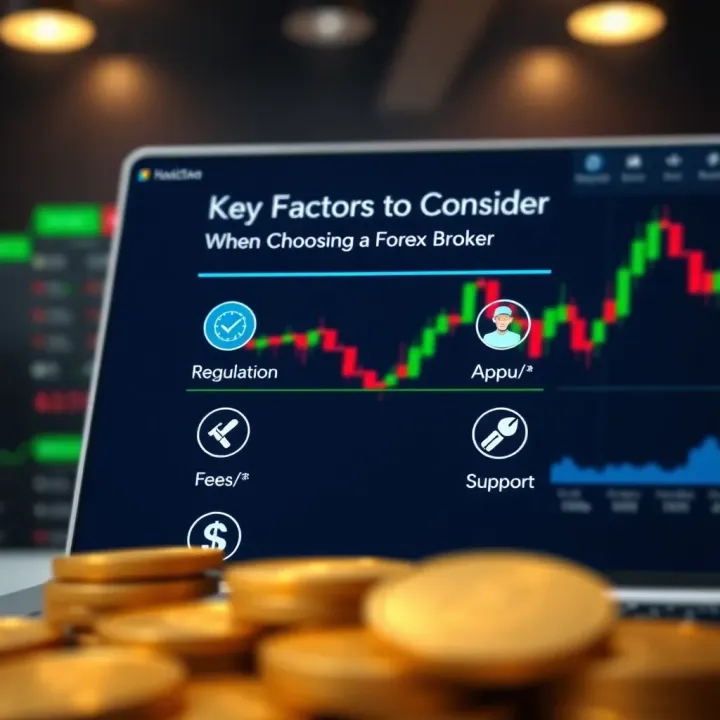
Choosing the right forex broker isn’t just about picking the one that offers the flashiest ads or the lowest promised spreads. In Pakistan, traders must look closely at a few core factors that shape their whole trading experience. These key criteria ensure safety, reasonable costs, and a trading environment that matches your style. Whether you’re new to forex or a seasoned hand, paying attention to these factors is like checking the car’s engine before a long trip.
Forex regulation might sound dull, but it acts as a safety net. In Pakistan, where local financial watchdogs keep a close eye on foreign exchange activity, dealing with regulated brokers minimizes risks of fraud or fund mishandling. Traders should keep an eye out for brokers who comply with Pakistani standards or at least follow reputable international regulations. For example, those registered with the Securities and Exchange Commission of Pakistan or subject to the rules of the Financial Conduct Authority (FCA) in the UK assure a layer of accountability.
Looking for regulated brokers means you’re less likely to face sudden withdrawal refusals or shady trading practices. It’s a straightforward way of making sure the broker operates transparently and protects your interests.
Several regulatory bodies carry weight globally and in Pakistan, too. Pakistan’s SECP is foundational, but many brokers use licenses from well-known authorities like:
Financial Conduct Authority (FCA) – UK
Australian Securities and Investments Commission (ASIC)
Cyprus Securities and Exchange Commission (CySEC)
Brokers regulated by these agencies must meet strict standards, maintain segregated client accounts, and submit regular audits. When scouting for a broker, verify their regulatory status on official registers. Not all brokers advertising regulatory compliance are genuine, so a quick double-check can save you headaches down the line.
At the heart of trading costs lie spreads and commissions. The spread reflects the difference between the buy and sell price of currency pairs. Brokers might offer variable spreads that widen during volatile market hours or fixed spreads that stay constant. For example, an average EUR/USD spread can be as low as 0.7 pips with brokers like XM but might stretch much wider with others.
Commissions, on the other hand, are direct fees charged per trade, commonly seen with ECN brokers who offer tighter spreads but add a small commission per lot traded. Understanding whether the broker charges spreads, commissions, or both is crucial because these costs nibble into your profits. It’s wise to calculate the total cost per trade before diving in.
Sometimes the headline spread or commission doesn't tell the full story. Brokers might tuck away fees in less obvious corners, like:
Withdrawal fees, especially for smaller amounts
Inactivity fees if you leave your account dormant
Overnight swap rates (rollover fees) for holding positions past trading hours
In Pakistan, where currency conversions and withdrawal methods vary, hidden fees can significantly impact your budget. Ask around or consult broker reviews to uncover these charges ahead of time.
Your chosen broker’s trading platform shapes how you analyze and execute trades. MetaTrader 4 (MT4) and MetaTrader 5 (MT5) remain industry staples due to their robustness, extensive tools, and ease of use. Many Pakistani traders stick to MT4 because it strikes a balance between functionality and simplicity.
Some brokers also offer their proprietary platforms or web-based options, which can be handy if you prefer trading straight from the browser without installations. Platforms like cTrader have surged in popularity for ECN trading, with in-depth charting and automation features.
If you rely heavily on mobile trading, check if the broker’s app is reliable and intuitive, offering smooth charting and order placement.
Beyond just choosing MT4 or another platform, consider the tools available. Does the broker provide:
Advanced charting options?
One-click trading?
Integrated news feeds?
Automated trading (expert advisors)?
A cluttered or sluggish platform can frustrate you during fast market moves. Brokers like IG and Forex.com offer quite polished interfaces with extensive research tools, handy for traders wanting more than just the basics.
Try demo accounts to get a feel of the platform’s responsiveness and toolset before committing real funds.
Brokers tailor account types to different trader profiles – beginners, retail, or professionals. For instance, a micro account with a $10 minimum deposit appeals to those testing the waters or with limited capital. On the other hand, VIP or premium accounts require higher deposits but offer benefits like tighter spreads, personal account managers, and faster withdrawals.
In Pakistan, budget prudence is key, especially when forex trading is more of a side hustle for many. Choosing an account type with a comfortable minimum deposit can prevent overextending and help manage risks better.
Reflect on your goals and start small if you’re new. Look for brokers offering multiple account options — that way, you can upgrade as you gain experience.
Picking a forex broker isn’t just a checklist task; it’s about combo of safety, cost-effectiveness, and ease of use tailored to your needs. Keeping these criteria in mind can help you build a trading foundation that lasts, even when markets throw curveballs.
When picking a forex broker, one can’t just rely on flashy ads or welcome bonuses. It’s about digging deeper to see how reliable and trustworthy the broker really is. In Pakistan, where forex trading is growing but regulation can be a tricky maze, checking a broker’s reliability becomes even more important. You want to avoid getting stuck with a broker who might vanish when you need them or one that doesn’t handle your money and trades fairly.
Knowing how to spot these qualities can save you from headaches and loss. Let's break down two key ways to evaluate broker reliability — paying attention to customer reviews and feedback, and checking if the broker operates with transparency and fair practices.
One of the simplest but often overlooked tools is customer feedback. Traders in Pakistan who have real experience with a broker can offer an unfiltered look into how that broker performs day-to-day. Their reviews often reveal things like withdrawal speed, platform stability, order execution, and how well the customer service team responds.
For example, if you see many complaints on forums or review sites about delayed withdrawals or unhelpful support agents, it’s a red flag. On the flip side, consistent praise about a broker like IG Markets for quick problem solving and clear communication can build confidence.
Remember, no broker is perfect. What matters is the overall trend in reviews: Are problems rare and handled professionally, or frequent and ignored? Pakistani traders should also factor in reviews about how well the broker handles local payment methods, which can differ significantly from other countries.
Trustworthy brokers don’t hide the ball on critical info such as fee structures, order execution methods, or how they manage client funds. Transparency means providing clear, accessible information without forcing you to hunt through hidden documents.
A good example is brokers that openly publish their spreads, swap rates, commissions, and any extra charges associated with trading. Also, confirming that the broker follows financial regulations and segregates client funds builds trust. These practices protect your money from being misused.
In Pakistan’s forex scene, brokers that adhere strictly to regulations set by authorities like the Securities and Exchange Commission of Pakistan (SECP) stand out. They usually provide regular updates and filings, showing they operate by the book.
Transparency is not just about honesty but about giving you enough clear info to make solid decisions—never settle for vague terms.
Fair business practices also mean no shady slippage tricks or stop-loss hunting. When brokers provide execution reports and let you track your trades clearly, that’s a sign they value fairness.
Checking a broker’s reliability through these lenses—real trader feedback and open, honest business behavior—arms Pakistani traders with the information needed to avoid scams and find a broker suited for long-term success.
Before diving into the nitty-gritty of trading, understanding how you’ll get your money in and out of your forex account is just as important as picking the right broker. Deposit and withdrawal procedures can make or break your trading experience, especially in Pakistan where payment options and local banking regulations play a big role. If your broker offers limited payment methods or charges hefty fees for moving funds, you might find yourself stuck when you want to react quickly to market movements. It’s about convenience, speed, and cost-effectiveness — all of which impact your trading strategy.
Bank transfers are often the go-to choice for many forex traders in Pakistan. They're typically reliable and secure, allowing large sums to move without the fuss of strict limits most digital wallets impose. But patience is key here — bank transfers can take anywhere from 2 to 5 business days depending on your bank and the broker's location. Services like Habib Bank Ltd. and MCB Bank are commonly used, and most brokers accept interbank transfers through SWIFT. However, the downside is that some banks may charge processing fees, so it's wise to check with your own bank beforehand.
E-wallets like Skrill, Neteller, and local popular methods such as JazzCash and Easypaisa have grown in popularity for forex traders in Pakistan. They offer quick deposits and withdrawals, usually within minutes or hours, which is a huge advantage if you want to get in or out of trades fast. Plus, they tend to have lower fees compared to traditional bank transfers. For example, a trader using JazzCash can fund their forex account instantly without visiting a bank branch. Still, be mindful of any withdrawal limits or conversion rates when dealing with foreign currencies.
Many brokers have started embracing local payment options tailored to Pakistani traders. These might include mobile money transfers, direct debit via Pakistani banks, or even cash deposits through authorized agents. Such local methods bring ease and flexibility, removing barriers for traders new to forex or those uncomfortable with international wire transfers. Using these options can simplify your experience, but always verify if your chosen broker supports these in Pakistan and whether the transactions come with additional fees.
How fast your funds move and what it costs can significantly affect your trading agility and profits. Deposits usually process faster than withdrawals, but expect variability. Bank transfers may lag behind e-wallets and online payment systems, sometimes delaying precious market opportunities. Moreover, fees for deposits and withdrawals vary widely: while some brokers absorb the costs, others make you foot the bill. For example, a local Pakistani trader might find that a bank transfer incurs a flat $25 fee, while using Skrill could cost 1.5% of the transfer amount.
Always ask your broker upfront about all possible fees and withdrawal times to avoid surprises when it matters most.
Ultimately, picking a broker that offers diverse, affordable, and efficient deposit/withdrawal options suited to Pakistani traders is not just a luxury but a necessity to keep your trading running smoothly.
Strong customer support and access to solid educational resources are the backbone of a good forex broker, especially for traders in Pakistan who may face unique challenges like language barriers and limited market experience. These elements aren’t just nice add-ons; they’re vital for navigating the fast-paced and often volatile world of forex trading. Without quick, clear help and easy-to-understand learning tools, even the most promising trading opportunities can slip through your fingers.
When your trading platform freezes or when unexpected things happen during market hours, you need a broker who picks up the phone, chats online, or responds to emails promptly. Pakistani traders should look for brokers offering round-the-clock customer support with local or regional agents who understand time zones and local banking systems. For example, brokers like XM or IQ Option offer 24/5 multilingual customer support, which is a big plus.
Avoid brokers with slow response times, because every minute counts in forex trading. Quick problem-solving can mean the difference between locking in profits or taking a loss. Also, check if they provide multiple ways to reach support — phone, email, live chat — so you can pick whatever suits you best.
Good brokers offer regular webinars and tutorials, which can be a game changer for Pakistani traders still getting their footing. These sessions break down complex market concepts into bite-sized pieces and cover topics from basic trading strategies to advanced technical analysis.
For instance, platforms like IG Markets offer free weekly webinars that help traders understand market trends and risk management, empowering you to trade smarter. Tutorials often come with step-by-step guides and video lessons which you can rewind and watch at your own pace — perfect if English isn’t your first language or if you want to practice strategies without financial risk.
Relevant, timely market analysis and research give traders an edge. Some brokers provide daily or weekly market briefs, live updates, expert commentary, and economic calendars, which can be invaluable for making informed decisions.
For example, brokers like Pepperstone supply detailed research reports and real-time news feeds, so traders can spot market-moving events well before they impact prices. Access to these resources helps Pakistani traders anticipate currency pair movements affected by geopolitical events or economic numbers, like Pakistan’s own import/export data or central bank announcements.
A broker’s educational and support services can be the difference between just surviving and thriving in forex trading. They ensure you’re never trading blind and always have help when you need it.
In summary, don’t just chase low fees or flashy platforms; factor in customer support quality and educational content. They’re the quiet heroes in your trading toolkit that keep you confident, informed, and ready to tackle the markets head-on.
Picking the right forex broker is a bit like finding a reliable mechanic—if you choose wrong, the consequences can cost you dearly. In Pakistan's forex market, where the landscape can be tricky due to regulatory nuances and local preferences, avoiding common pitfalls when selecting a broker isn't just smart; it's essential. Overlooking key factors can lead to losing money, wasting time, or even falling into scams. Below, we go over some of the classic mistakes traders often make and why steering clear of them will save you headaches down the line.
One of the biggest blunders you can make is ignoring whether your broker is properly regulated. Imagine trusting your money to someone who doesn’t have to play by the rules—that’s basically what happens if you choose an unregulated broker. In Pakistan, the Securities and Exchange Commission of Pakistan (SECP) plays a crucial role, and working with brokers licensed or overseen by recognized authorities like SECP, FCA (UK), or ASIC (Australia) adds an extra layer of protection.
For example, a trader named Ahmed started with a flashy broker offering jaw-dropping leverage and bonuses. Turns out, the broker had no regulatory backing and disappeared with his initial deposit. Cases like this highlight why checking a broker’s regulation isn’t just bureaucratic hassle but a necessary shield. Proper regulation means disputes can be addressed, your funds are safeguarded, and the broker must follow set operational standards.
Fees in forex trading come in many shapes and sizes—spreads, commissions, swap rates, and sometimes sneaky hidden charges. Ignoring or misunderstanding what you’re being charged is like buying a car without checking how much the fuel or maintenance costs.
Take Saima, who signed up with a broker advertising "zero spreads." But later she noticed fees on withdrawals, inactivity charges, and rollover costs that chip away at her profits. A clear fee breakdown upfront would have saved her from surprises. As a trader, always ask:
What are the spreads and are they fixed or variable?
Are commissions charged per trade or included in spreads?
Any account maintenance or withdrawal fees?
Getting this info early helps you forecast your trading costs realistically and avoid unexpected surprises that erode your earnings.
Bonuses are tempting—kind of like flashy neon signs saying, “Come trade with us!” But focusing only on bonuses without considering other factors is a rookie mistake. Many brokers offer sign-up bonuses, deposit matches, or free trades, but these often come with strings attached, like high minimum deposit requirements or restrictive withdrawal conditions.
I recall a colleague, Bilal, who chased a huge deposit bonus without checking the terms. He could only withdraw after trading a massive volume, which increased his risk unnecessarily. Bonuses can sweeten the deal but never base your broker choice solely on them. Instead, weigh factors like regulation, trading conditions, and support quality. The bonus is a nice cherry on top, not the entire cake.
Remember: A broker’s reliability, transparency, and suitability to your trading style are far more valuable than any temporary offer or bonus.
In short, avoiding these mistakes can keep you clear of trouble and set you on a path to more confident and successful forex trading in Pakistan.
Choosing the right broker in Pakistan can feel like navigating a maze, especially with so many brokers claiming to offer the best conditions. Understanding which brokers are popular among Pakistani traders isn't just about following the crowd; it's about finding brokers that fit local needs—think payment methods, customer support in local languages, and compliance with Pakistani regulations.
Being aware of popular brokers also helps traders tap into those with established reputations and proven service quality. For example, some brokers cater specifically to the South Asian market, like OctaFX and FXTM, both known for allowing deposits via local banks and offering educational resources tailored for Pakistani traders.
In Pakistan, several forex brokers stand out due to their service offerings and track records. Some top names include:
OctaFX: This broker gets a lot of attention because it supports deposits through local banks and offers competitive spreads. Additionally, their MetaTrader platforms are user-friendly, which is a big plus for beginners.
FXTM (ForexTime): Known for its variety of account types and a strong educational hub, FXTM lets Pakistani traders choose from different deposit methods including local e-payment options.
XM: With its global presence and regulatory approvals, XM provides tight spreads and decent leverage options. Many traders appreciate XM’s research tools that help make informed decisions.
HotForex: Renowned for its diverse range of accounts, HotForex offers flexibility, especially for traders who want both beginner-friendly and advanced features.
These brokers also support popular trading platforms like MetaTrader 4 and 5, which are crucial since Pakistani traders often seek software that’s reliable and familiar.
When comparing brokers, it isn't just about flashy bonuses or catchy ads. Here’s where you want to get nitty-gritty:
Spreads and Commissions: OctaFX tends to have lower spreads, sometimes as tight as 0.4 pips on major pairs, which is money saved right off the bat. XM and FXTM may charge small commissions but offer fixed spreads on most accounts.
Deposit and Withdrawal Methods: OctaFX and FXTM support bank transfers and local payment gateways like JazzCash, simplifying the funding process for Pakistani traders. Check withdrawal times too; faster is always better.
Leverage Options: Pakistani traders often prefer leverage ratios up to 1:500, which some of these brokers provide, but it's important to use leverage wisely because it can amplify both profits and losses.
Educational Resources: FXTM shines here with webinars and market analysis focused on emerging markets including Pakistan. HotForex also offers easy-to-follow guides aimed at new traders.
Customer Support: Accessibility is key. Brokers like XM and OctaFX offer support during local trading hours and sometimes provide assistance in Urdu, which definitely helps.
Keep in mind, a broker with low fees but poor support or limited deposit options might cost you more in stress and time than a slightly pricier but dependable broker.
Comparing these elements side by side can help you pick a broker that matches your trading style and practical needs, avoiding surprises down the road.
Opening an account with a forex broker is the first practical step for anyone eager to start trading in the dynamic forex market. This process might seem straightforward, but overlooking certain details can lead to delays or complications down the road. Understanding what’s involved ensures a smoother start and quicker access to live trading.
Every reputable forex broker requires a set of documents to comply with regulatory standards and prevent illegal activities like money laundering. Typically, these include:
Proof of Identity: A valid CNIC (Computerized National Identity Card) or passport for Pakistani traders is the most common form. This establishes who you are.
Proof of Address: Recent utility bills, bank statements, or official government letters showing your residential address. Some brokers ask for documents dated within the last three months.
Financial Information: Some brokers may ask about your source of income or trading experience to assess risk suitability.
For example, if you try to open an account with XM or IC Markets, you'll notice they require scans of your documents uploaded via their secure portal. This verification step can take anywhere from a few hours to several days. A common hiccup is uploading photos that are blurry or cut off details, which complicates the process.
Tip: Before submitting, double-check your scans or photos to ensure they are clear and all necessary details are visible.
Navigating the account opening process without hiccups can save you precious time and frustration. Here are some practical tips:
Prepare Documents Ahead: Don’t wait until the last minute. Have digital copies of your documents ready in the correct format (usually PDF or JPEG).
Use Accurate Personal Details: Match the info exactly as it appears on your official documents. Even minor discrepancies in spelling or formatting can delay verification.
Start with a Demo Account: Most brokers offer demo accounts allowing you to practice first. This also doubles as a trial run for their platform, helping you identify any questions before committing real funds.
Be Patient but Proactive: Verification times vary. If it drags on longer than promised, reach out to customer support for status updates.
Select Account Type Wisely: Brokers like FXTM and Exness offer multiple account types catering to different levels of traders. Be sure to pick the one matching your capital and trading goals to avoid complications later.
Setting up your account isn't just ticking boxes—it's laying a solid foundation for your trading journey. Being thorough upfront reduces headaches later; think of it like preparing your trading kit before hitting the field.
By carefully gathering the right documents and following these tips, Pakistani traders can speed up the onboarding process and start trading with confidence, knowing they've chosen a broker that respects regulations and values security and transparency.
Before pouring your hard-earned money into a forex broker’s account, it’s wise to run some tests to see if they’re truly the right fit. Testing a broker helps you avoid surprise fees, sluggish trade executions, or platform hiccups—issues that could turn your trading experience into a headache. This step is particularly important in Pakistan, where market conditions and broker offerings can vary.
Choosing to test a broker first offers a practical way to gauge whether their services align with your trading goals and style without risking real capital. It’s your chance to uncover any hidden quirks or potential snags early on. Below, we break down how to make the most of demo accounts and why monitoring execution speed and spreads should be at the top of your checklist.
Demo accounts act like training wheels for forex traders, especially newcomers in Pakistan’s forex market where conventions and broker reliability differ. These accounts let you practice actual trading on a platform that mimics real market conditions without using real money. But to get the most out of a demo account, you need to use it like the real deal—not just for clicking around.
First, treat the demo account as your playground for testing out various order types (market, limit, stop orders), charting tools, and risk management features such as stop losses and take profits. Notice how the platform behaves during volatile sessions—does it freeze or lag? Does placing an order feel quick or sluggish? Also, test the broker’s withdrawal and deposit feature if possible in demo mode, to confirm you're comfortable.
For example, if you’re trading the volatile USD/PKR pair, try placing trades during high-activity times to see how the platform responds. If your demo trades consistently execute near the quoted prices, that’s a good sign. However, if the platform action feels clunky or delayed, it could mean trouble down the line.
Execution speed and spread are two practical indicators of broker quality that often get overlooked but can erode profits quickly. Execution speed is how fast your market orders get processed. A slow broker can cause you to enter or exit trades at worse prices, especially during fast-moving markets.
Keep an eye on the "slippage"—the difference between the expected price of a trade and the price at which it fills. High slippage in your demo trades signals you might face similar issues with real money.
Spread is the broker’s cut, shown as the gap between buying and selling prices. Some brokers advertise ultra-tight spreads but add commissions or fees later, so test this on demo as well. See how spreads change during different market hours and whether the broker’s fees fit your trading style. For long-term traders, wider spreads can quietly chip away at gains over many trades.
In Pakistan’s forex market, brokers like XM or IC Markets tend to offer competitive spreads and reasonable execution speeds, but your personal testing will confirm if they perform well for your trading strategy.
Remember, testing your broker before committing isn’t a one-time thing. Periodic checks can reveal if a broker’s service has changed, ensuring you always trade under conditions you’re comfortable with.
In essence, try the demo and monitor execution details closely before putting real money on the line. It is your best defence against unpleasant surprises once you start live trading.
Understanding the legal and tax framework surrounding forex trading in Pakistan is vital for any trader eager to stay on the right side of the law and avoid unexpected penalties. Navigating these waters can be tricky because forex trading intersects with financial regulations, taxation policies, and sometimes ambiguous local practices. For Pakistani traders, knowing how government rules apply in the world of forex not only ensures compliance but also helps in planning profitable trading strategies without sudden hiccups.
Pakistani forex traders operate under a regulatory environment governed primarily by the State Bank of Pakistan (SBP) and the Securities and Exchange Commission of Pakistan (SECP). One key rule is that forex brokers offering services in Pakistan should be registered and compliant with these bodies. Many international brokers accept Pakistani traders, but traders need to ensure these brokers do not breach any local financial regulations.
Pakistan’s regulations typically restrict direct access to foreign exchange markets, so many traders use international brokers, which introduces complexity. For example, SBP limits the funds that can be sent abroad for trading, making the choice of payment and withdrawal methods a critical consideration. Additionally, local banks often monitor large or unusual transactions to detect potential breaches of foreign exchange controls.
It’s always best practice to double-check whether the broker is allowed to legally operate with Pakistani clients; lacking this, you risk running into issues with payment processing or even legal troubles.
Taxation on forex trading profits in Pakistan is another area where traders often stumble. The Federal Board of Revenue (FBR) expects earnings from forex trading to be declared as part of taxable income. However, the specifics can be confusing because forex profits are typically treated as speculative income rather than regular salary or business earnings.
Traders must keep detailed records of all trades, including dates, amounts, gains, and losses. This documentation supports accurate tax filing and helps if any questions arise during tax audits. In practice, a trader generating steady profits should consult a tax professional familiar with forex trading to avoid misreporting.
In some cases, taxation might apply at a flat rate, or profits may be bundled into the individual’s overall income and taxed according to general income tax slabs. Knowing the difference can save a trader from overpaying taxes or facing penalties later on.
For example, if a trader earned PKR 500,000 from forex trading in a tax year, they should report it clearly and calculate taxes based on the relevant slab or specific rules related to speculative income, whichever is applicable.
To wrap it up, Pakistani forex traders must be aware of the legal boundaries set by financial authorities and maintain good tax practices to avoid complications down the line. Staying informed about these aspects helps traders focus on what matters most — making smart trades without losing sleep over legal or tax troubles.
Choosing the right forex broker is more than just ticking off a list of features; it’s about matching the broker’s offerings to your personal trading habits and staying vigilant over time. The ultimate goal is to create a smooth, transparent, and reliable trading experience, especially in a market like Pakistan where local nuances and regulatory landscapes come into play. This section wraps up the whole process with some practical advice to keep in mind as you move forward.
Not every broker suits every trader, so it’s essential to align your choice with your trading style. For example, if you’re a scalper who thrives on quick, tiny price movements, a broker with ultra-fast execution speeds and tight spreads, like IC Markets or Pepperstone, will fit better. On the flip side, if you prefer longer-term swing trades, you might prioritize brokers that offer robust research tools and analytics, such as Saxo Bank or FxPro.
Consider your trading volume and how often you trade. Some brokers might have lower fees, but higher minimum deposits or limited account types that could box you in. For instance, if you’re a newbie with a small account, start with brokers offering micro accounts and low minimum deposits. Pakistani traders might find Alpari or XM useful because they cater well to beginners and provide easy access to Pakistani rupee accounts.
Also, look at the platforms offered—MetaTrader 4 might feel like an old friend for many, but some newer brokers are offering platforms with extra features like social trading, which could be a plus if you learn by watching others.
Choosing a broker isn’t a one-and-done task. Markets shift, regulations tighten, and brokers sometimes change policies or their fee structures. That’s why keeping an eye on your broker's performance is crucial. Track how quickly your trades get executed and whether spreads or commissions have snuck up on you. If a broker’s withdrawal process suddenly takes longer or they start charging hidden fees, it’s a red flag.
Stay plugged into forex forums and local trading communities in Pakistan to get firsthand feedback about brokers in real-time. Some users might share experiences about sudden platform glitches or poor customer support that you wouldn’t find through official channels.
Periodically, revisit your initial expectations to see if your broker still fits your needs. If not, don’t be afraid to shop around and test other brokers with demo accounts. Remember, shifting brokers is a hassle if ignored too long and can cost you both time and money.
Pro tip: Set a monthly reminder to review your broker’s service quality. It’s a simple habit that could save you major headaches down the line.
In summary, pick a broker that feels like a good fit for the way you trade, then keep tabs on their performance so you don’t get caught off guard by industry or policy changes. By doing these two things, you build a safer and more effective trading journey tailored perfectly for your goals and preferences in Pakistan’s evolving financial environment.
🔍 Looking for the best forex trading broker in Pakistan? Learn about top features, fees, platforms & support to trade confidently and securely 💼📊

Find the best forex broker in Pakistan 🇵🇰 with our guide covering regulations, platforms, fees, local payments, and expert tips for smarter trading.
Discover top forex trading apps for Pakistan 🇵🇰. Learn key features, security tips 🔒, and how to boost your trading success with the right platform.
Explore how to pick the best Forex trading platform in Pakistan 💹. Learn about key features, security, regulations, and tips for beginners to trade smart.
Based on 8 reviews