
Is Forex Trading Halal or Haram? Islamic Views Explained
Explore if forex trading is halal or haram under Islamic law 📈. Understand concepts like riba, gharar, and get practical guidance for Pakistani investors.
Edited By
William Harris
Cryptocurrency trading has sparked a lot of debate among Muslims, especially in Pakistan, where people actively seek to ensure their financial actions comply with Shariah law. The core question is simple: Is crypto trading halal (allowed) or haram (forbidden)? The answer isn't straightforward because Islamic finance principles were developed long before digital currencies came into existence.
To assess whether crypto trading fits within Islamic guidelines, we first need to understand the nature of cryptocurrencies. Unlike traditional money backed by governments, cryptocurrencies like Bitcoin, Ethereum, or Ripple operate on decentralised blockchain technology. They do not have intrinsic value like gold or secured assets; their worth largely depends on market demand and supply, which causes high volatility.
Islamic scholars evaluate crypto trading mainly on these criteria:
Certainty and clarity: Money must represent clear ownership and value.
Avoidance of interest (riba): Transactions should not involve unjust or guaranteed gains.
No excessive uncertainty (gharar): Contracts should be free from ambiguous or speculative elements.
No gambling (maysir): Avoid trading that depends purely on chance or luck.
Many contemporary scholars disagree on cryptocurrencies. Some see them as a digital asset permissible for trading, provided the transactions are transparent and avoid forbidden elements. Others argue the extreme price swings and speculative behaviour resemble gambling, making crypto trading haram.
"Considering the non-tangible nature and price instability of cryptocurrencies, caution is recommended, especially to avoid transactions involving unjust gains or high-risk speculation."
Pakistani traders should weigh these perspectives carefully. Understanding the risks involved is crucial, as rapid price movements can lead to substantial losses. Furthermore, some experts recommend focusing on cryptocurrencies that have tangible use cases or are backed by assets, rather than purely speculative coins.
In the following sections, we will break down diverse scholarly opinions, risks involved, and practical tips to help you make an informed decision. This will be particularly useful for investors, brokers, and financial analysts in Pakistan aiming to align their crypto activities with Islamic teachings.
Understanding cryptocurrency and how its trading mechanism works is essential for anyone looking to navigate this digital financial space responsibly. Given the rapid growth of cryptocurrencies across the globe, particularly in Pakistan where awareness is rising, grasping these basics helps in assessing whether trading activities align with Islamic financial principles.
Cryptocurrencies are digital assets secured by cryptography, making them difficult to counterfeit or double-spend. They operate on blockchain technology—a decentralised ledger where all transactions are recorded transparently and immutably. Bitcoin, launched in 2009, marked the first successful cryptocurrency, paving the way for thousands more.
Unlike traditional currencies issued by central banks, cryptocurrencies are not controlled by any single authority. They are created through a process called mining or minted by pre-set protocols, depending on the coin. This decentralisation gives freedom from government interference but also introduces regulatory uncertainties.
Traditional money, such as the Pakistani Rupee (PKR), is legal tender backed by government guarantees. Physical assets like gold, land, or stocks have intrinsic tangible or productive value. In contrast, cryptocurrencies generally lack physical form and rely on widespread acceptance and network security for their value.
This difference matters for investors who consider the underlying value when making investment choices. For example, gold has stood the test of time as a store of value, but Bitcoin’s value fluctuates heavily based on market sentiment and adoption rates rather than physical reserves.
Crypto trading involves buying and selling digital coins mainly through online platforms called exchanges. Popular exchanges like Binance and Kraken allow users to convert fiat currency into cryptocurrencies or swap different coins. Users create accounts, complete identity verification, and then place buy or sell orders.
For instance, a trader might buy Bitcoin when prices dip, aiming to sell when it rises to make a profit. Exchanges show real-time price charts and order books that reflect buyer and seller activity. However, these markets operate 24/7 unlike traditional stock markets.
Speculation plays a significant role in crypto trading. Prices can swing wildly within minutes due to varying demand, news, or regulatory announcements. This volatility offers both high profit potential and significant risk.
Consider Bitcoin’s price history—in 2017, it surged from around $1,000 to nearly $20,000, then dropped sharply. Such unpredictable changes challenge traders to manage risk carefully.
Traders in Pakistan should be particularly mindful of this volatility and ensure they are not engaging in reckless speculation that resembles gambling, which is not permissible under Islamic law.
Understanding these dynamics is the first step before considering crypto trading from a Shariah-compliant perspective. Knowing how cryptocurrencies function and what drives their market movements helps evaluate whether the activity fits ethical and religious boundaries.
By focusing clearly on these basics, Pakistani readers can better appreciate the debates around crypto trading’s status as halal or haram and make informed decisions aligned to their values.
Islamic finance operates on clear principles that differentiate halal (permissible) from haram (forbidden) financial activities. Understanding these rules is essential for Muslims considering crypto trading, as they help ensure investments align with Shariah guidelines. These principles mainly concern fairness, transparency, and ethical considerations, which aim to protect both individuals and the wider community.
Riba, or interest, is strictly forbidden in Islam because it leads to unjust enrichment and exploitation. Practically, this means earning money just by lending funds or holding debt is not allowed. In trading, transactions should be based on actual goods, services, or risk sharing, not on interest-bearing loans or guaranteed returns. For example, a trader cannot profit simply by charging interest on deferred payments.
Gharar refers to situations where contracts or transactions have excessive uncertainty or ambiguity about the subject matter or terms. Islam discourages such risks because they can lead to disputes and unfair loss. Applied to trading, this means contracts need to be clear regarding price, quantity, and delivery. For example, contracts that speculate wildly without sufficient information or that involve opaque terms could violate this principle.
Maysir involves earning money through games of chance where the outcome depends on luck, not effort or skill. Islam forbids gambling as it exploits uncertainty and promotes harm. In financial markets, practices resembling gambling—like betting on unpredictable price swings without underlying asset ownership—may be deemed haram. For instance, extreme day trading or margin trading with high leverage often share features with gambling and are viewed critically.
Islamic finance employs specific contracts, such as Murabaha (cost-plus financing), Mudarabah (profit-sharing), and Salam (advance purchase), which emphasise transparency and risk sharing. These contracts discourage exploitative gains and ensure parties act ethically. Applying these types of contracts to crypto trading means focusing on transactions backed by real assets or services, avoiding speculative trading, and ensuring clear agreement terms.
In traditional markets, certain products are structured to comply with Islamic rules. For instance, Islamic banking offers profit-and-loss sharing investments instead of interest accounts. Stocks of companies engaged in prohibited activities (e.g., alcohol, gambling) are avoided. Similarly, Shariah-compliant investment funds follow screening criteria to exclude haram activities. These models provide a framework Pakistani crypto traders can consider, aiming for investments that avoid interest, gambling, or excessive uncertainty.
Clear understanding and adherence to Islamic finance principles can help navigate the crypto space responsibly, ensuring trading methods stay within halal boundaries.
This section sets the groundwork to critically evaluate how crypto trading measures against these fundamental principles, guiding Pakistani Muslims towards informed and principled financial decisions.
Understanding the varied scholarly opinions on cryptocurrency trading helps Muslims navigate its permissibility according to Islamic law. This section captures the diverse arguments that influence how crypto trading is viewed within Islamic finance, offering practical insights for traders and investors aiming to comply with Shariah principles.
Recognition of cryptocurrencies as assets: Some scholars argue cryptocurrencies meet the basic criteria to be considered assets. Like gold or foreign currency, cryptocurrencies are tradeable and hold value in real markets. This recognition means trading them can be legitimate, provided transactions avoid forbidden elements such as interest (riba) or gambling (maysir). For example, bitcoin has gained acceptance among certain Islamic scholars because it functions as a digital asset without fixed supply or central issuance, which resembles commodity trading.
Use of cryptocurrencies in trade and commerce: Another point favouring permissibility is that cryptocurrencies have practical use cases in buying and selling goods or services. In nations like Pakistan, several businesses now accept payments through mobile wallets backed by crypto. This real-world utility suggests crypto can act as a medium of exchange, which aligns with accepted Islamic trade practices. When cryptocurrencies are used for legitimate commerce rather than mere speculative trading, they are more likely to be considered halal.
Concerns about uncertainty and speculation: A major concern is gharar, or excessive uncertainty, inherent in crypto markets. Price swings can be sudden and severe, resembling gambling more than investment. This unpredictability worries scholars because traders may suffer significant losses driven by speculation rather than intrinsic value. Such conditions might render crypto trading haram, especially when individuals engage in day trading or margin trading that multiplies risks.
Lack of intrinsic value and regulatory issues: Critics also highlight that cryptocurrencies lack inherent backing or intrinsic value like gold or fiat currencies supported by governments. Combined with weak regulatory frameworks, this absence raises doubts about the stability and ethical soundness of crypto assets. Without clear regulation from authorities such as the State Bank of Pakistan or Pakistan Telecommunication Authority (PTA), crypto trading may expose Muslims to uncertain and potentially unlawful dealings.
Importance of intent and trading methods: Islamic scholars emphasise that a trader’s intent and method greatly affect permissibility. Trading cryptocurrencies as a means of lawful commerce or saving wealth differs from engaging in risky speculation or gambling. If the intent aligns with economic participation and avoids forbidden elements, crypto trading may be permissible. For instance, holding bitcoin as a store of value without engaging in excessive speculation could meet this condition.
Ensuring compliance with Islamic ethical standards: Compliance with broader Islamic principles like fairness, transparency, and avoiding harm is critical. Traders must use regulated platforms that ensure honest dealings and avoid fraud. Participating in Shariah-compliant crypto investments—such as projects screened by Islamic finance experts—helps maintain ethical trading. This approach protects investors from exploitation and aligns crypto trading with Islamic values.
Islamic jurists do not have a unanimous stance on cryptocurrencies, but most agree that careful consideration of contract terms, risk, and intent is essential for determining halal or haram status.
By weighing these scholarly views, Muslim traders can find guidance tailored to their circumstances and the evolving financial landscape in Pakistan and beyond.
Risk management and ethical behaviour matter a lot in cryptocurrency trading, especially for Muslim traders. The volatile nature of crypto markets and the fine line between speculation and gambling require careful attention. Without clear guidelines, traders may inadvertently expose themselves to losses or engage in actions that contradict Islamic financial principles.
Cryptocurrency prices can change drastically within hours, sometimes minutes. This unpredictability exposes traders to sudden losses. For example, Bitcoin might drop 20% in a day due to news, causing sharp financial harm to those holding or trading it. Such severe fluctuations create uncertainty, which Islamic teachings generally discourage because it resembles gharar—excessive uncertainty or risk.
Many Pakistani traders invest savings or money meant for essential needs into crypto markets. When the market swoons unexpectedly, it can wipe out those funds, leading to personal hardship. Unlike traditional investments regulated by institutions, crypto trading risks often fall entirely on individual traders. This can result in debt or financial stress, something Islam advises against. Hence, prudence and safeguarding one’s financial security must come first.
Rapid buying and selling, known as day trading, pushes crypto trading into speculative territory. It depends heavily on short-term market moves, often resembling gambling more than investing. Islamic finance forbids maysir, which includes gambling or games of chance. Engaging in excessive speculation without a solid basis goes against this principle and raises ethical concerns for Muslim traders.
Many platforms offer leverage, allowing traders to borrow funds to trade larger amounts than they own. While this can increase profits, it also amplifies losses, sometimes beyond the initial investment. Using leverage resembles gambling since it exposes traders to risks they may not fully control. Islamic scholars typically discourage or forbid such practices to avoid unjust loss and uncertainty.
Selecting crypto exchanges regulated by reputable authorities helps ensure fairness and security. In Pakistan, the State Bank’s stance and any FBR regulations should guide traders’ choices. Unregulated or shady platforms may be prone to fraud or sudden closures, which could lead to financial loss. Transparency about fees, security measures, and trading conditions fosters trust and reduces risks.
Some cryptocurrencies and platforms claim compliance with Islamic finance principles, avoiding interest and excessive uncertainty. These options focus on transactions backed by tangible assets or services. For example, certain tokens represent ownership in halal businesses rather than pure speculation. Choosing such options helps Muslim traders align their investments with religious ethics while still participating in the crypto economy.
Traders should balance the appeal of crypto markets with cautious, ethical decisions that protect their financial and spiritual well-being.
This approach makes crypto trading more than a gamble—it becomes a considered activity respecting Islamic principles and practical realities.
When thinking about crypto trading in Pakistan, it's vital to base your decisions on solid information and respect for both Islamic guidelines and local regulations. This section offers straightforward advice to help you navigate the choppy waters of the crypto market while ensuring your investments stay within ethical and legal boundaries.
Before putting your money into cryptocurrencies, you should fully understand how the market operates. The crypto market, known for its fast price swings and speculative nature, requires more than just a hunch or tip from a friend. For example, many people in Pakistan rushed to buy Bitcoin or Ethereum without grasping fundamentals like market cycles or risk factors, sometimes leading to significant losses. Taking the time to research means reading market trends, following crypto news, and understanding basic concepts such as liquidity and token utility. This cautious approach helps you avoid hasty decisions that often resemble gambling, which Islam disallows.
The regulatory landscape in Pakistan concerning cryptocurrency is still evolving. The State Bank of Pakistan (SBP) has warned against dealing in cryptocurrencies directly due to risks and lack of protection. Meanwhile, the Federal Board of Revenue (FBR) has started considering tax rules on crypto-related earnings. Keeping track of these developments is crucial. For instance, if SBP issues new guidelines or allows certain crypto activities under controlled conditions, staying informed helps you comply and avoid legal trouble. Likewise, reporting your crypto income correctly to FBR avoids penalties. Therefore, monitor official announcements and rely on reputable news sources to align your trading practices with Pakistani law.
Islamic scholars who specialise in financial matters provide tailored advice on whether specific crypto activities conform to Shariah principles. Since the topic is complex and opinions vary, consulting recognised authorities helps clear doubts. Imagine a trader unsure if day trading on high volatility tokens counts as gambling—scholarly guidance can clarify this. Reach out to scholars associated with reputable Islamic finance institutions or experienced muftis familiar with modern financial products for credible advice.
While Islamic rulings matter greatly, you also need to consider your economic objectives realistically. A pure religious perspective might discourage risky ventures altogether, but financial experts can help you integrate this guidance with practical investment strategies. For example, combining Shariah-compliant funds with modest crypto exposure could balance ethical concerns and growth potential. This balance ensures you don’t forsake religious obligations while responsibly pursuing financial stability.
Instead of diving headlong into volatile crypto markets, explore safer, compliant alternatives within Pakistan. There are Islamic mutual funds, sukuk (Islamic bonds), and equity investments screened for Shariah compliance. These options often provide steady returns with lower risk and come under clearer regulatory supervision. You could invest in a fund offered by major Pakistani banks or an asset management company focusing on Islamic portfolios.
One practical path is to use cryptocurrencies primarily as a payment method, rather than a tool for quick profits. Some Pakistani merchants and platforms accept crypto for goods and services, which fits better with Islamic principles as it involves genuine trade and avoids excessive uncertainty. By utilising crypto as a currency rather than a gamble, you reduce ethical concerns and contribute to its utility in everyday transactions.
Careful research, respect for Islamic laws, and awareness of Pakistan’s regulatory climate create the groundwork for responsible crypto engagement.
This approach benefits Pakistani traders aiming to stay within religious and legal limits while navigating an often risky market.
Explore if forex trading is halal or haram under Islamic law 📈. Understand concepts like riba, gharar, and get practical guidance for Pakistani investors.
📊 Discover the top crypto trading indicators to navigate volatility with confidence. Learn which tools traders trust most for smart decisions in crypto markets.
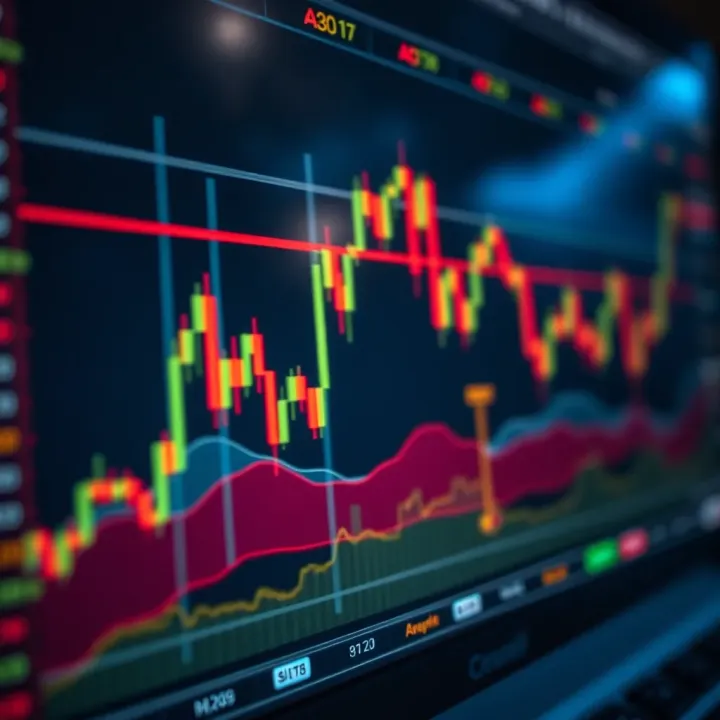
Discover top crypto trading indicators 📊 that suit your style. Learn how to choose and combine tools for smarter trading decisions in Pakistan's market.
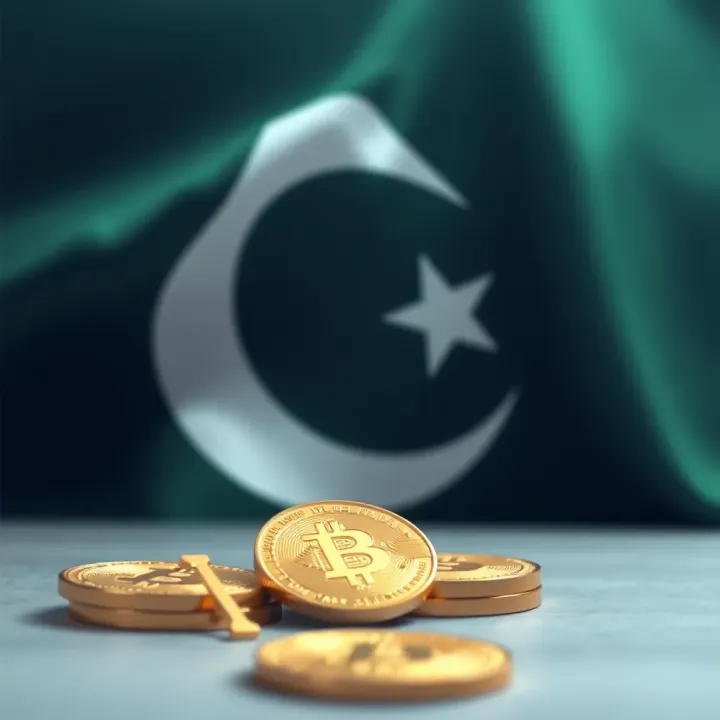
Unlock key insights on crypto trading in Pakistan 🇵🇰. Learn how to start, understand risks, regulations, and tools to trade confidently in the local market 📈.
Based on 9 reviews