

Benefits of Risk Management for Pakistani Businesses
📊 Discover how risk management in Pakistan businesses cuts losses, boosts smart decisions, saves costs, ensures compliance, and builds a stronger reputation.
Edited By
Thomas Walker
Operational risk is a reality every Pakistani business faces regularly, yet many underestimate its impact on day-to-day operations and long-term success. Unlike market or credit risk, operational risk stems from internal failures or external disruptions — like a software glitch in accounts, a fraud incident by staff, or even power outages disrupting production during peak hours.
Understanding operational risk means recognising the various sources that can trigger losses or reputational damage. These include:
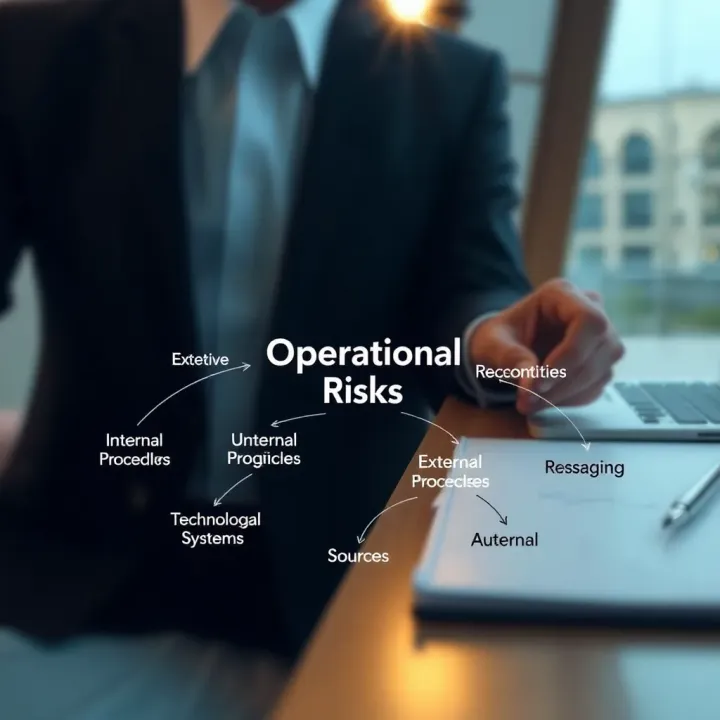
Errors in internal processes, such as incorrect transaction entries or delayed approvals
Human actions, including negligence, fraud, or inadequate training
System failures caused by IT breakdowns or cyberattacks
External events like natural disasters or regulatory changes that catch businesses off guard
In Pakistan, the frequency of loadshedding, cybercrime risks, and evolving regulatory demands make the operational risk landscape unique. For example, a textile factory in Faisalabad can suffer significant losses if machinery halts unexpectedly due to inconsistent power supply, causing delivery delays and contract penalties.
Effective operational risk management isn’t just about avoiding losses — it ensures smoother workflows, protects profits, and builds trust with stakeholders.
The regulatory authorities like the State Bank of Pakistan (SBP) and Securities and Exchange Commission of Pakistan (SECP) mandate robust risk frameworks for financial institutions and listed companies. These regulations encourage Pakistani businesses to identify, measure, and mitigate operational risks systematically.
Practical approaches include:
Risk identification and assessment: Mapping key risk areas across departments, such as auditing transaction processes or IT system checks.
Control measures: Introducing safeguards like dual authorisation for payments to reduce fraud chances.
Staff training: Regular sessions that refresh employees on compliance and operational procedures.
Technology adoption: Implementing risk monitoring software or backup power solutions to reduce vulnerabilities.
By embedding these practices, businesses can stay ahead of operational challenges specific to the Pakistani context. This focus helps not only in preventing losses but also maintaining competitive edge as regulatory scrutiny and market demands grow.
Understanding and managing operational risk effectively is more than a corporate duty — it’s a strategic necessity in Pakistan’s fast-evolving business environment.
Understanding operational risk is vital for Pakistani businesses to maintain smooth day-to-day operations and safeguard assets. This type of risk stems from internal processes, people, systems, or external events that disrupt business activities. Recognising these risks helps companies prevent losses while improving efficiency and compliance. For example, a textile factory in Faisalabad might face operational risk from machine breakdowns or workforce strikes, which directly affect production and profitability.
Operational risks vary widely but generally fall into several categories: system failures, human errors, fraud, process inefficiencies, and external events. In a small banking branch, risks could include errors in data entry, IT outages, or theft by employees. Meanwhile, a logistics company might struggle with route disruptions or inadequate vehicle maintenance. Each business faces a unique blend of these risks, so understanding the specific types is necessary for effective management.
Ignoring operational risks can lead to substantial financial losses, regulatory penalties, and damage to reputation. For instance, a retail chain that fails to secure customer data properly might face fines from the Pakistan Telecommunication Authority (PTA) and loss of customer trust. Moreover, operational lapses can cause cascading effects, such as delayed deliveries harming client relationships or equipment failure leading to significant downtime.
Operational risk differs from financial and market risks as it does not involve direct exposure to market fluctuations or credit defaults. While market risk relates to changes in stock prices or currency rates affecting investment portfolios, operational risk arises from internal weaknesses or external shocks unrelated to market movements. For example, even if the stock market is stable, a brokerage firm might suffer losses due to system errors in trade execution.
Operational risk often overlaps with compliance and reputational risks. Non-compliance with regulations such as those from the State Bank of Pakistan (SBP) leads to operational breaches. Similarly, operational failures causing service interruptions or poor customer service can hurt reputation and brand loyalty. A telecom provider suffering repeated outages during peak hours not only risks regulatory fines but also weakens its standing among customers.
Understanding operational risk clearly distinguishes a company’s internal vulnerabilities from broader financial uncertainties, enabling tailored strategies that reduce losses and build trust.
In summary, grasping the business context of operational risk equips Pakistani companies to tackle specific threats effectively, safeguard assets, and ensure regulatory alignment. This foundation is essential before moving to risk identification and management practices tailored to the local business environment.
Operational risks in Pakistani businesses mainly arise from weaknesses in internal systems, human errors, and external events. Understanding these common sources helps companies anticipate problems and put safeguards in place. Focusing on these risks is especially relevant in Pakistan’s challenging business environment, where inefficiencies and external factors frequently affect daily operations.

Process inefficiencies and errors can seriously disrupt operations. For example, in manufacturing units in Faisalabad, outdated manual processes often lead to delays, mistakes in inventory management, or production bottlenecks. These inefficiencies not only increase costs but also put pressure on meeting delivery deadlines, affecting customer satisfaction.
Similarly, errors in accounting or procurement systems, such as duplicate invoices or missed purchase orders, are common risks. Such slip-ups lead to financial losses or strained supplier relationships. Pakistani businesses operating with limited automation face these problems regularly, making process optimisation vital.
Technology and infrastructure challenges also contribute heavily to operational risks. Many enterprises rely on ageing IT setups with minimal backup systems, vulnerable to outages or cyberattacks. A small retail chain in Karachi might lose daily sales data due to a server failure, disrupting business and causing data recovery expenses.
Infrastructure issues like inconsistent internet speeds or power outages (loadshedding) exacerbate these risks. For example, a call centre in Lahore may struggle to maintain client communications during frequent electricity cuts, hitting both productivity and reputation. Investing in reliable technology solutions and contingency plans is essential to reduce such vulnerabilities.
Employee errors and fraud remain significant concerns. Operational mistakes can range from simple data entry errors in banks to complex fraud schemes in supply chains. A textile mill might encounter inventory theft or embezzlement due to insufficient staff oversight.
Besides direct losses, these incidents damage internal trust and require expensive investigations. Businesses without strong controls and ethics training are more exposed, making staff vetting and awareness programs necessary risk management tools.
Leadership and culture issues set the tone for operational risk exposure. In many Pakistani firms, hierarchical management and weak communication create silos where risk information fails to flow upwards. For instance, frontline staff might observe process faults but hesitate to report them fearing backlash.
Poor leadership also means slower response to changing regulations or market conditions. Cultivating a transparent, risk-aware culture encourages early identification and resolution of problems, which is particularly beneficial given Pakistan’s frequently shifting business landscape.
Political and regulatory changes impact operational stability. The sudden introduction of new tax rules by the Federal Board of Revenue (FBR) or amendments in labour laws often catch businesses off guard. For example, a manufacturing unit that does not quickly adapt payroll systems loses compliance, risking penalties.
Besides laws, political unrest or policy unpredictability adds uncertainty. Pakistani exporters might face delays due to customs hold-ups during strikes or shifts in trade policies, impacting supply chains and costing foreign clients.
Natural disasters and load-shedding impacts represent unavoidable external risks. Floods in Sindh or severe heatwaves can damage facilities or interrupt logistics. Similarly, the common load-shedding schedule disrupts manufacturing and service operations.
For retail outlets during peak sales seasons, power cuts can mean lost sales and frustrated customers. Preparing for such events through emergency planning and backup power solutions can keep businesses running amidst disruptions.
Understanding these risk sources helps Pakistani organisations build targeted risk management strategies that protect profitability and maintain business continuity in a demanding environment.
A solid operational risk management framework is essential for Pakistani businesses to systematically identify, assess, and control risks. Such a framework helps businesses reduce unexpected losses and strengthens their ability to respond to challenges like process errors, fraud, or external disruptions such as loadshedding. The aim is to embed risk management into daily operations, making it a continuous, manageable activity rather than a sporadic effort.
Risk mapping and heat maps provide a visual representation of potential problem areas within a company. These tools categorise risks based on their likelihood and potential impact, allowing decision-makers to prioritise attention and resources. For example, a textile factory in Faisalabad may use a risk heat map to show that machine breakdowns and supply chain delays are high-risk areas deserving urgent mitigation plans.
Internal audits and control reviews act like a regular health check for business processes. They evaluate whether controls are effective and if procedures are correctly followed. During a review, a company’s finance department might uncover weaknesses in invoice processing that could lead to fraud or loss. Identifying these gaps early helps plug holes before they cause damage.
Process automation and standardisation reduce human error by making tasks consistent and less reliant on manual handling. For instance, a bank automating its loan application process with software reduces errors in data entry and speeds up approvals. Standardising these processes also ensures that staff follow the same steps every time, reducing unpredictable outcomes.
Staff training and fraud prevention are critical since human factors often cause operational risks. Regular training sessions educate employees on spotting fraud, handling data securely, and following compliance. A Karachi-based call centre, for example, might run periodic workshops to prevent social engineering attacks that target customer information.
Key risk indicators (KRIs) help monitor risk levels continuously. These measurable signals can include late payments, system downtimes, or employee turnover rates. By tracking KRIs, businesses get early warnings before minor issues snowball into major risks, enabling quick reactions.
Regular management reporting ensures that top executives stay informed about operational risks and control effectiveness. Timely reports allow leadership to make informed decisions and allocate resources where needed. For example, monthly risk reports can highlight increasing incidents of supplier delays, prompting management to explore alternative vendors.
Embedding these elements in an operational risk framework transforms risk management from a checklist exercise into a proactive, ongoing part of the business. This approach not only reduces financial losses but also builds trust among investors and regulators in Pakistan’s competitive business environment.
Technology now plays a major part in helping businesses manage operational risks more effectively. For Pakistani companies dealing with challenges like process inefficiencies and human errors, adopting digital tools can mean the difference between costly mistakes and smooth operations. Technology not only helps identify risks early but also simplifies complex tasks, reducing the chances of oversight.
Data analytics and artificial intelligence (AI) allow businesses to spot patterns and potential risks that traditional methods might miss. For example, banks in Pakistan use AI-powered systems to monitor transactions for fraudulent activities, alerting managers instantly when something looks suspicious. This quick detection helps prevent losses and maintain trust.
Integrating these smart tools with existing business systems is key for practical benefits. A textile firm, for instance, might link AI analytics with their supply chain software to predict delays caused by policy changes or transport strikes. This combination offers a broader picture of risks and helps managers make better-informed decisions.
Robotic process automation (RPA) takes care of repetitive and rule-based tasks, removing the human error factor entirely. This technology can handle data entry, invoice processing, or customer onboarding in banks and telecom companies with consistent accuracy. Using RPA in Pakistani companies reduces manual workload, freeing up employees to focus on more critical tasks.
The benefits of automation stand out in Pakistan’s business environment where load shedding and resource constraints often disrupt smooth workflows. Automating routine processes means operations continue even during power hiccups or staff shortages. Besides improving accuracy and speed, this helps businesses avoid delays and penalties linked to compliance issues.
Leveraging digital analytics and automation brings Pakistani businesses closer to a risk-resilient model, enabling quick responses and minimising losses in a competitive marketplace.
In short, technology makes operational risk management smarter and more reliable. Companies willing to adopt data analytics, AI, and automation tools stand to gain through better risk visibility and reduced errors. This step is particularly valuable in Pakistan’s dynamic commercial landscape, where uncertainty is frequent but manageable with the right approach.
Operational risk management in Pakistan is strongly influenced by the regulatory environment. Businesses must align their risk practices with local laws and guidelines to avoid penalties and ensure long-term stability. Regulatory compliance not only keeps firms within legal boundaries but also improves trust among investors and customers, essential for operating in Pakistan’s competitive market.
The State Bank of Pakistan (SBP) plays a major role in regulating financial institutions to manage operational risks effectively. SBP mandates banks and non-bank financial companies to implement comprehensive risk management frameworks that cover process failures, fraud risks, and cyber security threats. For instance, SBP’s Prudential Regulations require periodic risk assessments and stress testing to identify vulnerabilities proactively.
Meeting SBP’s requirements benefits firms by reducing unexpected losses and improving operational resilience. Pakistani banks, such as MCB and HBL, regularly update internal controls following these guidelines. This practice not only protects against risks but also enhances their reputation with clients and shareholders.
The Securities and Exchange Commission of Pakistan (SECP) issues directives aimed at strengthening corporate governance in listed companies and financial institutions. These directives emphasise transparency, board accountability, and risk management oversight. Businesses must appoint risk committees and regularly report operational risks to their boards.
Following SECP’s guidelines helps companies maintain investor confidence and comply with listing requirements on the Pakistan Stock Exchange (PSX). For example, many firms publish annual risk management reports outlining key operational risk exposures and mitigation strategies, reflecting SECP’s influence on their governance practices.
Pakistani businesses are required to submit detailed risk reports to regulators like SBP and SECP. Accurate reporting ensures timely identification of emerging risks and compliance with statutory obligations. Companies often use key risk indicators (KRIs) in reports to highlight operational weaknesses before they escalate.
For example, SBP requires banks to report operational loss events exceeding predefined thresholds. This system encourages transparency and accountability, making firms proactive rather than reactive in managing risks.
Non-compliance with operational risk regulations can lead to substantial fines and reputational damage. Effective compliance reduces these risks by ensuring policies, controls, and monitoring are in place. Regular internal audits aligned with regulatory standards help identify gaps early and allow prompt corrective action.
In Pakistan, firms facing penalties due to weak operational risk management often encounter difficulties in securing investor funding or business partnerships. Therefore, investing in compliance not only avoids fines but also safeguards a company’s long-term prospects in the market.
Staying on top of regulatory expectations around operational risk is essential for Pakistani businesses to avoid costly penalties and build a trustworthy brand.
SBP and SECP set comprehensive frameworks to guide operational risk management.
Clear reporting and governance requirements improve transparency and risk awareness.
Aligning practices with these regulations prevents financial losses and builds investor confidence.
By actively integrating regulatory requirements into their risk management strategies, Pakistani firms can strengthen their resilience and achieve sustainable growth.
📊 Discover how risk management in Pakistan businesses cuts losses, boosts smart decisions, saves costs, ensures compliance, and builds a stronger reputation.

📊 Learn the risk management process steps to identify, analyse, and control risks effectively. Practical tips help Pakistani businesses reduce losses and improve decisions.

📊 Learn how Pakistani businesses can manage compliance risks by understanding regulations, tackling challenges, and building strong compliance cultures to protect operations.
Explore risk management in banks 📊, covering key risks, assessment methods, regulations in Pakistan 🇵🇰, and practical tools banks use to tackle challenges effectively.
Based on 12 reviews