

Benefits of Risk Management for Pakistani Businesses
📊 Discover how risk management in Pakistan businesses cuts losses, boosts smart decisions, saves costs, ensures compliance, and builds a stronger reputation.
Edited By
Amelia Watson
Risk management plays a key role in steering projects towards success, especially in environments like Pakistan where unpredictability is common. Managing risks isn’t just about avoiding failure; it’s about understanding and preparing for factors that can impact timelines, budgets, and overall project outcomes.
Successful risk management begins with identification. This means spotting potential threats early, whether they stem from supply chain issues, regulatory changes, or local challenges like loadshedding. For instance, a construction project in Karachi might face delays due to sudden power outages affecting equipment operation. Spotting such risks at the start helps project teams act before problems escalate.
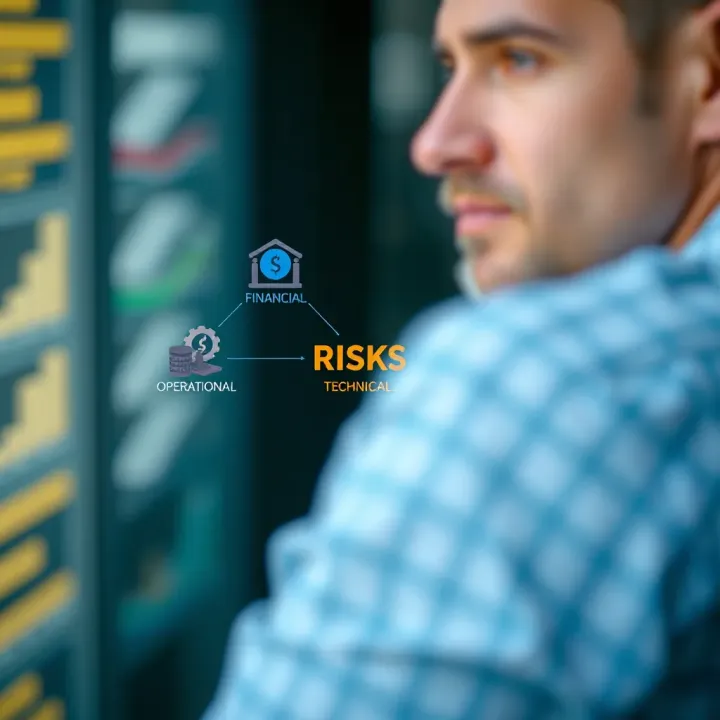
Once risks are identified, assessing their impact and likelihood guides prioritisation. Not all risks carry the same weight. For example, a temporary hike in petrol prices might affect transport costs minimally, whereas a sudden change in government policy regarding imports could halt a project entirely. Accurate assessment steers decision-making towards practical risk responses.
Handling risks effectively requires clear strategies:
Avoidance: Eliminating or bypassing risky activities, such as choosing local suppliers over uncertain international ones.
Mitigation: Taking steps to reduce the risk’s impact, like securing backup generators to counter loadshedding.
Transfer: Shifting risk to third parties, commonly through insurance or contracts.
Acceptance: Acknowledging and preparing for manageable risks without additional action.
Integrating risk management tools and techniques—such as risk registers, SWOT analysis, and Monte Carlo simulations—can provide project managers with a structured approach. In the Pakistani context, tailoring these tools to local realities improves their relevance and effectiveness.
Proactively managing risks not only saves cost and time but also improves stakeholder confidence, essential for ongoing investment and support.
Mastering risk management enables projects to progress smoothly, even amid uncertainties. For traders, investors, and financial analysts tracking project-based ventures, understanding these principles is vital to making informed decisions that balance opportunity and exposure.
Risk management is the backbone of any successful project. Its primary focus is to identify uncertainties that can influence project objectives, assess their likelihood and impact, and put measures in place to manage them. This is particularly important in environments like Pakistan where projects often face unexpected variables such as regulatory changes or resource shortages.
Risk management means systematically spotting potential problems before they happen, then planning to reduce or handle them. The main objectives are to protect the project’s goals—time, cost, scope, and quality—and to boost decision-making confidence. For example, a construction company working on a bridge in Karachi will need to plan for risks like monsoon flooding or delays in material delivery. By managing these risks upfront, the company can avoid costly overruns and ensure safety standards.
The process starts with identifying possible risks using methods such as checklists, expert interviews, or analysing past projects. Once identified, each risk is assessed for its probability and potential damage. This helps teams prioritise which risks require immediate attention and which can be monitored.
Projects without proper risk management can spiral out of control fast. Consider an IT project launching a new mobile app in Lahore. Without assessing risks like server downtime or regulatory approval delays, the project can face budget blowouts and missed launch dates. On the other hand, incorporating risk management allows project managers to spot threats early and adjust plans accordingly.
Risk management also strengthens stakeholder confidence. When investors see a solid risk strategy, their trust increases, making financing or approvals smoother. It helps keep communication clear among all parties, reducing misunderstandings and last-minute surprises.
Effective risk management doesn’t guarantee project success, but ignoring risks almost guarantees failure.
Besides prevention, risk management promotes flexibility. For instance, if a supplier fails to deliver on time, a project with a risk response plan may quickly switch to a backup source, minimising delays. Incorporating risk management in Pakistani projects, where external factors often shift rapidly, is key to navigating uncertainties and delivering intended results on time and budget.
Understanding the types of risks that can impact projects is essential for controlling outcomes and safeguarding investments. Projects today, especially in Pakistani markets, often face a mix of internal and external risks that can derail timelines, inflate budgets, or compromise quality. Recognising these risks early enables project managers and investors to plan effectively and respond proactively.
Resource availability plays a key role in many failed or delayed projects. This refers to whether the necessary manpower, materials, and equipment are accessible when needed. For instance, a construction project in Lahore stalled because skilled labour was temporarily redirected to other ongoing works, leading to delays and cost overruns. Practical risk management requires close monitoring of resource schedules and backup plans to avoid such bottlenecks.
Technical failures are another common internal risk, especially in projects relying heavily on technology or specialised skills. An example would be a software rollout in a finance company that encounters compatibility issues with existing systems, resulting in downtime and loss of productivity. Good risk plans involve thorough testing and contingency strategies to deal with such failures swiftly.
Scope creep refers to uncontrolled changes or expansion in project goals. It commonly happens when clients or stakeholders keep adding new requirements without adjusting timelines or budgets. Consider a telecom infrastructure project where additional features like enhanced coverage areas were requested after initial agreements, stretching resources thin. Preventing scope creep involves clear documentation, stakeholder agreement, and disciplined change control processes.
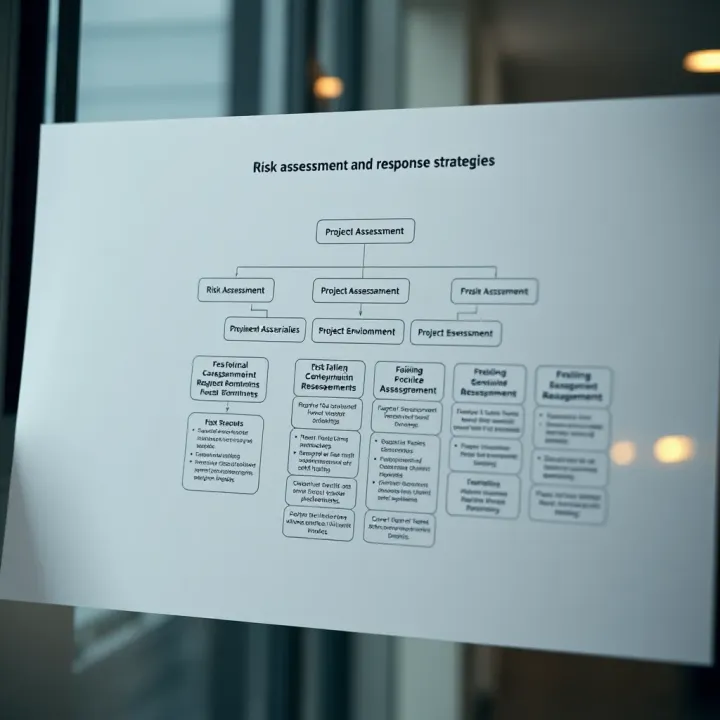
Supplier delays affect project schedules directly. For instance, a manufacturing unit in Karachi relying on imported machinery faced a three-month delay due to shipping hold-ups and customs clearance complications. This kind of risk highlights the importance of assessing supplier reliability and having alternate sourcing options.
Regulatory changes can alter project feasibility overnight. A real estate development near Islamabad may suddenly require new environmental clearances if the government tightens laws, impacting costs and approvals. Projects must keep abreast of legislative updates and maintain relationships with regulatory bodies to navigate these changes smoothly.
Economic fluctuations also pose significant threats. Fluctuations in the Pakistani Rupee’s value, inflation spikes, or sudden changes in interest rates by the State Bank of Pakistan (SBP) can increase material and labour costs unexpectedly. For example, a public infrastructure scheme might face budget shortfalls due to rapid inflation during its multi-year execution. Effective risk management includes financial hedging and flexible budgeting to cushion such impacts.
Recognising the mix of internal and external risks faced in projects equips managers and stakeholders with the insights needed to anticipate challenges and strengthen project resilience.
By identifying these risks early and planning accordingly, projects stand a better chance of meeting objectives within time and cost frameworks. This not only boosts investor confidence but also supports sustainable project growth across Pakistan's dynamic market.
Identifying and assessing risks early in a project is vital to keep things on track and prevent costly surprises. When you know what risks might hit your project, you have a chance to prepare, adapt, or avoid them altogether. This step helps reduce uncertainty and guides smarter decision-making, which is especially important in the dynamic business environment of Pakistan.
Brainstorming sessions bring the project team and stakeholders together for an open discussion to surface potential risks. Getting different viewpoints helps uncover hidden risks, be it delays due to supplier issues or technical glitches. For example, a construction project in Karachi might discover risk around material availability from local vendors during a brainstorming meeting. These sessions keep communication flowing and ensure the team remains alert to new threats.
Stakeholder interviews involve one-on-one or small group talks to dig deeper into risks from the perspective of those directly impacted or involved. Interviewing the finance team might reveal cash flow concerns, while vendors might highlight supply chain challenges. In Pakistani projects, involving government stakeholders in interviews can uncover regulatory or compliance risks early, helping avoid fine choking points later.
Checklists and historical data provide a structured way to spot risks by reviewing similar past projects or predefined risk categories. A checklist might prompt the team to consider risks like power outages or labour strikes, which are common in Pakistan's project environment. Drawing from previous project reports and lessons learned files sharpens this technique, reducing chances of repeated mistakes.
Qualitative assessment methods rank risks based on their likelihood and impact without crunching exact numbers. This approach is practical for Pakistani projects lacking detailed historical data. Teams might rate a regulatory change as 'high risk' because of its probable effect on timelines. This prioritisation directs attention to risks worth managing closely.
Quantitative risk analysis uses numerical data and statistical techniques to estimate risk severity. Tools like Monte Carlo simulations help calculate potential cost overruns or delays. Though more data-driven, this method suits larger Pakistani projects that can invest in specialist expertise, such as infrastructure developments funded by CPEC, where precise risk calculations guide budget allocations.
Risk matrices combine probability and impact into a visual grid, helping teams quickly classify risks as low, medium, or high priority. For instance, a risk with high probability but low impact, like a slight delay in supplier delivery, sits differently on the matrix compared to a low-probability but high-impact risk like political unrest. Pakistani project managers often use risk matrices to communicate risk status clearly and decide where to focus mitigation efforts.
Early and accurate risk identification paired with solid assessment techniques anchors better project control and reduces surprises, a combination that boosts the odds of project success especially in Pakistan's challenging environments.
Developing effective risk response strategies is a vital part of project management, especially where multiple uncertainties threaten project timelines, costs, and success. The goal here is to plan how to handle identified risks so they cause minimum damage or, where possible, create opportunities for the project. A well-designed risk response strategy not only reduces potential losses but also strengthens decision-making and resource allocation.
Avoidance means changing plans to eliminate a risk entirely. For example, if a construction project in Karachi is vulnerable to seasonal monsoon flooding, rescheduling critical outdoor work outside the rainy period can avoid weather-related delays. Mitigation, on the other hand, reduces the likelihood or impact of risks. Installing backup generators at a factory site prone to loadshedding cuts the risk of production halts. Mitigation often involves investing upfront—for instance, using higher quality materials to prevent technical failures later on. Both approaches aim to keep the project on track by addressing risks before they escalate.
Transferring risk means passing its consequences to a third party. Insurance policies against fire or theft, or subcontracting specialised tasks to experts better equipped to handle them, are common examples in Pakistan’s project environment. Transfer limits the direct exposure of the project team but requires clear contract and insurance terms. Acceptance involves consciously deciding to bear the risk because its impact is minor or the cost of handling it is too high. For instance, a small delay caused by minor supplier glitches may be accepted rather than overhauling the entire supply chain. This method demands continuous monitoring to intervene if risk levels increase.
Properly selecting response strategies requires understanding the project’s context, objectives, and available resources. Risk treatment is not one-size-fits-all: what works for a software project may prove costly in civil engineering.
By integrating avoidance, mitigation, transfer, and acceptance thoughtfully, project managers can optimise resource use and improve the odds of success. In Pakistan’s complex business climate, managing risks with these tactics helps protect investments and reputation while adapting to changing conditions.
Integrating risk management into overall project management ensures risks are addressed continuously rather than treated as separate tasks. In Pakistani projects, where uncertainties like fluctuating supply chains or unstable power supply are frequent, embedding risk management helps teams adjust plans swiftly. This integration boosts decision-making, keeps costs in check, and aligns the project with business goals.
Risk management must begin during the planning stage. Identifying potential risks early allows project managers to allocate buffers in time and budget. For instance, if a construction project in Karachi faces possible delays due to monsoon rains, factoring this during planning can avoid last-minute crises. Clear risk assessments here set expectations and prepare stakeholders for possible adjustments.
During execution, risk management should be a live process. Constant monitoring of risk indicators such as supplier performance or regulatory changes in Pakistan's market helps update risk responses timely. If a key supplier misses delivery, the project team can quickly activate contingency plans like alternate sourcing. Regular risk reviews ensure problems don’t catch the team off guard, maintaining progress smoothly.
A risk register is an essential tool listing all identified risks, their likelihood, impact, and mitigation measures. It acts as a single source of truth for the project team. For example, in IT projects rolling out software across multiple cities, the risk register highlights risks like connectivity issues or user resistance. This clarity helps teams prioritise risks and assign responsibilities effectively.
Modern project management software with integrated risk modules, such as Microsoft Project or Primavera, streamline tracking risks alongside tasks and resources. These systems allow teams in Pakistan's diverse industries to visualise risk status, share updates instantly, and generate reports for management. Using such tools reduces manual errors and improves coordination, particularly when projects involve multiple vendors or locations.
Integrating risk management within every phase of a project prevents surprises and keeps the workflow steady, a practical approach especially vital in Pakistan's dynamic business environment.
By embedding risk practices into planning and execution, and leveraging tools like risk registers and project management systems, project managers can better handle uncertainties. This leads to smoother projects and better investment returns, key concerns for investors, brokers, and analysts alike.
Understanding the challenges faced in project risk management is vital, especially in Pakistan’s context where projects often face unique hurdles. Identifying these obstacles allows project managers and teams to develop practical solutions that keep projects on track, reduce losses, and improve overall outcomes. Challenges like limited risk awareness, resource constraints, and communication gaps significantly impact project success and require targeted strategies to address.
Limited risk awareness remains a major barrier. Many project teams and stakeholders do not fully recognise the importance of risk management or lack formal training on identifying and handling risks effectively. For instance, in government infrastructure projects, the absence of risk workshops means potential issues like procurement delays or public opposition may be missed until they cause serious setbacks. Without awareness, risk planning becomes superficial, and teams often react too late rather than preparing in advance.
Resource constraints play a big role as well. Tight budgets, limited skilled personnel, and subpar technology restrict the ability to tackle risks proactively. Smaller firms or public sector projects might struggle to allocate dedicated risk management staff or invest in specialised software. This scarcity means risks may either be ignored or only partially addressed, leading to cost overruns or extended project timelines. For example, a construction project in Karachi might face material shortages due to weak supplier relationships and underfunding, but insufficient contingency planning worsens the impact.
Communication gaps are another critical issue. Poor coordination between project teams, contractors, and clients can delay risk identification and response. In complex projects, unclear reporting channels or language barriers slow down information flow. For example, a software development project in Lahore may suffer when teams do not clearly share updates about technical risks, causing duplicated efforts or missed deadlines. Consistent and transparent communication is essential to respond quickly to emerging threats.
Training and capacity building are key to raising risk awareness. Regular workshops and on-the-job training enable teams to spot risks early and understand their impact. Pakistani firms investing in risk management courses for their project managers and staff see fewer surprises and quicker adaptations to problems. This not only builds competence but creates a culture of risk mindfulness throughout the project lifecycle.
Stakeholder engagement helps bridge both resource and communication gaps. Involving contractors, suppliers, and clients from the outset in risk discussions encourages shared responsibility. When everyone understands the risks, they can contribute solutions or alert others to potential issues. For example, holding monthly risk review meetings with all key players ensures transparent updates and collaborative problem-solving.
Continuous monitoring ensures risks are tracked and managed dynamically as projects evolve. Using simple tools like updated risk registers or progress dashboards helps keep risk status visible. Pakistani projects using regular monitoring cycles can spot early warning signs—like supplier delays or budget overruns—and implement corrective actions promptly. This approach limits surprises and supports timely decision-making.
Addressing these challenges with practical solutions not only improves project delivery but also optimises resources and builds trust among stakeholders in Pakistan’s diverse project environments.
📊 Discover how risk management in Pakistan businesses cuts losses, boosts smart decisions, saves costs, ensures compliance, and builds a stronger reputation.
📊 Learn how Pakistani businesses can manage compliance risks by understanding regulations, tackling challenges, and building strong compliance cultures to protect operations.

🌪️ Learn about disaster risk management in Pakistan with this practical guide covering key roles, challenges, and ways to boost community resilience against disasters.
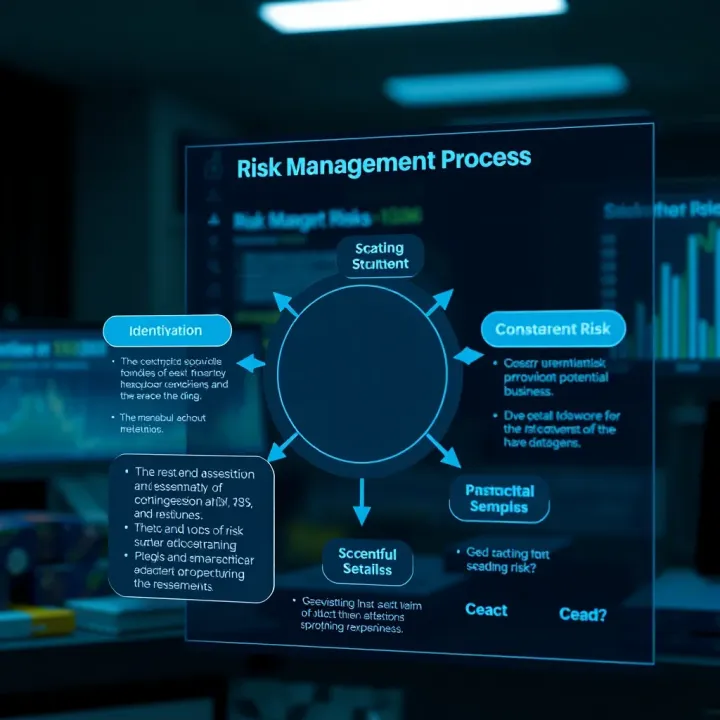
📊 Explore practical steps of risk management for businesses and organisations in Pakistan. Learn how to identify, assess, and control risks to protect operations effectively.
Based on 5 reviews