

Benefits of Risk Management for Pakistani Businesses
📊 Discover how risk management in Pakistan businesses cuts losses, boosts smart decisions, saves costs, ensures compliance, and builds a stronger reputation.
Edited By
Isabella Hughes
Risk management in project management is about identifying, assessing, and controlling potential problems that could derail a project. In Pakistan’s dynamic business world, where market conditions, political changes, and infrastructure challenges often cause unexpected hurdles, managing risks effectively becomes even more vital.
Project risks can range from financial uncertainties like fluctuating currency rates to operational issues such as delays caused by loadshedding or supply chain interruptions. Ignoring these risks can lead to wasted resources, missed deadlines, or even total project failure.
A clear understanding of risk management helps traders, investors, financial analysts, brokers, and educators make informed decisions. It ensures that projects stay on track and deliver expected results despite uncertainties.
Remember: Managing risks doesn't mean eliminating them completely but preparing for their impact and reducing their likelihood or severity.
In practice, risk management involves:
Identifying risks: Spotting internal and external factors that could disrupt the project.
Analysing risks: Evaluating their potential impact and likelihood.
Planning responses: Deciding how to avoid, mitigate, transfer, or accept each risk.
Monitoring: Keeping an eye on risks throughout the project lifecycle.
For example, a developer launching a housing project in Lahore may face regulatory changes or material price hikes. By forecasting these risks early, they can allocate extra budget or adjust timelines, preventing costly surprises.
This methodical approach not only safeguards investments but also boosts confidence among stakeholders, which is crucial in Pakistan’s often volatile economic environment. With clear risk management strategies, project managers can navigate uncertainties more smoothly and increase the chances of project success.
Risk management in project management is vital for keeping projects on track and ensuring desired outcomes. It describes the process of identifying, assessing, and addressing risks that can affect project objectives such as time, cost, and quality. In the context of Pakistan’s business environment, where factors like regulatory changes and infrastructural issues frequently arise, clarifying what risk management entails allows teams to prepare well and adapt quickly.
By understanding risk management clearly, project managers can avoid surprises that may cause delays or cost escalations. For example, in a construction project in Karachi, anticipating potential delays due to loadshedding can help planners schedule work more effectively. This clarity helps everyone involved—from investors to contractors—stay informed and aligned to manage threats and opportunities efficiently.
Risk refers to possible events or conditions that can have a positive or negative impact on project goals. Uncertainty is the state of not knowing which of those risks might occur or their extent. Practically, uncertainty is unavoidable, but risk management aims to reduce it by analysing probable outcomes.
Take, for instance, a software development project for a local bank in Lahore. The team knows that technology upgrades might introduce bugs (a risk) but doesn't know exactly when or how badly they will affect the system (uncertainty). Recognising this distinction allows the team to prepare contingency plans.
A risk is something that might happen, while an issue is a problem that is already happening. Risk management focuses mainly on risks to prevent them from becoming issues.
Consider a telecom project rolling out 5G in Islamabad. A risk would be delays in equipment delivery; an issue would be the actual late arrival of that equipment causing work stoppage. Handling risks before they turn into issues is key to smoother project execution.
One main goal is to reduce the chance and effect of harmful events. This keeps projects within budget and schedule by avoiding unforeseeable disruptions. For example, a manufacturing project in Faisalabad may face raw material price hikes. Risk management detects this early and explores alternative suppliers, saving costs and time.
Risk management is not only about avoiding bad outcomes but also about recognising chances to improve project results. Seizing such opportunities can lead to innovations or cost savings.
For instance, a real estate development in Islamabad might encounter new government incentives for green buildings—a chance to enhance the project’s value while aligning with regulations.
By providing clearer insights into potential risks and rewards, risk management helps project leaders make informed choices. This means allocating resources wisely and choosing strategies suited to the project's risk profile.
Imagine a financial services company launching a digital wallet app. Understanding risks like cybersecurity threats and user adoption rates assists decision makers in prioritising security investment and marketing plans effectively.
Clear understanding and application of risk management strengthen a project’s chance to succeed by turning uncertainty into manageable aspects.
This section establishes a foundation that helps traders, investors, and financial analysts comprehend the practical role of risk management in project success, especially within Pakistan’s dynamic market conditions.
Understanding the common types of risks is essential for managing any project effectively. Recognising these risks early helps you prepare and respond, reducing surprises that could derail timelines or inflate budgets. Pakistani projects especially face diverse risks due to local operational limitations and regulatory dynamics.

Technology failures can disrupt projects swiftly. For instance, if a software development project in Karachi encounters compatibility issues between legacy systems and new applications, it could delay deliveries significantly. Technology-related risks include hardware breakdowns, software bugs, or integration failures that often require expert troubleshooting, which might not be readily available locally.
Inadequate skills or resources refer to situations where the project team lacks the necessary expertise or the materials needed are insufficient. For example, a construction project in Islamabad might suffer delays because skilled masons or quality cement are in short supply. This gap can lead to substandard work or extended timelines if not managed with proper training or alternative sourcing.
Cost overruns happen when project expenses exceed the budgeted amount. This could be from rising material costs, like steel prices fluctuations in Pakistan, or unexpected labour charges. Projects without tight budget controls might find themselves scrambling for additional funds, potentially halting progress.
Funding shortfalls occur when anticipated finances do not materialise as planned. A public infrastructure project relying on government grants could face delays if payments are postponed, impacting cash flow. To handle such risks, projects often develop phased funding plans or secure contingency lines of credit.
Regulatory changes—such as new taxes, updated building codes, or import restrictions on machinery—can introduce fresh compliance requirements. For example, sudden changes imposed by the Securities and Exchange Commission of Pakistan (SECP) might affect financial reporting in a project, requiring adjustments.
Political instability is a significant concern in Pakistan, impacting project continuity and investor confidence. During periods of unrest, projects might experience disruptions due to labour strikes or security issues, as seen in some provinces during election seasons.
Natural disasters and environmental factors also pose a threat. Flooding during the monsoon season can delay construction or damage assets. Projects in earthquake-prone regions must factor in potential tremors when planning timelines and budgets.
Recognising these risk categories and understanding their local context helps project managers in Pakistan tailor risk mitigation strategies more effectively.
Overall, systematically addressing these common risks enhances the chance of meeting project goals on time and within budget.
Managing risks in a project is not a one-off job; it follows a clear sequence of steps that keeps the project on track, minimising surprises and losses. Understanding these steps helps traders, investors, and financial analysts make better decisions by predicting potential hurdles early and planning accordingly. Let's break down these processes to see how they fit in real-world project scenarios.
Brainstorming and checklist methods serve as the starting point. During brainstorming sessions, project teams jot down any possible risks, sometimes even those that seem unlikely. For example, a construction project team in Karachi might consider risks like unexpected monsoon flooding or delays in material shipment due to customs holds. Checklists are another practical tool, compiling common risks from past projects or industry standards to ensure nothing is missed. This method ensures that teams cover technical, financial, and external risks systematically, helping build a comprehensive risk inventory.
Consultation with project team and stakeholders is essential since those involved often have on-ground insights. For instance, a project manager working on an IT system upgrade in Islamabad would consult developers, vendors, and clients to spot risks like software incompatibility or data security threats. Such discussions uncover hidden issues and encourage collective ownership of risk management. This collaborative approach also makes adapting plans easier if new risks emerge later.
Qualitative risk analysis helps in understanding the nature and seriousness of each risk. It uses simple measures like likelihood (e.g., rare, possible, likely) and impact (low, medium, high). A manufacturing setup in Faisalabad, for instance, might classify the risk of machine breakdown as high impact but low likelihood due to recent upgrades. This analysis guides decision-makers to focus on critical risks without getting bogged down.
Quantitative risk analysis adds numbers to the evaluation through techniques like probability distributions or financial impact calculations. For example, an investor funding a development project in Lahore might calculate potential cost overruns in crore rupees and assign probabilities to those overruns. This method enables precise risk costing, aiding budget adjustments and contingency planning.
Avoidance and mitigation strategies are two proactive responses. Avoidance means changing the project plan to eliminate a risk, like choosing a safer supplier to avoid delivery delays. Mitigation involves reducing the risk's impact, such as adding extra quality checks to prevent defects. Both strategies are common in Pakistan’s complex business environment, where supply chain issues or regulatory changes frequently occur.
Transfer and acceptance techniques deal with risks differently. Transfer typically refers to passing risk to a third party, for instance, through insurance or outsourcing. A startup in Karachi might insure against cyberattacks to shift financial burden away. Acceptance, on the other hand, recognises certain risks must be tolerated, like small currency fluctuations, if their cost to address them outweighs the possible loss.
Tracking risk indicators means constantly watching signs that suggest risks are materialising. For example, rising prices for construction materials could signal budget risks escalating. By monitoring such indicators, project teams can react faster and keep the risk level manageable.
Updating risk registers and plans ensures that records of risks and their statuses stay current. A risk register is like a risk diary documenting each risk’s description, owner, priority, and actions taken. Regular updates, especially after team meetings or milestone reviews, help maintain focus and communication among stakeholders.
Staying organised through these steps not only secures projects against surprises but also builds confidence among investors and traders, who value clarity and foresight in risk assessments.
Effectively executing these processes improves control and increases the chances of project success, which is especially important in Pakistan’s dynamic and often unpredictable market environment.
Effective management of project risks relies heavily on practical tools and techniques that help identify, assess, and monitor potential issues. Using the right tools streamlines the process and supports better decision-making, saving projects time and money. Let’s explore the key tools often employed in managing risks.
A risk register is a central document that records all identified risks along with crucial information, such as their likelihood, potential impact, assigned owners, and mitigation measures. In Pakistani projects, where uncertainties like delays in supply chains or shifts in government regulations occur frequently, maintaining an updated risk register helps keep everyone on the same page and accountable.
Logs provide a historical record of risks encountered and responses implemented in past projects. This historical insight can guide current risk management plans, preventing teams from repeating previous mistakes.
Risk assessment matrices are visual grids that plot risks according to their probability and impact. This colour-coded approach quickly highlights the most critical risks requiring immediate attention versus lesser ones.
For example, a matrix might categorise a sudden price hike in raw materials as high-impact but medium-probability risk. These matrices help project managers in Pakistan prioritise their efforts, focusing resources on risks that could derail budgets or timelines.
Modern project management software increasingly includes dedicated risk management modules. These platforms allow teams to log risks directly into the system, assign them to specific team members, and monitor their status in real-time. For instance, tools like Microsoft Project or Primavera can integrate risk tracking with scheduling and resource allocation, making mitigation strategies more actionable.
Such software suits complex projects in sectors like construction or IT development in Pakistan, where multiple teams and subcontractors are involved. Automated updates ensure that risk information travels swiftly across departments, reducing lags in response.
Templates standardise risk reporting across projects, ensuring that no critical information is missed. For Pakistani companies juggling many projects, pre-designed risk report templates speed up documentation and promote consistency.
Automated alerts notify responsible persons when risk thresholds are crossed or when deadlines for mitigation actions approach. This reduces the chance that important risk management tasks fall through the cracks, especially in busy teams handling several projects at once.
These tools and techniques are not a luxury but necessities in managing the complexity and unpredictability Pakistani project managers face. Proper implementation builds resilience, transparency, and better outcomes across the board.
Stakeholders play an indispensable role in managing risks in any project. Their involvement ensures that risks are identified early, assessed realistically, and managed proactively. In the Pakistani business context, where uncertainties like regulatory changes or economic shifts are common, engaging stakeholders effectively can be the difference between timely project delivery and costly delays.
The project team and subject-matter experts are on the frontlines of risk identification and management. Their hands-on experience allows them to spot potential risks that may not be visible at higher management levels. For example, in a software development project for a Pakistani bank, the IT team might identify cybersecurity vulnerabilities due to outdated infrastructure. Regular workshops and brainstorming sessions can encourage open dialogue, ensuring everyone contributes their insights. Experts from different fields—technical, financial, or legal—bring diverse perspectives that help create well-rounded risk responses.
Transparent communication with clients and sponsors builds trust and aligns expectations. Clients need to understand not only what risks exist but how they might affect scope, cost, and timelines. For instance, in a construction project in Karachi, delays caused by unexpected heavy monsoon rains must be clearly communicated to avoid surprises. Keeping sponsors informed through periodic risk reports helps in securing timely decisions and additional resources if needed. This accountability also helps in managing reputations and reduces chances of conflicts later on.
Cultivating an organisational culture where risk awareness is an integral part of daily operations helps mitigate risks before they escalate. In Pakistani project environments, encouraging teams to speak up about concerns without fear of blame improves overall project health. Training sessions focused on recognising common local risks such as power outages (loadshedding) or supply chain delays can prepare staff better. Over time, this culture nurtures proactive behaviours, turning risk management from a reactive process into a continuous and shared responsibility.
Engaging all stakeholders in risk management not only strengthens a project’s resilience but also fosters cooperation and clear communication throughout the project lifecycle, crucial for success in Pakistan's dynamic business landscape.
By involving the right people, sharing clear information, and embedding risk awareness, projects stand a better chance of meeting goals accurately and efficiently.
Effective risk management plays a key role in the success of projects across Pakistan's diverse industries. It helps teams handle challenges smartly while optimising resources, ensuring projects deliver on time and budget. For traders, investors, and financial analysts, understanding these benefits clarifies why risk management is no longer optional but necessary in Pakistan’s often unpredictable market.
One of the main benefits of risk management is keeping projects on schedule and cost control. Pakistani projects frequently face hurdles like delayed permits, fluctuating material costs, and power outages due to loadshedding. A well-planned risk management approach assesses these factors upfront, so contingency measures can be put in place. For instance, a construction firm in Karachi might plan alternative power options and negotiate bulk purchase contracts to avoid price spikes when disruptions hit. This proactive management prevents costly delays and overspending.
Risk management supplies decision-makers with a clearer picture of potential threats and opportunities. It ensures decisions are based on real data rather than assumptions or shortcuts. Imagine a financial analyst assessing an infrastructure project facing regulatory changes — a thorough risk assessment helps anticipate such shifts, enabling timely adjustments in strategy. This leads to smarter resource allocation and better prioritisation of project activities.
Projects with visible risk management efforts inspire confidence among sponsors, clients, and partners. Investors and brokers analysing a project’s viability are reassured when they see updated risk registers and mitigation plans. In Pakistan’s context, where economic and political uncertainties often shake confidence, transparent communication about risks and responses builds trust. This can translate into easier access to funding and smoother approvals, as stakeholders feel their interests are safeguarded.
External risks like political instability, sudden policy changes, and natural disasters can heavily disrupt projects. Effective risk management anticipates such shocks and incorporates flexible strategies. For example, agricultural projects in Punjab may use adaptive cropping plans and insurance to manage weather-related risks. This readiness not only reduces losses but also helps projects recover faster when unforeseen events occur.
Projects that actively manage risks tend to perform better by staying resilient, adapting quicker, and earning stakeholders’ trust — all vital for Pakistan’s complex business environment.
In summary, integrating robust risk management is essential for projects in Pakistan to navigate the country’s unique challenges while ensuring sustainability and stakeholder satisfaction.
📊 Discover how risk management in Pakistan businesses cuts losses, boosts smart decisions, saves costs, ensures compliance, and builds a stronger reputation.

📊 Learn how Pakistani businesses can manage compliance risks by understanding regulations, tackling challenges, and building strong compliance cultures to protect operations.
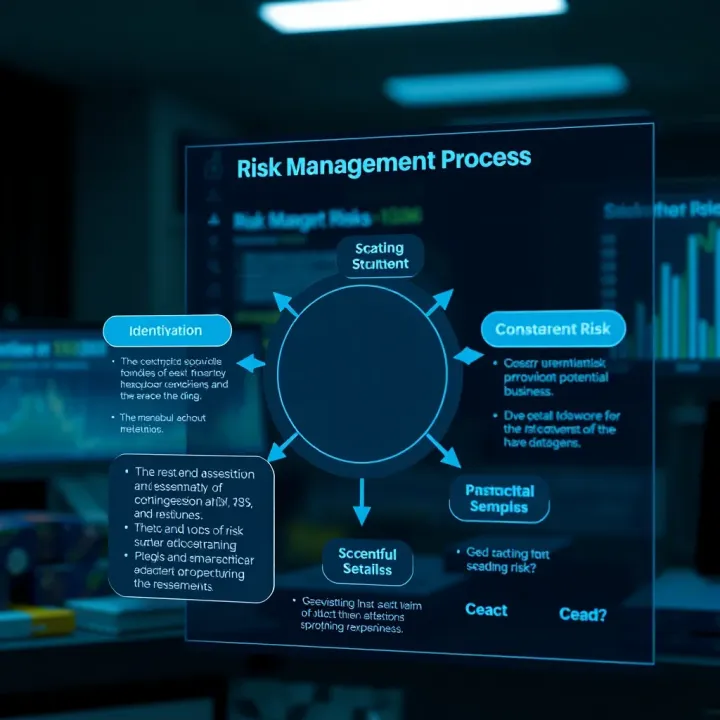
📊 Explore practical steps of risk management for businesses and organisations in Pakistan. Learn how to identify, assess, and control risks to protect operations effectively.
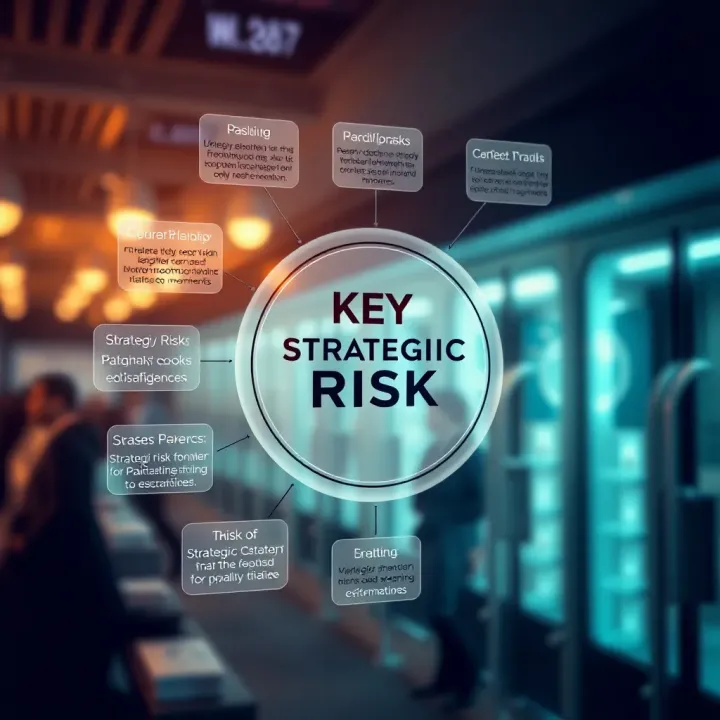
📊 Strategic risk management helps Pakistani businesses identify, assess, and tackle local economic and operational risks to protect long-term goals and stay competitive.
Based on 13 reviews