

Choosing the Best Trading App: Features and Insights
Find the best trading app worldwide 🌍 by exploring top features like low fees, security 🔒, and market variety. Get tailored insights for investors in Pakistan 🇵🇰.
Edited By
Benjamin Carter
The SBP exchange rate refers to the value of the Pakistani rupee against other currencies as set or influenced by the State Bank of Pakistan (SBP). It plays a crucial role in shaping the country's trade, inflation, and overall economic health.
The SBP uses various mechanisms to determine this rate, often balancing between a free float and managed float system. While market forces mostly influence the rupee’s value, SBP steps in to prevent extreme volatility or sharp drops that could disrupt the economy.
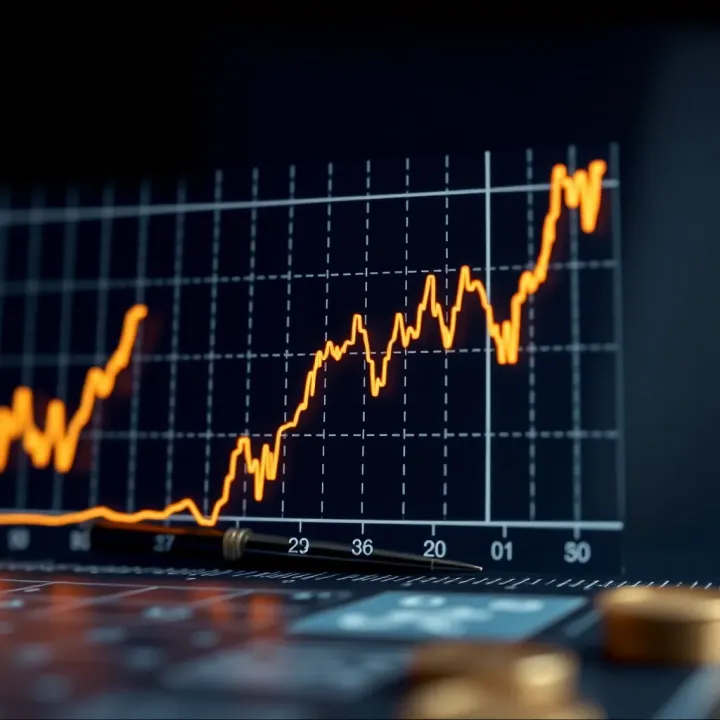
Several factors impact the SBP exchange rate:
Foreign reserves: When Pakistan has enough reserves, it can better defend the rupee by buying dollars to stabilize the market.
Trade balance: More imports than exports typically weaken the rupee, since demand for foreign currency rises.
Inflation rate: Higher inflation usually erodes purchasing power, hurting the local currency's value.
Political and economic stability: Uncertainty or turmoil can scare off investors, pushing the currency down.
Global currency trends: Movements in the US dollar or other major currencies often influence the rupee's value.
For businesses and investors, understanding these factors can help in making better decisions. For example, importers might hedge their currency exposure to avoid sudden cost spikes if the rupee drops. Exporters, conversely, can benefit from a weaker rupee, making their goods cheaper abroad.
The bottom line is, keeping an eye on SBP's policies and economic indicators helps anticipate currency swings and manage risks.
Practical tips for navigating currency fluctuations in Pakistan include:
Staying updated on SBP announcements and monetary policy moves.
Using forward contracts or currency options to lock in rates.
Diversifying suppliers or markets to reduce currency risk.
Monitoring inflation trends and political developments closely.
By grasping how the SBP exchange rate works and what drives changes, you can better prepare for its effects on your investments or business activities in Pakistan.
The SBP exchange rate is essentially the value of Pakistan’s currency, the Pakistani Rupee (PKR), compared to other foreign currencies. This rate is crucial because it directly affects Pakistan’s economy, impacting everything from import prices to foreign investment. For traders and investors, understanding this rate offers clarity on market conditions and helps make more informed decisions.
At its core, the SBP exchange rate represents how much foreign currency you can buy with one rupee, or inversely, how many rupees are needed to buy one unit of foreign currency like the U.S. dollar. Its movements provide signals about the country’s economic health, inflation trends, and international trade competitiveness.
The State Bank of Pakistan (SBP) uses monetary policy to influence the exchange rate indirectly. By adjusting interest rates, the SBP can attract or discourage foreign capital flows. For example, if the SBP raises interest rates, foreign investors may find it more appealing to invest in Pakistan's debt markets, leading to increased demand for the rupee and potentially strengthening the currency.
Conversely, lowering interest rates might reduce foreign investment interest, putting downward pressure on the rupee. This approach helps the SBP manage inflation and stabilize the economy by influencing currency demand through monetary policy tools.
Beyond monetary policy, the SBP actively regulates the foreign currency market to prevent excessive volatility and ensure orderly trading. One way it does this is by setting rules for banks and exchange companies, including licensing and monitoring their activities to curb illegal currency dealings.
The SBP may also conduct open market operations, buying or selling foreign currency reserves to smooth out sharp currency swings. This regulation offers businesses and individuals a more predictable environment, reducing sudden shocks that could disrupt trade and investment.
The SBP largely allows market forces to determine the exchange rate under a managed float system. In this setup, supply and demand for the rupee against other currencies play the leading role. For instance, increased demand for dollars from importers puts pressure on the rupee to weaken, while strong exports or remittances can boost rupee demand, pushing it up.
This market-driven approach makes the exchange rate responsive to real economic activity, reflecting investor sentiment, trade flows, and global conditions in near real-time.
Though the SBP lets the market largely set the exchange rate, it steps in when conditions threaten economic stability. For example, rapid depreciation could spur inflation or harm import-dependent businesses. In such cases, the SBP might sell foreign currency reserves to support the rupee or adjust regulations to limit speculative trading.
These interventions help cushion the economy against abrupt, destabilizing currency moves but are generally used sparingly to avoid distorting long-term market signals.
Historically, Pakistan has shifted between fixed and floating exchange rate regimes. A fixed rate pins the rupee to a set value against another currency, offering certainty but requiring large reserves to defend it. A floating rate allows the rupee to fluctuate according to market forces, which can adapt better to economic shocks.

Currently, the SBP operates a managed float, blending both: the market primarily dictates the rate with occasional SBP interventions to avoid extreme volatility. This balance aims to keep the currency competitive yet stable enough to support economic growth.
Understanding the SBP’s approach to exchange rate setting is key for anyone involved in trading, investing, or business in Pakistan. It reflects not only economic fundamentals but also policy choices that directly influence market conditions.
Understanding what influences the SBP exchange rate is crucial for anyone involved in trading or investment related to Pakistan. The exchange rate doesn't just float randomly; it's shaped by a mix of internal economic signals and external events. These factors give traders and analysts clues about currency moves and help businesses plan for costs and revenues affected by exchange rates.
Inflation and interest rates play a pivotal role in determining the value of Pakistan’s currency. When inflation is high, the local currency usually weakens because it erodes purchasing power. For example, if inflation in Pakistan spikes above 10%, it diminishes the real return for holders of the Pakistani rupee, making foreign currencies more attractive. On the other hand, higher interest rates often attract foreign capital seeking better returns, lending support to the rupee. Say the State Bank of Pakistan raises rates to curb inflation; this could pull in foreign portfolio investments, strengthening the local currency.
Trade balance and current account status offer a clear snapshot of the country's economic health and directly influence exchange rates. A trade deficit, where imports outpace exports, means more demand for foreign currency, putting downward pressure on the rupee. In contrast, a surplus signals stronger demand for the rupee from exporters, supporting its value. Consider the situation where Pakistan’s imports in a quarter balloon to $20 billion while exports stick around $15 billion — this gap typically pushes the SBP exchange rate lower as demand for dollars rises.
Global market trends can sway the SBP exchange rate irrespective of local conditions. For instance, a strong U.S. dollar globally usually weakens emerging market currencies like the rupee. If investors move funds toward perceived safer assets during global uncertainty, emerging currencies take a hit. Conversely, a rising appetite for risk can boost inflows into Pakistan, supporting the rupee.
Foreign investment flows act as a key driver in currency shifts. When foreign investors pour funds into Pakistan’s stock market or infrastructure projects, they need to buy rupees, pushing its value up. For example, if a large U.S. fund decides to invest $500 million in Pakistani equities, this inflow increases demand for local currency. Pullbacks in foreign investment, however, trigger the opposite effect, straining the rupee.
Political and geopolitical events add unpredictability to the exchange rate. Political instability or security concerns often scare away investors and cause currency depreciation. For example, during periods of political unrest or tense relations with neighboring countries, the rupee may weaken due to reduced confidence. Meanwhile, positive developments, such as a new trade deal or improved diplomatic ties, can strengthen the currency by boosting investor sentiment.
The balance of these factors shapes the day-to-day and long-term trends of the SBP exchange rate, making it essential for traders and financial pros to monitor both local economic data and global events closely.
Understanding these key drivers helps you anticipate currency movements and make better decisions whether you’re dealing in foreign exchange, investing in Pakistan, or managing financial risks tied to the rupee.
The SBP exchange rate plays a significant part in shaping Pakistan’s economic landscape. Fluctuations in the currency's value have direct consequences for importers, exporters, inflation levels, and even foreign investment. Understanding these effects helps businesses and investors make smarter decisions, especially in a market that faces frequent currency swings.
Cost of goods and services: When the SBP exchange rate drops, imports become more expensive because you need more rupees to buy the same amount of foreign currency. This increase hits importers hard, especially those dealing with essential goods like oil, machinery, or raw materials. For example, a Pakistani manufacturer relying on U.S. parts will see production costs soar if the rupee weakens against the dollar. This added cost often trickles down, causing higher prices for consumers.
Conversely, a stronger rupee makes imports cheaper, reducing costs for businesses that rely on foreign goods. However, there's a catch because cheap imports can undercut local producers, creating tension in the domestic market.
Export competitiveness: A weaker rupee usually helps exporters since their products become cheaper for overseas buyers. Suppose a Pakistani textile exporter sells to the U.S.—when the exchange rate favors the rupee's depreciation, their products effectively cost less in dollars. This price advantage can boost export volumes, support foreign earnings, and help narrow the trade deficit.
On the other hand, if the rupee strengthens, Pakistani goods might become more expensive abroad. This scenario can squeeze exporters’ margins and reduce their global competitiveness, especially in price-sensitive markets.
Imported inflation: Changes in the SBP exchange rate directly affect the price of imported goods. If the rupee falls, imported items like electronics, fuel, and medicines become pricier, pushing up overall inflation. Pakistanis often feel this pinch as everyday costs climb, impacting budgets across the board.
For instance, fuel prices tied to the dollar will rise when the rupee weakens, increasing transportation costs across the economy. These costs generally pass on to consumers, creating a ripple effect on prices for groceries, services, and more.
Purchasing power variations: Fluctuating exchange rates can erode consumer purchasing power. When the rupee weakens, people find they need more money to buy the same goods, lowering real income levels. This effect hits middle- and lower-income households hardest since their budgets offer less wiggle room.
On the flip side, a stronger rupee can stabilize or even boost purchasing power, but such periods tend to be less common given Pakistan's usual economic pressures.
Debt servicing costs: Pakistan carries significant foreign currency-denominated debt. When the SBP exchange rate shifts, the cost of servicing these debts changes in local currency terms. A depreciated rupee means paying more in rupees to cover the same foreign amount, straining government finances and possibly crowding out spending on public services.
For example, if the rupee loses 10% value against the dollar, debt repayments become 10% costlier in local currency. This pressure often compels the government to seek new funds, sometimes at higher interest rates, which isn't an easy cycle to break.
Investor confidence: Exchange rate stability closely ties to investor sentiment. Frequent or sharp currency swings make foreign investors hesitant, fearing losses or rapid devaluation of their returns. Maintaining a predictable exchange rate helps attract and keep foreign direct investment (FDI) and portfolio flows.
Take, for instance, multinational companies looking at Pakistan for expansion—they consider currency risk when planning projects. If the rupee is unpredictable, they might put investments on hold or redirect funds elsewhere, impacting job creation and economic growth.
The bottom line is that changes in the SBP exchange rate ripple across Pakistan’s economy, influencing trade dynamics, inflation, government finances, and investment flows. Staying informed about these impacts helps businesses and investors navigate the challenges effectively.
Fluctuating exchange rates can throw a wrench in plans for both businesses and individuals in Pakistan. When the SBP exchange rate moves unexpectedly, the cost of importing goods might spike or dip, profits can narrow, and budgeting becomes trickier. For travelers and those sending money abroad, getting a fair rate at the right time can mean saving a decent chunk of change. Understanding how to navigate these ups and downs helps people and companies safeguard their finances and stay competitive.
Hedging techniques help businesses and investors shield themselves from sudden swings in currency values. One straightforward approach is using forward contracts, which lock in an exchange rate today for a future transaction. For example, a Pakistani exporter expecting payments in dollars can secure a forward contract to convert those dollars to PKR at a fixed rate months ahead, protecting against rupee weakness. Options contracts offer another layer of security, providing the right—but not the obligation—to transact at a set rate. While these financial tools come with fees, they offer predictability, helping businesses manage cash flow and avoid nasty surprises that can eat into profits.
Diversifying currency exposure means not putting all your eggs in one basket financially. For companies operating in or trading with multiple countries, holding assets or revenues in different currencies can soften the impact if the PKR takes a hit. Suppose a tech firm in Pakistan earns revenue from U.S. clients and European clients; this mix means a dip in the dollar might be offset by a stronger euro. Similarly, investors might spread their portfolios across global markets to balance out currency risks. This approach reduces dependence on any single currency’s stability and spreads risk over several economic conditions.
Timing currency exchanges can make a big difference in how far your money goes. Exchange rates shift daily and sometimes hourly, influenced by news events, monetary policy changes, or market sentiment. Travelers booking vacation funds or students sending tuition abroad should keep an eye on trends and avoid exchanging money right after sharp rate drops or political turmoil. Using currency tracking apps or consulting forex experts can help pinpoint better moments to trade. Even delaying an exchange by a few days can yield better value.
Using official channels for currency exchange and remittances is vital to avoid fraud and receive fair rates. Authorized banks, licensed money transfer operators, and recognized online platforms offer secure services regulated by SBP guidelines. Informal channels or street hawkers might promise quick, cheaper deals but come with risks: counterfeit currency, extra hidden fees, or funds getting lost. Moreover, official channels provide transaction records and customer support, which are crucial for troubleshooting any issues. For example, sending remittances through a reputable money transfer service like Western Union or a bank ensures the funds reach family members safely and on time.
Staying informed and using sound strategies turns currency fluctuations from a headache into a manageable aspect of personal and business finance. Planning ahead and choosing the right tools can protect your wallet against unexpected shocks in the SBP exchange rate.
This section focuses on practical steps you can take given Pakistan's current exchange environment. Whether you're managing corporate finances or planning your next trip abroad, these insights can help keep your finances steady amid currency swings.
Examining the future outlook and trends in the State Bank of Pakistan’s exchange rate policies gives traders, investors, and financial analysts a clearer sense of where the currency market may head. It's not just about knowing today's rates but anticipating how shifts in policy and external factors will influence Pakistan's currency stability and volatility tomorrow. This forward look helps decision-makers manage risk and spot opportunities amid uncertainty.
The SBP often tweaks its policy instruments to maintain exchange rate stability. These adjustments might include fine-tuning interest rates or intervening in foreign exchange markets to curb excessive fluctuations. For example, in times when the rupee faces downward pressure, the SBP might sell foreign reserves to support its value. Such moves aim to minimize sudden shocks that could disrupt trade and investment.
These policy changes have practical effects: businesses can plan imports and exports with more confidence, and investors get clearer signals about currency risk. However, frequent or unpredictable adjustments may cause market jitters. So, stakeholders watch SBP announcements closely, adapting strategies based on hints of upcoming policy moves.
Broad economic reforms, like improving tax collection or stabilizing government debt, indirectly support exchange rate stability. When these reforms boost Pakistan's economic fundamentals, they enhance the country's creditworthiness, attracting foreign investment and supporting the rupee.
For instance, reforms that encourage exports or reduce the fiscal deficit tend to reduce pressure on the exchange rate by narrowing trade imbalances. This creates a more favorable environment for businesses and investors who rely on predictable currency values. In short, watching economic reforms gives insights into the SBP exchange rate's likely trajectory over the medium term.
Global issues—such as shifts in U.S. Federal Reserve monetary policy, oil price shocks, or geopolitical tensions—can ripple through Pakistan's currency markets. For example, a sudden hike in U.S. interest rates often leads to capital outflows from emerging markets, including Pakistan, putting the rupee under stress.
Such uncertainties mean that even well-planned SBP policies might face external headwinds. Traders and investors should stay alert to international developments that could affect currency valuations unexpectedly. This calls for flexible strategies and contingency plans to manage currency risk.
New tech, like algorithmic trading, blockchain-based settlements, and AI-driven analytics, is reshaping forex markets globally. These innovations increase market efficiency but can also speed up volatility during turbulent times.
In Pakistan, the adoption of such technologies by brokers and financial institutions could offer traders better tools for managing exchange rate risk. Faster execution, improved transparency, and data-driven insights help market participants react quickly to SBP policy changes and global trends. But these advances also demand continual adaptation, both for regulators and market players.
Understanding how these future trends in SBP policies and global factors interact equips professionals with the foresight needed to make smarter currency decisions.
Keep an eye on SBP announcements for signals on policy shifts.
Monitor economic reform progress for clues about currency stability.
Follow international events impacting emerging market capital flows.
Explore technology-driven tools to enhance forex trading strategies.
Find the best trading app worldwide 🌍 by exploring top features like low fees, security 🔒, and market variety. Get tailored insights for investors in Pakistan 🇵🇰.
Discover key forex candlestick patterns for smarter trading 📈. Learn to read charts and spot reversals or continuation signals for effective forex decisions.

Explore how binary gender shapes identity and society in Pakistan, its challenges, and alternatives beyond male/female roles 👥🌏
📈 Learn how forex trading sessions affect currency markets, helping Pakistani traders spot best times, manage risks, and use market liquidity effectively.
Based on 13 reviews