
Gold Trading in Pakistan: A Practical Guide
🔍 Understand gold trading in Pakistan with insights on market trends, trading methods, regulations, risks, and smart strategies for Pakistani investors 🇵🇰
Edited By
James Harwood
The price of tola gold in Pakistan doesn't just pop out of thin air—it's a mix of historical standards, market forces, and some local tweaks. First off, a tola is a traditional unit of mass widely used in South Asia, especially for gold. It weighs approximately 11.66 grams, and the gold rate per tola is a critical benchmark for jewellers, investors, and brokers across Pakistan.
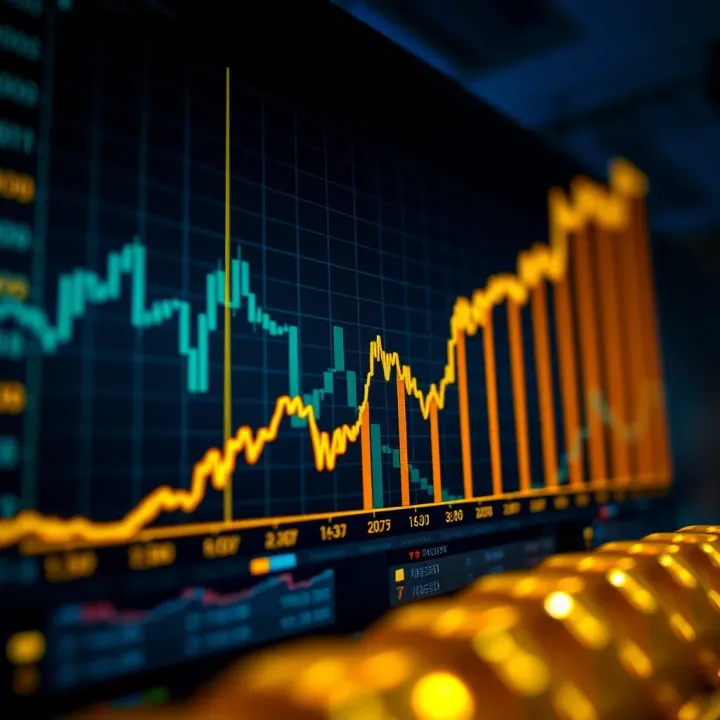
The rate of tola gold in Pakistan usually mirrors changes in the international gold price, which is quoted in US dollars per troy ounce (about 31.1 grams). To convert this to the local market, the international rate gets adjusted:
First, it's converted from grams to tolas.
Second, exchange rate fluctuations between the US dollar and Pakistani rupee come into play.
Lastly, local taxes, import duties, and jeweler margins are factored in.
This means the tola gold price you see at a Karachi jewellery store isn't just the raw spot price—it's also shaped by currency swings and government policies.
Keep an eye on the Pakistan rupee's strength against the dollar since a weaker rupee usually pushes local gold prices higher, even if global gold prices stay flat.
Several factors influence tola gold prices in Pakistan:
Global gold market trends: If gold prices rise in New York or London, Pakistani rates almost always follow.
Currency valuation: The US dollar-Pakistani rupee exchange rate has a direct impact.
Economic climate: Inflation, interest rates, and geopolitical tensions can drive investors to buy or sell gold.
Local demand and supply: Festivals like Eid can spike demand, nudging prices upward.
Since gold prices can fluctuate throughout the day based on these factors, make sure to check real-time rates from reliable sources before you make a purchase or sale. Also, consider the purity stamp (typically 24-carat for investment-grade tola gold) and verify the seller's credibility to avoid fraud.
By understanding these components, you'll be better equipped to read and react to the tola gold rate in Pakistan wisely and avoid surprises in your trades or investments.
Understanding how tola gold is measured and priced is key for anyone dealing with gold in Pakistan. Since the tola is the standard unit for weighing gold locally, knowing its exact meaning helps investors, traders, and financial analysts make better decisions. This section breaks down the nuts and bolts of the tola measurement system, how gold prices quote in those terms, and why these details matter in Pakistan’s unique market.
A tola is a traditional South Asian unit of mass, primarily used in Pakistan and India for measuring precious metals like gold. It weighs approximately 11.66 grams or 0.375 ounces. This specific weight is widely accepted in the local market, making it easier for buyers and sellers to communicate without confusion.
Beyond just a unit of weight, the tola carries a cultural and historical weight. It has been part of South Asian trade practices for centuries, dating back to Mughal times and earlier. This long-standing use means that many people in Pakistan grew up understanding gold prices in terms of tolas rather than grams or ounces, which are more common internationally.
Compared to standard metric or imperial systems, tola stands out for its local familiarity. While grams are used globally, measuring a single tola rather than grams eases transactions especially in local jewelry shops and gold markets. For example, when someone says the gold rate today is $2,000 per tola, it immediately translates to roughly $171 per gram, allowing quick mental math for those handling gold daily.
In Pakistan, the rate of tola gold is typically quoted in Pakistani rupees per tola directly, reflecting the current market price for 24-karat (pure) gold. Most jewelers and dealers publish daily prices, adjusted based on fluctuations in international gold prices and local economic conditions. This practice allows buyers to instantly relate the rate to their usual purchase quantity.
Purity plays a big role in pricing. While 24-karat gold is the standard reference for the tola price, many jewelry pieces consist of 22-karat or 18-karat gold, which contain alloys and cost less per tola. For investors and traders, recognizing this distinction prevents overpaying by mistake.
Jewelers and bullion dealers serve as the market’s frontline in price setting and dissemination. They don’t just sell; they also influence daily price shifts by responding to import costs, currency value changes, and consumer demand. For instance, a bullion dealer in Karachi might raise rates slightly above the global benchmark due to local taxes or transport costs.
Knowing the exact weight and purity standards that govern tola gold prices helps investors and traders avoid pitfalls commonly missed by those new to the Pakistani gold market.
Understanding what drives the rate of tola gold in Pakistan is key for anyone trading, investing, or simply following the market. The price doesn’t move in isolation — a mix of global influences and local factors come into play, shaping the market's ups and downs. By breaking these down, you can better predict price swings and make informed decisions.
International gold prices serve as the baseline for Pakistan’s tola gold rate. These prices are set mostly in foreign markets like COMEX in New York and the London Bullion Market Association. When global gold prices shift due to changes in supply, demand, or speculation, Pakistani gold rates tend to follow, sometimes with a short delay.
The US dollar plays a huge role here. Because gold is priced in dollars worldwide, fluctuations in the dollar’s strength against other currencies directly impact gold prices. For example, when the dollar weakens against the Pakistani rupee, gold often becomes cheaper in local terms, tempting buyers to act. Conversely, a stronger dollar can push local gold prices higher.
Geopolitical events also have a direct, sometimes dramatic effect. Conflicts in oil-rich regions, tensions between major economies, or financial crises can boost gold’s appeal as a safe haven. Look at how the 2022 Ukraine-Russia conflict caused gold prices worldwide to spike, which directly reflected in Pakistan’s market too. Investors often flock to gold when uncertainty rises, pushing rates upward.
Inflation and currency fluctuations inside Pakistan influence tola gold prices just as much as the global market. When inflation surges, people typically lose confidence in the rupee, turning to gold as a stable store of value. For instance, during periods when the PKR drops sharply against the dollar, tola gold prices tend to jump as import costs rise and buyers rush to hedge against local currency risk.
Government policies, including taxation and import regulations, also affect the cost of gold. Pakistan imposes customs duties, sales taxes, and sometimes additional levies on gold imports. Changes in these charges can increase or decrease the final gold price. When the government tightens import duties, dealers often pass on the cost to customers, pushing rates up.
Local supply and demand add another layer. During wedding seasons, for example, demand for gold jewelry skyrockets, nudging prices higher in the short term. Conversely, when traders or jewelers hold excess stock and sales slow, prices may stabilize or even dip. Because Pakistan relies heavily on imported gold, any disruptions in supply chains or sudden changes in investor appetite can cause local price swings.
The bottom line is that tola gold prices in Pakistan respond dynamically to both global market signals and domestic shifts. Keeping an eye on these factors helps you anticipate market moves rather than just reacting.
Global prices and dollar strength set the foundation.
Geopolitical events spark sudden price changes.
Inflation and rupee fluctuations influence local buying power.
Government taxes push costs up or down.
Seasonal demand and supply availability create short-term swings.
With this understanding, trading or investing in tola gold becomes less about guesswork and more about smart analysis.
Understanding the historical trends and current rates of tola gold is crucial for anyone dealing with gold in Pakistan. This analysis provides insight into how gold prices have moved over time and what factors have influenced these changes. For traders and investors, this knowledge helps in making informed decisions about when to buy or sell and understanding the risks involved.
Over the past decade, tola gold prices in Pakistan have seen notable fluctuations. For example, between 2011 and 2012, prices surged due to global economic uncertainty and rising inflation fears. On the other hand, periods of relative stability occurred when global markets were less volatile. These shifts are often linked to international gold prices, currency exchange rates, and local economic stability.
Political events like elections or changes in government policies, such as adjustments in import duties or taxes on gold, have also impacted local prices. For instance, during times of currency depreciation, gold becomes more expensive in rupee terms, pushing demand as a hedge against inflation. Additionally, events like the 2020 COVID-19 pandemic caused sharp increases globally and locally due to investors seeking safe assets.
Tola gold prices in Pakistan largely track global gold prices quoted in dollars. However, currency fluctuations affect the local price. For example, if the Pakistani rupee weakens against the US dollar, local prices rise even if global gold prices remain steady. This interplay means local buyers must watch both global trends and currency markets to grasp price movements.
As of mid-2024, the tola gold rate in Pakistan hovers around $1,850 per ounce equivalent, reflecting a minor uptick from previous months. Local factors like inflation and demand during festive seasons also play parts in these numbers. Knowing the current rate helps buyers and sellers set realistic price expectations.
Recent rate fluctuations are driven by a mix of global and domestic issues—such as shifts in US Federal Reserve interest rates, which influence gold's appeal as an investment, and local market demand spikes during wedding seasons. For example, a slight weakening of the rupee in recent weeks pushed gold prices higher locally.
Market experts generally expect gold prices to stay volatile through the year due to ongoing geopolitical tensions and economic uncertainty. Some analysts foresee moderate gains since gold traditionally performs well when inflation is high. However, short-term dips are also likely if the US dollar strengthens or Pakistan’s economy takes a turn for the better.
Keeping an eye on both historical trends and current rate changes allows traders and investors in Pakistan to respond smarter to market shifts, balancing risks and opportunities effectively.
This understanding equips you to make timely, well-informed decisions, whether you're managing portfolios or planning gold purchases.
Navigating the tola gold market in Pakistan can be tricky without practical insights. Buyers and investors need to understand how the rate of tola gold directly impacts their decisions. This section breaks down how you can interpret these rates, compare prices effectively, and spot authentic gold—all essential steps to make smart, informed choices.
When you’re buying gold in Pakistan, prices are usually quoted per tola, which equals about 11.66 grams. Say the rate is $1,800 per tola; buying half a tola means you’d pay roughly $900, not considering taxes or making charges. Keeping this unit in mind helps you gauge costs accurately and avoid being overcharged, especially in informal markets.
Gold prices in Pakistan can vary between city markets like Karachi or Lahore due to different local taxes or dealer premiums. Comparing rates means checking the tola gold price announced by local bullion markets and cross-referencing with online rates on platforms like Pakistan Mercantile Exchange. This way, you can spot when prices are inflated or find better deals elsewhere.
The market mainly deals in 24-karat gold but impurities can differ among sellers. Authenticity tests like acid checking or electronic karat meters are commonplace for confirming purity. Always ask for a certificate or buy from trusted jewelers with established reputations to avoid counterfeits or gold mixed with inferior alloys.
Physical gold—like jewelry or bars—is traditional but carries risks like theft or making charges. Alternatives include gold-backed ETFs or digital gold platforms, which offer easier liquidity and lower costs. For instance, purchasing gold via a regulated digital platform lets you own tola-equivalent amounts without needing physical storage.
Gold prices fluctuate with global cues and local economic events. Investing during periods of local currency weakness or geopolitical uncertainty often captures better rates. For example, you might find opportunities when the Pakistani rupee dips against the dollar, making gold relatively cheaper.
Gold investment in Pakistan isn’t without pitfalls. Be cautious about unregulated sellers and volatile price swings due to market speculation. Additionally, tax policies or sudden import restrictions can impact gains. Staying updated on government announcements and market reports helps you avoid nasty surprises.
The bottom line is, understanding how to read tola gold rates and acting on reliable market info gives you a serious edge when buying or investing in Pakistan's gold market.
🔍 Understand gold trading in Pakistan with insights on market trends, trading methods, regulations, risks, and smart strategies for Pakistani investors 🇵🇰
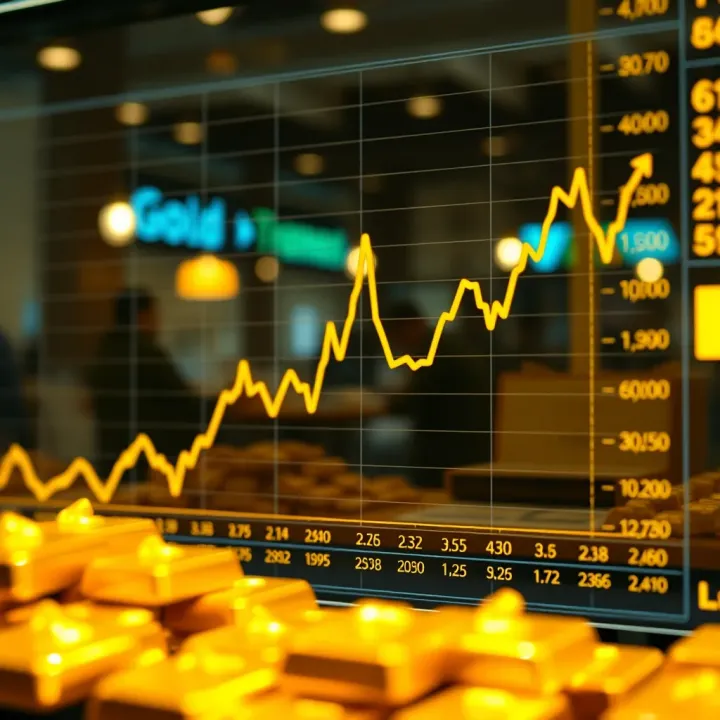
Learn how gold trading prices in Pakistan shift with market trends, local demand, and policies. Get tips on tracking gold rates and making informed buying or selling choices 📈💰.
Learn how to open gold trading accounts in Pakistan 🏦 with clear steps, regulatory requirements, investment tips, and risk management for successful trades 💰.
📈 Learn how gold trading signals can guide your investments in Pakistan's markets effectively. Understand signal types, reliability checks, tech tools, and risks to avoid.
Based on 6 reviews