

Gold Trading in Pakistan: A Practical Guide
🔍 Understand gold trading in Pakistan with insights on market trends, trading methods, regulations, risks, and smart strategies for Pakistani investors 🇵🇰
Edited By
Sophie Bennett
Gold Mercedes-Benz cars blend luxury with distinct style, but the price tag reflects more than just the color. When considering the price of a gold Benz, three major factors come into play: model choice, customization level, and market trends.
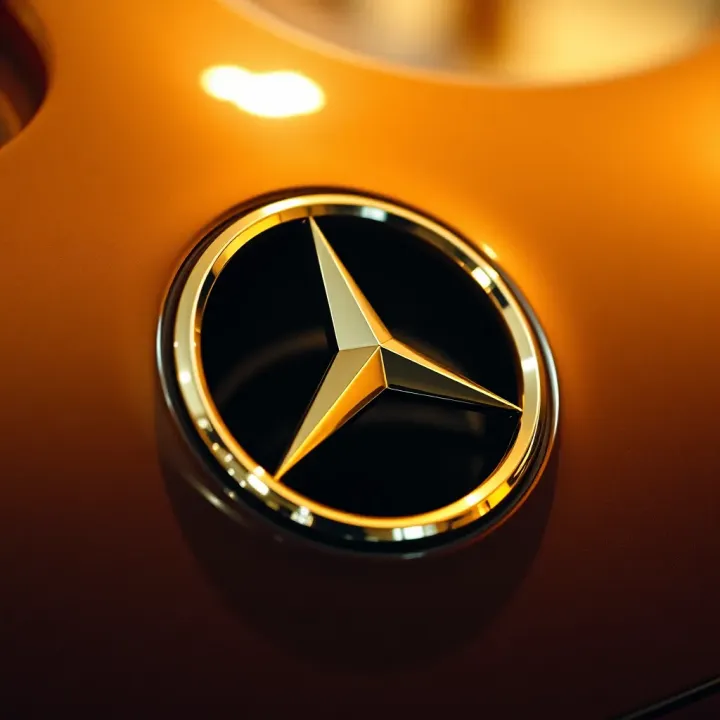
Not every Benz model offers a gold finish straight from the factory. Popular choices include the S-Class sedan, the G-Class SUV, and the E-Class coupe. These models command premium prices due to their top-tier performance, technology, and prestige. For instance, a gold-painted G-Class often costs well over $140,000, partly because the base model itself runs around $130,000.
A lot of buyers opt for custom gold finishes rather than factory options. Custom paint jobs can add anywhere from $5,000 to $20,000 depending on the quality of materials and complexity of the work. Some high-end shops even offer 24-karat gold leaf detailing, pushing the price higher. Customization isn't limited to paint; buyers often upgrade interior trims, adding further cost.
Keep in mind, the more exclusive the customization, the less predictable the resale value becomes.
Demand for gold Mercedes-Benz cars fluctuates with market trends. During luxury car booms, prices can spike, especially for rare colors like gold. Conversely, in downturns, buyers may prefer classic colors, which could reduce resale value for flashy colors. Still, collectors often prize unique finishes, sometimes fetching a premium at auctions.
If you're behind the wheel of a gold Benz, remember:
Insurance costs may rise due to the vehicle’s higher value and theft risk.
Maintenance and paint touch-ups are pricier to preserve that distinct look.
Timing your purchase affects price — dealers might discount certain models at the end of a fiscal quarter.
Bottom line: understanding these factors helps you make a smart, informed decision when shopping for a gold Mercedes-Benz.
The price of a gold Mercedes-Benz can vary widely depending on several key factors. Knowing these helps buyers, traders, and analysts understand why two seemingly identical gold Benz cars might carry very different price tags. This section breaks down the most important elements—model, trim, color customization, and market dynamics—that shape the final cost.
Mercedes-Benz offers a diverse lineup, from the compact A-Class to the flagship S-Class, and each model comes in multiple trims with varying features. Naturally, a gold-painted S-Class sedan will be priced much higher than a C-Class, largely due to size, luxury features, and technology onboard. For investors considering resale or demand, the model's market freshness and prestige influence desirability and, subsequently, price.
Trim levels also play a major role. For example, the AMG trims come with sportier designs, upgraded tech, and better performance. A gold AMG E53 will cost significantly more than the base E-Class because of premium content and branding. This makes it clear that when evaluating a gold Benz, analysts must factor in the exact model and trim to avoid overestimating or underestimating value.
Under the hood, engine choice affects price too. A turbocharged four-cylinder engine on an entry-level model will cost less than a fully loaded V8 AMG with performance tuning. Buyers interested in gold Mercedes-Benz cars commonly seek both the luxurious look and powerful drive, but that extra firepower doesn't come free. Performance packages add horsepower, suspension upgrades, and unique styling that push the price upward.
Consider the AMG performance package as an example: it not only enhances driving dynamics but also adds bespoke touches like unique wheels and trim, which can add several thousand dollars to the final price. For financial analysts, distinguishing between engine types when tracking pricing trends avoids mixing apples and oranges, leading to sharper market insights.
Mercedes-Benz sometimes offers gold or similar luxury colors as factory options, generally priced modestly more than the base paint. These standard gold finishes ensure quality and durability. However, many gold Benz owners prefer custom finishes—like matte gold or liquid metal gold—that demand specialized application, expert labor, and exotic materials.
Customizations like these increase costs drastically. A standard metallic gold paint from the factory might add $1,000 to $2,000 to the price, while a bespoke pearlescent or matte gold wrap could cost $5,000 or more, depending on complexity and brand of materials used.
Metallic paints contain fine metal flakes that produce sparkle and depth, improving aesthetic appeal but requiring more expensive base materials and painting processes. Premium paints often involve multiple layers and special UV-resistant coatings to maintain color over time. These factors increase the total cost, not just at purchase but in maintenance and repairs too.
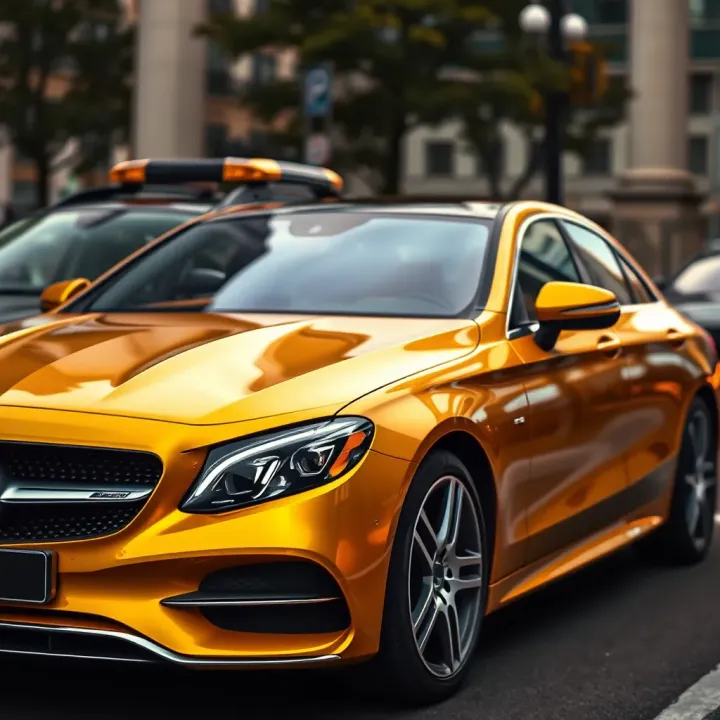
For example, a Mercedes-Benz with a high-end metallic gold finish will likely cost hundreds of dollars more to repaint or touch up compared to standard colors. That said, these premium paints also help preserve resale value when maintained properly.
Gold Mercedes-Benz prices can differ notably depending on where you buy. A dealership in California may charge a premium due to higher demand and disposable incomes compared to a dealership in a less affluent area. Urban centers like New York or Los Angeles often list gold-finished luxury cars at prices $2,000 to $5,000 above the national average.
Local taxes, shipping fees, and dealership incentives further affect prices. Some dealers might add markups on popular colors or trims, especially if gold is considered rare in that market. For investors and dealers, understanding these regional pricing differences is vital to spot arbitrage opportunities or value mismatches.
Supply fluctuations greatly influence price. If gold Mercedes-Benz cars are scarce due to limited factory production or decreased market interest, prices can spike. Conversely, if a glut of gold finishes floods the market, prices might dip as sellers compete.
For example, during an economic downturn, demand for flashy luxury finishes like gold often drops as buyers favor subtler options, pushing gold Mercedes prices down. On the flip side, during periods of strong luxury market growth, gold colors may become more desirable, leading to higher resale prices.
The bottom line is that when assessing a gold Mercedes-Benz's price, one must weigh model specifics, customization choices, and the ever-shifting market landscape. These mix to create complex pricing that demands careful attention to stay ahead.
Knowing which gold Mercedes-Benz models are in demand and understanding their price ranges helps you spot good buying opportunities. Some models hold their value better or come with distinct gold finishes, making your investment both stylish and worthwhile. Here's what to watch.
The classic Mercedes-Benz C-Class and E-Class sedans offer gold paint options, either through factory packages or reputable aftermarket jobs. Typically, a gold-painted C-Class might start around $45,000, but adding a distinctive gold finish can tack on $3,500 to $7,000 depending on the paint quality and trim level. The E-Class commands a higher starting price, often exceeding $55,000, and gold accents can add a premium of up to $8,500. These figures reflect not just the paint itself but also the careful craftsmanship involved.
Meanwhile, the GLC and GLE SUVs also draw attention with tasteful gold accents. These models tend to start at around $55,000 for the GLC and $65,000 for the GLE. Gold-themed finishes on these SUVs add roughly $5,000 to $10,000 to the price tag, driven by both the larger vehicle size and the luxurious appeal. If you're looking for a blend of utility and glam, these gold-accented SUVs are solid contenders.
Mercedes-Benz occasionally releases limited-run models with exclusive gold-themed designs, such as special edition AMG lines sport gold exterior trims or badges. These editions usually carry a price boost of 15% to 25% compared to their standard counterparts, reflecting their exclusivity and craftsmanship. For example, an AMG coupe with gold accents might start at $85,000 instead of $70,000 for the regular model.
Collectors often seek out these limited editions, meaning their resale value can hold up or even exceed the original price if maintained well. Factors like low production numbers, historical significance, and unique detailing contribute heavily to premium pricing. If you’re investing with an eye on collectibility, these models offer added appeal but demand careful consideration about authenticity and condition.
Limited and special gold-accented Mercedes-Benz cars don’t just turn heads—they can also turn into valuable assets over time, provided you choose wisely and maintain them properly.
In summary, popular gold Mercedes-Benz models vary widely in price depending on size, exclusivity, and finish. Understanding these price ranges helps you make informed purchases or investments in the luxury vehicle market.
Customizing a Mercedes-Benz with gold elements isn’t just about standing out; it’s a way to add personal flair while affecting the vehicle’s value and upkeep. Whether you’re opting for a gold paint job or gold accents inside and out, understanding your options and the costs involved helps avoid surprises.
When picking a gold paint finish, you have two main routes: factory-applied and aftermarket paint jobs. Factory gold paint usually offers a more consistent, high-quality finish because it’s applied under strictly controlled conditions. For example, the Mercedes-Benz S-Class may offer an official gold metallic paint as an upgrade, ensuring perfect color matching and durability backed by the manufacturer’s warranty.
On the flip side, aftermarket gold paint jobs provide flexibility in shade and style, sometimes featuring custom gold flakes or pearlescent effects that the factory doesn’t offer. But this convenience comes with trade-offs — the quality can vary widely depending on the shop, and warranty coverage is typically absent. Plus, you might face higher maintenance costs if the finish wears faster or fades unevenly.
Maintenance matters a lot when you go gold. Gold finishes, especially metallic or custom pearlescent paints, often need special care to retain their shine. Regular washing with pH-neutral cleaners and applying high-quality wax or ceramic coatings can extend the paint’s life. For instance, a poorly maintained gold paint job might start to dull after just a couple of years, while one properly cared for could still look impressive even after five years.
Gold detailing isn’t limited to paint. Inside, you can find or add gold trim pieces on dashboards, gear shifters, or speaker covers to enrich the luxury vibe without overshadowing the car’s design. Externally, gold accents might include custom badges, mirror caps, or rims plated or wrapped in gold tones. A 2023 Mercedes-Benz AMG model, for example, might feature factory-installed gold badges or wheel accents as part of a special package.
Cost-wise, adding gold accents is usually less expensive than repainting the entire car but can still add several thousand dollars depending on the extent and quality. High-end customizations like gold-plated emblems or hand-applied gold leaf detailing can push costs significantly higher. It’s important to weigh these expenses against resale value. Well-executed gold accents can increase appeal to niche buyers, but overdone or cheap-looking customizations might reduce demand.
Investing in quality gold customization means balancing upfront costs with long-term value and maintenance. Skimping on paint or accents can cost you more in the long run, both in repairs and resale.
Overall, whether to go factory or aftermarket for gold paint, and how much gold detailing to add, depends on your budget, taste, and how you envision the car's value down the line. Choose wisely to make that gold Mercedes-Benz truly shine while protecting your investment.
Resale value plays a key part when you’re considering a gold Mercedes-Benz. The color itself attracts a niche market, which can impact how quickly the car sells and at what price. Market demand fluctuates; gold cars aren't as common as classic black, white, or gray, which can create either a premium or a challenge depending on current trends.
Gold Mercedes-Benz vehicles tend to appeal to buyers wanting something unique but still luxurious. That said, the demand for gold cars in the used market has shown mixed results. In cities like Miami or Los Angeles, where flashy and bold colors often resonate, gold finishes hold their value better and sometimes fetch a higher resale price. Contrast that with smaller or more conservative markets, where gold cars might be harder to sell and could sit on the lot longer, pushing prices down.
When compared to other luxury car colors, gold sits somewhere in the middle. Classic hues such as black, white, and silver typically have broader appeal and hold resale value consistently. On the other hand, rarer colors like matte or bright metallics might either cause value spikes or drops, depending on buyer taste. Gold’s appeal is often tied to its tone and finish; a tasteful, understated gold trim can add value, but an overly flashy or dated gold might deter some buyers.
Protecting the paint on a gold Mercedes-Benz is crucial to maintaining resale value. Gold finishes, especially custom or metallic paints, can be more vulnerable to fading and swirl marks. Regular upkeep such as using high-quality wax and paint sealants, plus avoiding harsh cleaning chemicals, helps preserve the luster over time. For example, owners who invest in professional ceramic coatings often report less paint degradation, which in turn keeps their vehicle’s value stable.
Customization is a double-edged sword when it comes to resale. While tasteful gold accents or trim can catch buyer attention and justify a price bump, extensive or poorly done custom work can drive potential buyers away. Custom gold paint that matches factory standards generally does well, but aftermarket jobs with inconsistent quality might lower appeal. It’s best to keep records of any custom work and use reputable shops, so future buyers have confidence in the car’s condition.
The bottom line is that the resale value of gold Mercedes-Benz models depends heavily on maintaining the finish's quality and choosing customizations wisely to match market preferences.
By understanding these factors, traders, investors, and financial analysts can better gauge how a gold Mercedes-Benz might perform in resale markets and advise clients with accurate market insights.
When shopping for a gold Mercedes-Benz, being savvy about price and features can save you considerable headaches and money. These vehicles often command a premium because of their unique color and customization options. Knowing how to balance what you want with what you can realistically spend makes a huge difference.
Choosing a gold finish isn’t just about appearance; it also impacts the overall cost. Factory gold paint options usually come at a set added cost, but custom gold jobs can quickly mess with your budget due to the paint’s complexity and required craftsmanship. Say you’re eyeing a C-Class with the standard gold finish versus a bespoke GLE SUV with metallic gold accents. The latter can run significantly higher, sometimes by $10,000 or more, making it critical to weigh how much you want that flash against your price range.
Also, think about what else is bundled with the price. Higher trims might offer better engines, tech, or luxury features alongside the gold paint, so sometimes stretching the budget a bit means better overall value. But if you’re only after the gold look, ask whether a lower trim with custom paint might serve you better.
Comparing dealer prices and private sales often reveals surprising differences. Dealers typically build in warranty coverage and certification costs, which explain their higher sticker prices for gold Mercedes-Benz cars. Private sales might seem cheaper but often lack dealer-backed warranty or reliable service history, which can create costly risks later on. For example, a private seller might list a gold-accented E-Class at $5,000 less than a dealer, but the paint job's upkeep or vehicle history could be questionable.
It pays to shop around and consider all perks. Dealers might offer financing options and certified pre-owned warranties. Private sales offer more negotiation room but require thorough due diligence.
Authenticity matters, especially with a distinctive gold finish. Verify whether the gold paint was factory applied or added aftermarket. Factory gold finishes often come with documentation or can be confirmed through the vehicle’s VIN and manufacturer records. Custom paint jobs need careful inspection to ensure quality and legitimacy. Poorly done custom gold paint can peel or fade fast, hurting both appearance and resale value.
Get a paint thickness meter reading or consult a specialist if you’re unsure about the finish’s origin. Sometimes a dealer’s service department can help authenticate factory paint.
Ensuring the vehicle’s condition matches its price tag is equally important. A gold Mercedes-Benz marked up due to its paint alone should still meet high standards mechanically and cosmetically. Check for signs of paint repairs, dents, rust, or engine issues that lower value. For example, a gold GLC might catch your eye, but if it shows signs of collision repairs or lacks maintenance records, its asking price might be unrealistic.
Professional pre-purchase inspections are a must. They help uncover hidden problems and verify that the vehicle justifies its premium price. Ultimately, investing a bit upfront on inspections protects you from surprises down the line.
Buying a gold Mercedes-Benz requires smart comparison and careful checks. Balancing cost with features and verifying authenticity ensures you get real value for your investment.
By keeping these considerations in mind, you’ll be better equipped to choose a gold Benz that fits your budget and meets your expectations.
🔍 Understand gold trading in Pakistan with insights on market trends, trading methods, regulations, risks, and smart strategies for Pakistani investors 🇵🇰

Learn how gold trading prices in Pakistan shift with market trends, local demand, and policies. Get tips on tracking gold rates and making informed buying or selling choices 📈💰.

Learn how to convert binary numbers to hexadecimal step-by-step with clear examples and tips 🔢. Perfect for students and engineers in computing and tech fields.

🔢 Learn how to convert binary codes into readable text using ASCII & Unicode standards. Step-by-step guide plus useful tools to ease your tech tasks! 💻
Based on 10 reviews