
Forex Trading in Pakistan: Urdu Guide for Beginners
Learn forex trading in Pakistan with Urdu language support 📈. Understand markets, legal steps, risks, and top platforms for confident trading today 🇵🇰.
Edited By
Liam Clarkson
Forex trading has gained significant attention in Pakistan, especially among traders looking to diversify income sources beyond traditional markets. This guide aims to provide you with a clear and practical understanding of forex trading, focusing on essentials tailored for Urdu speakers.
Understanding the basics is critical. Forex, or foreign exchange trading, involves buying and selling currencies to profit from shifting exchange rates. For example, if you expect the US dollar (USD) to strengthen against the Pakistani rupee (PKR), you might buy USD/PKR currency pair to benefit from this movement.
Many beginners rush into forex without grasping key concepts, which often leads to losses. This guide deliberately breaks down important topics such as:
Market structure: How currency pairs work and what influences their prices.
Trading platforms: A look at popular software used in Pakistan like MetaTrader 4 (MT4) and local brokers.
Risk management: How to protect your investment with stop-loss orders and sensible position sizing.
Trading strategies: Including trend following, scalping, and fundamental analysis relevant to Pakistan’s economic indicators.
Mastery of forex trading demands disciplined learning, practical experience, and access to reliable resources in a language you understand well. This Urdu PDF guide offers exactly that — detailed explanations, examples, and tips suited for Pakistani traders.
Accessing trustworthy Urdu-language forex education is crucial. Many online PDFs claim to teach forex but miss the local context or skip over critical regulations by the Securities and Exchange Commission of Pakistan (SECP). This guide emphasises using approved sources and understanding Pakistani laws regarding currency trading.
Whether you are an investor, broker, or financial analyst, this guide equips you with the knowledge to navigate forex markets effectively. By following the PDF instructions and practising diligently, you can avoid common pitfalls and better manage your trading decisions.
In short, this comprehensive Urdu PDF is designed to be your practical companion for starting or improving your forex trading journey, providing detailed yet clear information without unnecessary jargon.
Grasping the basics of forex trading is essential before putting your hard-earned money at risk. Knowing what forex entails, how the market functions, and why it catches the eye of Pakistani traders sets a solid foundation for success. This section breaks down the critical pieces so you can make informed decisions and avoid common pitfalls.
Forex trading means buying and selling currencies against each other. The goal is to profit from the changes in exchange rates between currency pairs. For instance, if you believe the US dollar will strengthen against the Pakistani rupee, you buy the USD/PKR pair and sell when the rate rises. Unlike the stock market, forex operates 24 hours a day, giving flexibility to traders across time zones.
Major currency pairs play a significant role here. These pairs typically include the US dollar paired with other strong currencies like the euro (EUR/USD), British pound (GBP/USD), and Japanese yen (USD/JPY). These pairs are more liquid and tend to have tighter spreads, meaning lower transaction costs. For Pakistani traders, USD/PKR is particularly important as it reflects foreign exchange rates affecting everyday imports and exports.
The forex market works globally through a network of banks, brokers, and trading platforms rather than a central exchange. Trading happens electronically over-the-counter (OTC), allowing Pakistani traders to access international currency markets using platforms like MetaTrader or brokers approved by the Pakistan Telecommunication Authority (PTA). This constant accessibility lets traders respond to economic events around the world in real-time.
Online platforms have made forex trading accessible for many in Pakistan. You no longer need a physical broker or large capital to start. With just a mobile phone and internet, a trader in Karachi can participate alongside a trader in London. This access has opened doors for younger and urban populations to explore forex as a side income or full-time profession.
Many Pakistani traders find forex attractive because it can offer higher profit potential compared to traditional local investments like savings accounts or fixed deposits. While savings rates hover around 7-8% annually, successful forex trading can yield returns within days, though this comes with higher risk. The key is managing that risk wisely through strategies and discipline.
However, common mistakes often trip up beginners. Overleveraging is a major issue—using borrowed funds to trade can amplify losses quickly. Emotional trading, such as chasing losses or ignoring stop-loss orders, also causes unnecessary damage. It is advisable for Pakistani traders to invest time in learning basics thoroughly, practice with demo accounts, and keep clear records of their trades.
Understanding these fundamentals helps you protect your capital and build a realistic approach to trading forex in Pakistan’s dynamic market environment.
Understanding key concepts and terminology in forex trading is essential for anyone serious about succeeding in this market. Knowing the specific terms helps you make informed decisions and avoid costly mistakes. This section breaks down the must-know terms and reading tools that every trader should master.
Pip, lot, leverage, margin, and spread are among the most common terms in forex trading. A pip (percentage in point) is the smallest price move a currency pair can make, usually 0.0001 for most pairs. Traders count pips to measure profit or loss. A lot refers to the size of the trade, typically 100,000 units for a standard lot, but mini and micro lots exist, allowing smaller trades.
Leverage lets you control a larger position than your actual investment; for example, a 1:100 leverage means Rs 1,000 controls Rs 100,000 in the market. Margin is the amount you must deposit to open a leveraged position. Meanwhile, the spread is the difference between a currency pair’s bid and ask price — this is where brokers make money and what traders pay just to enter a trade. For example, if the USD/PKR pair’s bid is Rs 280 and ask is Rs 280.05, the spread is Rs 0.05.
Leverage increases buying power but also magnifies risk. It can turn small price moves into large profits or heavy losses. For instance, if you use 1:100 leverage and the market moves against you by just 1%, you could lose your entire margin. This means risk management is crucial; Pakistani traders should never use excessive leverage without proper stop losses.
Leverage also means that trading costs like spreads and commissions become more significant in your overall profitability. Never enter a trade blindly expecting quick gains—understand how much margin you need and set realistic stop-loss orders to limit downside.
The bid price is what buyers offer to pay for a currency, while the ask price is what sellers ask. The difference is the spread, your immediate cost in trading. For example, if the EUR/USD bid is 1.2200 and ask is 1.2202, you pay 2 pips just to open a trade.
Recognising bid-ask dynamics helps you choose the right time to trade. Lower spreads mean cheaper entry and exit; they often tighten during major market hours, such as the London or New York sessions. For Pakistani traders, it’s wise to avoid opening trades during low volume hours to reduce spread costs.
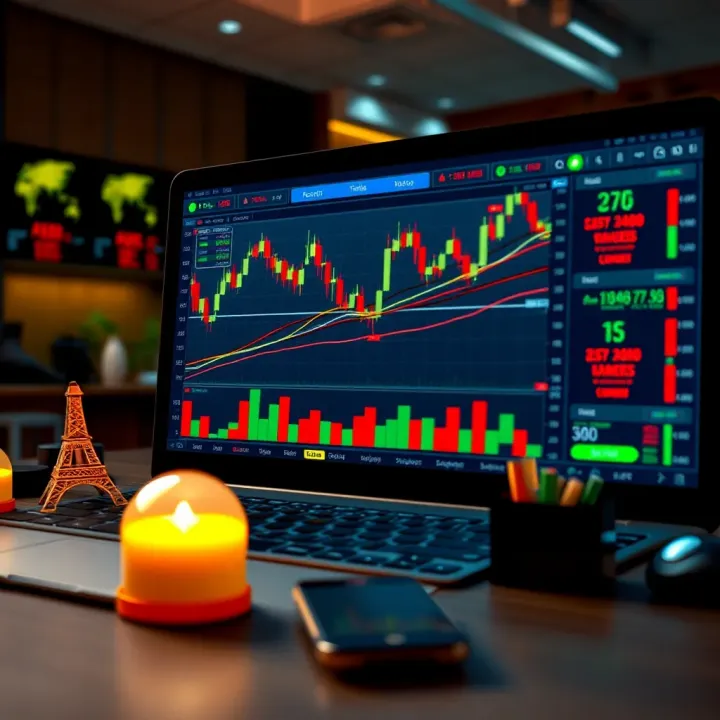
Forex charts visualise price movements over time, vital for spotting trends and entry points. Common types of charts include line charts, which show closing prices only; bar charts with open, high, low, and close prices; and most popular candlestick charts that visually display market action.
Candlesticks help traders see market sentiment at a glance. For example, a long green candlestick indicates strong buying pressure, while a long red one shows selling pressure. Understanding these can alert you to reversals or trend continuation.
Basic trading indicators like Moving Averages (MA), Relative Strength Index (RSI), and Bollinger Bands provide added insight. MAs smooth price data to identify trends, RSI measures momentum to spot overbought or oversold conditions, and Bollinger Bands indicate volatility. Beginners benefit from combining these to avoid false signals.
Time frames matter because forex trades occur on different scales—from 1-minute charts for scalping to daily or weekly charts for long-term trading. Your choice depends on strategy and availability. A day trader in Karachi might focus on 15-minute or hourly charts, whereas an investor may check daily trends.
Mastering these concepts is the foundation for smart forex trading. Without understanding terms like leverage or reading charts properly, even the best strategies can fail.
By grasping these key ideas, you're better equipped to navigate Pakistan's forex market confidently and spot better opportunities for profit.
Developing a solid forex trading strategy is essential for any trader aiming to achieve consistent profitability. Without a clear method to guide decisions, traders often fall prey to impulsive actions that can lead to significant losses. Especially in volatile markets, having tested and practical strategies helps you stay disciplined and manage risks effectively.
Trend following is one of the simplest but effective strategies in forex trading. It involves identifying the general direction of a currency pair – either upward (bullish) or downward (bearish) – and then entering trades that align with that movement. For example, if the PKR/USD pair shows a steady upward trend for several days, a trader might buy expecting the value to rise further. This strategy works well because markets tend to continue moving in a trend before reversing.
What makes trend following practical is its reliance on clear price movement rather than complicated indicators. However, it requires patience and the ability to hold positions through small reversals. Pakistani traders often use trend lines and moving averages on platforms like MetaTrader to identify these trends.
Swing trading targets shorter market movements within a bigger trend and usually holds positions from a few days to a couple of weeks. This strategy suits traders who cannot monitor the market all day but want to benefit from price swings. For instance, if the EUR/PKR pair swings between Rs 185 and Rs 190 over a week, a swing trader tries to buy at Rs 185 and sell near Rs 190.
It offers a balance between active and passive trading, allowing traders to capture gains from price volatility without the need for constant monitoring. Swing trading requires understanding of support and resistance levels and can be enhanced through technical indicators like RSI or MACD to time entries and exits.
Scalping is a more aggressive strategy focused on making many small profits throughout the trading day. Scalpers usually hold positions for seconds to minutes, catching quick price changes, often using one-minute or tick charts.
While scalping can be profitable, it demands fast decision-making, a reliable internet connection, and low spreads to avoid excessive costs. In Pakistan, where internet stability can fluctuate, scalping might not be suitable for everyone. Yet, for traders using robust setups, it offers an opportunity to accumulate small gains that add up over time.
Before trading, it’s crucial to set achievable targets based on your capital, risk tolerance, and market knowledge. For example, aiming for a 5% monthly return rather than 50% keeps expectations grounded and reduces emotional pressure. Realistic goals help maintain motivation and discourage chasing losses through reckless trades.
Especially if you’re learning from Urdu PDFs or tutorials, start small and gradually increase your targets as your skills improve. This approach promotes sustainable growth in your trading account.
Managing risk protects your capital from big losses that can wipe out months of gains. Common techniques include using stop-loss orders to limit potential loss on each trade, risking only 1-2% of your total capital per position, and diversifying trades across different currency pairs.
For instance, if you have Rs 100,000, risking Rs 1,000 to Rs 2,000 per trade keeps you safe from sudden market swings. Risk management also involves avoiding high leverage unless you fully understand the dangers.
Successful forex trading is not about winning every trade but managing losses so you can stay in the game longer.
Documenting every trade keeps you accountable and helps identify patterns in your successes and mistakes. Your journal should record entry and exit points, reasons for the trade, profit or loss, and any emotional notes.
Over time, reviewing your journal helps to refine your strategies and avoid repeating common errors. Pakistani traders often combine journal keeping with WhatsApp or Excel notes to track performance. This simple habit sharpens discipline and boosts learning significantly.
Each of these strategy components – picking the right trading style, defining personal goals, managing risks carefully, and keeping detailed records – forms the backbone of sustainable forex trading. Applying these within your learning from Urdu PDFs can turn theory into practical success.
Using Urdu Forex trading PDFs can be a practical starting point for Pakistani traders eager to learn in their native language. These resources condense complex trading concepts into easier terms and provide step-by-step guidance tailored to local realities. However, the value of these PDFs depends largely on their authenticity and how you approach your study.
Reputable websites and forums are the first places you should explore. Trusted financial education portals and Pakistani trading forums often host or recommend quality PDFs, making them safer bets than random downloads from unofficial blogs. For example, platforms dedicated to Pakistan’s financial markets or forums like Pakistan Trader’s Circle usually vet their materials before sharing. Accessing PDFs from these sources reduces the risk of wasting time on outdated or incorrect data.
Evaluating the credibility of course materials is essential before diving into any forex PDF. Check the author's background and their experience in trading or financial education. Verified affiliations with Pakistani financial institutes or trading platforms can be a good sign. A legitimate PDF often includes references to regulatory guidelines, updated market practices, and examples relevant to Pakistan’s forex environment, such as how SBP (State Bank of Pakistan) policies affect currency movement.
Avoiding scams and unreliable sources demands caution. Many PDFs available online are either plagiarised, filled with generic content, or designed to lure you into paid schemes later on. Stay clear of materials promising overnight riches or guaranteed profits. If a source asks for excessive personal info or advance payments before sharing the PDF, treat it as suspicious. A simple online search for user reviews or complaints regarding the provider can save you from falling victim to fraud.
How to structure self-study sessions effectively is key to making these PDFs work for you. Break down your study into manageable chunks, focusing on one concept or chapter at a time. For instance, spend a week just understanding how pips and leverage work before moving to chart reading. Consistency over cramming helps retention, especially with technical material.
Supplementing PDFs with practical exercises greatly enhances understanding. Try demo trading accounts offered by Pakistani brokers like a PTA-approved broker or platforms accessible via JazzCash or Easypaisa as funding options. Attaching real trades to theoretical knowledge lets you witness concepts in action, helping you avoid costly mistakes when you switch to live trading.
Using online tutorials and Pakistan-specific examples provides extra clarity. Many Pakistani YouTube channels deliver forex lessons in Urdu, breaking down PDFs with relatable examples, like how rupee-dollar rates respond to Pakistan’s economic news or import-export policies. Webinars hosted in PKT time help you stay connected with market trends local to you.
Accurate, well-structured Urdu forex PDFs combined with practical learning and trusted sources give Pakistani traders a strong foundation. Avoid shortcuts and focus on credible, applicable content to improve your trading skills effectively.
This approach ensures you build knowledge step-by-step while avoiding pitfalls common among new traders in Pakistan’s forex space.
Choosing the right tools and resources is essential for Pakistani traders seeking consistent success in forex trading. Reliable platforms, brokers licensed by Pakistan Telecommunication Authority (PTA), and educational support form the backbone of an effective trading experience. Without these, traders risk falling prey to scams or inefficient systems that drain both time and money.
When selecting a forex broker in Pakistan, the foremost step is to verify whether they are PTA-approved. The PTA approval ensures that the broker is legally registered and authorised to operate within Pakistan’s jurisdiction. This approval protects traders from fraudulent schemes and enables smoother transactions with compliance to local regulations. Platforms such as those recommended by SECP (Securities and Exchange Commission of Pakistan) alongside PTA endorsements offer added security for users.
Many brokers operate internationally, but without local approval, accessing funds and legal recourse often becomes complicated. Checking the broker’s registration details on official PTA or SECP listings is a straightforward but necessary step before depositing any money.
A reputable trading platform should provide a user-friendly interface combined with powerful tools. Look for real-time quotes, low spreads, and fast execution speeds. Platforms like MetaTrader 4 and MetaTrader 5 are popular choices in Pakistan for their reliability and extensive community support.
Besides basic features, ensure the platform supports mobile trading since Pakistani traders often use smartphones. Additional elements like customisable charting tools, integrated news feeds, and alert notifications significantly aid decision-making. Security features such as two-factor authentication and data encryption are crucial to keep your account safe.
Smooth and hassle-free payment methods are critical. Most PTA-approved brokers accept local deposit methods such as bank transfers from major Pakistani banks (HBL, UBL, MCB) and e-wallets like JazzCash or Easypaisa. These options reduce transaction fees and transfer times compared to international bank wiring.
Withdrawal processes should be transparent and timely. Brokers facilitating local currency (PKR) withdrawals avoid currency conversion delays and additional bank charges. Before signing up, confirm the minimum withdrawal limits and expected processing durations to avoid surprises.
Telegram and WhatsApp serve as vibrant community hubs where Pakistani forex traders share tips, live signals, and discuss market trends. Joining these groups provides real-time insights from peers and experienced traders alike. However, it's important to stay cautious and verify any trading signals you receive, as not all may be reliable.
These groups often provide Urdu language support, making complex topics easier to grasp for local traders. Some groups also arrange question-answer sessions to help beginners clear doubts in a friendly environment.
YouTube has become a tremendous resource with many Pakistani content creators offering forex tutorials in Urdu. Channels like “Forex Urdu Academy” and “Trader’s Lounge Pakistan” break down complicated strategies and technical analysis into easy-to-understand videos.
Video tutorials allow you to pause, rewind, and practice using demo accounts alongside the lessons. This visual aid complements written PDFs and helps ensure better retention.
Live webinars hosted by seasoned traders and financial experts give Pakistani traders a chance to learn strategies in real time. These sessions often include Q&A portions where participants can get answers tailored to their concerns.
Moreover, live trading sessions demystify market behaviour by demonstrating actual trades and decision-making processes. Platforms like Zoom and Facebook Live are common mediums for these events. Engaging actively in these sessions enriches your learning beyond static PDFs and books.
Remember, combining trustworthy platforms, active community participation, and practical learning tools makes forex trading manageable and potentially profitable for Pakistani traders.
Learn forex trading in Pakistan with Urdu language support 📈. Understand markets, legal steps, risks, and top platforms for confident trading today 🇵🇰.
📈 Explore forex trading training essentials for Pakistani traders: skills, strategies, course structures, and tips to navigate market challenges confidently.
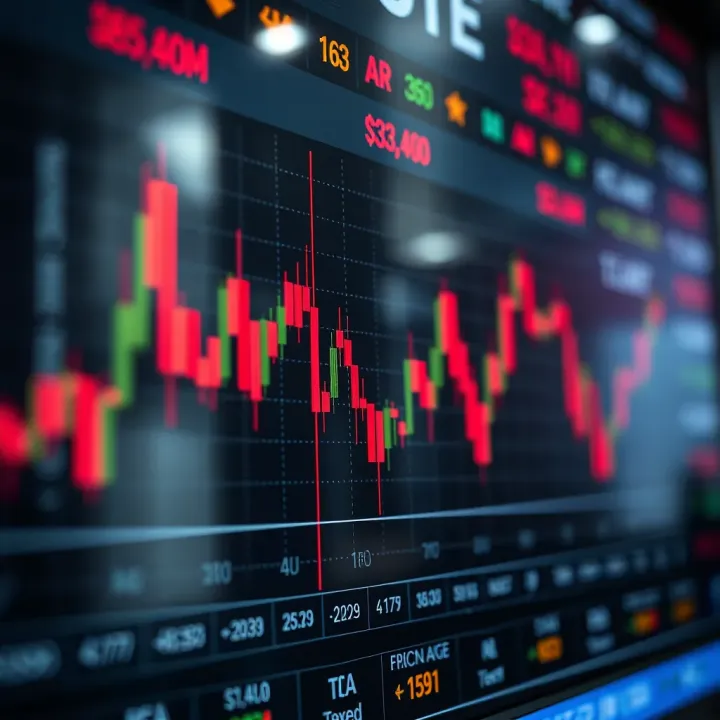
📊 Understand live forex trading with real-time tools, market insights, and risk management tips crafted for Pakistani traders seeking success in volatile markets.
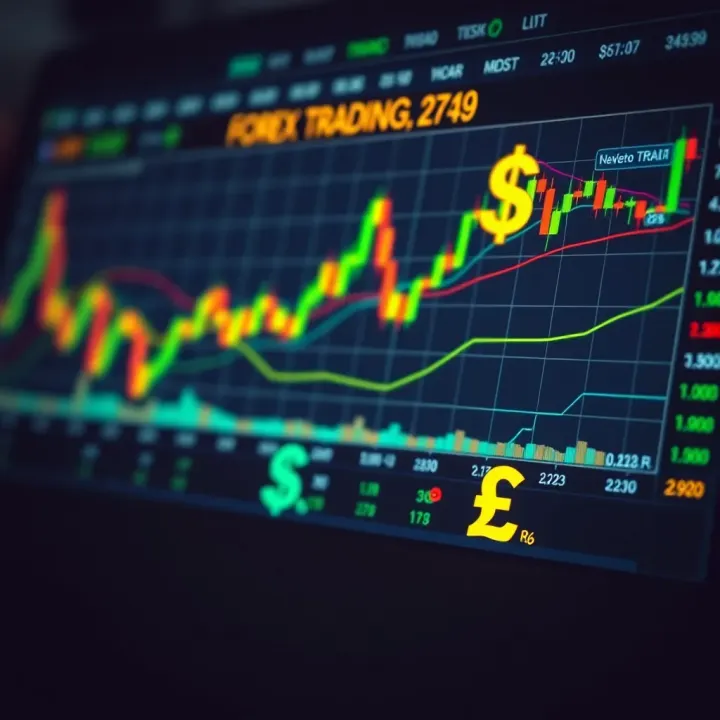
Learn forex trading basics in Pakistan 🇵🇰, from essential terms to risk strategies and technology use, with practical tips for confident trading in local markets 💹
Based on 10 reviews