
Forex Trading Training Guide for Pakistani Beginners
📈 Explore forex trading training essentials for Pakistani traders: skills, strategies, course structures, and tips to navigate market challenges confidently.
Edited By
Oliver Reed
Forex trading quotes show the live exchange rate between two currencies, letting traders know exactly how much one currency is worth in terms of another. For Pakistani traders, this info is key for making smart buy or sell decisions involving the Pakistani Rupee (PKR) and other global currencies.
Every forex quote features two prices: the bid and the ask. The bid price reflects what buyers will pay for a currency, while the ask price is what sellers want to receive. The difference between them is called the spread, which affects trading costs directly. For example, if USD/PKR is quoted as 280.50/280.55, you can sell USD at 280.50 and buy at 280.55.
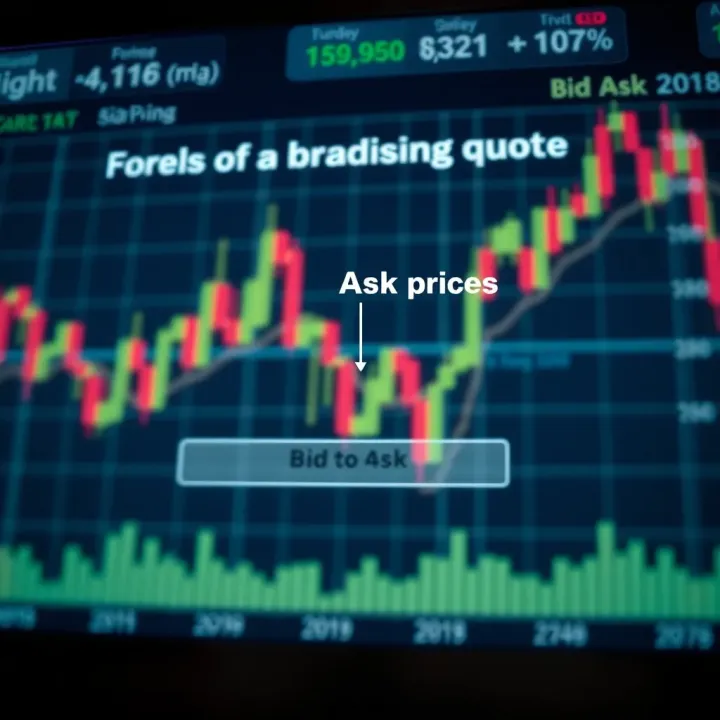
Quotes are usually given as pairs like USD/PKR, EUR/USD, or GBP/PKR. The first currency is the base, and the second is the quote or counter currency. So, USD/PKR means how many Pakistani Rupees you need to buy one US Dollar.
Reliable forex quotes come from trusted sources like the Interbank market, renowned brokers, or financial news services. For Pakistani traders, platforms like the State Bank of Pakistan’s official rates, international brokers with local presence, and established apps such as MetaTrader or TradingView are common sources.
Forex quotations fluctuate constantly due to factors like international trade, interest rate changes by the State Bank of Pakistan (SBP), geopolitical events, and global market sentiment. For instance, political uncertainty or shifts in oil prices can quickly affect the PKR’s value.
Understanding how to read and interpret forex quotes can help you spot trading opportunities, manage risk, and plan your entry or exit points with confidence. Keep in mind the difference between direct quotes (e.g., PKR/USD) and indirect quotes (USD/PKR) and how each impacts your calculation.
In the coming sections, we will explore how these quotes work in detail, explain common terms, and guide you on using this knowledge practically for forex trading within Pakistan’s financial environment.
Understanding the basics of forex trading quotes is essential for anyone involved in currency trading, especially Pakistani traders dealing with the Pakistani Rupee (PKR) alongside major world currencies. Forex quotes show the current exchange rates between two currencies, helping traders decide when to buy or sell. Knowing how these quotes work can prevent costly mistakes and improve trading strategies.
Forex trading quotes represent the price of one currency in terms of another. These quotes are always given in pairs, such as USD/PKR or EUR/PKR, and indicate how much of the second currency (quote currency) you need to buy one unit of the first currency (base currency). For example, if USD/PKR is quoted at 280.50, it means you need Rs 280.50 to buy one US dollar. Quotes constantly change as market demand shifts.
Currencies are quoted as pairs because forex trading always involves exchanging one currency for another. The first currency is called the base currency, the one you buy or sell, while the second is the quote currency, the currency used to price the base currency. Common pairs involving PKR include USD/PKR, EUR/PKR, and GBP/PKR. If USD/PKR moves from 280.50 to 281.00, the Rupee has weakened, meaning you now pay more PKR to buy one US dollar.
Forex pairs are often categorised as major, minor, or exotic pairs. For Pakistani traders, USD/PKR is a critical major pair because of economic ties with the US. Exotic pairs like AED/PKR or CNY/PKR can show more volatility and wider spreads.
Every forex quote includes two prices: the bid and the ask. The bid price is the highest price a buyer will pay for the base currency; the ask price is the lowest price a seller will accept. The difference between them is called the spread.
For example, if USD/PKR shows a bid of 280.45 and an ask of 280.50, a trader selling US dollars will receive Rs 280.45 per dollar, while buying costs Rs 280.50 per dollar. The spread (5 paisa) represents the trading cost, which brokers charge indirectly.
Knowing the bid and ask prices helps traders time their entries and exits effectively, ensuring they do not pay more than needed or sell for less.
In short, grasping how forex quotes work, including currency pairing and bid/ask prices, equips you with the foundation to read market signals and make informed trading decisions. Next, you can confidently explore interpreting spreads and price movements crucial for Pakistan’s forex market.
Forex quotes hold the key to making smart trading decisions. Without understanding their details, you might end up guessing or reacting too late to market changes. This section explains how to interpret forex quotes, focusing on the spread, pips, and practical examples to help you spot opportunities and manage risks effectively.
The spread is the difference between the bid price (what buyers offer) and the ask price (what sellers want). It’s basically the cost you pay for making a trade. In Pakistani forex trading, spreads can be quite variable, especially for currency pairs involving the Pakistani Rupee (PKR), which might show a wider spread than major pairs like EUR/USD.
For example, if USD/PKR is quoted with a bid of 280.00 and an ask of 280.20, the spread is 0.20 PKR. This cost affects your profit margin directly. Narrow spreads mean lower trading costs, which is why many traders check the spread carefully before placing an order. Spreads can widen during volatile times or when liquidity is low, making timing important.
A pip is the smallest price move a currency pair can make, typically the fourth decimal place in most pairs. For USD/PKR, where rates are quoted as whole numbers with two decimals, a pip often equals 0.01 PKR.
Knowing how to calculate pips helps you understand gains or losses. If the USD/PKR moves from 280.00 to 280.50, the price has moved 50 pips. For a trade size of 10,000 USD, a 50-pip movement could mean a profit or loss of Rs 500.
Pips allow you to measure market movements consistently and decide your stop-loss and take-profit levels in terms of how many pips you’re willing to risk or target.
Let’s say EUR/USD is quoted at 1.1250/1.1253. The 1.1250 is the bid price, where traders can sell Euros, and 1.1253 is the ask price, where traders buy. The spread here is 3 pips (0.0003). If you want to buy Euros, you pay the ask price; if you sell, you receive the bid price.
For USD/PKR quoted at 280.00/280.25, your buying cost is Rs 280.25 per USD. If the currency climbs to 281.00, you gain 75 pips (0.75 PKR), which would be significant for large-volume trades.
Understanding these quotes helps you make quick, informed choices and know exactly where your profits or losses stand before entering a trade.
By mastering the spread, pips, and quote reading, Pakistani traders can better interpret market signals and improve their trading strategies.
Getting accurate forex trading quotes is essential for Pakistani traders who want to make informed decisions in a fast-moving market. Trustworthy sources not only provide up-to-date currency pair rates but also help avoid costly mistakes that can happen due to outdated or incorrect information. Let's explore the main sources Pakistani traders rely on for forex quotes.
Broker platforms often serve as the first stop for most traders. Well-established forex brokers operating in Pakistan, like IG, XM, and local licensed ones, offer real-time forex quotes directly on their trading platforms or mobile apps. These platforms show bid and ask prices with minimal delays, essential for timely entry and exit points. Apps from brokers also provide handy tools such as price alerts and live charts, which allow you to monitor market moves on the go. Always check if your broker is regulated by the Securities and Exchange Commission of Pakistan (SECP) or recognised international authorities, to ensure quote reliability and fair execution.
Besides broker apps, financial news services keep traders informed about the broader factors influencing forex rates. International platforms like Bloomberg and Reuters supply live forex data widely respected in the market. For Pakistan-focused rates, outlets such as Business Recorder and Dawn Business Section regularly report on PKR movements and related economic data that impact currency valuations. These sources offer context beyond raw numbers, helping traders connect quotes with economic events or political developments. Subscribing to timely news updates or alerts from these services helps keep your trading decisions grounded in the latest facts.
The State Bank of Pakistan (SBP) plays a key role by publishing official foreign exchange rates every day. These rates, especially the PKR to USD official parity, serve as reference points across the financial system, including banks and exchange companies. Although SBP rates are updated once daily and do not reflect intraday market fluctuations, they help gauge the broader trend and verify if broker quotes are in line with national figures. For traders, following SBP announcements can be crucial during times of currency swings or policy shifts. Keeping an eye on SBP’s published data ensures your information stays rooted in trusted national benchmarks.
Reliable forex quotes are more than just numbers—they offer the foundation to craft your trading strategy and manage risk effectively. By combining broker platforms, news services, and official rates, Pakistani traders can build a clearer, more confident view of the forex market.
In summary, sourcing trustworthy forex trading quotes in Pakistan involves balancing real-time data from brokers, insightful updates from financial news, and official figures from the State Bank. Each has a role, and together they form a solid foundation for successful forex trading.
Forex quotes do not move randomly; several key factors influence their daily fluctuations. Understanding these factors helps Pakistani traders anticipate market changes and make better trading decisions. For example, knowing how economic releases or political developments impact currency prices can give you an edge when trading the Pakistani Rupee (PKR) against other currencies.
Economic indicators are data points that show how a country’s economy is performing. In Pakistan, traders closely watch reports like the inflation rate, GDP growth, trade balance, and interest rate decisions by the State Bank of Pakistan (SBP). For instance, if Pakistan’s inflation rises unexpectedly, the SBP might hike interest rates, potentially strengthening the PKR. Similarly, a favourable trade balance, where exports exceed imports, can boost confidence in the currency. Conversely, weak GDP growth or rising unemployment usually puts downward pressure on exchange rates.
Besides national figures, major economies also affect forex quotes worldwide. For example, US Non-Farm Payrolls or European Central Bank announcements often cause sharp moves. Pakistani traders should keep an eye on these reports since the US Dollar (USD) is involved in most PKR currency pairs.
Political stability influences forex markets significantly. Uncertainty from elections, government changes, or turmoil can increase volatility and lead to sudden currency swings. Take Pakistan’s general elections — the lead-up and aftermath often affect PKR’s value. Traders watch news closely to assess risk, adjusting positions accordingly.
Market sentiment reflects overall trader attitude, which can change rapidly with rumours, policy announcements, or even geopolitical tensions. For example, if there are reports of improved ties between Pakistan and a major trade partner, traders may boost PKR buying. On the flip side, street protests or diplomatic issues can erode confidence, weakening the currency.
Political events may not change fundamentals immediately but can shift market mood, causing short-term price spikes or drops.
The balance between buying and selling forces determines the actual forex quotes you see. Supply and demand for a currency depend on many factors, including trade flows, remittances, foreign investment, and speculation.
In Pakistan, remittances from overseas workers form a major source of foreign currency. A surge in remittances increases PKR supply in the market, which can ease pressure on the currency. On the other hand, heavy imports or large foreign debt repayments raise demand for foreign currency, pushing the PKR lower.
Speculative trading also impacts supply-demand dynamics. Traders betting on future currency moves create volatility—sometimes driving prices away from economic fundamentals temporarily. Understanding these shifts helps you decide when to enter or exit trades based on quote changes.
Overall, recognising how economic data, political happenings, and supply-demand forces shape forex quotes prepares you to navigate Pakistan’s forex market more confidently and effectively.
Understanding forex quotes is just the start; making smart use of them can be the difference between profit and loss, especially in Pakistan’s unique trading environment. These quotes can be volatile, influenced by global events and local factors like the rupee’s behaviour or government's policy announcements. That said, having practical tips helps Pakistani traders use forex quotes effectively and reduce common pitfalls.
Currency markets can shift quickly, with periods of calm suddenly giving way to bursts of volatility. Pakistani traders should keep an eye on volatility indicators, especially during big events such as the State Bank of Pakistan’s monetary policy announcements or US Federal Reserve decisions, which impact PKR exchange rates. For instance, rupee forex quotes often show sharp fluctuations post these events, so entering or exiting trades at such times needs caution. Using tools like the Average True Range (ATR) indicator or watching the spread size can help gauge if the market is calm or choppy.
Timing trades around volatile times without ignoring fundamental data can increase the chance of good entry or exit points and protect against avoidable losses.
Forex quotes come with terminology that some Pakistani traders might misunderstand, like bid/ask prices or spreads. For example, beginners often mistake the spread as a fee charged by the broker only, while it also reflects liquidity or market demand at a moment. Another common mix-up is assuming every change in the quote means the market is suddenly moving significantly. Minor fluctuations, especially in less liquid hours common in Pakistan, can be noise rather than trend signals. Traders should avoid overreacting to such moves and always check if their source data—be it broker platform or news—is reliable and updated at real-time.
Forex quotes show price levels but don’t give the full picture. Pakistani traders benefit from combining quotes with technical analysis to spot trends and trade signals. For example, using simple tools like moving averages or Relative Strength Index (RSI) alongside real-time forex quotes can help confirm if a trend is gaining strength or if a reversal might come. A trader noticing a rising EUR/USD quote might wait for the RSI to show it is not yet overbought before entering. Technical analysis adds a layer of confirmation, reducing guesswork based solely on raw forex quotes.
Practical integration of forex quotes with chart patterns, volume indicators, and support/resistance levels lets traders plan trades with more confidence rather than acting on impulsive quote changes.
By applying these tips thoughtfully, Pakistani traders can navigate forex markets more skilfully and protect their capital from common errors linked to misreading quotes or ignoring market behaviour.
📈 Explore forex trading training essentials for Pakistani traders: skills, strategies, course structures, and tips to navigate market challenges confidently.
📊 Understand live forex trading with real-time tools, market insights, and risk management tips crafted for Pakistani traders seeking success in volatile markets.
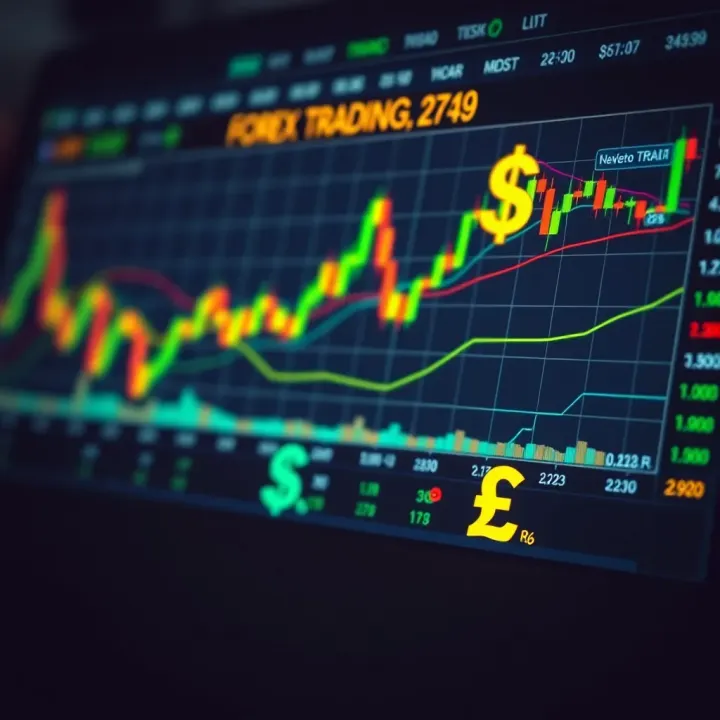
Learn forex trading basics in Pakistan 🇵🇰, from essential terms to risk strategies and technology use, with practical tips for confident trading in local markets 💹
Learn forex trading in Pakistan with Urdu language support 📈. Understand markets, legal steps, risks, and top platforms for confident trading today 🇵🇰.
Based on 8 reviews