
Gold Trading in Pakistan: A Practical Guide
🔍 Understand gold trading in Pakistan with insights on market trends, trading methods, regulations, risks, and smart strategies for Pakistani investors 🇵🇰
Edited By
Liam Clarkson
Gold prices in the UAE don’t float in isolation—they hinge on a mix of local and global factors. Understanding these variables helps traders and investors make smarter moves.
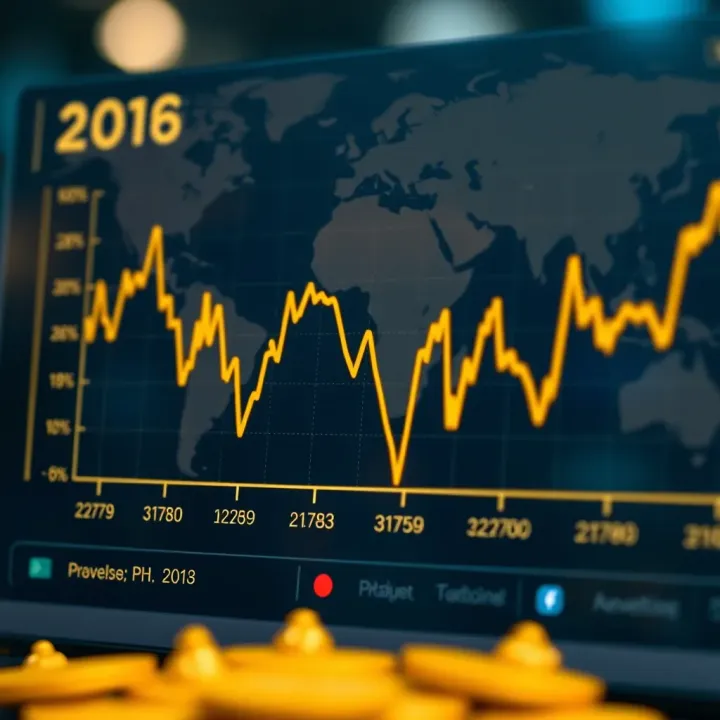
The UAE gold rate often mirrors global spot prices set in markets like London and New York. When international gold prices rise because of economic uncertainty or geopolitical tensions, the effect quickly ripples through Dubai’s gold souks and local exchanges. For instance, during times of inflation concerns in the U.S., gold tends to shine as a safe haven, pushing prices up in the UAE.
Since gold is priced in U.S. dollars, fluctuations in the dollar’s strength against the UAE dirham play a critical role. If the dollar weakens compared to the dirham, gold can become slightly cheaper in the UAE, affecting buying power. Traders keep a close eye on currency trends to anticipate these impacts.
Dubai’s position as a gold trading hub means local demand—including from jewelers and consumer buyers—can sway prices. Seasonal spikes, like those before wedding seasons or festivals such as Eid, often push up demand, nudging rates higher. Conversely, increased imports or government gold reserves sales can add supply pressure, tempering prices.
The UAE’s shift to a 5% VAT on gold in 2018 changed trading dynamics, especially for lower purity gold below 22 karats. Traders and investors watch for any regulatory changes to navigate the market effectively. Unlike some countries, the UAE doesn't charge capital gains tax on gold, making it more attractive for long-term holding.
Staying informed about these elements enables you to react quickly to market swings, which is critical for trading or investing in gold.
Tools like Reuters Market Data, the Dubai Gold & Commodities Exchange (DGCX) quotes, and major bank reports help you track price movements in real time. Also, understanding technical analysis, such as resistance and support levels, can forecast short-term trends.
Gold prices in the UAE are tied to global spot prices.
Currency exchange rates impact local affordability.
Seasonal demand spikes can increase prices.
Tax rules affect trading costs.
Tracking tools and charts are key for timely decisions.
Grasping these factors puts you ahead whether you’re buying gold for investment or selling in the UAE market.
Tracking the current gold prices in the UAE is essential for anyone involved in trading, investing, or simply monitoring the market. Since gold serves as both a commodity and a financial asset, understanding its daily rates lets traders react promptly to market shifts and investors make informed decisions about buying or selling. For example, a jeweler in Dubai might adjust pricing on the spot based on the day’s per gram rate, while an investor watches these numbers to gauge potential returns on gold ETFs.
Today's gold prices in the UAE are commonly quoted per gram and per ounce, with 24-karat gold setting the standard for purity. For instance, as of this morning, the price might be hovering around $60 per gram, influenced by raw material costs, import duties, and refining charges. These rates typically fluctuate within the day, affected by trading in major hubs like London and New York, plus local demand in the UAE's bustling gold markets like those in Deira and Al Fahidi.
Buyers and sellers also need to consider premium charges over the base gold price, which cover craftsmanship or dealer profits. Such premiums can vary widely depending on the gold product: a simple gold bar could have a lower premium compared to a finely crafted gold necklace.
Examining the gold price trends over past days and weeks reveals meaningful patterns and possible future movements. For example, gold prices may have risen 2% in the last week due to increased geopolitical tensions, pushing investors toward safe-haven assets. Conversely, a recent dip might reflect a stronger U.S. dollar or rising interest rates that lure money away from gold.
For day traders, short-term changes—like a sudden $1 jump per gram—can represent quick profit opportunities, while long-term investors focus on monthly or quarterly trends to decide on buying or holding. Monitoring the fluctuations also helps financial analysts forecast demand and advise clients accordingly.
Staying updated on daily gold prices paired with a solid grasp of recent trends equips anyone dealing with gold in the UAE to navigate its unpredictable market more confidently.
By routinely comparing current rates to recent data, you avoid surprises and make smarter trading choices tailored to the UAE’s unique market dynamics.
Gold prices in the UAE aren't just about how much the metal is worth globally—they reflect a complex mix of worldwide and local factors. Understanding these drivers helps traders, investors, and financial analysts better predict shifts in value and make smarter moves in the market.
The U.S. dollar’s strength plays a major role in gold prices worldwide, including in the UAE. Since gold is priced in dollars, when the USD gains strength, gold becomes more expensive for holders of other currencies, often leading to lower demand and thus a price dip. On the flip side, a weaker USD tends to push gold prices up as it's cheaper for international buyers. For example, back in late 2022, as the Fed signaled interest rate hikes, the USD surged and gold prices briefly dropped, showing how tightly these two are linked.
Gold is often seen as a hedge against inflation. When inflation rises, the purchasing power of fiat currencies falls, making gold attractive as a store of value. This relationship is visible in the past few years when U.S. inflation spikes triggered increased buying of gold globally, including in the UAE. For investors and traders, tracking inflation reports can hint at potential gold price movements; a sudden rise in inflation is often a good signal to watch gold markets closely.
The UAE’s gold market is heavily influenced by local demand, especially from consumers and jewelers in Dubai, known as the 'City of Gold.' Seasonal factors—like wedding seasons and religious festivals—can cause sharp rises in demand. Equally, supply-side changes, such as new gold imports or export restrictions, can impact prices by shifting availability. For instance, during Ramadan and Eid, gold buying often spikes, pushing prices upward in the local market.
Political stability in the Gulf region directly affects gold prices in the UAE. Any signs of unrest or diplomatic tensions can make investors nervous, turning gold into a safe haven asset. When events like regional conflicts or sanctions occur, they create uncertainty that usually boosts gold demand in the UAE as a protective investment. For example, during periods of heightened tensions in the Strait of Hormuz, gold prices in the UAE have shown upward pressure due to increased local and international buying.
Oil prices are a significant factor for the UAE economy, and they indirectly influence gold markets. High oil prices lead to economic boosts for Gulf countries, increasing liquidity and investment in assets like gold. Conversely, when oil prices slump, government revenues tighten, possibly reducing gold market activity. This link means traders watching gold prices in the UAE should also keep an eye on oil market trends since shifts there can ripple into precious metals markets too.
Understanding these factors equips investors and traders in the UAE with a clearer picture, helping them time purchases or sales better and maximize outcomes in a volatile market.
Grasping gold price movements is key for anyone dealing in the UAE's dynamic gold market. Tracking these changes isn’t just about knowing today's rate—it’s about contextualizing shifts to make smarter decisions. Whether you're a trader, investor, or broker, staying updated helps you anticipate trends and seize opportunities while avoiding pitfalls.
Official market reports come straight from recognized institutions like the Dubai Gold & Commodities Exchange (DGCX) and the Dubai Multi Commodities Centre (DMCC). These reports offer verified, up-to-date figures reflecting the official market status. For example, the DMCC publishes daily rates for different gold purities and forms, ensuring you get precise numbers essential for accurate valuations and negotiations.
Using official data lets you sidestep unreliable prices that sometimes float around on informal channels. If you’re trying to decide when to buy or sell, having that solid foundation is crucial. It’s like having a scoreboard in a game—without it, you’re just guessing where things stand.
Trusted financial news outlets like Bloomberg, Reuters, and CNBC also provide valuable insights, combining current rates with analysis on market factors affecting prices. They often highlight how global events—like Fed interest rate decisions or geopolitical unrest—impact gold’s value in the UAE. For instance, during periods of USD volatility, financial news outlets explain why gold prices react the way they do.
Following these sources adds perspective beyond the numbers. They connect dots between market moves and real-world events, making it easier to interpret price shifts rather than just watching numbers fluctuating. Traders especially benefit from such analysis to time their moves effectively.
Thanks to technology, real-time gold price tracking has never been easier. Mobile apps like Kitco, Investing.com, and the DGCX's official app offer minute-by-minute updates on gold prices, alerts for price thresholds, and charts for historical data. This immediacy helps you react quickly when prices swing, which is critical in volatile markets.
Such tools often include customizable notifications. For example, you can set alerts when gold crosses a price you’re watching closely, so you don’t miss buying opportunities or chances to sell. They also provide comparisons between Dubai’s rates and international benchmarks like the London Bullion Market Association (LBMA) prices, giving a fuller market picture.
Staying informed through reliable sources and real-time tools is the bottom line. It equips you with the clarity required to make informed decisions in the ever-shifting gold market of the UAE.
Monitoring gold prices is about more than just numbers; it's a strategic move. Using official reports, financial news, and handy apps helps keep you in the know and ahead of the curve.
Buying and selling gold in the UAE is more than just a financial transaction—it's a savvy way to grow savings, hedge against inflation, or simply benefit from market fluctuations. This market thrives because of the UAE's strong cultural tradition and its position as a global trading hub. For investors and traders, understanding key strategies and market behaviors can improve decisions and optimize returns.
Timing purchases effectively is all about paying attention to market trends and avoiding impulsive buys. Gold prices can swing based on global events like changes in U.S. monetary policy or shifts in oil prices. For instance, many buyers in Dubai wait until after major announcements from the Federal Reserve before making bulk purchases. Buying during slight dips or when the gold price stalls can save significant amounts.
Another tip: don't get caught up in daily price noise. Instead, look at trends over weeks or months. This approach helps avoid overpaying due to short-term spikes. A local jeweler in Sharjah might offer better rates during certain festivals when demand dips, illustrating how timing can vary with cultural and seasonal factors.
Understanding gold purity and certification is essential to ensure the authenticity and value of your purchase. Gold in the UAE often comes in different karats, such as 22K or 24K, with 24K being the purest. Knowing the difference helps you pay fairly and avoid scams.
Certified gold carries a stamp verifying its purity and weight, often from reputable entities like the Dubai Multi Commodities Centre (DMCC). Without this, buyers risk ending up with substandard gold. For example, a buyer who insists on certified pieces from trusted dealers like Malabar Gold & Diamonds reduces the chance of counterfeit products, especially when buying large quantities.
Evaluating market conditions before selling gold can make a big difference in profits. Keeping track of international gold prices, local demand, and even geopolitical events helps sellers choose the right moment. For example, during periods of geopolitical tension in the Gulf, prices sometimes jump due to increased demand for safe assets.
Sellers also need to consider the local supply side. If many people decide to sell at once, prices may dip temporarily, so it's worth monitoring auction platforms like the Dubai Gold & Commodities Exchange (DGCX) to gauge market mood.
Maximizing returns on gold sales requires some strategy beyond choosing the right time. Sellers should aim for gold pieces that retain high resale value, like those with recognized certifications and from premium brands. Cleaning and carefully storing gold jewelry before sale also helps maintain its market appeal.
Negotiating with multiple buyers, including banks, jewelers, and private dealers, ensures that sellers get the best quote. For example, comparing offers from Emirates NBD's gold buying service and local pawnshops can reveal substantial differences in payout, sometimes a few percentage points that add up to hundreds or thousands of dollars.
Whether you’re buying or selling, staying informed and cautious safeguards your investment in the UAE’s dynamic gold market.
The bottom line is that understanding market timing, certification, and local dynamics equips both buyers and sellers in the UAE to make smarter moves and secure better deals.
🔍 Understand gold trading in Pakistan with insights on market trends, trading methods, regulations, risks, and smart strategies for Pakistani investors 🇵🇰
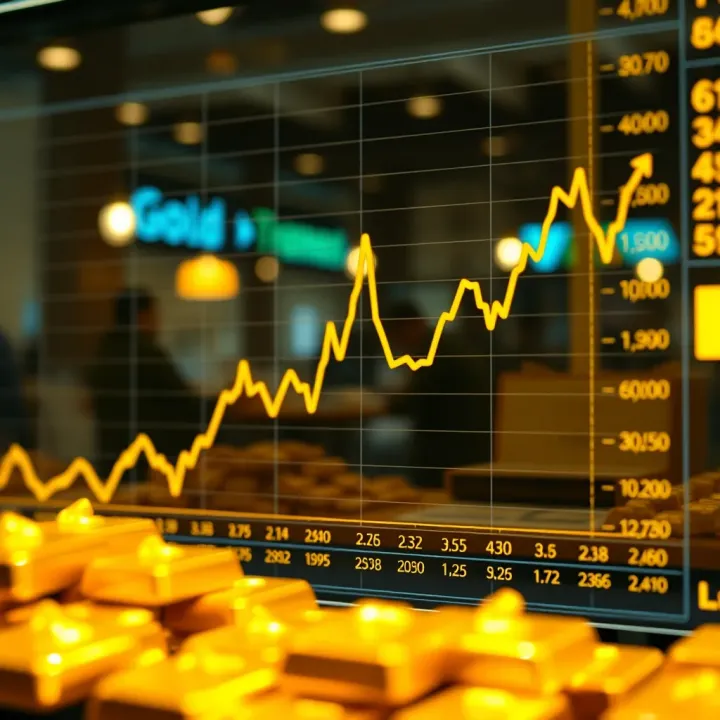
Learn how gold trading prices in Pakistan shift with market trends, local demand, and policies. Get tips on tracking gold rates and making informed buying or selling choices 📈💰.
Learn how to open gold trading accounts in Pakistan 🏦 with clear steps, regulatory requirements, investment tips, and risk management for successful trades 💰.
📈 Learn how gold trading signals can guide your investments in Pakistan's markets effectively. Understand signal types, reliability checks, tech tools, and risks to avoid.
Based on 5 reviews