

Gold Trading in Pakistan: A Practical Guide
🔍 Understand gold trading in Pakistan with insights on market trends, trading methods, regulations, risks, and smart strategies for Pakistani investors 🇵🇰
Edited By
Amelia Walker
Gold holds a special place in Saudi Arabia, both culturally and economically. To grasp how the gold rate is determined here, you have to consider a mix of local market factors and wider global trends.
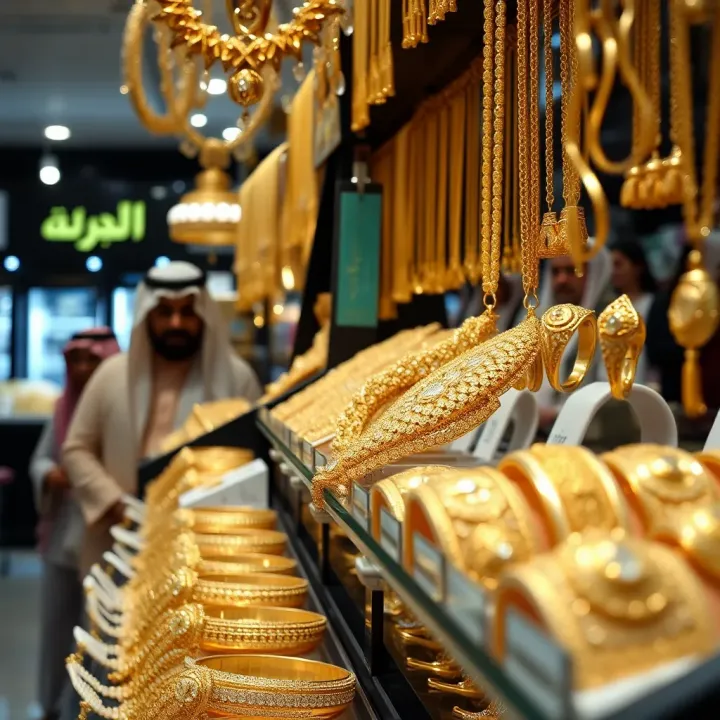
Saudi Arabia’s gold market thrives in busy souks like the Gold Souk in Riyadh and Jeddah, where pricing reacts quickly to supply and demand shifts. Unlike some countries, Saudi gold markets often price based on the international fix but adjust for local taxes, import duties, and craftsmanship quality. For example, pure 24-karat gold fetches a higher rate than 22-karat pieces, which contain other metals and therefore less gold content.
Saudi Arabia’s government policies also shape pricing. Periodic changes in import duties or regulations impact traders’ costs directly, often reflected in immediate price adjustments in shops.
Gold prices in Saudi Arabia largely track global benchmarks such as the London Bullion Market Association (LBMA) fix and COMEX futures in New York. When global economic uncertainties arise, like escalating inflation or geopolitical tensions, gold’s safe-haven appeal pushes prices higher worldwide — including in Saudi markets.
Currency fluctuations are another piece of the puzzle. Since gold trades internationally in U.S. dollars, a weakening dollar often means gold becomes more expensive in local currency terms. For instance, if the Saudi riyal weakens slightly against the dollar, consumers may see price hikes even if the dollar price holds steady.
Saudi gold is sold mainly in:
24-karat gold: Known for its purity and bright yellow hue, favored for investment and luxury jewelry.
22-karat gold: Popular for everyday jewelry, combines durability with a slightly lower price.
Specialty gold: Pieces alloyed with metals such as copper or silver for different finishes and price points.
Understanding these options helps investors and buyers choose what fits their purpose and budget.
Prices you see in the market are a reflection of global rates, local taxes, currency strength, and craftsmanship quality. Watching all these elements together gives you the clearest picture of what’s driving Saudi gold rates.
To stay ahead, traders and investors monitor daily gold rate updates published by local banks, the official Saudi Gold Market reports, and global indices. Using this info alongside knowledge of local and world events helps avoid surprises.
Bottom line: Saudi Arabia’s gold rate is a complex yet transparent mix of global standards and local realities. Understanding this balance lets you make smarter buying or investment decisions.
Understanding how gold prices are established in Saudi Arabia is key for anyone involved in trading, investing, or even purchasing gold jewelry. The price here reflects a blend of local market factors and global influences, making it important to grasp both sides to predict trends and make informed decisions.
Saudi Arabia hosts a bustling gold market, with traders and jewelers playing a major role in setting prices locally. Unlike purely paper markets, much of Saudi gold pricing stems from physical trading. Jewelers often adjust prices based on the cost of gold bars they purchase, labor charges, and design intricacy, which can vary widely. For example, in Riyadh’s gold souks, bargaining and dealer reputation directly affect pricing, making locals skilled at spotting fair deals.
The demand for gold in Saudi Arabia spikes during wedding seasons, religious festivals, and throughout the pilgrimage period in Mecca and Medina. This local demand surge can push prices up temporarily. Conversely, when supply strengthens, such as after import peaks or increased local mining activities, rates may stabilize or fall. Seasonal trends and cultural buying habits thus directly influence the day-to-day price movements within the kingdom.
Saudi gold prices don’t float in isolation—they closely track international benchmark markets like the London Bullion Market and COMEX in New York. These markets determine the base price per ounce, which Saudi dealers then adjust for local factors. For instance, if gold prices soar overnight in London due to a financial crisis, the Saudi market responds swiftly, reflecting that change within hours or sometimes less.
Since gold globally trades in US dollars, the strength of the dollar strongly impacts Saudi gold rates. When the dollar weakens against other currencies, gold becomes cheaper in global terms, often boosting demand and prices in Saudi Arabia. Conversely, a strong dollar can depress gold prices locally. Traders watching currency exchange rates alongside gold futures can better time their trades or purchases to optimize value.
Events like Middle East tensions, global inflation data, or Federal Reserve interest rate decisions ripple through the gold market. Increased geopolitical risk usually sends investors towards gold as a "safe haven," pushing Saudi prices higher. On the other hand, strong economic reports might reduce gold’s appeal as investors chase riskier assets, causing price dips. Keeping an eye on these indicators helps investors anticipate price swings before they occur.
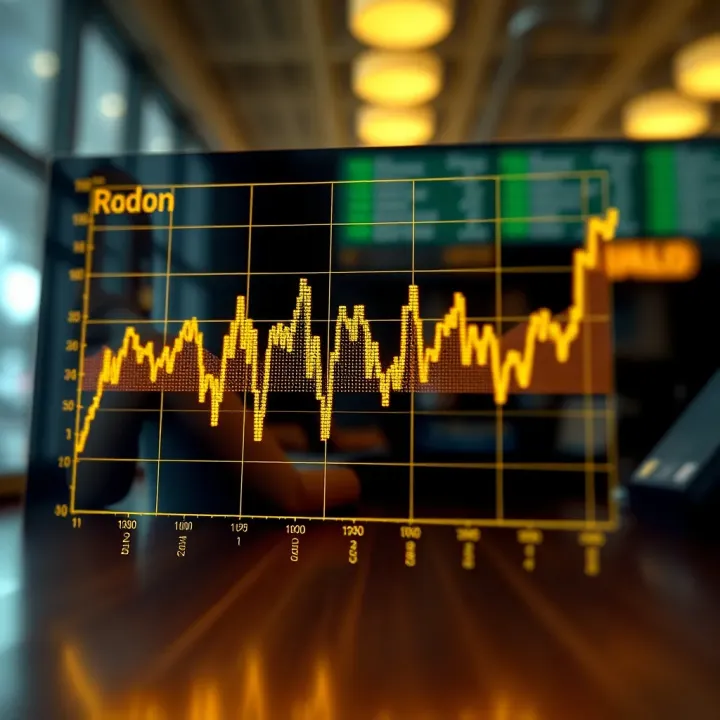
Knowing both local and global dynamics gives traders and investors the edge needed to navigate Saudi Arabia's gold market effectively. Staying informed on these factors prevents surprises and opens opportunities for better pricing and timing.
In sum, Saudi Arabia’s gold rates are shaped by a fine balance of regional demand, dealer practices, and international market signals. Recognizing these forces can help you make smarter gold-related decisions whether buying jewelry or investing in bullion.
Understanding the types and purity of gold available in Saudi Arabia is key for anyone involved in trading, investing, or analyzing the market. Different gold varieties have unique characteristics that influence their value, liquidity, and suitability for various purposes. Knowing these differences helps traders and investors make smart decisions, whether they're buying physical gold or evaluating market trends.
Gold purity is measured in karats (k), indicating the proportion of gold mixed with other metals. In Saudi Arabia, 24k, 22k, and 18k gold are the most common standards. Pure 24k gold is 99.9% gold, often used for investment-grade bars and coins. While it’s the purest, 24k gold is softer and less ideal for intricate jewelry.
22k gold, which is about 91.7% pure, is the local favorite for jewelry due to its balance of purity and durability. It includes small amounts of other metals like silver or copper to strengthen it. 18k gold contains 75% gold, popular for fine jewelry that needs more sturdiness and a range of color options.
Gold’s purity directly impacts its price — higher karats mean higher value per gram. For example, 24k gold prices per gram are noticeably higher than 18k gold. This relationship means investors looking at gold as a store of value often prefer higher karat gold, especially bars and coins.
On the flip side, jewelers and consumers weigh purity against practicality. Jewelry made with 22k or 18k gold is more durable for daily wear and less prone to bending or scratching. Therefore, lower karat gold is usually cheaper and more suitable for fashion purposes rather than pure investment.
Physical gold investment in Saudi Arabia often takes the form of bars and coins. Gold bars typically come in standardized weights ranging from 1 gram up to kilograms, making them easy to trade and verify. Coins, like the popular Saudi Arabian lunar coins, offer both liquidity and collectability, sometimes carrying a premium above the pure gold price.
Bars are preferred by institutional investors or those buying in bulk due to their straightforward pricing based solely on weight and purity. Coins appeal to smaller investors or collectors looking for a tangible, portable asset with recognized authenticity.
Jewelry remains the most popular gold format in Saudi Arabia, deeply ingrained in culture and daily life. Valuation considers not only the karat and weight but also design, craftsmanship, and brand reputation. Ornate pieces or those from high-end jewelers command higher prices beyond the metal content.
When buying or selling jewelry, understanding these nuances is vital. For example, a 22k gold necklace from a trusted jeweler might fetch a premium compared to a plain 22k piece sold privately. This valuation variation influences how investors approach gold as both an investment and cultural asset.
Key point: In Saudi Arabia, knowing the purity and type of gold you’re dealing with is as important as tracking price movements. This insight guides better buying and selling choices in a market where both investment-grade and ornamental gold are widely traded.
Keeping a close eye on current gold rates is essential for anyone involved in trading or investing in gold within Saudi Arabia. Gold prices fluctuate frequently due to factors like market demand, geopolitical events, and currency movements, so having access to reliable, up-to-the-minute information helps you make smart buying or selling decisions.
The Saudi Ministry of Commerce along with the Saudi Arabian Monetary Authority (SAMA) provide official gold prices daily that are widely trusted and serve as benchmarks for retailers and investors. These rates reflect the spot price adjusted for local taxes and market premiums. Checking these official exchange rates is especially useful before making any large purchases or sales, ensuring you’re working with accurate baseline data recognized across the kingdom.
Several financial news outlets and mobile apps focus on real-time updates for gold prices specific to Saudi Arabia. Platforms like CNBC Arabia or local market apps provide easy access to live pricing trends plus analysis. These sources often include charts, historical data, and alerts, making it easier to track short-term fluctuations. For example, traders can set price alerts to get notified when gold dips below or rises above a target, helping time transactions precisely.
Gold prices rarely stay static. They can jump quickly due to global instability or ease during calmer periods. By monitoring rate trends over days or weeks, buyers in Saudi Arabia can decide whether to buy immediately or wait. For instance, if prices are trending downward after a recent spike, waiting might save money. Conversely, a rising trend might persuade investors to buy sooner to avoid paying more later.
Digital tools like price trackers and charts help decode real-time data into understandable trends. Traders and investors can analyze daily, weekly, or monthly movements to predict likely future prices. Many Saudi investors use apps that sync with official market data and international pricing to get a clear picture. These tools reduce guesswork and improve confidence when making decisions on when to buy or sell gold.
Stay updated on official rates and use trusted apps to turn gold price changes into advantageous buying or selling opportunities. Timing and access to accurate data can greatly impact your return on investment.
The bottom line is that checking gold rates regularly through reputable sources isn't just about curiosity—it can save you thousands and make your investment decisions sharper and more informed.
Investing in gold in Saudi Arabia offers a way to protect assets and diversify portfolios amid economic shifts. This section breaks down the main methods of gold investment available in the kingdom, highlighting practical considerations that investors must weigh before committing funds. Understanding these methods helps you choose an approach that balances risk, liquidity, and convenience to suit your financial goals.
Pros and cons of physical gold ownership: Owning physical gold means you hold a tangible asset—whether it’s jewelry, bars, or coins. This direct ownership can feel more secure since you don’t rely on market intermediaries or digital platforms. For example, many Saudi investors buy 22k gold jewelry not only for investment but also cultural significance. However, owning physical gold requires careful handling and storage to prevent theft or damage. It’s also less liquid since selling physical gold can incur costs and time delays compared to trading financial products.
Options like gold ETFs and mutual funds: For a more hands-off approach, gold Exchange-Traded Funds (ETFs) and mutual funds provide exposure to gold prices without holding the bullion. These financial instruments allow you to buy shares representing gold assets, making the investment easy to trade on the stock market. In Saudi Arabia, platforms like the Tadawul facilitate investing in gold ETFs listed locally or internationally. The benefits here include greater flexibility, lower transaction costs, and no need for physical storage. On the flip side, you do depend on market factors and fund management, and you never possess the gold directly.
Home safes and security tips: If you opt for physical gold, proper storage becomes critical to protect your investment. A high-quality home safe, bolted to the floor, with fireproof and tamper-resistant features is a good start. Security cameras and alarm systems add layers of defense. Regularly updating insurance policies to cover the gold's current value safeguards against loss or theft. For instance, some Saudi investors install biometric safes for added security and convenience.
Using bank safety deposit boxes: Another secure alternative is renting safety deposit boxes at banks, which offer professional security and reduced risk of physical theft or fire damage. Banks in Saudi Arabia offer varying sizes and rental fees, so cost and accessibility are key factors to consider. Getting access to a box often requires visits during business hours, which might be inconvenient but offers peace of mind compared to home storage. Also, note that insurance coverage may vary, so checking terms is essential.
Storing gold safely is just as vital as buying it. Proper security measures can prevent loss and maintain the value of your investment.
Choosing between physical gold and financial instruments depends on your priorities—whether you value tangibility and tradition, or flexibility and liquidity. Both paths hold unique benefits for Saudi investors navigating the gold market today.
When investing in gold within Saudi Arabia, practical tips can make a significant difference in safeguarding your money and optimizing returns. Knowing the ins and outs of the market, from avoiding fraud to maximizing the value of transactions, helps you navigate this complex commodity more confidently.
Always verify gold authenticity before buying. Saudi Arabia’s market has many reputable dealers, but counterfeit gold still surfaces occasionally, especially in busy bazaars like those in Riyadh or Jeddah. Use a trusted jeweler who offers a certificate of authenticity or test the gold with a portable electronic tester. For example, 22k gold jewelry is prevalent here, so confirming the karat and weight against labeled standards reduces the chance of being duped.
Be cautious of deals that seem too good to be true. Some sellers might mix lower karat gold with pricier 24k or charge unfair premiums. To avoid scams, insist on checking the item's hallmarks and ask for detailed receipts that list the purity and weight. This step is critical as you can later cross-check how closely the purchase price matches current gold rates.
Besides the gold cost itself, buyers should account for additional fees. These can include craftsmanship charges for jewelry, commonly found in Saudi markets. For instance, intricate designs often raise the price well above the metal's value. Unlike many countries, Saudi Arabia does not impose heavy taxes on gold purchases, but import duties or VAT might apply if the gold is brought in from abroad.
Know that resale value might deduct craftsmanship costs since buyers typically pay only for the metal content. Therefore, understanding these charges helps when deciding whether to buy purely for investment or personal use. Always ask sellers for a clear breakdown of all costs to avoid surprises.
Negotiation is not just welcome but expected in Saudi gold markets. Prices on the showroom floor can leave room for discounting, especially if you’re buying in bulk or paying cash. Reputable dealers in places like the Abraj Al Bait Gold Market often appreciate informed negotiations, so research current rates before stepping in.
Choosing a well-established retailer reduces risk. Look for dealers with visible track records and positive reviews. Word of mouth within communities is valuable—many buyers prefer dealers who understand local market trends and provide fair pricing. Don't hesitate to walk away if the price or terms feel off.
Gold prices fluctuate based on global and local factors. For instance, geopolitical tensions or changes in the US dollar's strength can cause sharp price moves. If you’ve purchased gold as an investment, timing your sell is critical; rushing to sell during a price dip can mean losses.
Pay attention to market signals and seasonal trends. Saudi holidays or wedding seasons usually fuel demand, possibly bumping prices. Conversely, during global economic uncertainty, gold often serves as a safe haven, boosting rates. Understanding these patterns empowers you to decide whether holding gold longer or selling immediately fits your financial goals.
The bottom line is that practical knowledge and attention to details in buying and selling can save you from costly mistakes and help you make the most of your gold investment in Saudi Arabia.
🔍 Understand gold trading in Pakistan with insights on market trends, trading methods, regulations, risks, and smart strategies for Pakistani investors 🇵🇰

Learn how to convert binary numbers to hexadecimal step-by-step with clear examples and tips 🔢. Perfect for students and engineers in computing and tech fields.
🔢 Learn how to convert binary codes into readable text using ASCII & Unicode standards. Step-by-step guide plus useful tools to ease your tech tasks! 💻
📉 Learn forex trading basics in Pakistan with insights on local regulations, top platforms, effective strategies, and challenges affecting traders' success rates.
Based on 5 reviews